Understanding Client Expectations in Modern Lighting Solutions
Lighting contractors today operate in a marketplace where clients are increasingly knowledgeable and discerning about their lighting choices. The evolution of lighting technology, combined with growing awareness of energy efficiency and design aesthetics, has elevated client expectations significantly. Contractors must be equipped not only with technical expertise but also with a comprehensive understanding of client priorities to deliver solutions that satisfy both functional and emotional needs.
Clients expect lighting professionals to provide guidance that balances innovation with practicality. This means being conversant in a variety of lighting technologies—from traditional incandescent bulbs to advanced LED systems—and understanding how these options impact energy consumption, cost, and ambiance. Moreover, clients often look for contractors who can tailor lighting solutions to specific environments, whether residential, commercial, or industrial, ensuring optimal performance and visual comfort.
In addition to technical knowledge, clients are increasingly interested in the sustainability of their lighting choices. Many are seeking solutions that not only reduce energy consumption but also minimize environmental impact. This has led to a rise in demand for eco-friendly products, such as solar-powered lighting and fixtures made from recycled materials. Contractors who can offer insights into sustainable practices and products are likely to stand out in a competitive market, as clients appreciate the long-term benefits of environmentally responsible lighting solutions.
Furthermore, the aesthetic aspect of lighting has become paramount in client considerations. Clients often envision how lighting will enhance the overall design of their spaces, influencing mood and functionality. This has prompted contractors to develop a keen eye for design trends and to be able to recommend fixtures that complement architectural features and interior decor. Understanding color temperature, brightness levels, and the interplay of light and shadow can help contractors create customized lighting plans that not only meet practical needs but also elevate the beauty of the environment, making it essential for professionals to stay updated on the latest design innovations and trends in the lighting industry.
Technical Knowledge: The Foundation of Client Trust
Mastering the Spectrum of Light Bulb Technologies
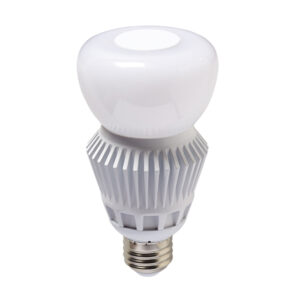
One of the first areas clients expect lighting contractors to master is the broad spectrum of light bulb technologies available. While LEDs dominate the market due to their efficiency and longevity, familiarity with halogen, fluorescent, and smart bulbs remains essential. Each technology has unique characteristics that influence brightness, color temperature, lifespan, and energy use.
For example, clients often inquire about the differences between warm and cool white LEDs and how these affect mood and productivity. Contractors who can explain concepts like lumens, color rendering index (CRI), and correlated color temperature (CCT) in accessible terms demonstrate expertise and build client confidence. Moreover, understanding the nuances of dimmable versus non-dimmable options can further enhance a contractor’s ability to tailor solutions to specific client needs. This knowledge not only helps in selecting the right bulb for a particular setting but also allows contractors to provide insights on how lighting can be adjusted to create various atmospheres, whether it’s a cozy living room or a bright, focused workspace.
Energy Efficiency and Sustainability
Energy efficiency is no longer a niche concern; it’s a mainstream expectation. Clients frequently seek lighting solutions that reduce electricity consumption and lower utility bills without compromising quality. Lighting contractors must be knowledgeable about energy codes, rebates, and incentives that can benefit clients financially and environmentally.
Understanding the lifecycle costs of different bulbs, including purchase price, energy use, and replacement frequency, allows contractors to recommend options that align with client budgets and sustainability goals. Additionally, familiarity with emerging technologies such as OLEDs and solar-powered lighting can position contractors as forward-thinking professionals. As sustainability becomes a priority, clients are increasingly interested in how their lighting choices impact the environment. Contractors who can discuss the benefits of using recyclable materials in lighting fixtures or the importance of choosing products with low environmental impact will resonate well with eco-conscious clients. Furthermore, showcasing case studies or examples of successful energy-efficient projects can serve as powerful testimonials to a contractor’s expertise and commitment to sustainability.
Design and Aesthetic Considerations: Beyond Functionality
Creating Ambiance Through Lighting
Clients expect lighting contractors to appreciate that lighting is not merely functional but also a critical design element. The interplay of light and shadow can transform spaces, influence moods, and highlight architectural features. Contractors who understand principles of lighting design—such as layering, focal points, and contrast—can offer solutions that elevate the client’s environment.
For instance, in residential projects, clients often desire a warm, inviting atmosphere in living areas, while preferring brighter, task-oriented lighting in kitchens or home offices. Commercial clients might prioritize uniform illumination for safety and productivity but also seek accent lighting to enhance branding or customer experience. The choice of color temperature plays a significant role in achieving these desired atmospheres; warmer tones can create a cozy feel, while cooler tones can promote alertness and focus. Additionally, the strategic use of dimmers allows clients to adjust the ambiance according to the time of day or occasion, providing versatility in their lighting design.
Customization and Smart Lighting Integration
Modern clients increasingly expect personalized lighting solutions that can be controlled remotely or programmed for different scenarios. Smart lighting systems that integrate with home automation platforms are becoming standard requests. Lighting contractors must be adept at installing and configuring these systems, as well as educating clients on their benefits and operation. The ability to control lighting through mobile apps or voice commands not only enhances convenience but also allows users to create dynamic environments that adapt to their lifestyle.
Customization extends beyond technology to include fixture selection, placement, and finishes. Clients appreciate contractors who can recommend fixtures that complement interior design styles, whether minimalist, industrial, or traditional, ensuring a cohesive look and feel. Furthermore, the choice of materials—such as glass, metal, or sustainable options—can significantly impact the overall aesthetic and functionality of the lighting. For example, incorporating LED fixtures that mimic natural daylight can enhance productivity in workspaces, while decorative pendant lights can serve as statement pieces in dining areas. By understanding the unique needs and preferences of each client, contractors can create tailored lighting solutions that not only meet functional requirements but also resonate with the client’s personal style and vision for their space.
Compliance, Safety, and Longevity: Ensuring Reliable Installations
Adherence to Codes and Standards
Clients expect lighting contractors to be fully compliant with all relevant electrical and building codes. This includes understanding local regulations regarding energy efficiency, safety clearances, and installation practices. Non-compliance can lead to costly rework, legal issues, and safety hazards, undermining client trust and contractor reputation.
Contractors who proactively communicate their commitment to compliance reassure clients that installations will be safe, reliable, and up to industry standards. This is particularly important in commercial and industrial settings where regulatory scrutiny is often more stringent.
Ensuring Safety and Durability
Safety is a paramount concern for clients, especially in environments with children, elderly occupants, or high foot traffic. Lighting contractors must select fixtures and bulbs that meet safety certifications and are appropriate for the intended use. This includes considerations such as heat output, shatter resistance, and moisture protection for outdoor or wet locations.
Durability also matters to clients who want lighting solutions that stand the test of time. Contractors who recommend high-quality products and provide proper installation techniques minimize maintenance needs and enhance client satisfaction.
Effective Communication and Client Education
Demystifying Lighting Terminology
Clients often feel overwhelmed by the technical jargon associated with lighting products and systems. Lighting contractors who can translate complex terms into clear, relatable language help clients make informed decisions. For example, explaining the difference between watts and lumens, or the significance of CRI, empowers clients to prioritize features that matter most to them.
Providing visual aids, such as sample bulbs, fixture catalogs, or lighting simulation software, can further enhance understanding and engagement. This collaborative approach fosters trust and positions the contractor as a knowledgeable partner rather than just a service provider.
Setting Realistic Expectations
Managing client expectations from the outset is crucial to project success. Lighting contractors should discuss potential limitations, such as budget constraints, existing wiring conditions, or architectural challenges, and how these might impact the final outcome. Transparent communication about timelines, costs, and maintenance requirements helps prevent misunderstandings and builds long-term client relationships.
Staying Current: Continuous Learning and Industry Trends
Keeping Up with Technological Advancements
The lighting industry is dynamic, with rapid advancements in technology and design trends. Clients expect contractors to be up-to-date with the latest developments, including innovations in LED efficiency, smart controls, and sustainable materials. Regular training, attending industry conferences, and engaging with manufacturers are essential practices for contractors aiming to maintain a competitive edge.
By staying informed, contractors can introduce clients to cutting-edge solutions that enhance performance, reduce costs, and future-proof installations.
Understanding Market and Client Shifts
Beyond technology, lighting contractors must be attuned to changing client preferences and market demands. For example, the growing emphasis on wellness lighting—lighting that supports circadian rhythms and mental health—is influencing client choices. Similarly, the rise of remote work has increased demand for adaptable home office lighting solutions.
Contractors who anticipate and respond to these trends demonstrate a client-centric approach that fosters loyalty and repeat business.
Conclusion: Meeting and Exceeding Client Expectations
Lighting contractors who combine deep technical knowledge with design sensitivity, regulatory compliance, and effective communication are best positioned to meet the evolving expectations of their clients. By understanding the full spectrum of lighting technologies, emphasizing energy efficiency, and tailoring solutions to individual needs, contractors can deliver value that goes beyond illumination.
In an industry where innovation and client preferences continually evolve, commitment to continuous learning and proactive client engagement is key. Lighting contractors who embrace these principles not only enhance their professional reputation but also contribute to creating environments that are safe, sustainable, and visually inspiring.
Illuminate Your Projects with LumenWholesale
Ready to exceed your clients’ expectations with lighting solutions that blend innovation, efficiency, and design? At LumenWholesale, we provide lighting contractors like you with spec-grade lighting products at unbeatable wholesale prices. Our extensive selection not only meets but exceeds industry standards, ensuring you deliver reliable and high-performance lighting for every project. With the convenience of bulk buying and the benefit of free shipping, you can trust LumenWholesale to supply premium lighting without hidden fees or compromises. Elevate your lighting game and give your clients the quality, affordability, and convenience they deserve. Discover the perfect blend of quality and value with Wholesale Lighting at the Best Value today.