Introduction to Wall Switch Occupancy Sensors
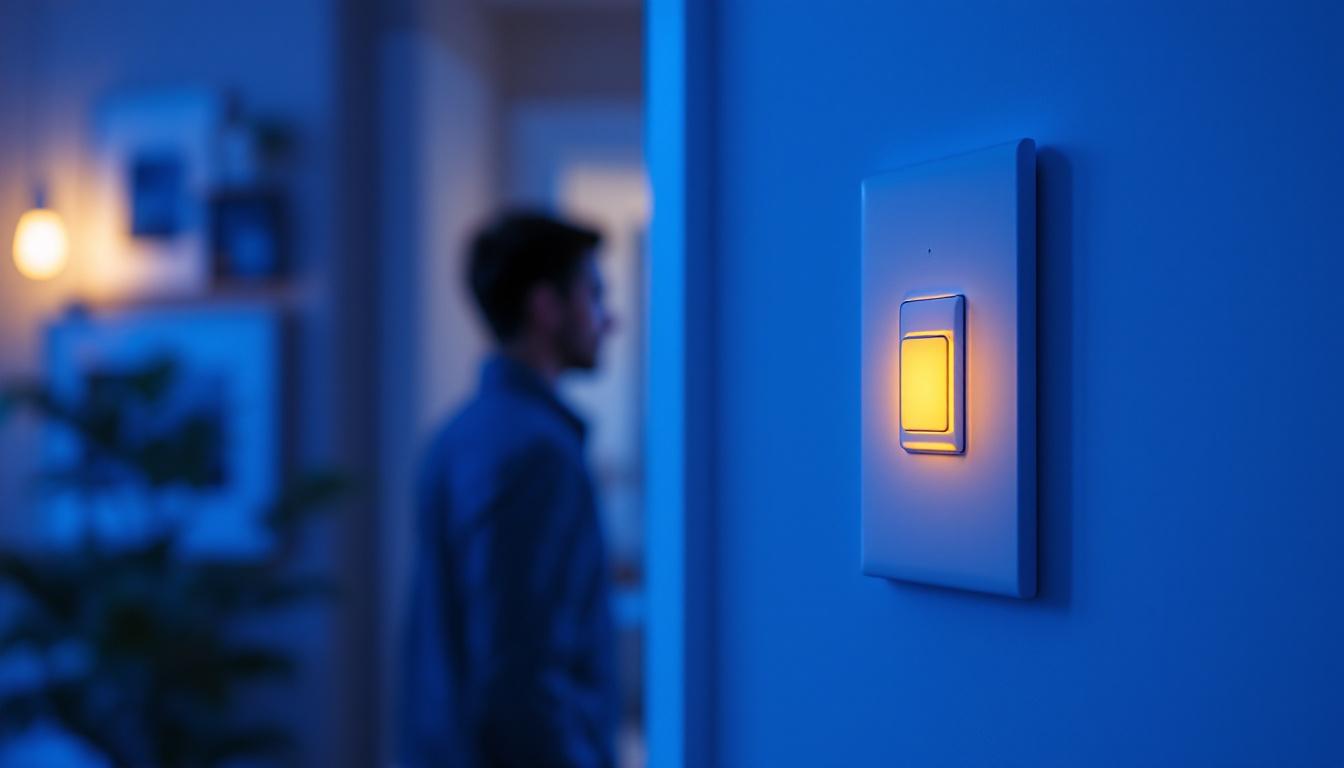
Lighting contractors are continually seeking innovative solutions to improve both the functionality and safety of lighting installations. One such advancement is the integration of wall switch occupancy sensors. These devices detect the presence of individuals in a room and automatically control lighting based on occupancy, offering a seamless and efficient lighting experience.
Occupancy sensors have evolved from simple motion detectors to sophisticated systems that enhance safety, energy efficiency, and user convenience. By replacing traditional manual switches with wall switch occupancy sensors, contractors can provide clients with smart lighting solutions that respond intelligently to human activity.
These sensors utilize advanced technologies, such as passive infrared (PIR) and ultrasonic detection, to accurately sense movement within a designated area. PIR sensors detect changes in infrared radiation, which is emitted by warm bodies, while ultrasonic sensors emit sound waves and measure their reflection to identify movement. This dual approach allows for greater adaptability in various environments, from small offices to expansive warehouses, ensuring that lighting is only activated when necessary, thus significantly reducing energy consumption.
Moreover, wall switch occupancy sensors can be integrated with building management systems, allowing for centralized control and monitoring. This integration not only facilitates energy savings but also provides valuable data on occupancy patterns, enabling facility managers to optimize lighting schedules and improve overall operational efficiency. As businesses increasingly prioritize sustainability and cost-effectiveness, the demand for such intelligent lighting solutions is expected to grow, making wall switch occupancy sensors a pivotal component in modern lighting design.
Understanding the Technology Behind Wall Switch Occupancy Sensors
How Occupancy Sensors Work
Wall switch occupancy sensors utilize various detection technologies such as passive infrared (PIR), ultrasonic, or dual-technology sensors to monitor movement and presence within a space. PIR sensors detect body heat, ultrasonic sensors emit sound waves and measure reflections, while dual-technology sensors combine both methods for improved accuracy and reduced false triggers.
When the sensor detects occupancy, it sends a signal to the lighting circuit to turn lights on. Conversely, when no movement is detected for a preset duration, the lights automatically switch off. This automation eliminates the need for manual intervention, reducing the risk of lights being left on unnecessarily and enhancing overall safety. Furthermore, the energy savings associated with these sensors can be significant, especially in commercial settings where lights may otherwise remain on for extended periods during unoccupied hours.
Additionally, the integration of advanced algorithms in modern occupancy sensors allows for adaptive learning, where the device can adjust its sensitivity based on typical occupancy patterns. This feature not only improves energy efficiency but also enhances user comfort by ensuring that lights are activated only when truly needed.
Installation and Integration Considerations
Installing a wall switch occupancy sensor is often straightforward, as it replaces a conventional wall switch. However, contractors must consider factors such as sensor placement, wiring compatibility, and the type of lighting load. Proper placement ensures optimal detection coverage, avoiding blind spots or areas where the sensor might be triggered unintentionally. For instance, placing a sensor too close to a window could lead to false triggers from moving shadows, while positioning it in a corner may limit its field of view.
Integration with existing lighting control systems, including dimmers and smart home platforms, is also crucial. Many modern occupancy sensors are compatible with a variety of lighting technologies, including LED, fluorescent, and incandescent bulbs, allowing for versatile application across different environments. Moreover, some sensors come equipped with additional features such as daylight harvesting capabilities, which adjust the lighting based on the amount of natural light available, further optimizing energy use. This level of integration not only enhances functionality but also contributes to a more sustainable approach to energy management in both residential and commercial spaces.
Enhancing Safety Through Occupancy Sensors
Reducing Accident Risks in Commercial and Residential Spaces
One of the primary safety benefits of wall switch occupancy sensors is their ability to prevent accidents caused by inadequate lighting. In environments such as stairwells, corridors, restrooms, and garages, sudden darkness can lead to slips, trips, and falls. Occupancy sensors ensure that lights remain on as long as the space is occupied, providing continuous illumination and reducing the likelihood of accidents.
For example, in healthcare facilities, proper lighting is critical for patient safety and staff efficiency. Occupancy sensors help maintain consistent lighting levels in patient rooms and hallways, minimizing hazards and supporting a safer environment. Additionally, these sensors can be programmed to adjust lighting levels based on the time of day or specific activities, further enhancing safety. For instance, brighter lights can be activated during peak visiting hours or when medical staff are performing procedures, while softer lighting can be used during nighttime hours to create a calming atmosphere for patients.
Supporting Emergency Situations and Security
Occupancy sensors can also play a vital role in emergency preparedness and security. In the event of a power outage or emergency evacuation, sensors connected to backup power systems can automatically illuminate exit routes, enhancing visibility and guiding occupants safely out of the building. This feature is particularly important in large commercial spaces where the layout may be complex and disorienting, ensuring that everyone can find their way to safety without hesitation.
Moreover, occupancy sensors integrated with security lighting systems can deter unauthorized access by automatically activating lights when movement is detected after hours. This feature not only improves safety but also enhances the security profile of a property. In addition to deterring intruders, these sensors can also provide valuable data on occupancy patterns, allowing property managers to identify potential vulnerabilities and improve overall security measures. By analyzing when and where people are present, businesses can optimize their security protocols, ensuring that resources are allocated effectively and that safety remains a top priority.
Energy Efficiency and Compliance Benefits
Minimizing Energy Waste While Maintaining Safety
Energy conservation is a growing priority in lighting design, and wall switch occupancy sensors contribute significantly to this goal. By ensuring lights are only on when needed, these sensors reduce unnecessary energy consumption, which is both economically and environmentally beneficial.
Lighting contractors can leverage this feature to help clients achieve energy savings without compromising safety. For instance, in office buildings where occupancy fluctuates throughout the day, occupancy sensors prevent lights from remaining on in unoccupied rooms, reducing electricity bills and carbon footprints.
Meeting Building Codes and Standards
Many building codes and standards now require or recommend occupancy sensors for certain types of spaces to promote energy efficiency and safety. Compliance with these regulations is essential for contractors to avoid potential legal issues and to ensure installations meet industry best practices.
Examples include requirements for occupancy sensors in commercial restrooms, conference rooms, and classrooms. By incorporating wall switch occupancy sensors, contractors can easily meet these mandates while enhancing the overall quality and safety of their lighting installations.
Practical Tips for Lighting Contractors
Choosing the Right Sensor for the Application
Selecting the appropriate occupancy sensor depends on the specific environment and client needs. For instance, PIR sensors are well-suited for spaces with clear line-of-sight and less ambient heat interference, while ultrasonic sensors perform better in areas with obstacles or where movement may be subtle.
Dual-technology sensors offer the best of both worlds but may come at a higher cost. Contractors should evaluate the trade-offs between performance, budget, and installation complexity when recommending solutions.
Optimizing Sensor Settings for Safety and Efficiency
Adjusting sensor sensitivity, time delay, and ambient light thresholds is critical to maximizing the benefits of occupancy sensors. Too sensitive a setting may cause lights to switch on unnecessarily, while too insensitive a setting could leave spaces dark when occupied.
Contractors should work closely with clients to fine-tune these parameters based on typical occupancy patterns and lighting preferences, ensuring a balance between safety, comfort, and energy savings.
Educating Clients on Sensor Benefits and Usage
Client education is an often-overlooked aspect of successful occupancy sensor installations. Explaining how the sensors work, their safety advantages, and energy-saving potential helps build trust and encourages proper use.
Providing simple instructions on manual overrides or adjustments empowers users to feel confident and satisfied with their new lighting system, reducing service calls and enhancing overall client experience.
Case Studies Demonstrating Safety Improvements
Office Building Retrofit
A recent retrofit project in a multi-story office building involved replacing traditional switches with wall switch occupancy sensors in corridors and restrooms. Post-installation data showed a significant reduction in lighting-related accidents, particularly in stairwells where illumination was previously inconsistent.
Additionally, the building reported a 30% decrease in lighting energy consumption, demonstrating that safety and efficiency can be achieved simultaneously.
Healthcare Facility Implementation
In a healthcare facility, occupancy sensors were installed in patient rooms and hallways to ensure continuous lighting during occupancy. Staff reported improved visibility and reduced incidents of trips and falls, especially during night shifts.
The sensors also integrated with emergency lighting systems, automatically activating exit path illumination during drills and real emergencies, further enhancing occupant safety.
Future Trends and Innovations in Occupancy Sensing
As technology advances, occupancy sensors are becoming more intelligent and interconnected. Integration with building automation systems and IoT platforms allows for real-time monitoring, predictive analytics, and adaptive lighting control based on occupancy patterns and environmental conditions.
Emerging sensors with enhanced detection capabilities, including presence recognition and gesture control, promise to further improve safety and user experience. Lighting contractors should stay informed about these developments to offer cutting-edge solutions that meet evolving client demands.
Conclusion
Wall switch occupancy sensors represent a vital advancement in lighting installations, offering substantial safety benefits alongside energy efficiency and convenience. For lighting contractors, understanding the technology, installation best practices, and client education strategies is essential to maximize the value of these devices.
By integrating occupancy sensors into lighting projects, contractors not only comply with regulatory requirements but also contribute to safer, smarter, and more sustainable environments. This dual focus on safety and efficiency positions occupancy sensors as a key component in the future of lighting design and installation.
Illuminate Your Projects with LumenWholesale
Ready to enhance your lighting installations with the safety and efficiency of wall switch occupancy sensors? Look no further than LumenWholesale for all your lighting needs. Our extensive selection of spec-grade lighting products is designed to meet the highest industry standards, ensuring you get reliable, high-performance lighting for every project. With unbeatable wholesale prices and the convenience of free shipping on bulk orders, you can trust LumenWholesale to provide premium lighting solutions at the best value. Explore our collection and experience the perfect blend of quality, affordability, and convenience today.