Understanding the Value of Motion Sensor Lighting in Indoor Spaces
Motion sensor lighting has become a cornerstone of modern indoor lighting solutions, offering a blend of energy efficiency, convenience, and enhanced security. For lighting contractors, mastering the nuances of motion sensor technology is essential to delivering smart, tailored lighting systems that meet client demands and industry standards.
Indoor motion sensor lighting is not just about turning lights on and off automatically; it’s about creating intelligent environments that respond dynamically to human presence and activity. Studies show that motion sensor lighting can reduce energy consumption by up to 30-50% in commercial and residential settings, making it a compelling selling point for eco-conscious clients.
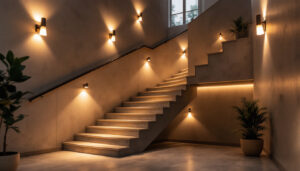
Moreover, the integration of motion sensors can significantly enhance the safety and security of indoor spaces. In areas such as hallways, staircases, and entryways, motion sensor lights can illuminate paths as soon as someone approaches, reducing the risk of accidents and providing peace of mind. This feature is particularly beneficial for elderly individuals or those with mobility challenges, as it ensures that they have adequate lighting when navigating through their homes. Additionally, many modern systems come equipped with adjustable sensitivity settings, allowing users to customize how the sensors respond to movement, further enhancing usability and comfort.
Beyond safety and energy savings, motion sensor lighting can also contribute to the overall aesthetic of a space. By strategically placing sensors and fixtures, contractors can create ambient lighting that enhances the architectural features of a room while maintaining functionality. For instance, in a home theater or a cozy reading nook, motion sensors can be programmed to dim lights gradually as a person enters, setting the perfect mood without the need for manual adjustments. This seamless integration of technology and design not only elevates the user experience but also showcases the contractor’s expertise in creating sophisticated, modern living environments.
Key Technologies Behind Indoor Motion Sensor Lighting
Types of Sensors: PIR, Ultrasonic, and Microwave
Lighting contractors must be familiar with the primary sensor technologies used in indoor motion detection. Passive Infrared (PIR) sensors detect body heat and are widely used due to their reliability and affordability. They excel in detecting movement within a defined field but can be limited by obstructions or temperature variations. For instance, in a room with heavy furniture or drapes, the effectiveness of PIR sensors may be compromised, leading to missed detections. Additionally, their performance can be affected by the ambient temperature, which can create challenges in environments where the temperature fluctuates significantly.
Ultrasonic sensors emit high-frequency sound waves and detect motion by measuring changes in the reflected waves. These sensors are highly sensitive and can detect movement around corners or through thin walls, but they may be prone to false triggers from air movement or vibrations. This sensitivity makes them particularly useful in dynamic environments, such as gyms or playrooms, where constant movement is expected. However, it is crucial to install them correctly to minimize interference from non-human movements, such as fans or HVAC systems, which can lead to unnecessary lighting activation.
Microwave sensors operate similarly to ultrasonic but use microwave pulses. They offer a longer detection range and can penetrate non-metallic objects, making them suitable for larger or more complex indoor spaces. However, they tend to be more expensive and can be sensitive to interference from other wireless devices. Their ability to cover extensive areas makes them ideal for applications like large retail stores or warehouses, where consistent lighting is essential for safety and visibility. Nevertheless, contractors must consider the potential for interference from nearby electronic equipment, which can affect the sensor’s reliability.
Choosing the Right Sensor for Different Indoor Environments
Each sensor type has its ideal application. For example, PIR sensors are excellent for residential hallways and bathrooms where direct line-of-sight detection is sufficient. Ultrasonic sensors are better suited for open office spaces or rooms with partitions, while microwave sensors fit well in warehouses or commercial areas requiring broader coverage. The choice of sensor can also depend on the specific activities taking place in the space; for instance, in a conference room, a combination of PIR and ultrasonic sensors can ensure that lights activate promptly when people enter, while minimizing unnecessary activation during meetings.
Lighting contractors should assess the environment’s layout, client preferences, and budget constraints when selecting sensor types. Combining multiple sensor technologies can also enhance accuracy and reduce false triggers, a strategy increasingly adopted in smart lighting systems. Moreover, the integration of these sensors with advanced control systems allows for sophisticated features such as dimming capabilities and scheduling, which can further optimize energy usage. As smart home technology continues to evolve, the potential for integrating motion sensors with other home automation systems, such as security cameras and climate controls, presents exciting opportunities for creating more responsive and efficient indoor environments.
Installation Hacks for Optimal Performance and Client Satisfaction
Strategic Sensor Placement
Proper sensor placement is critical to ensure reliable motion detection and avoid unnecessary light activation. Sensors should be positioned to cover primary traffic paths and activity zones while minimizing exposure to heat sources, windows, or reflective surfaces that could cause false triggers.
For example, placing sensors near entryways, staircases, and frequently used rooms maximizes utility. Avoid positioning sensors directly opposite air vents or heating units to prevent erratic behavior caused by temperature fluctuations.
Adjusting Sensitivity and Time Delays
Fine-tuning sensor sensitivity and the duration lights remain on after motion detection can significantly improve user experience. High sensitivity may lead to lights turning on unnecessarily, while low sensitivity might fail to detect occupants promptly.
Contractors should work closely with clients to understand their usage patterns. For instance, in a conference room, a longer delay might be preferred to avoid lights turning off during brief periods of stillness, whereas in a restroom, a shorter delay conserves energy effectively.
Integrating with Smart Home and Building Automation Systems
Modern motion sensor lighting systems often interface with broader smart home or building automation platforms. This integration allows for advanced control features such as remote monitoring, adaptive lighting schedules, and integration with security systems.
Lighting contractors should leverage compatible protocols like Zigbee, Z-Wave, or Wi-Fi to enable seamless communication between motion sensors, lighting fixtures, and control hubs. This approach not only enhances functionality but also future-proofs installations against evolving client needs.
Energy Efficiency and Sustainability Considerations
Leveraging Motion Sensors to Reduce Energy Waste
Energy efficiency is a primary driver behind the adoption of motion sensor lighting. By ensuring lights are only active when needed, these systems help reduce electricity consumption, lowering both operational costs and environmental impact.
Lighting contractors can emphasize this benefit to clients by providing data-backed projections of energy savings. For example, in commercial office buildings, motion sensor lighting can contribute to significant reductions in lighting-related energy expenses, often translating to a return on investment within a few years.
Choosing LED Fixtures Compatible with Motion Sensors
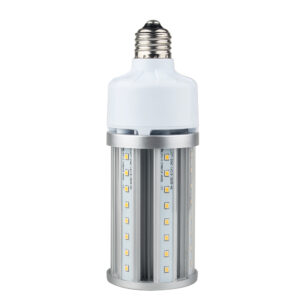
Pairing motion sensors with energy-efficient LED fixtures maximizes sustainability benefits. LEDs consume less power, have longer lifespans, and produce less heat compared to traditional incandescent or fluorescent bulbs.
Contractors should ensure that the selected LEDs are dimmable and compatible with sensor controls to enable smooth operation and avoid flickering or premature wear. This compatibility is crucial for maintaining system reliability and client satisfaction.
Troubleshooting Common Challenges in Indoor Motion Sensor Lighting
Addressing False Triggers and Sensor Blind Spots
False triggers can frustrate users and diminish the perceived value of motion sensor lighting. Common causes include pets, HVAC drafts, or reflective surfaces. Contractors can mitigate these issues by adjusting sensor angles, sensitivity settings, or employing sensor zoning techniques.
Blind spots occur when sensors fail to detect movement in certain areas. Using multiple sensors or combining sensor types can help cover these gaps, ensuring consistent lighting activation throughout the space.
Maintaining Sensor and System Reliability
Regular maintenance is essential to preserve the performance of motion sensor lighting systems. Dust accumulation, physical obstructions, or wiring issues can degrade sensor functionality over time.
Contractors should educate clients on routine cleaning and inspection procedures and offer maintenance services as part of their portfolio. Proactive upkeep not only extends system lifespan but also reinforces client trust and satisfaction.
Future Trends Lighting Contractors Should Watch
AI and Machine Learning Integration
Artificial intelligence is beginning to shape the future of motion sensor lighting by enabling systems to learn occupant behaviors and optimize lighting patterns accordingly. This technology promises to enhance energy savings and user comfort beyond traditional sensor capabilities.
Lighting contractors who stay informed about AI advancements can position themselves as leaders in smart lighting solutions, offering cutting-edge installations that adapt intelligently to client lifestyles.
Wireless and Battery-Powered Sensor Innovations
Advances in wireless technology and low-power electronics are driving the development of battery-powered motion sensors that simplify installation and expand deployment options. These sensors reduce the need for complex wiring, making retrofits and upgrades more feasible.
Contractors should explore these innovations to provide flexible, scalable solutions that meet diverse client needs and reduce installation time and costs.
Conclusion: Elevating Indoor Lighting Projects with Motion Sensor Expertise
For lighting contractors, mastering motion sensor lighting indoor technologies is a gateway to delivering smarter, more efficient, and user-friendly lighting systems. By understanding sensor types, optimizing installation practices, prioritizing energy efficiency, and staying ahead of emerging trends, contractors can significantly enhance their service offerings.
Clients increasingly demand lighting solutions that combine convenience, sustainability, and adaptability. Contractors equipped with the knowledge and skills to implement advanced motion sensor lighting will not only meet these expectations but also drive innovation within the industry.
Get Your Motion Sensor Lighting Supplies at LumenWholesale
Ready to take your indoor lighting projects to the next level with motion sensor expertise? At LumenWholesale, we provide you with the high-quality, spec-grade lighting products you need to create efficient, intelligent, and user-friendly lighting systems. Our unbeatable wholesale prices mean you can offer your clients the best value without compromising on quality. With our expansive selection that meets rigorous industry standards, you’ll find the perfect lighting solutions for any project. Plus, with free shipping on bulk orders, you can save even more while getting your products conveniently delivered to you. Elevate your service offerings and satisfy your clients’ demands for sustainable and adaptable lighting solutions. Choose LumenWholesale for Wholesale Lighting at the Best Value today.