Introduction to Cabinet Strip Lighting
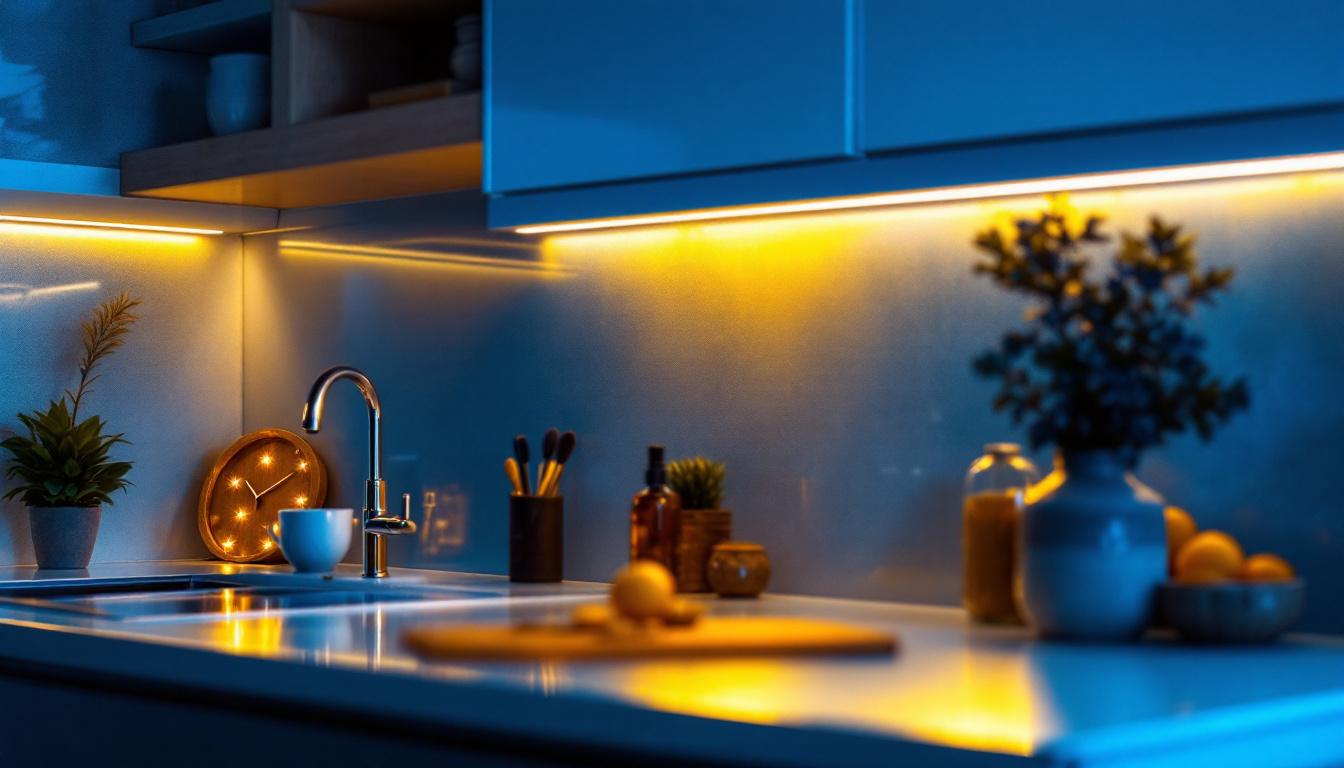
Cabinet strip lights have become an essential element in modern lighting design, especially in residential and commercial interiors. For lighting contractors, understanding the nuances of cabinet strip lighting is crucial to delivering high-quality, functional, and aesthetically pleasing installations. These lights not only enhance visibility but also add a layer of sophistication and ambiance to kitchens, offices, retail spaces, and more.
As the demand for energy-efficient and customizable lighting solutions grows, cabinet strip lights stand out due to their versatility, ease of installation, and broad range of applications. This guide aims to provide lighting contractors with a comprehensive overview of cabinet strip lights, covering types, installation best practices, technical considerations, and tips to maximize client satisfaction.
One of the most appealing aspects of cabinet strip lighting is its ability to create a seamless integration with cabinetry and furniture. Available in various lengths, colors, and brightness levels, these lights can be tailored to fit specific design themes and functional needs. For instance, warm white lights can evoke a cozy atmosphere in a home kitchen, while cooler tones may be more suitable for a sleek, modern office environment. Additionally, many strip lights now come with adjustable brightness and color temperature settings, allowing users to customize their lighting experience based on the time of day or specific activities.
Moreover, the technological advancements in LED strip lighting have significantly improved their efficiency and lifespan. Unlike traditional incandescent bulbs, LED strips consume less energy and produce minimal heat, making them a safer and more sustainable option. This not only reduces electricity costs for clients but also contributes positively to environmental sustainability. Furthermore, the ease of installation, often requiring only adhesive backing or simple mounting hardware, makes it a favorite among DIY enthusiasts and professional contractors alike. Understanding these benefits allows contractors to better inform clients about the long-term value and flexibility of incorporating cabinet strip lighting into their spaces.
Types of Cabinet Strip Lights
LED Strip Lights
LED strip lights are the most popular choice for cabinet lighting due to their energy efficiency, longevity, and low heat emission. They come in various color temperatures, from warm white to cool white, enabling contractors to tailor the lighting to the desired ambiance. Additionally, LED strips can be dimmable, offering clients control over brightness levels. This feature is particularly beneficial in kitchen environments where different tasks may require varying light intensities, from bright illumination for food preparation to softer lighting for evening gatherings.
These strips are available in different densities, measured in LEDs per meter, which affects brightness and uniformity. Higher density strips provide smoother, more continuous light, making them ideal for high-end installations where aesthetics are paramount. Moreover, many LED strips are now equipped with smart technology, allowing users to control them via smartphone apps or voice commands, further enhancing the convenience and modern appeal of this lighting option.
Fluorescent Strip Lights
While less common today, fluorescent strip lights are still used in some commercial applications. They provide bright, even illumination but are bulkier and less energy-efficient than LEDs. Fluorescent options may be suitable for contractors working on projects where budget constraints or existing infrastructure dictate their use. Additionally, these lights often require a ballast for operation, which can complicate installation and maintenance. However, they do offer a wider range of color options and can be an effective choice for environments that require consistent, high-output lighting, such as workshops or retail spaces.
Fluorescent lights also have a longer lifespan than traditional incandescent bulbs, making them a more sustainable option when considering replacement frequency. For those looking to create a more vibrant atmosphere, some fluorescent lights can be fitted with colored sleeves or filters, allowing for creative lighting designs that can enhance the overall aesthetic of a space.
Fiber Optic Cabinet Lighting
Fiber optic lighting is a niche option that offers unique design possibilities, such as color-changing effects and pinpoint illumination without heat emission inside cabinets. However, these systems are more complex to install and maintain, making them better suited for specialized projects. The versatility of fiber optics allows for intricate designs, such as starry night effects in display cabinets or accent lighting that highlights specific items without overwhelming the surrounding space.
Furthermore, fiber optic systems can be integrated with advanced control systems, enabling dynamic lighting scenarios that can change based on time of day or user preference. This adaptability makes them particularly appealing for high-end retail displays or luxury residential projects where creating a memorable visual experience is essential. Despite the initial investment, the long-term benefits of fiber optic lighting, including minimal maintenance and the ability to create stunning visual effects, can make them a worthwhile consideration for discerning clients.
Key Considerations for Lighting Contractors
Power Supply and Voltage Requirements
Understanding the power requirements of cabinet strip lights is fundamental. Most LED strips operate on low voltage, typically 12V or 24V DC, which necessitates the use of transformers or drivers to convert standard household voltage. Selecting the correct power supply ensures safety, optimal performance, and longevity of the lighting system.
Contractors must calculate the total wattage of the strip lights to avoid overloading the power supply. It’s advisable to choose a power supply with at least 20% capacity overhead to accommodate future expansions or unexpected power surges.
Installation Environment and Surface Preparation
Cabinet interiors can vary widely in material and finish, affecting the adhesion and performance of strip lights. Smooth, clean surfaces are ideal for mounting adhesive-backed LED strips. In cases where surfaces are textured or uneven, additional mounting hardware or channels may be necessary to secure the strips properly.
Moisture and temperature conditions inside cabinets, especially in kitchens or bathrooms, must also be considered. Selecting strip lights with appropriate IP ratings (Ingress Protection) ensures durability and safety in humid environments.
Lighting Placement and Beam Angle
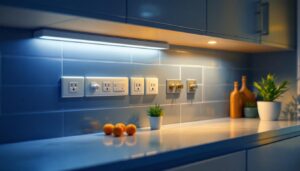
Strategic placement of strip lights is vital to avoid shadows and ensure even illumination. Common locations include under cabinet lips, inside cabinet tops, or along the back wall. The beam angle of the LEDs influences how the light spreads; wider angles create more diffuse lighting, while narrow angles provide focused illumination.
Contractors should collaborate with designers or clients to understand functional needs—whether task lighting for countertops or ambient lighting for display cabinets—and select strip lights accordingly.
Installation Best Practices
Measuring and Planning
Accurate measurement is the first step toward a successful installation. Contractors should measure the length of the cabinet surfaces to be illuminated and plan the layout to minimize cuts and connectors, which can affect both aesthetics and electrical continuity.
Planning also involves deciding on the wiring route, power supply location, and switch placement. Concealing wiring enhances the finished look and prevents accidental damage.
Cutting and Connecting Strip Lights
LED strip lights are designed to be cut at designated points, usually marked on the strip. Contractors must use sharp tools and avoid damaging the circuitry. When connecting multiple strips, soldering or using specialized connectors ensures reliable electrical connections.
It is important to test each section after cutting and connecting to verify functionality before final installation.
Securing and Protecting the Lights
While many LED strips come with adhesive backing, additional mechanical fastening may be necessary, especially in high-traffic or humid areas. Aluminum channels not only secure the strips but also act as heat sinks, prolonging LED lifespan and providing a clean, professional finish.
Applying protective covers or diffusers can soften the light output and protect the LEDs from dust and physical damage.
Advanced Features and Integration
Smart Controls and Automation
Modern cabinet strip lighting systems increasingly incorporate smart technology, allowing clients to control lighting via smartphones, voice assistants, or automated schedules. Lighting contractors should be familiar with compatible controllers and integration options to offer these advanced features.
Dimming capabilities, color tuning, and scene setting enhance user experience and add value to installations. Ensuring compatibility between strip lights, controllers, and power supplies is essential for seamless operation.
Color Temperature and Color Rendering Index (CRI)
Choosing the right color temperature affects both the functionality and mood of the space. Warm white (2700K-3000K) creates a cozy atmosphere, while cool white (4000K-5000K) is better for task-oriented areas. High CRI values (above 80) are important for accurately rendering colors, especially in kitchens and retail displays.
Contractors should advise clients on these parameters to align lighting choices with the intended use of the space.
Common Challenges and Solutions
Dealing with Voltage Drop
Voltage drop occurs when the electrical current weakens over long runs of LED strip lights, causing dimming or color shifts toward the end of the strip. To mitigate this, contractors can use thicker gauge wiring, inject power at multiple points, or select higher voltage strips (24V vs. 12V) which are less prone to voltage drop.
Heat Management
Although LED strip lights generate less heat than traditional lighting, inadequate heat dissipation can reduce their lifespan. Using aluminum channels, ensuring proper ventilation, and avoiding installation on heat-sensitive surfaces help maintain optimal operating temperatures.
Adhesion Issues
Adhesive failure is a common problem, especially on textured or dusty surfaces. Thorough cleaning before installation and using mechanical fasteners or mounting channels can prevent strips from peeling off over time.
Conclusion: Delivering Excellence in Cabinet Strip Lighting
For lighting contractors, mastering cabinet strip lighting involves a blend of technical knowledge, practical skills, and design sensibility. By understanding the different types of strip lights, power requirements, installation techniques, and advanced features, contractors can provide clients with lighting solutions that are both beautiful and functional.
Staying updated with the latest technologies and best practices ensures that installations meet safety standards and client expectations. Ultimately, well-executed cabinet strip lighting enhances spaces, improves usability, and elevates the overall lighting design.
Get Your Premium Cabinet Strip Lights at LumenWholesale
Ready to elevate your lighting projects with the finest cabinet strip lights on the market? Look no further than LumenWholesale, where we provide lighting contractors with exceptional, spec-grade lighting products at unparalleled wholesale prices. Our commitment to quality and affordability means you can access a vast selection of top-tier lighting solutions without the burden of inflated costs. Plus, with free shipping on bulk orders, you can stock up on the high-performance lighting you need while keeping your budget in check. Don’t let hidden fees or middleman markups dim your project’s potential. Choose LumenWholesale for the perfect fusion of quality, value, and convenience. Wholesale Lighting at the Best Value is just a click away.