Introduction to Ceiling Linear Lighting
Ceiling linear lights have become a cornerstone in modern commercial and residential lighting design. For lighting contractors, understanding the nuances of these fixtures is essential not only for installation but also for advising clients on the best solutions for their spaces. Linear lighting offers a sleek, continuous illumination that enhances architectural features, improves ambient light distribution, and supports energy efficiency goals.
Unlike traditional point-source lighting, ceiling linear lights provide a uniform light output along an extended length, which is ideal for creating visually appealing and functional environments. This article delves into the technical aspects, installation considerations, and emerging trends in ceiling linear lighting, tailored specifically for lighting contractors seeking to expand their expertise.
One of the key advantages of ceiling linear lighting is its versatility in design and application. These fixtures can be integrated into various settings, from open office spaces to residential kitchens, offering a contemporary aesthetic that complements modern architecture. Additionally, many linear lighting systems are available in adjustable lengths and configurations, allowing contractors to customize installations to fit specific dimensions and design requirements. The ability to dim and control these fixtures further enhances their functionality, enabling users to create different moods and atmospheres depending on the time of day or activity.
Moreover, the technological advancements in LED linear lighting have revolutionized the industry, providing energy-efficient solutions that not only reduce electricity costs but also have a longer lifespan compared to traditional lighting options. Many of these systems come equipped with smart technology, allowing for seamless integration with home automation systems. This means that contractors can offer clients the added benefit of controlling their lighting remotely, setting schedules, and even adjusting color temperatures to suit their preferences. As sustainability continues to be a priority in design, the shift towards eco-friendly linear lighting solutions is becoming increasingly significant, making it essential for contractors to stay informed about the latest products and innovations in this dynamic field.
What Are Ceiling Linear Lights?
Definition and Basic Characteristics
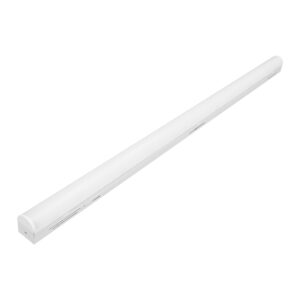
Ceiling linear lights are elongated fixtures that mount flush or recessed into ceilings, emitting light evenly along their length. They typically use LED technology, which offers superior energy efficiency, longer lifespan, and design flexibility compared to older fluorescent or incandescent options. The ability to customize the color temperature of LED lights further enhances their appeal, allowing users to choose between warm, inviting tones or cooler, more focused lighting depending on the ambiance they wish to create.
The linear form factor allows these fixtures to be installed in continuous runs or segmented configurations, adapting to various room sizes and layouts. Their slim profiles and minimalistic designs make them popular in contemporary architectural projects, from office spaces to retail environments. Moreover, the versatility of ceiling linear lights extends beyond aesthetics; they can be integrated with smart home systems, enabling features such as dimming, color changing, and scheduling, thus enhancing both functionality and user experience.
Types of Ceiling Linear Lights
There are several types of ceiling linear lights, each suited for different applications:
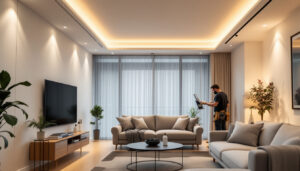
- Recessed Linear Lights: Installed within the ceiling cavity, these lights create a clean, integrated look without protruding elements. This type is particularly favored in modern homes and commercial spaces where a sleek, unobtrusive lighting solution is desired.
- Surface-Mounted Linear Lights: Attached directly to the ceiling surface, these are easier to retrofit and ideal where ceiling depth is limited. They can also serve as a decorative feature, with various designs available to complement different interior styles.
- Suspended Linear Lights: Hung from the ceiling by cables or rods, these fixtures add a design element and are often used in open-plan offices or commercial spaces. Their height can be adjusted to create dynamic lighting effects and to enhance the spatial perception of a room.
Understanding these types helps contractors recommend the best option based on client needs, ceiling construction, and aesthetic preferences. Additionally, the choice of ceiling linear lights can significantly influence the overall mood and functionality of a space. For instance, in a workspace, the right lighting can reduce eye strain and increase productivity, while in a retail setting, it can highlight products and create an inviting atmosphere. As such, the selection process often involves careful consideration of not just the fixture type, but also the specific lighting requirements and design goals of the environment.
Technical Considerations for Lighting Contractors
Light Output and Distribution
One of the primary advantages of ceiling linear lighting is its ability to deliver uniform illumination across a space. Contractors should consider lumen output, color temperature, and beam angle when selecting fixtures.
LED linear lights typically range from 1,000 to over 5,000 lumens per fixture, which can be adjusted by varying the length or number of fixtures in a run. Color temperatures between 3000K and 4000K are common for commercial settings, balancing warmth and clarity. Additionally, diffuser options influence light distribution, reducing glare and creating softer ambient light. The choice of diffuser can significantly affect the ambiance of a room; for instance, frosted diffusers tend to soften harsh shadows, making them ideal for spaces where comfort and aesthetics are paramount, such as offices or retail environments. Moreover, understanding the specific needs of the space can guide the selection of fixtures that not only illuminate but also enhance the overall design.
Energy Efficiency and Controls
Energy consumption is a critical factor for clients aiming to reduce operational costs and meet sustainability goals. LED linear lights consume significantly less power than traditional lighting, with many models achieving efficacy rates above 100 lumens per watt.
Advanced control options such as dimming, occupancy sensors, and daylight harvesting integration further enhance energy savings. Contractors should be familiar with compatible control systems and wiring requirements to ensure seamless installation and operation. The integration of smart lighting controls can also provide users with the flexibility to customize their lighting experience, allowing for different moods or tasks within the same space. For example, in a conference room, the ability to dim lights during presentations while maintaining adequate illumination for note-taking can enhance functionality and comfort. Furthermore, educating clients on the long-term savings associated with these technologies can help justify the initial investment and promote a more sustainable approach to lighting design.
Installation Challenges and Best Practices
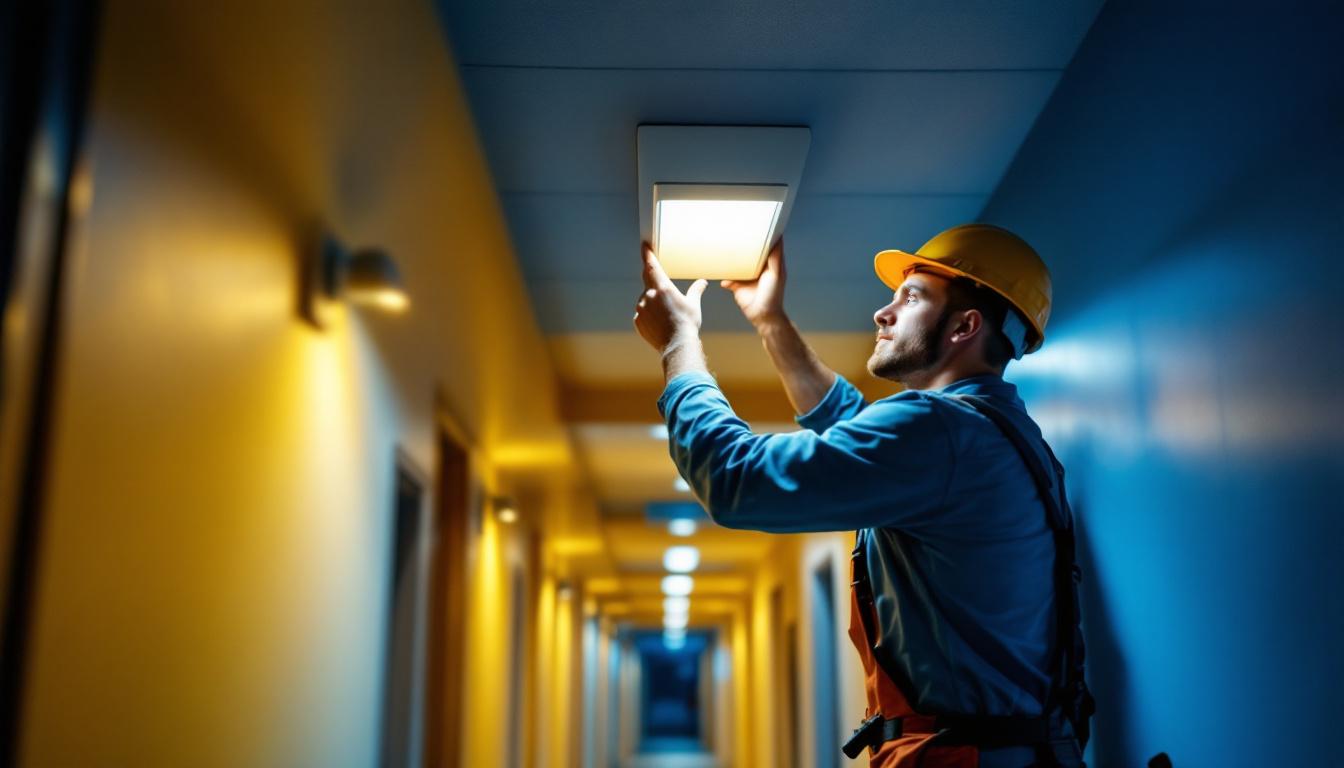
Installing ceiling linear lights demands precision and planning. For recessed fixtures, verifying ceiling cavity dimensions and ensuring proper mounting hardware is vital. Surface-mounted and suspended types require secure attachment points and consideration of ceiling materials.
Wiring must comply with local electrical codes, and contractors should plan for access to drivers and controls for maintenance. Additionally, coordinating with other trades, such as HVAC and ceiling installers, helps avoid conflicts and ensures a smooth workflow. It is also beneficial to conduct a thorough site assessment before installation begins, as this can reveal potential obstacles such as existing ductwork or electrical conduits that may interfere with the placement of new fixtures. Furthermore, providing clear communication with the client throughout the installation process can help manage expectations and facilitate any necessary adjustments to the lighting plan, ensuring that the final outcome meets their vision and functional requirements.
Applications and Design Integration
Commercial Spaces
In offices, retail stores, and hospitality venues, ceiling linear lights enhance both functionality and aesthetics. They provide consistent task lighting, reduce shadows, and contribute to a modern, professional atmosphere.
For example, in open-plan offices, continuous linear lighting can define work zones and improve visual comfort, reducing eye strain and boosting productivity. Retail environments benefit from flexible lighting layouts that highlight merchandise and create inviting spaces.
Residential and Specialty Applications
While less common in residential settings, ceiling linear lights are gaining popularity in kitchens, home offices, and corridors where clean, unobtrusive lighting is desired. Specialty applications include galleries and museums, where linear lighting can accentuate artwork without harsh shadows.
Lighting contractors should be prepared to discuss these possibilities with clients, emphasizing customization options such as tunable white LEDs and integration with smart home systems.
Emerging Trends and Innovations
Smart Lighting Integration
The rise of smart building technologies has influenced ceiling linear lighting design. Fixtures now often come with integrated sensors and wireless connectivity, enabling dynamic lighting scenes, energy monitoring, and remote control via apps or building management systems.
For contractors, this means expanding skill sets to include programming and troubleshooting smart lighting networks, as well as advising clients on the benefits and limitations of these systems.
Human-Centric Lighting
Human-centric lighting (HCL) focuses on supporting circadian rhythms and occupant well-being through adjustable color temperatures and intensities. Ceiling linear lights equipped with tunable white LEDs can simulate natural daylight patterns, enhancing mood and productivity.
Contractors should understand the science behind HCL and be able to recommend suitable products and control strategies for clients interested in wellness-oriented lighting solutions.
Sustainability and Material Advances
Environmental considerations are driving innovation in fixture materials and manufacturing processes. Many ceiling linear lights now feature recyclable components, low-VOC finishes, and designs that facilitate easy disassembly for recycling.
Contractors can leverage these attributes to support clients’ green building certifications such as LEED or WELL, adding value to their services and projects.
Conclusion: Maximizing Value as a Lighting Contractor
Ceiling linear lighting represents a versatile and sophisticated option for a wide range of projects. For lighting contractors, mastering the technical specifications, installation techniques, and emerging trends is crucial to delivering high-quality solutions that meet client expectations.
By staying informed about product innovations, energy codes, and design principles, contractors can position themselves as trusted advisors in the lighting industry. This expertise not only enhances project outcomes but also fosters long-term client relationships and business growth.
Ultimately, ceiling linear lights are more than just fixtures—they are integral components of modern lighting strategies that combine aesthetics, functionality, and sustainability. Lighting contractors who embrace this comprehensive understanding will be well-equipped to lead successful installations and contribute meaningfully to the evolving landscape of architectural lighting.
Discover Unmatched Value with LumenWholesale
Ready to elevate your lighting projects with the finest ceiling linear lights on the market? Look no further than LumenWholesale, where we provide contractors with exceptional, spec-grade lighting solutions at unbeatable wholesale prices. Our commitment to quality and affordability ensures that you can access a vast array of premium lighting products without the burden of inflated costs. Plus, with the convenience of free shipping on bulk orders, you can enjoy the best value without any hidden fees. Embrace the perfect fusion of quality, affordability, and convenience. Visit LumenWholesale today and experience Wholesale Lighting at the Best Value for all your project needs.