Understanding Commercial Exterior LED Flood Lights
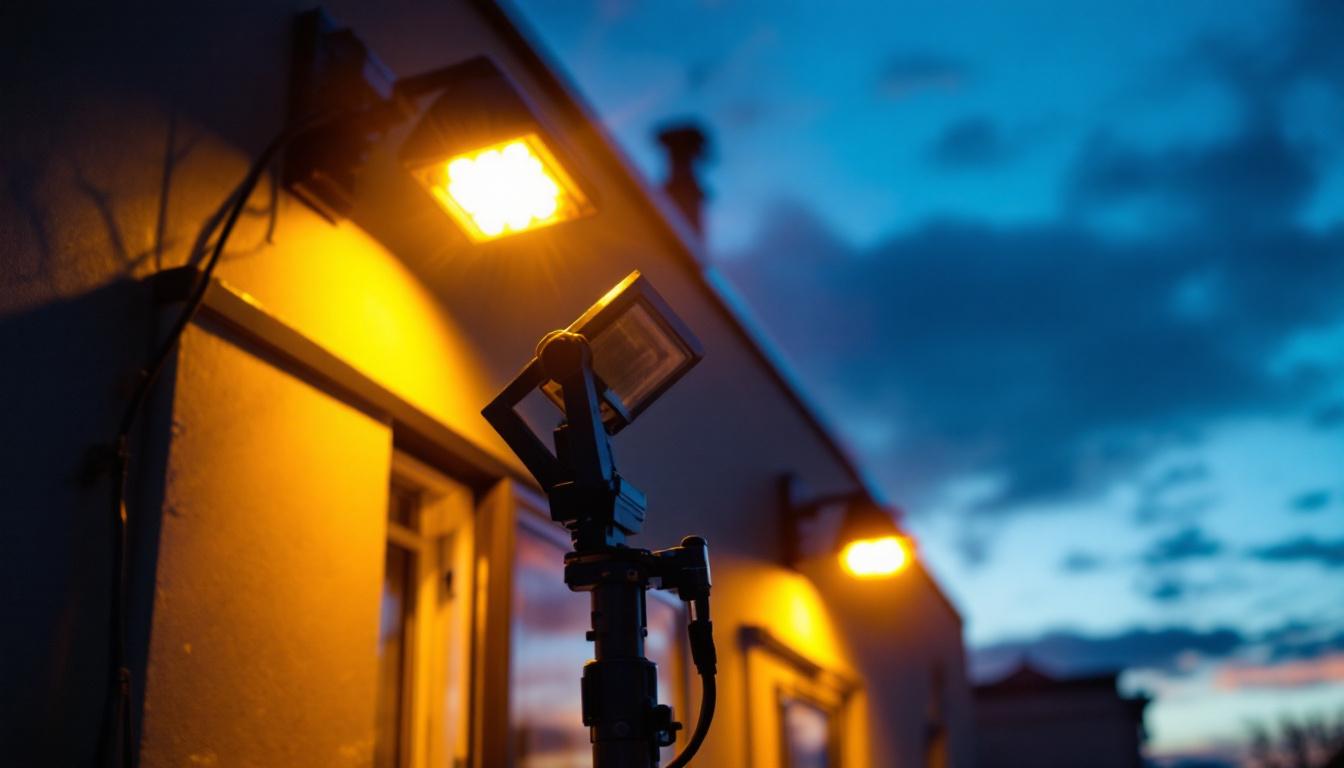
For lighting contractors, selecting the right commercial exterior LED flood lights is a critical decision that impacts both functionality and client satisfaction. These lighting fixtures are designed to illuminate broad outdoor areas such as parking lots, building facades, sports arenas, and security perimeters. Unlike traditional flood lights, LED technology offers enhanced energy efficiency, longer lifespan, and superior light quality.
LED flood lights use light-emitting diodes to produce bright, focused illumination with minimal energy consumption. This makes them ideal for commercial applications where consistent, high-quality lighting is essential. Understanding the technical specifications, performance characteristics, and installation requirements of LED flood lights enables contractors to recommend and implement solutions that meet diverse client needs.
Key Features of LED Flood Lights
When evaluating LED flood lights, contractors should consider several critical features. These include lumen output, color temperature, beam angle, IP rating (Ingress Protection), and mounting options. Lumen output determines the brightness, which can range from a few thousand lumens for small areas to over 50,000 lumens for large-scale applications.
Color temperature affects the ambiance and visibility, typically measured in Kelvins (K). Commercial flood lights often range between 4000K (neutral white) and 6000K (daylight), providing clear visibility without harsh glare. Beam angle influences the spread of light, with narrower angles suitable for spotlighting and wider angles for general area illumination.
Additionally, the IP rating is crucial for outdoor installations, as it indicates the fixture’s resistance to dust and moisture. A higher IP rating, such as IP65 or IP67, ensures that the flood lights can withstand harsh weather conditions, making them suitable for various environments, from coastal areas with salty air to regions with heavy rainfall. Furthermore, mounting options such as adjustable brackets or pole mounts can enhance flexibility in positioning the lights for optimal coverage, ensuring that every corner of a commercial space is well-lit and secure.
Another significant aspect to consider is the dimming capability of LED flood lights. Many modern fixtures offer dimmable options, allowing contractors to provide clients with customizable lighting solutions that can adapt to different needs throughout the day. For instance, during peak hours, brighter settings can enhance safety and visibility, while dimmer settings during off-peak hours can save energy and reduce light pollution. This versatility not only improves the overall functionality of the lighting system but also aligns with sustainable practices that many businesses are now prioritizing.
Benefits of LED Flood Lights in Commercial Settings
LED flood lights offer numerous advantages over traditional lighting technologies such as metal halide or high-pressure sodium lamps. These benefits are especially relevant to lighting contractors aiming to provide cost-effective, durable, and environmentally friendly solutions.
Energy Efficiency and Cost Savings
One of the most compelling reasons to choose LED flood lights is their energy efficiency. LEDs consume significantly less power—up to 75% less compared to conventional lighting—while delivering equivalent or superior brightness. This translates into substantial operational cost savings for commercial clients, especially in applications requiring extended hours of illumination.
Additionally, LED lights have a longer lifespan, often exceeding 50,000 hours, which reduces maintenance frequency and replacement costs. For large commercial installations, these savings accumulate rapidly, making LED flood lights a financially sound investment. The reduced need for frequent replacements also minimizes downtime, ensuring that businesses can maintain a consistent and safe environment for both employees and customers. Furthermore, many utility companies offer rebates for businesses that switch to energy-efficient lighting solutions, providing an additional financial incentive to make the switch to LED technology.
Enhanced Safety and Security
Proper exterior lighting is essential for safety and security in commercial environments. LED flood lights provide bright, uniform illumination that helps deter criminal activity and improves visibility for surveillance cameras. Their instant-on capability ensures there is no warm-up time, which is critical for security lighting that needs to activate immediately upon motion detection or during emergencies.
Moreover, the ability to integrate LED flood lights with smart controls and sensors allows for adaptive lighting strategies. For example, dimming during low-traffic hours and brightening when motion is detected enhances security while conserving energy. This smart technology can also be programmed to follow specific schedules, ensuring that lighting is optimized for peak business hours while reducing energy consumption during off-peak times. Additionally, the use of motion sensors not only enhances safety but also contributes to a more sustainable approach by ensuring lights are only on when needed, further extending the lifespan of the fixtures and reducing overall energy usage.
Technical Considerations for Lighting Contractors
Successful installation and optimization of commercial exterior LED flood lights require a thorough understanding of technical aspects. Lighting contractors must assess site-specific factors and client requirements to design effective lighting solutions.
Assessing Lighting Requirements
Before selecting flood lights, contractors should conduct a comprehensive lighting audit. This includes measuring the area size, identifying potential obstructions, and understanding the purpose of the lighting—whether for security, aesthetics, or functional illumination.
Standards and guidelines, such as those from the Illuminating Engineering Society (IES), provide recommended illumination levels for various commercial applications. For example, parking lots generally require 1 to 2 foot-candles of illumination, while building facades may require higher levels to highlight architectural features. In addition to these standards, contractors should also consider the specific activities that will take place in the illuminated areas. For instance, areas designated for pedestrian traffic may require brighter lighting to ensure safety, while decorative lighting may prioritize aesthetics over functionality. Engaging with clients to understand their vision and needs can lead to a more tailored lighting solution that aligns with both safety and design objectives.
Choosing the Right Fixtures and Accessories
Once requirements are established, contractors must select fixtures that meet these needs. Factors such as wattage, lumen output, beam angle, and color temperature should align with the project goals. Additionally, the IP rating is crucial for outdoor installations; a rating of IP65 or higher ensures protection against dust and water ingress.
Mounting options, including wall mounts, pole mounts, and adjustable brackets, affect installation flexibility and light distribution. Contractors should also consider accessories like glare shields, diffusers, and motion sensors to enhance performance and user experience. The choice of color temperature can also significantly impact the ambiance of the area; for instance, cooler temperatures (5000K and above) are often preferred for security applications, while warmer temperatures (3000K to 4000K) can create a more inviting atmosphere for social spaces. Furthermore, the integration of smart lighting technology can allow for remote control and scheduling, providing added convenience and adaptability to changing needs.
Wiring and Electrical Considerations
Proper electrical design is essential for safety and functionality. LED flood lights typically operate on low voltage DC power, but many commercial fixtures are designed for standard AC supply. Contractors must ensure compatibility with existing electrical infrastructure and comply with local electrical codes.
Incorporating surge protection devices is advisable to safeguard LED drivers and circuitry from voltage spikes. Additionally, integrating lighting controls such as photocells, timers, and occupancy sensors can optimize energy usage and extend the lifespan of the fixtures. Beyond these considerations, contractors should also evaluate the potential for energy-efficient solutions such as solar-powered flood lights, which can significantly reduce operational costs and enhance sustainability. As energy regulations become increasingly stringent, staying informed about advancements in lighting technology and energy management systems is essential for contractors aiming to provide cutting-edge solutions that meet both client expectations and environmental standards.
Installation Best Practices
Installation quality directly influences the performance and longevity of commercial exterior LED flood lights. Lighting contractors should follow industry best practices to ensure optimal results.
Site Preparation and Safety Measures
Before installation, the site should be thoroughly inspected for hazards and obstructions. Proper scaffolding or lifts may be required for mounting fixtures at height. Safety protocols, including personal protective equipment (PPE) and lockout/tagout procedures, must be strictly followed to prevent accidents.
Mounting and Alignment
Correct mounting height and angle are critical to achieving uniform illumination and minimizing light pollution. Contractors should use photometric data provided by manufacturers to position fixtures accurately. Adjustable mounts allow fine-tuning after installation to optimize light distribution.
Ensuring secure attachment to structural elements prevents fixture movement due to wind or vibration, which could degrade lighting quality or cause damage over time.
Testing and Commissioning
After installation, thorough testing verifies that all fixtures operate correctly and meet design specifications. This includes checking brightness levels, beam angles, and control system functionality. Documenting these results provides a reference for future maintenance and client assurance.
Emerging Trends and Innovations in LED Flood Lighting
The commercial lighting industry continues to evolve rapidly, with new technologies enhancing the capabilities of LED flood lights. Staying informed about these trends enables lighting contractors to offer cutting-edge solutions to their clients.
Smart Lighting and IoT Integration
Smart LED flood lights equipped with Internet of Things (IoT) technology allow remote monitoring and control via mobile apps or centralized management systems. Features such as adaptive dimming, scheduling, and fault detection improve energy efficiency and reduce maintenance costs.
Integration with building management systems (BMS) enables coordinated control of lighting, security, and other infrastructure, creating smarter, safer commercial environments.
Advanced Optics and Light Quality Improvements
Innovations in lens design and reflector technology have enhanced the precision and uniformity of LED flood light beams. This results in reduced glare and light spill, improving visual comfort and minimizing environmental impact.
High color rendering index (CRI) LEDs are increasingly available, providing more natural and vibrant illumination that benefits both aesthetics and security.
Sustainability and Environmental Considerations
As sustainability becomes a priority, contractors are turning to LED flood lights with eco-friendly certifications such as Energy Star and DLC (DesignLights Consortium). These products meet stringent efficiency and performance criteria, supporting clients’ green building goals.
Additionally, the reduction of light pollution through better fixture design and directional lighting aligns with community standards and regulatory requirements.
Conclusion: Maximizing Value for Clients with Commercial Exterior LED Flood Lights
For lighting contractors, mastering the selection, installation, and maintenance of commercial exterior LED flood lights is essential to delivering high-quality, cost-effective lighting solutions. By understanding technical specifications, adhering to best practices, and embracing emerging technologies, contractors can enhance safety, reduce energy consumption, and improve the overall aesthetic of commercial properties.
Successful projects not only satisfy client expectations but also contribute to sustainable urban environments. As LED technology continues to advance, lighting contractors who stay informed and adaptable will remain at the forefront of the commercial lighting industry.
Get Your Premium LED Flood Lights at LumenWholesale
Ready to elevate your lighting projects with the highest quality LED flood lights? Look no further than LumenWholesale. Our spec-grade lighting products are designed to meet the rigorous demands of commercial applications, ensuring you deliver excellence to your clients. With unbeatable wholesale prices and the convenience of free shipping on bulk orders, LumenWholesale is your go-to source for cost-effective, reliable lighting solutions. Say goodbye to inflated markups and hidden fees, and hello to the perfect blend of quality, affordability, and convenience. Discover the best value in wholesale lighting today and light up your projects with confidence.