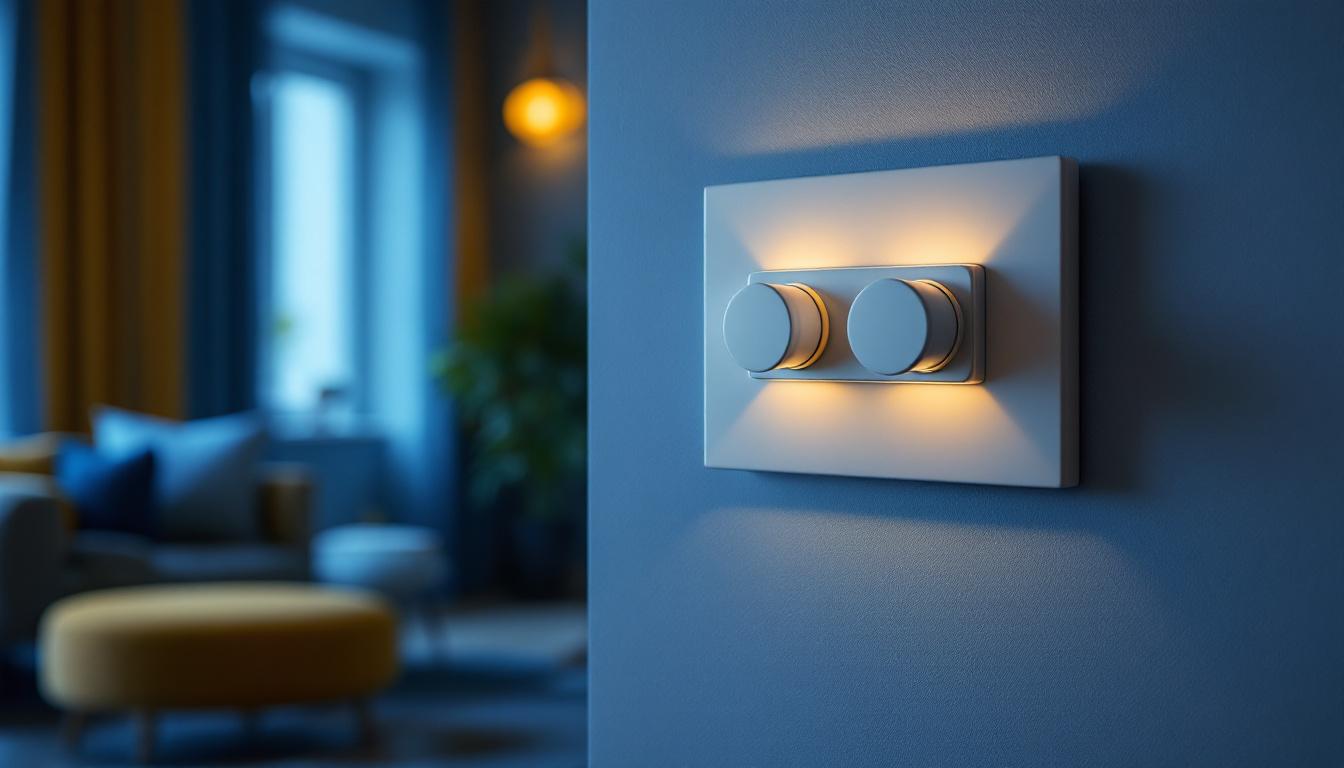
Understanding the Role of Switches in Energy-Efficient Lighting
When discussing energy-efficient lighting, the focus often falls on bulbs, fixtures, and control systems. However, the humble switch plays a pivotal role in optimizing energy use and enhancing lighting performance. For lighting contractors, understanding how switches interact with modern lighting technologies is essential for delivering solutions that meet both client expectations and sustainability goals.
Switches are the primary interface between users and lighting systems. Their design, functionality, and compatibility with lighting technologies directly impact energy consumption. For example, traditional mechanical switches simply turn lights on or off, but advances in switch technology now offer dimming, occupancy sensing, and integration with smart home systems, all contributing to more efficient lighting management. These innovations not only enhance user experience but also promote a more sustainable approach to energy consumption, aligning with the growing demand for eco-friendly solutions.
Why Switch Choice Matters in Energy Efficiency
Choosing the right switch is not just about aesthetics or user convenience; it significantly influences energy savings. Inefficient switching can lead to unnecessary power draw, reduced lifespan of lighting components, and diminished control over lighting levels. For instance, pairing incompatible dimmer switches with LED bulbs can cause flickering, reduced dimming range, or even damage to the bulb, negating energy-saving benefits. Additionally, the selection of materials and construction quality in switches can affect their durability and performance, making it essential for contractors to prioritize high-quality options that are designed to work seamlessly with modern lighting technologies.
Moreover, switches with advanced features such as occupancy sensors or daylight harvesting controls can automatically adjust lighting based on presence or ambient light levels, ensuring lights are only on when needed. These technologies reduce wasted energy and contribute to lower operational costs, making them attractive options for commercial and residential projects alike. The integration of smart switches into home automation systems further enhances this capability, allowing users to control their lighting remotely or set schedules that align with their daily routines. This level of control not only maximizes energy efficiency but also enhances the overall comfort and convenience of living spaces, making energy-efficient lighting solutions more appealing to a broader audience.
Types of Switches and Their Impact on Lighting Efficiency
Lighting contractors must be familiar with various switch types to recommend and install systems that maximize energy efficiency. Each switch type offers different benefits and considerations depending on the application and lighting technology used.
Mechanical On/Off Switches
The most basic and widely used switches are mechanical on/off models. While simple and reliable, they provide no control beyond turning lights fully on or off. This limitation means that energy savings depend entirely on user behavior. In spaces with irregular occupancy, mechanical switches may lead to lights being left on unnecessarily, increasing energy consumption. Furthermore, in commercial settings, the tendency for employees to forget to turn off lights can lead to significant waste over time, prompting many businesses to seek more efficient alternatives.
Dimmer Switches
Dimmer switches allow users to adjust light intensity, which can significantly reduce energy use when lights are not needed at full brightness. Modern dimmers designed for LED and CFL bulbs maintain compatibility and performance, avoiding issues like flickering or buzzing. For contractors, specifying dimmers that match the lighting load and bulb type is critical to ensure optimal operation and energy savings. In addition to energy efficiency, dimmers can enhance the ambiance of a space, allowing users to create the perfect atmosphere for various activities, from focused work to relaxed gatherings.
Energy savings from dimming are substantial; reducing light output by 50% can cut energy use by approximately 40-50%, depending on the technology. Additionally, dimming extends bulb life by reducing electrical stress, lowering maintenance costs over time. The ability to customize lighting levels not only contributes to energy conservation but also promotes well-being, as studies have shown that appropriate lighting can improve mood and productivity in both residential and commercial environments.
Occupancy and Vacancy Sensors
Occupancy sensors automatically turn lights on when a space is occupied and off when it is vacant, eliminating the reliance on manual switching. Vacancy sensors require manual activation but automatically turn lights off after a period of inactivity. Both types help prevent energy waste in areas with intermittent use, such as restrooms, conference rooms, and storage areas. These sensors can be particularly beneficial in large facilities where monitoring every light switch can be impractical, ensuring that energy is used only when necessary.
For contractors, integrating sensors with compatible lighting systems ensures seamless operation and maximizes energy savings. Proper sensor placement and sensitivity adjustment are crucial to avoid false triggers or missed activations, which can affect user satisfaction and energy efficiency. Additionally, the integration of occupancy sensors with other building systems, such as HVAC, can lead to further energy reductions by optimizing heating and cooling based on occupancy patterns.
Smart Switches and Integrated Controls
Smart switches offer advanced control options, including remote operation, scheduling, scene setting, and integration with building management systems or smart home platforms. These switches enable precise control over lighting, adapting to occupant behavior and environmental conditions to optimize energy use. The convenience of controlling lighting from a smartphone or voice-activated device adds a layer of user-friendliness that appeals to tech-savvy consumers and businesses alike.
Lighting contractors play a vital role in selecting and programming smart switches to align with client needs and project goals. With growing demand for connected lighting solutions, expertise in smart switch technologies is increasingly valuable. As smart lighting systems continue to evolve, contractors must stay informed about the latest advancements, such as energy monitoring capabilities and integration with renewable energy sources, to provide clients with comprehensive solutions that not only enhance convenience but also contribute to sustainability efforts.
Compatibility Considerations: Matching Switches with Lighting Technologies
One of the most critical aspects of specifying switches is ensuring compatibility with the lighting technology in use. LEDs, CFLs, incandescent, and halogen bulbs each have unique electrical characteristics that influence switch performance.
LED Lighting and Switch Compatibility
LEDs are the most energy-efficient lighting option available today, but they require careful switch selection. Not all dimmer switches designed for incandescent bulbs work well with LEDs. Using incompatible dimmers can cause flickering, limited dimming range, or premature failure of LEDs.
Contractors should select LED-compatible dimmers that support low wattage loads and offer smooth dimming curves. Additionally, some LEDs require specific types of dimming technologies, such as trailing-edge or leading-edge dimmers, to operate correctly.
CFL Lighting and Switching Challenges
Compact fluorescent lamps (CFLs) also have compatibility issues with certain dimmers and switches. Many CFLs are not dimmable, and using them with dimmer switches can damage the bulb or reduce lifespan. For dimmable CFLs, specialized dimmers are necessary to avoid performance problems.
Incandescent and Halogen Bulbs
Traditional incandescent and halogen bulbs are generally compatible with most mechanical and dimmer switches, but their energy efficiency is lower compared to LEDs and CFLs. While dimming these bulbs reduces energy use, contractors should encourage clients to transition to more efficient lighting technologies for long-term savings.
Installation Best Practices for Energy-Efficient Switches
Proper installation is essential to realize the full energy-saving potential of advanced switches. Lighting contractors must adhere to best practices to ensure safety, functionality, and user satisfaction.
Wiring and Load Considerations
Switches must be wired correctly to avoid electrical hazards and ensure reliable operation. Contractors should verify load ratings and ensure that switches are compatible with the total wattage of connected lighting. Overloading switches can cause overheating and failure.
For dimmers and smart switches, proper wiring includes neutral connections where required and adherence to manufacturer instructions. Incorrect wiring can lead to malfunction or damage to both the switch and lighting fixtures.
Sensor Placement and Calibration
When installing occupancy or vacancy sensors, placement is critical. Sensors should cover the intended area without interference from obstacles or direct sunlight, which can cause false triggers. Sensitivity and time delay settings should be calibrated to balance energy savings with occupant comfort.
User Education and Documentation
Educating clients on the operation and benefits of energy-efficient switches enhances satisfaction and encourages proper use. Providing documentation, including user manuals and maintenance tips, helps clients maximize the lifespan and efficiency of their lighting systems.
Emerging Trends and Innovations in Lighting Switch Technology
The lighting industry continues to evolve rapidly, with new switch technologies emerging that offer even greater energy savings and user control. Staying informed about these trends enables contractors to provide cutting-edge solutions.
Wireless and Battery-Free Switches
Wireless switches eliminate the need for extensive wiring, simplifying installation and enabling flexible control options. Some innovative models use energy harvesting technology to operate without batteries, reducing maintenance and environmental impact.
Integration with IoT and Building Automation
Switches integrated with the Internet of Things (IoT) and building automation systems allow for centralized control, data analytics, and adaptive lighting strategies. These systems can optimize lighting schedules, respond to occupancy patterns, and integrate with HVAC and security systems for holistic energy management.
Human-Centric Lighting Controls
Advances in human-centric lighting focus on adjusting light quality and intensity to support occupant well-being. Switches that enable dynamic tuning of color temperature and brightness contribute to healthier indoor environments while maintaining energy efficiency.
Conclusion: Empowering Lighting Contractors to Lead in Energy Efficiency
For lighting contractors, mastering the nuances of switch technology is crucial in delivering energy-efficient lighting solutions that meet modern demands. From selecting compatible switches and ensuring proper installation to embracing emerging innovations, contractors are at the forefront of enabling sustainable lighting practices.
By prioritizing switch functionality and compatibility, contractors can enhance energy savings, improve user experience, and contribute to broader environmental goals. As lighting technologies continue to advance, staying informed and adaptable will ensure contractors remain valuable partners in the transition to smarter, greener lighting systems.
Discover Unmatched Value in Switch Technology with LumenWholesale
Ready to elevate your lighting projects with the most efficient switch technology on the market? Look no further than LumenWholesale. Our commitment to providing contractors with superior, spec-grade lighting products at unbeatable wholesale prices ensures that you can implement the energy-efficient solutions discussed here without breaking the bank. With LumenWholesale, you’ll find an extensive selection that meets the highest industry standards, paired with the convenience of free shipping on bulk orders. Don’t miss out on the opportunity to enhance your lighting systems while adhering to sustainability goals. Take the next step towards cost-effective, high-quality lighting by visiting Wholesale Lighting at the Best Value today.