Introduction to Spa Bathroom Lighting
In the realm of residential and commercial bathroom design, spa bathrooms have surged in popularity due to their emphasis on relaxation, luxury, and wellness. For lighting contractors, this trend presents a unique opportunity to blend technical expertise with creative design to transform ordinary bathrooms into serene spa-like retreats. Understanding the nuances of spa bathroom lighting is essential for delivering installations that not only meet functional requirements but also enhance the ambiance and user experience.
Spa bathroom lighting is more than just illumination; it’s about creating an environment that promotes calmness and rejuvenation. This requires a strategic approach that balances natural and artificial light, considers color temperature, and integrates smart lighting controls. For contractors, mastering these elements can elevate their service offering and position them as specialists in high-end bathroom projects.
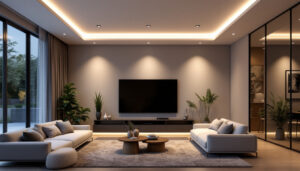
One of the key aspects of spa bathroom lighting is the incorporation of layered lighting techniques. This involves using a combination of ambient, task, and accent lighting to create a well-rounded and inviting space. Ambient lighting provides overall illumination, often achieved through ceiling fixtures or recessed lights, while task lighting focuses on specific areas such as vanities and mirrors, ensuring that users can perform grooming tasks with ease. Accent lighting, on the other hand, can highlight architectural features or decorative elements, adding a touch of elegance and sophistication to the overall design. By thoughtfully integrating these layers, contractors can create a dynamic lighting scheme that adapts to various activities and moods.
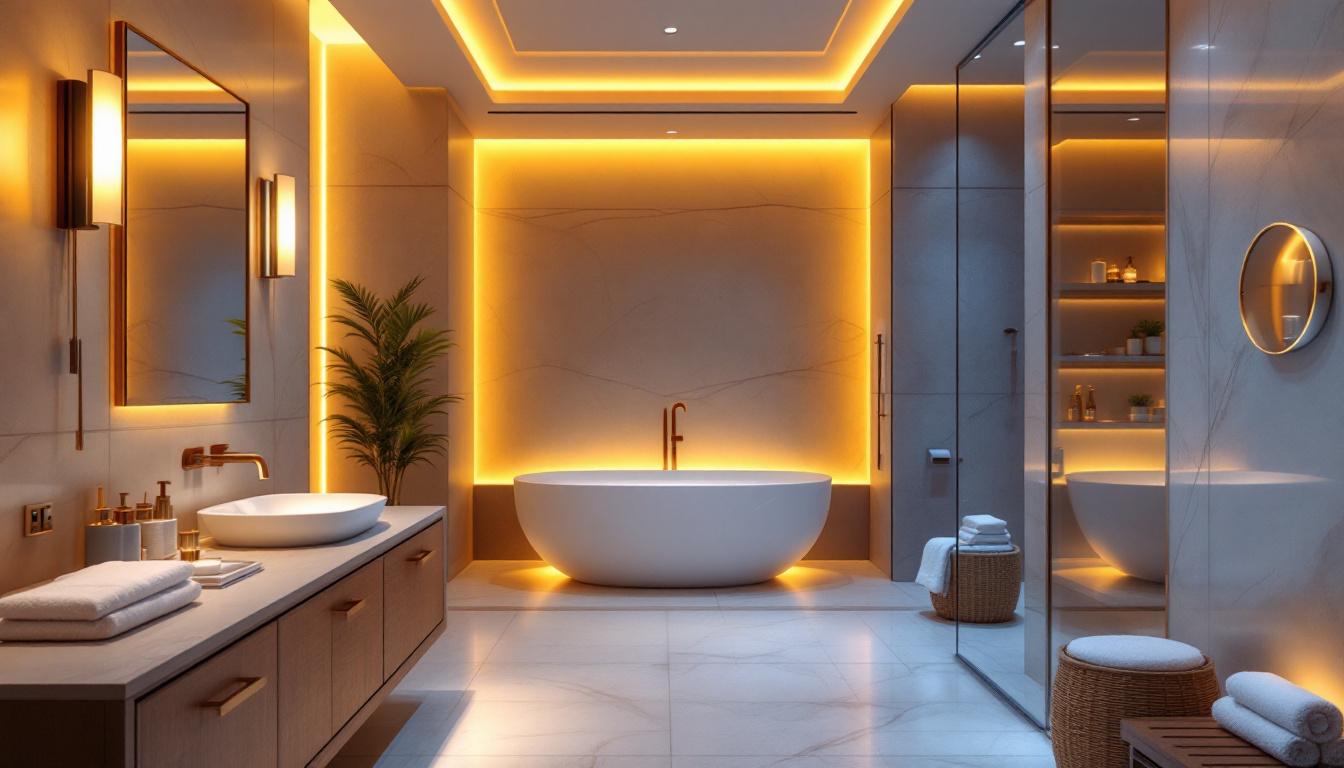
Moreover, the choice of fixtures and their placement plays a crucial role in achieving the desired spa-like atmosphere. Soft, diffused light sources, such as wall sconces or pendant lights, can soften harsh shadows and create a warm glow that enhances the feeling of tranquility. Additionally, the use of dimmers allows users to adjust the brightness according to their preferences, transitioning from bright, energizing light during morning routines to softer, more relaxing illumination for evening baths. Incorporating elements like LED strips under vanities or around soaking tubs can also add a modern touch while providing gentle, indirect lighting that enhances the overall spa experience.
Key Principles of Spa Bathroom Lighting
Balancing Functionality and Ambiance
Lighting in a spa bathroom must serve dual purposes: providing sufficient illumination for practical tasks such as grooming and cleaning, while also fostering a tranquil atmosphere conducive to relaxation. This balance is achieved through layered lighting, which involves combining ambient, task, and accent lighting.
Ambient lighting offers general illumination, typically through recessed ceiling fixtures or diffused overhead lights. Task lighting focuses on specific areas like vanities and mirrors, ensuring users have clear visibility for activities such as shaving or applying makeup. Accent lighting highlights architectural features, artwork, or decorative elements, adding depth and visual interest to the space. For instance, strategically placed LED strips under floating vanities or around bathtubs can create a soft glow that enhances the overall aesthetic while providing a gentle guide for movement in the room.
In addition to these lighting types, incorporating natural light through strategically placed windows or skylights can further enhance the spa-like feel of the bathroom. Natural light not only contributes to the overall ambiance but also has a positive psychological impact, helping to regulate circadian rhythms and improve mood. When designing a spa bathroom, consider the orientation of windows and the use of frosted glass to maintain privacy while still allowing sunlight to filter through.
Color Temperature and Its Psychological Impact
Color temperature plays a critical role in spa bathroom lighting design. Measured in Kelvins (K), it influences the mood and perception of the space. Warm white light (2700K to 3000K) is often preferred in spa settings because it creates a cozy, inviting atmosphere that encourages relaxation. Cooler temperatures (above 4000K) tend to feel clinical and are generally avoided in spa bathrooms.
Lighting contractors should recommend fixtures with adjustable color temperature or integrate tunable white LED solutions. This flexibility allows users to customize the lighting according to their needs—brighter, cooler light for morning routines and softer, warmer light for evening unwinding. Additionally, the use of color-changing LED bulbs can introduce an element of personalization, allowing users to select hues that resonate with their mood or the time of day, creating a dynamic and engaging environment.
Furthermore, the psychological effects of color temperature extend beyond mere aesthetics. Research has shown that warmer lighting can promote feelings of calmness and comfort, while cooler lighting can enhance alertness and focus. This understanding can guide homeowners in selecting the right lighting scheme that not only complements their design preferences but also supports their daily routines and emotional well-being.
Importance of Dimming Controls
Dimmers are indispensable in spa bathroom lighting systems. They provide the ability to modulate light intensity, which is essential for transitioning from functional tasks to relaxation modes. Installing high-quality dimming controls enhances user comfort and energy efficiency.
Modern dimmers compatible with LED technology offer smooth, flicker-free adjustments and can be integrated with smart home systems for remote operation. Lighting contractors should ensure that dimmers are compatible with the selected fixtures to avoid issues such as buzzing or reduced lifespan. Moreover, incorporating motion sensors can further enhance the functionality of dimming systems, allowing lights to automatically adjust based on occupancy and time of day, ensuring that the space remains inviting and energy-efficient.
In addition to traditional dimmers, consider the integration of scene-setting controls that allow users to pre-program specific lighting scenarios for different activities, such as a bright setting for morning routines or a soft, warm glow for evening baths. This level of customization not only enhances the user experience but also reinforces the spa-like atmosphere that many homeowners seek in their bathrooms, making every visit feel like a mini-retreat from the outside world.
Lighting Fixtures Ideal for Spa Bathrooms
Recessed Lighting for Subtle Illumination
Recessed lights are a staple in spa bathroom design due to their unobtrusive appearance and ability to provide uniform ambient light. When strategically placed, they eliminate shadows and create a clean, open feel.
Contractors should opt for fixtures with high Color Rendering Index (CRI) values—above 90 is ideal—to ensure colors appear natural and vibrant. Additionally, selecting wet-location rated recessed lights ensures safety and durability in the humid bathroom environment.
Vanity Lighting: Enhancing Grooming Tasks
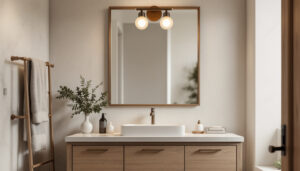
Vanity lighting requires careful consideration to minimize shadows on the face. The best approach involves installing lights on either side of the mirror at eye level or a combination of overhead and side lighting. This setup evenly illuminates facial features, facilitating precise grooming.
LED sconces or vertical fixtures with diffusers are popular choices. Lighting contractors should ensure that vanity lighting fixtures are rated for damp locations and provide sufficient lumen output—typically between 500 and 1000 lumens per fixture.
Accent and Mood Lighting
Accent lighting adds a layer of sophistication and personalization to spa bathrooms. LED strip lights installed under vanities, along shelves, or around mirrors create a soft glow that enhances the ambiance without overpowering the space.
Color-changing RGB LED strips can be incorporated for customizable mood lighting, allowing users to select colors that align with their relaxation preferences. Lighting contractors should pay attention to waterproof ratings (IP65 or higher) for these fixtures to ensure longevity.
Decorative Fixtures as Design Statements
Chandeliers, pendant lights, and artistic wall sconces can serve as focal points in spa bathrooms. These fixtures contribute to the overall aesthetic and reinforce the luxurious feel of the space.
Contractors should advise clients on scale and placement to avoid overwhelming the room or causing glare. Selecting fixtures with dimmable LEDs enhances versatility and energy efficiency.
Technical Considerations for Lighting Contractors
Electrical Safety and Compliance
Bathrooms are classified as wet or damp locations, necessitating strict adherence to electrical codes and safety standards. Lighting contractors must ensure all fixtures and wiring comply with the National Electrical Code (NEC) or relevant local standards.
Ground Fault Circuit Interrupters (GFCIs) are mandatory for circuits supplying bathroom lighting to prevent electrical shock. Additionally, proper sealing and insulation of fixtures prevent moisture ingress, reducing the risk of short circuits and corrosion.
Energy Efficiency and Sustainability
Energy-efficient lighting is not only environmentally responsible but also cost-effective for clients. LED technology dominates spa bathroom lighting due to its low power consumption, long lifespan, and minimal heat output.
Contractors should recommend ENERGY STAR certified fixtures and consider integrating occupancy sensors or timers to further reduce energy waste. Sustainable lighting solutions can be a strong selling point for environmentally conscious clients.
Integration with Smart Home Systems
Smart lighting offers enhanced control and customization, aligning perfectly with the spa bathroom concept. Lighting contractors should be proficient in installing and configuring systems compatible with platforms like Zigbee, Z-Wave, or Wi-Fi-based controls.
Features such as voice activation, preset scenes, and remote access enable users to tailor their lighting environment effortlessly. Ensuring interoperability between lighting and other smart bathroom components (e.g., heated floors, ventilation) creates a seamless user experience.
Design Challenges and Solutions
Managing Humidity and Heat
High humidity levels in spa bathrooms can degrade lighting components if not properly addressed. Contractors must select fixtures with appropriate IP ratings and use moisture-resistant materials.
Installing ventilation fans and ensuring adequate air circulation helps maintain a stable environment, prolonging the lifespan of lighting installations. Additionally, LED fixtures generate less heat compared to incandescent bulbs, reducing thermal stress on bathroom surfaces.
Addressing Limited Natural Light
Many spa bathrooms are located in interior spaces or basements with minimal natural light. In such cases, lighting contractors must compensate by designing layered lighting schemes that create an illusion of openness and brightness.
Using reflective surfaces, light-colored finishes, and strategically placed accent lights can enhance perceived space and light levels. Incorporating daylight simulation LEDs can also improve mood and circadian rhythm support.
Customization for Client Preferences
Clients often desire personalized lighting solutions that reflect their lifestyle and aesthetic preferences. Lighting contractors should engage in thorough consultations to understand these needs and offer tailored recommendations.
Providing options for adjustable color temperatures, multiple dimming zones, and programmable scenes ensures the lighting system can adapt to various uses—from invigorating morning routines to calming evening soaks.
Conclusion: Elevating Spa Bathrooms Through Expert Lighting
Spa bathroom lighting is a specialized field that demands a blend of technical knowledge, design sensibility, and adherence to safety standards. For lighting contractors, mastering the principles outlined in this article can lead to successful projects that delight clients and enhance their well-being.
By prioritizing layered lighting, appropriate color temperatures, dimming capabilities, and smart integration, contractors can create spa bathrooms that are both functional and luxurious. Attention to fixture selection, electrical compliance, and environmental factors ensures installations are safe, durable, and energy-efficient.
Ultimately, the goal is to transform bathrooms into sanctuaries where light plays a pivotal role in promoting relaxation and rejuvenation—a challenge that skilled lighting contractors are uniquely positioned to meet.
Start Your Spa Bathroom Project with LumenWholesale
Ready to elevate your spa bathroom installations with the finest lighting solutions? At LumenWholesale, we provide lighting contractors with spec-grade lighting products that blend quality and affordability. Our extensive selection is designed to meet the highest industry standards, ensuring each project shines with reliability and performance. Say goodbye to inflated markups and enjoy the convenience of free shipping on bulk orders. Make your next spa bathroom project a beacon of tranquility and sophistication. Discover the best value in wholesale lighting by visiting LumenWholesale today.