Understanding the Unique Lighting Needs of Healthcare Facilities
Lighting in hospitals and healthcare environments is far more than just illumination; it plays a critical role in patient care, staff efficiency, and operational safety. For lighting contractors, recognizing these unique requirements is essential to delivering solutions that not only meet regulatory standards but also enhance the overall healthcare experience.
Hospitals demand lighting systems that support a variety of functions—from surgical procedures requiring precise, shadow-free illumination to patient rooms where comfort and circadian rhythm support are paramount. Additionally, emergency areas and corridors need reliable, energy-efficient lighting to ensure safety and quick response times. Contractors must therefore approach hospital lighting projects with a comprehensive understanding of these diverse needs.
Regulatory Compliance and Standards
Healthcare facilities are governed by stringent lighting standards to ensure safety, hygiene, and functionality. Standards such as those from the Illuminating Engineering Society (IES) and guidelines from health regulatory bodies dictate minimum illumination levels, color rendering indexes (CRI), and emergency lighting requirements. Lighting contractors must be well-versed in these regulations to avoid costly reworks and ensure the facility passes inspections seamlessly.
Moreover, compliance with the Americans with Disabilities Act (ADA) is crucial, as it mandates that lighting must not only be sufficient but also accessible for all patients, including those with visual impairments. This necessitates a thoughtful approach to the placement and type of fixtures used, ensuring that all areas of the facility are adequately lit without causing glare or discomfort. By prioritizing these standards, contractors can contribute to a safer and more inclusive environment for both patients and staff.
Patient-Centered Lighting Design
Modern hospital lighting increasingly focuses on patient wellbeing. Studies show that lighting impacts patient recovery times, mood, and sleep quality. Lighting contractors can boost efficiency by integrating human-centric lighting solutions that adjust intensity and color temperature throughout the day, mimicking natural light patterns. This approach not only improves patient outcomes but also reduces energy consumption by optimizing usage based on occupancy and time of day.
In addition to dynamic lighting systems, the incorporation of smart technology can further enhance patient-centered design. For instance, systems that allow patients to control their own lighting preferences can lead to increased satisfaction and a sense of autonomy during their hospital stay. Furthermore, the use of LED technology not only provides energy savings but also offers a longer lifespan and reduced maintenance costs, making it an ideal choice for healthcare facilities looking to balance functionality with budgetary constraints. By embracing these innovations, lighting contractors can create environments that are not only functional but also healing and supportive for all who enter the facility.
Energy Efficiency: A Priority for Healthcare Facilities
Energy consumption in hospitals is significantly higher than in most commercial buildings, with lighting accounting for a substantial portion of this usage. For lighting contractors, offering energy-efficient solutions is a key way to add value and boost project success.
LED technology has revolutionized hospital lighting by providing high-quality illumination with lower energy consumption and longer lifespans compared to traditional fluorescent or incandescent fixtures. Incorporating LED systems can reduce lighting energy use by up to 50%, translating into significant cost savings for healthcare providers. Additionally, the quality of light produced by LEDs can enhance patient comfort and well-being, which is crucial in healthcare settings where healing environments are paramount.
Smart Lighting Controls and Automation
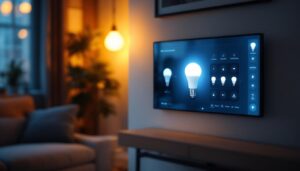
Beyond choosing efficient fixtures, implementing smart lighting controls is a game-changer. Occupancy sensors, daylight harvesting systems, and programmable lighting schedules ensure lights operate only when needed and at optimal levels. For example, corridor lights can dim during low-traffic periods without compromising safety, while patient rooms can adjust lighting based on time or activity. This adaptability not only improves energy efficiency but also enhances the overall experience for patients and staff alike, creating a more responsive environment.
Lighting contractors who specialize in these technologies can differentiate themselves by delivering systems that reduce operational costs and support sustainability goals. Moreover, smart controls simplify maintenance by providing real-time data on fixture performance and energy usage, allowing proactive management. By integrating these systems with existing building management software, healthcare facilities can achieve a seamless approach to energy management, further optimizing their operational efficiency.
Lifecycle Cost Considerations
While initial installation costs are important, lighting contractors must emphasize the total cost of ownership when advising healthcare clients. Energy savings, reduced maintenance, and longer fixture lifespans contribute to lower lifecycle costs. For instance, LED fixtures can last 50,000 hours or more, significantly reducing replacement frequency and labor costs. Furthermore, the reduced heat output of LED lighting can lead to lower cooling costs in facilities, adding another layer of savings that can be critical in budget-conscious healthcare environments.
Contractors who provide detailed lifecycle cost analyses help hospital administrators make informed decisions that balance upfront investment with long-term efficiency and savings. By illustrating the financial benefits over time, contractors can foster a deeper understanding of the value of energy-efficient lighting solutions, ultimately leading to more sustainable practices within the healthcare sector. This approach not only aligns with the growing emphasis on green building practices but also positions healthcare facilities as leaders in environmental stewardship, which can enhance their reputation and appeal to eco-conscious patients and staff.
Installation Challenges and Best Practices in Hospital Environments
Installing lighting systems in hospitals presents unique challenges that require careful planning and execution. Unlike other commercial projects, hospital installations often occur in occupied spaces where minimizing disruption is critical.
Coordinating with Hospital Operations
Lighting contractors must work closely with hospital management to schedule installations during low-traffic periods or designated maintenance windows. This coordination helps avoid interference with patient care and hospital workflows. In some cases, modular or pre-assembled lighting components can speed up installation and reduce on-site labor. Furthermore, effective communication with nursing staff and department heads is vital to ensure that all parties are aware of the installation timeline and any potential impacts on their operations. This collaborative approach not only fosters a smoother installation process but also builds trust between the contractors and hospital staff, leading to a more efficient working environment.
Ensuring Infection Control Compliance
Hospitals maintain strict infection control protocols, especially in operating rooms and intensive care units. Lighting contractors need to understand these requirements, such as using fixtures with sealed housings and smooth surfaces that are easy to clean. Additionally, minimizing dust and debris during installation is essential to prevent contamination. The choice of lighting technology also plays a significant role; for instance, LED fixtures are increasingly favored due to their longevity and reduced heat output, which can help maintain optimal conditions in sensitive areas. Furthermore, contractors must be aware of the specific materials used in light fixtures, ensuring they are non-porous and resistant to common cleaning agents employed in hospitals to maintain hygiene standards.
Addressing Complex Electrical Systems
Hospital electrical systems are often complex, with multiple backup power sources and emergency circuits. Lighting contractors must have expertise in integrating lighting with these systems to ensure continuous operation during power outages. Emergency lighting and exit signs must comply with life safety codes and be tested regularly. Additionally, the integration of smart lighting systems can enhance energy efficiency and adaptability, allowing for dynamic adjustments based on occupancy and natural light levels. This not only contributes to operational cost savings but also aligns with the growing emphasis on sustainability in healthcare facilities. Moreover, training hospital staff on the functionality of these systems post-installation is crucial, ensuring they can effectively manage and troubleshoot lighting issues as they arise, thereby maintaining a safe and well-lit environment for patients and staff alike.
Innovations Shaping the Future of Hospital Lighting
The lighting industry is evolving rapidly, and contractors who stay ahead of innovations can offer cutting-edge solutions that enhance hospital environments and boost efficiency.
Human-Centric and Tunable Lighting
Advances in tunable LED technology allow lighting systems to dynamically adjust color temperature and intensity to support circadian rhythms and improve patient comfort. These systems can simulate natural daylight patterns, reducing fatigue for staff and promoting better sleep for patients. By incorporating these human-centric lighting designs, hospitals can create a more healing environment that not only aids in recovery but also enhances the overall well-being of both patients and healthcare providers. Research has shown that appropriate lighting can lead to lower anxiety levels, decreased pain perception, and improved mood, ultimately contributing to better health outcomes.
Integration with Building Management Systems (BMS)
Modern hospital lighting can be integrated into broader building management systems, enabling centralized control and monitoring. This integration facilitates energy optimization, predictive maintenance, and data-driven decision-making. Lighting contractors with expertise in BMS integration can provide comprehensive solutions that align with hospital sustainability and operational goals. Furthermore, the ability to analyze lighting data can lead to insights that inform future renovations and upgrades, ensuring that hospitals remain at the forefront of technology while minimizing operational costs. The seamless interaction between lighting and other building systems, such as HVAC and security, enhances the overall efficiency and safety of hospital environments.
Wireless and IoT-Enabled Lighting Solutions
Wireless lighting controls and Internet of Things (IoT) devices are simplifying installation and enhancing functionality. These technologies enable flexible lighting configurations, remote management, and real-time data collection without extensive wiring. For lighting contractors, mastering IoT solutions opens new opportunities to deliver smart, scalable hospital lighting systems. The ability to monitor and adjust lighting conditions remotely not only saves time and resources but also allows for immediate responses to changing needs, such as accommodating different procedures or patient requirements. Additionally, IoT-enabled lighting can provide valuable data analytics, allowing hospitals to assess energy usage patterns and make informed decisions about future lighting investments, ultimately leading to a more sustainable and cost-effective approach to hospital operations.
Conclusion: Delivering Value Through Expertise and Innovation
Hospital lighting is a specialized field that demands a deep understanding of healthcare needs, regulatory requirements, and technological advancements. Lighting contractors who invest in knowledge, embrace energy-efficient technologies, and adopt innovative solutions position themselves as trusted partners to healthcare providers.
By focusing on patient-centered design, energy efficiency, seamless installation, and future-proof technologies, contractors can significantly boost efficiency and deliver lighting systems that improve hospital operations and patient outcomes. In a sector where every detail matters, lighting contractors have a vital role in shaping healthier, safer, and more sustainable healthcare environments.
Partner with LumenWholesale for Your Hospital Lighting Needs
Ready to elevate your lighting projects with solutions that meet the exacting demands of healthcare environments? At LumenWholesale, we specialize in providing lighting contractors with high-quality, spec-grade lighting products at competitive wholesale prices. Our extensive selection is designed to meet the highest industry standards, ensuring reliability and performance for all your hospital lighting installations. Take advantage of our hassle-free bulk buying options with free shipping, and secure premium lighting at the best value — without any hidden fees. Make LumenWholesale your go-to source for efficient, patient-centered lighting design that contributes to healthier and more sustainable healthcare facilities. Wholesale Lighting at the Best Value