Understanding the Integration of Power Outlets in Light Fixtures
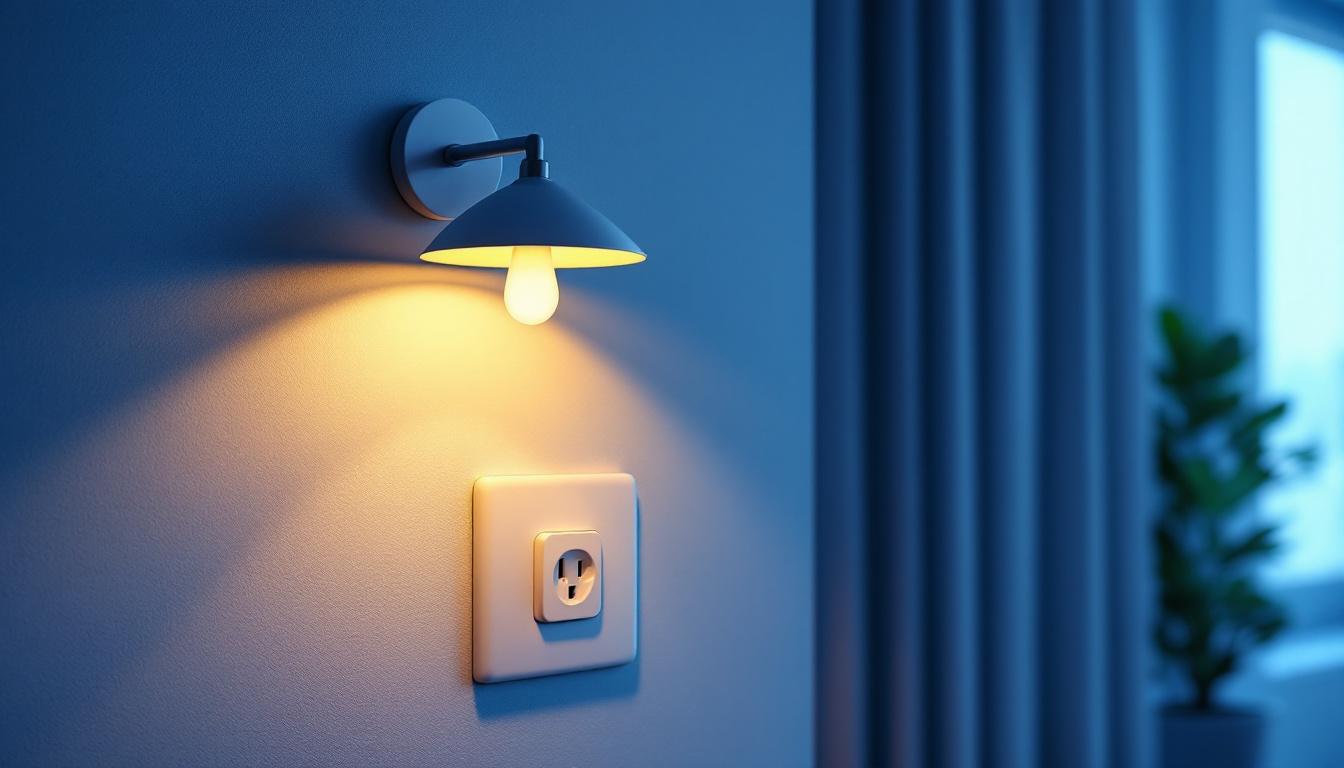
Lighting contractors frequently encounter inquiries regarding the combination of power outlets within light fixtures. This integration offers a practical solution for spaces where electrical access is limited or where convenience is paramount. However, it also raises questions about safety, code compliance, and installation methods.
At its core, a light fixture with a power outlet combines illumination and electrical receptacles into a single unit. This dual-function device can serve residential, commercial, and industrial environments, enhancing utility without the need for additional wiring or wall outlets. For instance, in a home office, a light fixture with an integrated outlet allows for easy access to power for laptops and other devices while keeping the workspace uncluttered. In retail settings, these fixtures can power display lighting or charging stations, making them versatile tools for enhancing customer experience.
For contractors, understanding the nuances of these fixtures is essential to ensure proper installation, adherence to electrical codes, and client satisfaction. This article addresses the most common questions lighting professionals face when working with such integrated devices. Additionally, it’s important to consider the variety of designs available, as some fixtures are specifically tailored for aesthetic appeal while others prioritize functionality. The choice of materials and finishes can also impact the fixture’s compatibility with different environments, from modern offices to rustic homes, ensuring that the integration of power outlets complements the overall design scheme.
Moreover, the installation of these fixtures requires a thorough understanding of the local electrical codes, which can vary significantly from one jurisdiction to another. Contractors must be well-versed in the regulations governing the use of integrated outlets, especially regarding load capacities and the types of devices that can be safely plugged in. This knowledge not only helps in avoiding potential hazards but also reassures clients that their installations are safe and compliant. As technology evolves, so too do the options for integrated lighting solutions, including energy-efficient LED fixtures that can help reduce electricity costs while providing the same level of functionality.
What Are the Typical Applications for Light Fixtures with Power Outlets?
Residential Settings
In homes, these fixtures are often installed in kitchens, garages, basements, and home offices. For example, a ceiling light fixture with an integrated outlet can provide power for appliances or tools without requiring extra wall outlets. This is particularly useful in areas where wall space is limited or where additional outlets would be unsightly. The convenience of having power directly from the ceiling allows homeowners to maximize their space and keep surfaces clear of clutter.
Additionally, these fixtures can be advantageous in bedrooms or living rooms for powering lamps, chargers, or entertainment devices, reducing the clutter of extension cords and power strips. Imagine a cozy reading nook where a light fixture not only illuminates the space but also powers your tablet or phone charger, creating a seamless and tidy environment. Furthermore, with the rise of smart home technology, these fixtures can be integrated with smart devices, allowing homeowners to control lighting and power sources through their smartphones or voice commands, enhancing both functionality and convenience.
Commercial and Industrial Use
In commercial environments, such as retail stores or offices, light fixtures with outlets can support temporary equipment or displays. Warehouses and workshops benefit from these fixtures by powering tools or machinery directly from overhead lighting, improving workspace efficiency. For instance, in a retail setting, a light fixture with an outlet can be used to power decorative lighting for seasonal displays, ensuring that the ambiance is both inviting and functional without the need for additional power sources scattered throughout the store.
Contractors should note that in industrial settings, the fixtures must meet higher durability and safety standards due to exposure to dust, moisture, or mechanical impact. This can include using fixtures that are rated for wet or damp locations, ensuring that they can withstand the rigors of the environment. Moreover, in manufacturing plants, strategically placed light fixtures with power outlets can facilitate the use of portable equipment, allowing for greater flexibility in layout and operations. This adaptability not only enhances productivity but also supports a safer working environment by minimizing the risk of tripping hazards associated with loose cords and cables. Additionally, the integration of energy-efficient LED technology in these fixtures can lead to significant cost savings over time, making them an attractive option for businesses looking to reduce their energy consumption while maintaining optimal lighting conditions.
What Are the Key Electrical Code Considerations?
Compliance with National and Local Codes
One of the most critical concerns for lighting contractors is ensuring that the installation of light fixtures with power outlets complies with the National Electrical Code (NEC) and any applicable local amendments. The NEC provides guidelines on the types of outlets allowed, their placement, and the wiring methods permissible for such combined fixtures.
For instance, the NEC typically requires that receptacles installed in damp or wet locations be rated accordingly. If a light fixture with an outlet is installed in such an environment, the outlet must be weather-resistant or have a protective cover.
Grounding and Circuit Considerations
Proper grounding is essential to prevent electrical hazards. Contractors must verify that the integrated outlet is correctly grounded and connected to a circuit capable of handling the combined load of the light and any devices plugged into the outlet.
In some cases, the outlet and the light fixture may need to be on separate circuits, especially if the outlet will power high-demand equipment. Understanding the load calculations and circuit breaker ratings is vital to prevent overloading.
How to Select the Right Light Fixture with Power Outlet?
Assessing Load Capacity and Compatibility
When choosing a fixture, contractors should evaluate the maximum wattage and amperage ratings for both the lighting and the outlet components. This ensures that the fixture can safely support the intended devices without risk of overheating or failure.
Compatibility with existing wiring infrastructure is another consideration. For example, some fixtures may require a neutral wire or specific voltage levels that must match the building’s electrical system.
Design and Aesthetic Factors
Beyond technical specifications, the fixture’s design should complement the space’s aesthetics. Lighting contractors often advise clients on options that blend functionality with style, such as modern fixtures with sleek outlets or traditional designs with discreet receptacles.
Additionally, features like dimmable lighting, integrated USB ports, or smart controls can enhance the fixture’s appeal and utility.
What Are the Installation Best Practices?
Pre-Installation Planning
Before installation, contractors should perform a thorough site assessment to determine the optimal location for the fixture, considering both lighting coverage and outlet accessibility. This includes verifying the existing wiring and circuit capacity.
Planning also involves selecting appropriate mounting hardware and ensuring that the fixture’s weight and dimensions are compatible with the ceiling or wall structure.
Installation Steps and Safety Measures
During installation, adherence to safety protocols is paramount. This includes turning off power at the circuit breaker, using insulated tools, and verifying the absence of voltage with a tester before handling wires.
Contractors must follow the manufacturer’s instructions meticulously, ensuring secure connections for both the lighting and outlet components. Proper insulation and strain relief for wires prevent future faults.
Post-installation, testing the fixture and outlet for correct operation and grounding is essential. Providing clients with instructions on safe use and maintenance can further enhance satisfaction and safety.
What Are the Common Troubleshooting Issues?
Outlet Not Providing Power
One frequent issue is the outlet failing to deliver power despite the light functioning correctly. This can result from wiring errors, a tripped circuit breaker, or a faulty outlet component. Contractors should check for loose connections, verify circuit integrity, and replace defective parts as needed.
Interference with Lighting Controls
In some cases, integrating an outlet may interfere with dimmer switches or smart lighting controls. This occurs if the outlet draws current that affects the dimmer’s sensing mechanism. Selecting compatible fixtures and controls, or isolating the outlet circuit, can resolve these conflicts.
Overheating and Safety Concerns
Overheating can arise if the combined load exceeds the fixture’s rating or if ventilation is inadequate. Contractors must educate clients on the maximum load limits and recommend regular inspections to detect signs of wear or damage.
Emerging Trends and Innovations
Smart Fixtures with Integrated Power Options
The market is evolving with smart light fixtures that incorporate power outlets alongside USB charging ports, wireless charging pads, and connectivity to home automation systems. These innovations offer enhanced convenience and energy efficiency.
Lighting contractors should stay informed about these advancements to provide clients with modern solutions that align with current technology trends.
Energy Efficiency and Sustainability
LED technology dominates the lighting industry, and fixtures with integrated outlets increasingly utilize energy-efficient components. Sustainable materials and designs that facilitate easy maintenance and upgrades contribute to long-term value.
Contractors can advise clients on selecting fixtures that reduce energy consumption while maintaining functionality, supporting environmental responsibility.
Conclusion
Light fixtures with power outlets present a versatile and practical option for a variety of settings, offering convenience and efficient use of space. For lighting contractors, understanding the technical, regulatory, and practical aspects of these fixtures is crucial for successful installation and client satisfaction.
By addressing common questions related to applications, code compliance, selection criteria, installation best practices, and troubleshooting, contractors can confidently incorporate these innovative fixtures into their projects. Keeping abreast of emerging trends further positions professionals to meet evolving client needs in an increasingly connected and energy-conscious world.
Get Your Premium Lighting Fixtures Today
Ready to elevate your lighting projects with fixtures that blend innovation, efficiency, and style? At LumenWholesale, we provide lighting contractors like you with the highest quality of spec-grade lighting products at unbeatable wholesale prices. Say goodbye to middleman markups and hello to a vast selection of reliable, high-performance lighting that meets the most rigorous industry standards. Plus, with free shipping on bulk orders, you can stock up on the best lighting solutions without worrying about hidden fees or compromises. Don’t miss out on the perfect combination of quality, affordability, and convenience. Visit LumenWholesale now for Wholesale Lighting at the Best Value and make your next installation a shining success.