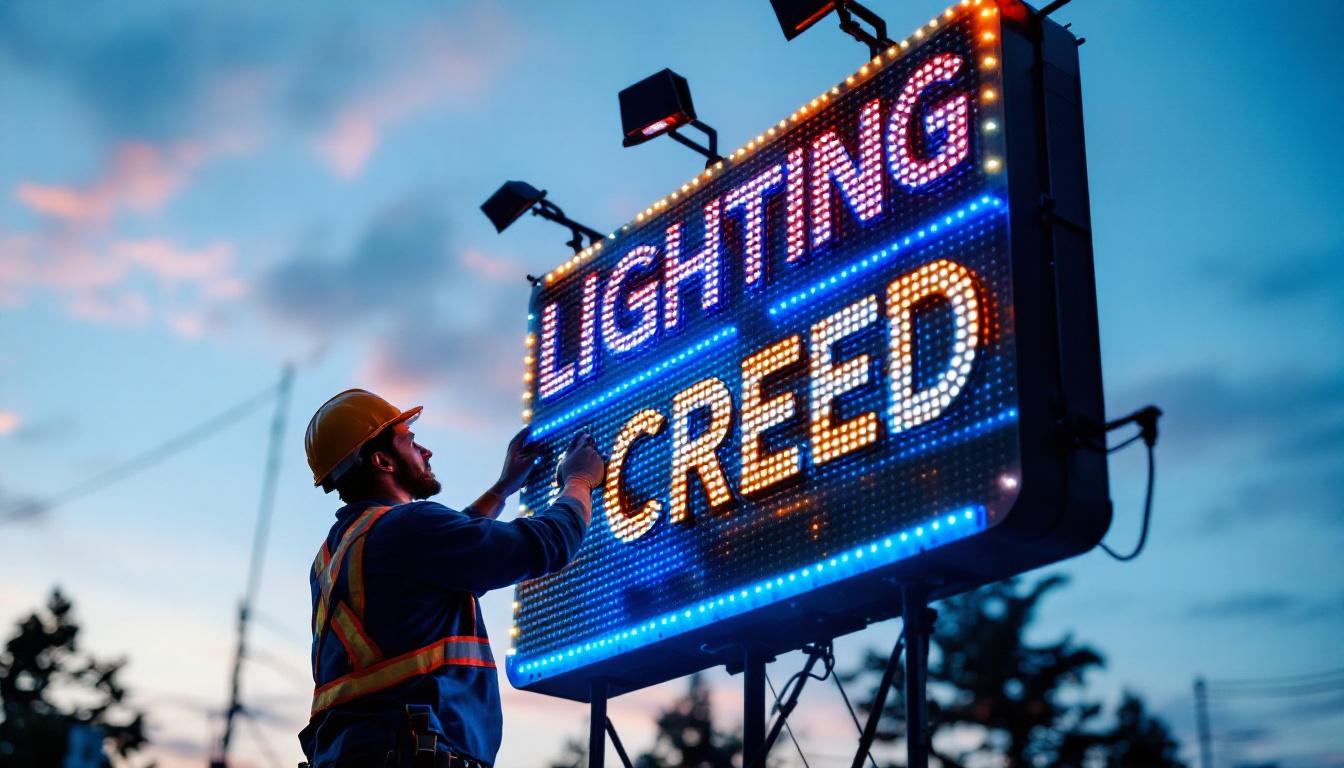
Understanding the Importance of LED Lighting in Signage
In the world of signage, lighting is not just a functional element—it’s a critical factor that defines visibility, brand perception, and energy efficiency. LED lighting has revolutionized the signage industry by offering superior brightness, longevity, and versatility compared to traditional lighting methods. For lighting contractors, mastering LED technology is essential to delivering signs that stand out and perform optimally under various environmental conditions.
LEDs (Light Emitting Diodes) provide crisp, vibrant illumination that can be tailored to a wide range of colors and intensities. This flexibility allows signage to attract attention both day and night, enhancing brand recognition and customer engagement. Moreover, LED lights consume significantly less energy than incandescent or fluorescent bulbs, resulting in lower operational costs and a smaller carbon footprint—an increasingly important consideration for clients focused on sustainability.
Understanding the technical advantages of LED lighting helps contractors make informed decisions about product selection, installation techniques, and maintenance strategies. This knowledge is the foundation for creating signage solutions that are not only visually striking but also cost-effective and durable. Additionally, the longevity of LED lights means that signs require less frequent replacements, which not only saves money but also reduces waste, aligning with the growing trend toward eco-friendly business practices.
Furthermore, the adaptability of LED technology allows for innovative design possibilities that were previously unattainable with traditional lighting. For instance, dynamic displays, which can change messages or colors in real-time, are becoming increasingly popular in retail environments. This capability not only captures consumer attention but also allows businesses to promote special offers or events with ease. As the technology continues to evolve, the integration of smart lighting systems with IoT (Internet of Things) capabilities is paving the way for even more interactive and engaging signage solutions, making it essential for contractors to stay updated on the latest advancements in LED technology.
Choosing the Right LED Lights for Different Types of Signage
Channel Letters and Dimensional Signs
Channel letters are among the most popular types of illuminated signage, often seen on storefronts and commercial buildings. The choice of LED lighting for these signs directly impacts brightness uniformity and color accuracy. For channel letters, edge-lit and back-lit LED modules are commonly used. Edge-lit LEDs provide a clean, sharp glow outlining the letter shapes, while back-lit LEDs create a halo effect that adds depth and sophistication.
Contractors should consider the size of the letters, the desired brightness, and the viewing distance when selecting LED modules. High-output LEDs are preferred for larger signs or locations with significant ambient light, ensuring visibility from afar. Additionally, LEDs with a high Color Rendering Index (CRI) help maintain true color representation, which is crucial for brand consistency. Furthermore, the choice of color temperature can also influence the overall aesthetic; warmer tones can evoke a sense of comfort and familiarity, while cooler tones can convey a more contemporary and professional image. This nuanced approach to color selection can significantly enhance the sign’s effectiveness in attracting customers.
Billboards and Large-Format Signs
For billboards and large-format signage, LED strips and modules designed for high lumen output and wide beam angles are ideal. These LEDs must withstand harsh weather conditions and maintain consistent illumination over large surfaces. Waterproof ratings such as IP65 or higher are essential to protect the LEDs from moisture and dust.
Lighting contractors often use modular LED systems that can be scaled and configured to fit the dimensions of the sign. This modularity simplifies installation and maintenance while allowing for customizable lighting patterns. Advanced LED drivers with dimming capabilities also enable dynamic lighting effects, which can enhance the visual impact of advertising messages. Moreover, the integration of smart technology into these systems allows for real-time adjustments based on environmental conditions or audience engagement, making billboards not just static displays but interactive experiences that can adapt to the time of day or specific events, further increasing their effectiveness and reach.
Interior Signage and Wayfinding
Interior signage, including wayfinding signs and menu boards, requires LEDs that offer soft, glare-free illumination to ensure readability without causing eye strain. Lighting contractors should opt for LEDs with diffusers or frosted covers to achieve even light distribution. Additionally, low-heat LEDs are preferred to prevent damage to delicate materials often used in indoor signs.
Color temperature plays a significant role indoors; warm white LEDs create a welcoming atmosphere, while cool white LEDs provide a modern, clean look. Contractors must align the lighting choice with the client’s brand identity and the environment where the signage will be placed. Furthermore, the strategic placement of these signs in relation to ambient lighting can enhance their visibility and effectiveness. For instance, incorporating motion sensors that adjust the brightness of the signage based on foot traffic can create a more engaging experience for visitors, guiding them seamlessly through the space while reinforcing the brand’s commitment to innovation and customer service. This thoughtful integration of technology and design not only improves functionality but also elevates the overall aesthetic appeal of the interior environment.
Installation Best Practices for LED Signage
Ensuring Proper Electrical Setup
One of the most critical aspects of installing LED signage is the electrical setup. Lighting contractors must ensure that the power supply matches the LED system’s voltage and current requirements to prevent premature failure. Using high-quality LED drivers with built-in surge protection safeguards the system against voltage spikes, which are common in outdoor installations.
Proper wiring techniques, including secure connections and the use of weatherproof junction boxes, are essential for safety and longevity. Contractors should also consider the placement of power supplies to allow easy access for future maintenance without compromising the sign’s aesthetics.
Thermal Management and Heat Dissipation
Although LEDs generate less heat than traditional bulbs, heat dissipation remains a vital consideration to maintain performance and extend lifespan. Lighting contractors should incorporate heat sinks or aluminum backplates in the sign design to facilitate thermal management. Adequate ventilation around the LED modules also helps prevent overheating.
Ignoring thermal management can lead to reduced brightness, color shifting, and early LED failure, which negatively impacts the client’s investment and reputation. Therefore, integrating thermal solutions into the installation process is a hallmark of expert craftsmanship.
Optimizing Light Distribution and Uniformity
Achieving uniform light distribution is essential for professional-looking signage. Uneven lighting can create distracting shadows or hotspots that detract from the sign’s message. Contractors should use diffusers, lenses, or reflective backings to spread light evenly across the sign surface.
Careful positioning of LED modules and testing light output during installation help identify and correct any inconsistencies. Employing lighting design software can assist in simulating light patterns before installation, reducing trial-and-error on-site and ensuring optimal results.
Maintenance and Troubleshooting for Long-Lasting LED Signage
Routine Inspection and Cleaning
Maintaining LED signage involves regular inspections to identify issues such as dirt accumulation, moisture ingress, or electrical faults. Dust and grime can reduce light output and cause overheating, so cleaning the sign’s surface and LED lenses periodically is crucial.
Contractors should advise clients on appropriate cleaning methods and schedules, emphasizing the use of non-abrasive materials and gentle cleaning agents to avoid damaging the LEDs or sign materials. Routine maintenance extends the lifespan of the signage and preserves its visual appeal.
Diagnosing Common LED Signage Problems
Lighting contractors often encounter issues such as flickering lights, dimming, or complete LED failure. Flickering can result from loose wiring, faulty drivers, or voltage fluctuations. Dimming may indicate aging LEDs or insufficient power supply. Complete failure often points to damaged LEDs or driver malfunctions.
Systematic troubleshooting involves checking electrical connections, testing drivers, and inspecting LED modules for physical damage. Using diagnostic tools like multimeters and thermal cameras can help pinpoint problems quickly. Prompt repairs minimize downtime and maintain the sign’s effectiveness.
Upgrading and Retrofitting Existing Signage
Many clients seek to upgrade traditional illuminated signs to LED systems to improve energy efficiency and brightness. Lighting contractors play a pivotal role in retrofitting existing signage by selecting compatible LED components and adapting mounting structures.
Retrofitting requires careful measurement and assessment of the current sign’s condition to ensure the new LEDs fit correctly and operate safely. Contractors should also consider integrating smart controls, such as dimmers and timers, to enhance the sign’s functionality and reduce energy consumption.
Advanced Techniques and Emerging Trends in LED Signage
Smart LED Controls and IoT Integration
Modern LED signage increasingly incorporates smart controls that allow remote management of brightness, color, and scheduling. Internet of Things (IoT) technology enables real-time monitoring and adjustments via mobile apps or centralized systems, offering clients greater flexibility and energy savings.
Lighting contractors skilled in integrating these technologies can provide added value by delivering dynamic signage solutions that adapt to environmental conditions, time of day, or promotional campaigns. This level of control enhances customer engagement and operational efficiency.
Dynamic and Programmable LED Displays
Beyond static illumination, programmable LED displays enable signage to show changing messages, animations, and video content. These displays require specialized LED modules and controllers capable of handling complex data inputs.
Contractors must be proficient in configuring these systems, ensuring seamless synchronization and high-resolution output. Dynamic signage opens new avenues for advertising creativity and can significantly increase the return on investment for clients.
Sustainability and Energy Efficiency Innovations
As sustainability becomes a priority, lighting contractors are adopting LED technologies that maximize energy efficiency without compromising brightness or quality. Innovations such as high-efficacy LEDs, solar-powered signage, and recyclable materials contribute to greener solutions.
Contractors who stay informed about these advancements can guide clients toward environmentally responsible options that align with corporate social responsibility goals and regulatory requirements. This expertise positions contractors as trusted advisors in the evolving signage landscape.
Conclusion: Mastering LED Lighting for Signage Excellence
For lighting contractors, mastering LED lighting in signage is a multifaceted endeavor that combines technical knowledge, practical skills, and an understanding of client needs. From selecting the right LEDs and ensuring precise installation to maintaining and upgrading systems, every step influences the sign’s performance and longevity.
Staying abreast of emerging technologies and best practices enables contractors to deliver innovative, energy-efficient, and visually compelling signage solutions. By embracing these secrets and techniques, lighting professionals can elevate their craft, satisfy clients, and thrive in a competitive industry.
Illuminate Your Projects with LumenWholesale
Ready to bring your signage projects to life with the highest quality LED lighting? Look no further than LumenWholesale, where we provide contractors with spec-grade lighting products at unbeatable wholesale prices. Our extensive selection is designed to meet the most rigorous industry standards, ensuring that your signs shine bright with reliability and performance. Plus, with free shipping on bulk orders, you can stock up on premium lighting solutions at the best value — no hidden fees, no compromises. Elevate your signage with the perfect blend of quality, affordability, and convenience. Discover wholesale lighting at the best value today and make every sign a standout success.