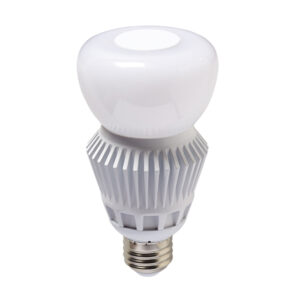
Understanding the Evolution of LED Lighting
Lighting contractors have witnessed a remarkable transformation in the industry with the advent of LED (Light Emitting Diode) technology. LEDs have revolutionized lighting solutions by offering energy efficiency, longevity, and design flexibility that traditional lighting sources cannot match. For contractors, mastering LED technology is not just about understanding the product but also about leveraging its benefits to deliver superior results to clients.
LEDs consume up to 75% less energy compared to incandescent bulbs and can last 25 times longer. This dramatic improvement in efficiency and durability makes LEDs an attractive option for residential, commercial, and industrial projects. However, the rapid pace of innovation means lighting contractors must stay informed about the latest advancements, standards, and installation techniques to remain competitive and provide value-driven solutions.
Moreover, the versatility of LED technology has opened up new avenues for creativity in lighting design. From color-changing capabilities to smart lighting systems that can be controlled via mobile apps, the possibilities are nearly limitless. This flexibility allows contractors to tailor lighting solutions to meet specific client needs, enhancing both functionality and aesthetics. For instance, in retail spaces, dynamic LED displays can create an engaging shopping experience, while in residential settings, warm-toned LEDs can create a cozy atmosphere. Understanding these applications is crucial for contractors aiming to provide innovative solutions that stand out in a crowded market.
Additionally, the environmental impact of switching to LED lighting cannot be overstated. With a growing emphasis on sustainability, many clients are seeking eco-friendly options that reduce their carbon footprint. LEDs not only consume less energy but also contain no hazardous materials like mercury, which is commonly found in traditional fluorescent lights. This aligns with the increasing regulatory pressures and consumer demand for greener practices. As such, contractors who can articulate the environmental benefits of LED installations will not only attract more clients but also contribute positively to the planet’s future.
Key Technical Considerations for LED Installations
Choosing the Right LED Fixtures and Components
One of the first challenges lighting contractors face is selecting the appropriate LED fixtures and components for each project. Factors such as color temperature, lumen output, beam angle, and compatibility with dimmers or control systems must be carefully evaluated. For example, a warm white color temperature (2700K–3000K) is preferred for residential settings to create a cozy atmosphere, whereas cooler temperatures (4000K–5000K) are often used in commercial or industrial environments to enhance visibility and productivity.
Additionally, understanding the difference between lumens and watts is crucial. Lumens measure the brightness of the light, while watts indicate energy consumption. Lighting contractors should focus on lumen output to ensure adequate illumination while minimizing energy use. Selecting high-quality drivers and heat sinks is also essential for maintaining LED performance and longevity. Furthermore, the choice of fixture design can greatly impact the aesthetic and functional aspects of a space. For instance, recessed lighting can provide a sleek, modern look, while pendant lights can serve as a focal point in dining areas or lobbies, blending style with efficient lighting.
Ensuring Proper Electrical Compatibility
LEDs operate on low voltage DC power, but most buildings supply AC power, so proper drivers and transformers are necessary. Lighting contractors must verify that the LED fixtures are compatible with existing electrical infrastructure and control systems. Mismatched components can lead to flickering, reduced lifespan, or even safety hazards.
Moreover, when retrofitting older lighting systems, contractors should assess the condition of wiring and circuit breakers to handle LED loads effectively. Incorporating surge protection and ensuring proper grounding can prevent damage from electrical spikes and extend the life of the installation. It is also advisable to consider the overall energy efficiency of the system by utilizing smart controls and sensors, which can adjust lighting levels based on occupancy or natural light availability. This not only enhances user comfort but can also lead to significant energy savings over time.
Thermal Management and Installation Best Practices
Heat dissipation is a critical factor in LED performance. Unlike incandescent bulbs that radiate heat outward, LEDs generate heat within the semiconductor, which must be efficiently managed through heat sinks and proper ventilation. Poor thermal management can significantly reduce the lifespan and output of LED fixtures.
Lighting contractors should follow manufacturer guidelines for mounting and spacing to optimize airflow around fixtures. In enclosed spaces, selecting LEDs with integrated thermal management or using external cooling solutions can prevent overheating. Additionally, careful handling during installation helps avoid damage to sensitive LED components. It is also beneficial to conduct thermal imaging assessments post-installation to identify any hotspots that may indicate inadequate cooling. Regular maintenance checks can further ensure that the thermal management systems remain effective, prolonging the overall life and efficiency of the LED installations.
Leveraging Smart Lighting and Controls
Integrating IoT and Automation Technologies
Smart lighting systems are rapidly becoming the norm in both commercial and residential projects. These systems allow for remote control, scheduling, and automation, enhancing energy efficiency and user convenience. Lighting contractors who understand how to integrate Internet of Things (IoT) devices and smart controls can offer clients cutting-edge solutions that reduce operational costs and improve occupant comfort.
For instance, occupancy sensors can automatically adjust lighting based on room usage, while daylight harvesting systems modulate artificial light levels according to natural light availability. These technologies not only save energy but also extend the life of LED fixtures by reducing unnecessary usage.
Choosing Compatible Control Protocols
Lighting contractors must be familiar with various communication protocols such as DALI (Digital Addressable Lighting Interface), Zigbee, Z-Wave, and Bluetooth Mesh. Each protocol offers different advantages in terms of range, scalability, and integration with building management systems.
Understanding these protocols enables contractors to design flexible and future-proof lighting networks. For example, DALI is widely used in commercial buildings for centralized control, while Zigbee and Bluetooth Mesh are popular in smart homes for their ease of installation and interoperability with other smart devices.
Energy Efficiency and Sustainability Practices
Meeting Regulatory Standards and Incentives
Energy codes and sustainability certifications such as LEED (Leadership in Energy and Environmental Design) increasingly influence lighting design and installation. Lighting contractors should stay up to date with local regulations and standards to ensure compliance and help clients qualify for rebates or tax incentives.
For example, many jurisdictions require minimum lighting power densities or mandate the use of energy-efficient fixtures in new construction and renovations. By proactively incorporating these requirements, contractors can avoid costly rework and position themselves as trusted advisors in sustainable building practices.
Promoting Lifecycle Cost Benefits to Clients
While LED fixtures may have a higher upfront cost compared to traditional lighting, their total cost of ownership is significantly lower due to reduced energy consumption and maintenance needs. Lighting contractors should educate clients on these long-term savings to justify the investment.
Providing detailed energy audits and payback analyses can help clients understand the financial and environmental benefits of LED lighting. Additionally, highlighting the reduced frequency of bulb replacements and lower cooling loads due to less heat generation can further strengthen the case for LED adoption.
Enhancing Safety and Quality Assurance
Adhering to Best Practices for Electrical Safety
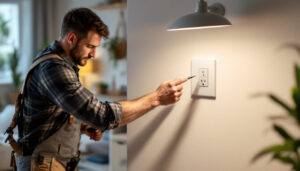
Safety is paramount in any lighting installation. Lighting contractors must rigorously follow electrical codes and manufacturer instructions to prevent hazards such as electrical shock, fire, or equipment failure. Proper use of personal protective equipment (PPE), lockout/tagout procedures, and testing with appropriate tools ensures a safe working environment.
Furthermore, contractors should verify that all components have the necessary certifications, such as UL (Underwriters Laboratories) listing or CE marking, to guarantee safety and performance standards. Regular training and staying current with industry best practices help maintain high safety standards on every job site.
Implementing Quality Control and Testing
Quality assurance is critical to delivering reliable lighting solutions. Lighting contractors should conduct thorough testing of LED fixtures and control systems before, during, and after installation. This includes verifying voltage and current levels, checking for flicker or color inconsistencies, and ensuring proper dimming functionality.
Documenting test results and maintaining detailed records can assist in troubleshooting and warranty claims. Additionally, post-installation walkthroughs with clients help confirm satisfaction and identify any adjustments needed to optimize performance.
Building Strong Client Relationships and Business Growth
Providing Expert Consultation and Custom Solutions
Lighting contractors who position themselves as knowledgeable consultants can differentiate their services in a competitive market. Understanding client needs, space requirements, and aesthetic preferences enables contractors to recommend tailored LED solutions that maximize value and satisfaction.
Offering mock-ups, lighting simulations, and samples can help clients visualize the final outcome and make informed decisions. This collaborative approach fosters trust and can lead to repeat business and referrals.
Continuing Education and Industry Networking
The lighting industry is dynamic, with new products, standards, and technologies emerging regularly. Lighting contractors committed to continuous learning through workshops, certifications, and trade shows stay ahead of trends and enhance their expertise.
Networking with manufacturers, suppliers, and fellow contractors also opens opportunities for partnerships and access to cutting-edge products. Staying connected with industry organizations can provide valuable resources and credibility that support business growth.
Conclusion: Mastering LED Lighting for Success
For lighting contractors, mastering LED technology is essential to delivering efficient, safe, and aesthetically pleasing lighting solutions. By understanding technical specifications, integrating smart controls, adhering to safety standards, and fostering strong client relationships, contractors can thrive in the evolving lighting landscape.
Embracing sustainability and continuous education further positions contractors as leaders in their field, capable of meeting the demands of modern projects while contributing to energy conservation and environmental stewardship. With these comprehensive tips, lighting contractors can confidently navigate the complexities of LED installations and build a successful, future-ready business.
Illuminate Your Projects with LumenWholesale
Ready to elevate your lighting projects with the efficiency and brilliance of LED technology? Look no further than LumenWholesale for all your lighting needs. Our spec-grade lighting products not only meet the highest industry standards but also come at unbeatable wholesale prices, ensuring you get the best value for your investment. Say goodbye to local distributor markups and hello to premium lighting with the convenience of free shipping. Make the smart choice for your business and explore our collection for Wholesale Lighting at the Best Value today.