Understanding Under Island Lighting and Its Growing Importance
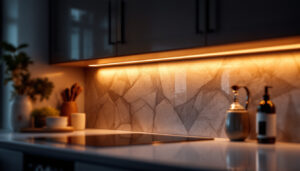
Under island lighting refers to the installation of lighting fixtures beneath kitchen islands, creating both functional and aesthetic benefits. For lighting contractors, mastering this niche is essential, as it combines energy efficiency with modern design trends that appeal to homeowners and commercial clients alike.
In recent years, the kitchen island has evolved from a simple workspace to a central hub for cooking, dining, and socializing. Proper lighting under the island not only enhances visibility but also adds a layer of ambiance that can transform the entire kitchen environment. Given the increasing demand for sustainable and energy-efficient solutions, under island lighting has become a critical component in modern lighting design.
The Role of Under Island Lighting in Energy Efficiency
Energy efficiency is no longer just a buzzword; it is a priority for consumers and contractors. Under island lighting, when executed with the right technology, can significantly reduce energy consumption. LED fixtures, for example, use up to 75% less energy than traditional incandescent bulbs and last 25 times longer, making them the preferred choice for under island applications.
Moreover, targeted under island lighting reduces the need for overhead lights during certain tasks, allowing for more localized illumination. This approach not only conserves energy but also enhances the user experience by minimizing glare and shadows on the workspace. Additionally, the use of smart lighting systems can further optimize energy use, allowing homeowners to adjust brightness levels or set timers based on their specific needs and routines. This level of control not only promotes efficiency but also aligns with the growing trend of home automation, making kitchens not just functional spaces but also smart environments that cater to modern living.
Furthermore, the design possibilities with under island lighting are virtually limitless. From sleek, minimalist fixtures that blend seamlessly with contemporary aesthetics to more decorative options that serve as statement pieces, the right lighting can elevate the overall design of the kitchen. The choice of color temperature can also play a significant role; warmer tones can create a cozy atmosphere, while cooler tones can lend a more energetic vibe, making it easier to adapt the space for various activities, whether it’s a family gathering or an intimate dinner party. As homeowners increasingly seek to personalize their spaces, under island lighting offers a versatile solution that meets both functional and stylistic needs.
Choosing the Right Fixtures for Under Island Lighting
Selecting appropriate fixtures is crucial for both performance and energy savings. Lighting contractors must consider several factors, including fixture type, brightness, color temperature, and installation method.
Types of Fixtures Suitable for Under Island Lighting
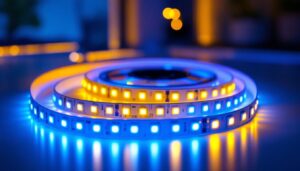
LED strip lights are among the most popular options due to their flexibility, low profile, and energy efficiency. These strips can be easily concealed under the island’s overhang, providing uniform illumination without visible hardware. Additionally, LED puck lights offer focused, accent lighting and can be used to highlight specific areas or design features.
Recessed mini spotlights are another viable option, especially when a more directional light is desired. These fixtures can be installed flush with the surface, maintaining a clean and modern aesthetic. When selecting fixtures, contractors should prioritize those with high lumens-per-watt ratios to maximize energy savings. Furthermore, integrating smart lighting technology can enhance functionality; many LED fixtures now come with smart capabilities that allow users to control brightness and color temperature through mobile apps or voice commands, adding a layer of convenience and customization to the lighting experience.
Color Temperature and Brightness Considerations
The color temperature of under island lighting impacts both ambiance and functionality. Warmer tones (2700K to 3000K) create a cozy atmosphere, ideal for residential kitchens, while cooler tones (3500K to 4000K) provide a bright, crisp light suitable for task-oriented environments. It’s essential to consider the overall color scheme of the kitchen when selecting color temperature, as it can influence how colors appear and affect the mood of the space.
Brightness should be sufficient to illuminate the workspace without causing glare or discomfort. Typically, under island lighting ranges from 100 to 300 lumens per linear foot, depending on the intended use. Dimmable fixtures offer added versatility, allowing users to adjust lighting levels based on time of day or activity. Additionally, layering different types of lighting—such as combining ambient, task, and accent lighting—can create a more dynamic and functional kitchen environment. This approach not only enhances the aesthetic appeal but also ensures that the space is well-lit for various activities, from meal preparation to entertaining guests.
Installation Best Practices for Optimal Performance
Proper installation is key to maximizing the benefits of under island lighting. Contractors must ensure that fixtures are securely mounted, wiring is safely concealed, and lighting is evenly distributed. A well-executed installation not only enhances the visual appeal of the space but also contributes to the overall functionality of the kitchen, making it a more inviting area for family gatherings and culinary activities.
Placement and Spacing
Even spacing of fixtures prevents dark spots and ensures consistent illumination. For LED strip lights, continuous runs under the island’s perimeter are common, while puck lights and spotlights require careful spacing—typically 6 to 12 inches apart—to avoid uneven lighting. The choice of fixture type can also influence the ambiance; for instance, warmer tones can create a cozy atmosphere, while cooler tones may lend a more modern and sleek feel.
Consideration should also be given to the island’s dimensions and cabinetry design. Lighting should be positioned to avoid shadows cast by overhangs or appliances, enhancing both aesthetics and usability. Additionally, the height at which lights are mounted plays a crucial role in achieving the desired effect. Lower-mounted fixtures can provide focused task lighting for food preparation, while higher placements can contribute to overall room brightness.
Wiring and Power Supply Considerations
Energy-efficient lighting systems often require low-voltage power supplies, which must be installed in accessible yet discreet locations. Contractors should adhere to local electrical codes and standards, ensuring that wiring is protected from moisture and mechanical damage. Utilizing conduit or raceways can help keep wiring organized and safe, while also facilitating future upgrades or maintenance.
Incorporating smart controls such as motion sensors or timers can further enhance energy savings by ensuring lights are only active when needed. Integration with home automation systems is increasingly popular and can be a valuable selling point for clients. Furthermore, the use of dimmers allows homeowners to adjust lighting levels according to different activities, whether it’s a lively dinner party or a quiet evening of cooking. This flexibility not only adds convenience but also contributes to energy conservation, making it a win-win for both homeowners and the environment.
Energy Efficiency Beyond the Fixtures: Smart Controls and Integration
While selecting efficient fixtures is fundamental, the integration of smart controls elevates under island lighting to a new level of energy management.
Smart Lighting Controls
Smart dimmers, occupancy sensors, and programmable timers allow precise control over lighting usage. For example, motion sensors can automatically turn off under island lights when the area is unoccupied, preventing unnecessary energy consumption.
These technologies not only reduce utility costs but also extend the lifespan of lighting components by minimizing operational hours. For contractors, offering smart control solutions can differentiate their services and align with client expectations for modern, sustainable homes.
Integration with Broader Lighting Systems
Under island lighting should be considered as part of a comprehensive lighting plan. Integration with overhead lights, pendant fixtures, and ambient lighting ensures a cohesive design and optimal energy performance. Coordinated control systems can adjust multiple lighting zones simultaneously, adapting to different activities and times of day.
Case Studies: Successful Implementation of Under Island Lighting
Examining real-world examples provides valuable insights into the practical benefits and challenges of under island lighting installations.
Residential Kitchen Upgrade
A lighting contractor working on a high-end residential kitchen incorporated LED strip lights beneath the island overhang, combined with smart dimmers. The client reported a 40% reduction in kitchen lighting energy consumption and praised the enhanced ambiance during evening gatherings. The discreet installation preserved the kitchen’s minimalist aesthetic while improving functionality.
Commercial Kitchen Efficiency
In a commercial setting, under island lighting was installed using high-output LED puck lights to ensure task lighting for food preparation. Integration with motion sensors resulted in significant energy savings, as lights were only active during operational hours. The contractor highlighted the durability and low maintenance requirements of the fixtures as key factors in the project’s success.
Key Takeaways for Lighting Contractors
Under island lighting is more than a design trend; it is a strategic approach to energy-efficient lighting that meets modern demands for sustainability, functionality, and style.
- Prioritize LED technology: Its energy efficiency and longevity make it ideal for under island applications.
- Consider fixture type and placement: Choose fixtures that provide uniform, glare-free illumination and install them to avoid shadows.
- Incorporate smart controls: Enhance energy savings and user convenience with dimmers, sensors, and automation.
- Adhere to best installation practices: Ensure secure mounting, safe wiring, and compliance with electrical codes.
- Integrate with overall lighting design: Coordinate under island lighting with other kitchen lighting for a seamless experience.
By mastering these elements, lighting contractors can deliver solutions that satisfy client expectations for energy efficiency and modern design, positioning themselves as leaders in the evolving lighting industry.
Illuminate Your Projects with LumenWholesale
Ready to take your under island lighting projects to the next level? LumenWholesale is your trusted partner, offering an exceptional range of energy-efficient lighting solutions tailored to your needs. Our commitment to quality and affordability ensures that you can equip your designs with the best lighting products at wholesale prices. Say goodbye to local distributor markups and hello to a vast selection of spec-grade lighting that meets the highest industry standards. Plus, with free shipping on bulk orders, you can stock up on premium lighting without the worry of hidden fees. Elevate your lighting game and give your clients the perfect blend of functionality and style. Discover the value that awaits at Wholesale Lighting at the Best Value and make LumenWholesale your go-to source for all your lighting needs.