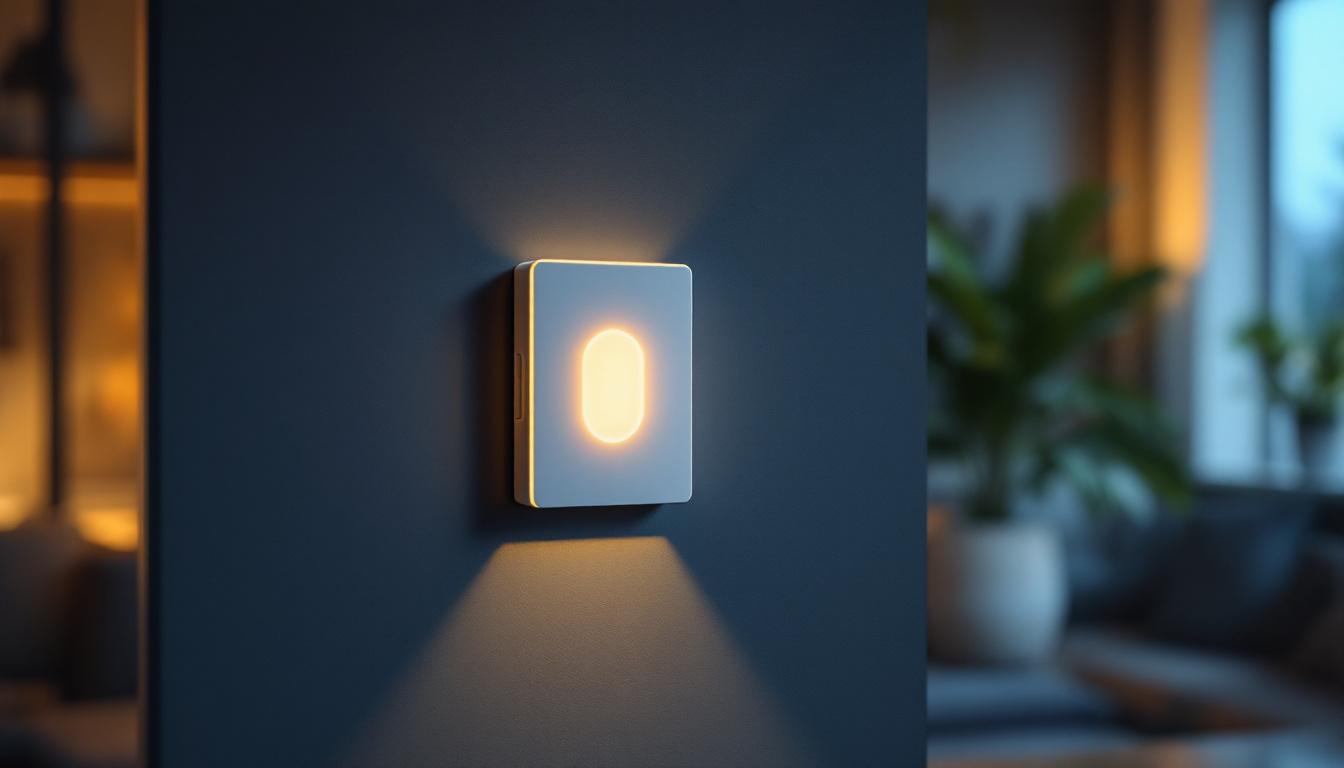
Understanding Motion Sensing Switches: A Foundation for Smart Lighting
Motion sensing switches have revolutionized the way lighting systems are designed and implemented, especially in commercial and residential settings. For lighting contractors, mastering these devices is not just about installation but about leveraging their full potential to create energy-efficient, user-friendly environments. At their core, motion sensing switches detect movement within a designated area and automatically turn lights on or off, reducing unnecessary energy consumption.
Modern motion sensors utilize various technologies such as passive infrared (PIR), ultrasonic, microwave, or a hybrid of these to accurately detect occupancy. Each technology has its strengths and limitations, making it crucial for contractors to understand which type best suits a particular application. For instance, PIR sensors excel in detecting body heat and are ideal for enclosed spaces, while ultrasonic sensors can detect motion through obstacles, making them suitable for more complex environments.
By integrating motion sensing switches into lighting systems, contractors can offer clients enhanced convenience, increased security, and significant cost savings. These benefits underscore why smart lighting solutions are becoming a staple in new construction and retrofit projects alike.
Moreover, the versatility of motion sensing switches extends beyond simple on-off functionality. Many modern systems can be programmed for specific scenarios, such as dimming lights when a room is occupied or setting a timer for lights to remain on for a predetermined duration after detecting motion. This level of customization not only enhances user experience but also contributes to further energy savings, as lights are only used when truly necessary. Additionally, some advanced systems can be integrated with smart home technology, allowing users to control their lighting remotely via smartphone apps or voice commands, creating an even more seamless living experience.
Furthermore, the implementation of motion sensing switches can significantly enhance safety and security in both residential and commercial settings. In outdoor areas, for instance, motion-activated lights can deter potential intruders, illuminating pathways and entry points when movement is detected. In workplaces, these switches can help ensure that emergency exits are well-lit when needed, reducing the risk of accidents. As the demand for smart and sustainable solutions continues to grow, understanding the full capabilities of motion sensing switches will be essential for contractors looking to stay ahead in the industry.
Key Installation Hacks for Optimized Performance
Strategic Placement for Maximum Coverage
One of the most critical factors in the success of a motion sensing switch installation is its placement. Incorrect positioning can lead to frequent false triggers or failure to detect occupancy, frustrating users and negating energy savings. Contractors should conduct a thorough site assessment to identify high-traffic zones and potential obstructions.
For example, installing sensors near HVAC vents or large windows can cause temperature fluctuations or sunlight interference, leading to erratic sensor behavior. Positioning sensors at a height between 6 to 8 feet typically provides optimal coverage, but this can vary depending on the sensor’s detection range and the room’s layout. Additionally, considering the angle of the sensor is crucial; a sensor that is angled too high may miss lower-level movements, while one angled too low may pick up irrelevant motion, such as passing cars or pedestrians outside.
Moreover, it is beneficial to consider the layout of furniture and other obstacles in the room. For instance, placing a sensor behind a large piece of furniture can obstruct its field of view, leading to inefficient operation. A well-thought-out placement strategy not only enhances the effectiveness of the motion sensors but also contributes to a seamless user experience, where lighting responds intuitively to the presence of individuals in the space.
Adjusting Sensitivity and Time Delay Settings
Fine-tuning the sensitivity and time delay parameters ensures that the lighting system responds appropriately to occupancy patterns. Sensitivity controls help prevent false activations caused by pets, small animals, or minor movements like curtains fluttering. Time delay settings determine how long the lights remain on after motion is no longer detected, balancing user comfort and energy efficiency.
Contractors should tailor these settings based on the specific use case. For instance, in conference rooms or restrooms, a shorter time delay might be preferable to save energy, whereas in hallways or stairwells, a longer delay can enhance safety by preventing lights from turning off prematurely. Furthermore, it is important to consider the typical usage patterns of the space. In areas with sporadic foot traffic, such as storage rooms or garages, a higher sensitivity setting may be warranted to ensure that even minimal movement is detected, while more consistent spaces like offices may benefit from a lower sensitivity to avoid unnecessary activations.
Additionally, some advanced motion sensors come equipped with adaptive learning capabilities, allowing them to adjust their settings based on historical data of occupancy patterns. This feature can significantly enhance the efficiency of the lighting system, as it learns when and how often the space is used, optimizing the balance between energy savings and user convenience.
Integrating with Existing Lighting Infrastructure
Smart lighting contractors often face the challenge of retrofitting motion sensing switches into existing electrical systems. Compatibility with dimmers, multi-way switches, and various load types (LED, CFL, incandescent) is essential to avoid flickering, buzzing, or malfunction.
Using motion sensors with built-in dimming capabilities or those specifically designed for LED loads can mitigate many common issues. Additionally, contractors should verify wiring configurations and may need to install neutral wires if absent, as many modern sensors require them for proper operation. It is also advisable to assess the overall electrical load to ensure that the motion sensors can handle the demands of the existing lighting fixtures without overloading the circuit.
Furthermore, integrating motion sensors with smart home systems can enhance functionality. For example, linking motion sensors to a central hub allows for remote monitoring and control, enabling users to adjust settings via smartphone apps. This integration can also facilitate the creation of automated lighting schedules that adapt to the time of day or occupancy patterns, providing both convenience and energy efficiency. As technology advances, the ability to integrate motion sensors with other smart devices, such as security cameras or smart thermostats, can create a comprehensive smart home ecosystem that enhances comfort and security.
Advanced Techniques to Enhance Smart Lighting Solutions
Combining Motion Sensors with Daylight Harvesting
Daylight harvesting involves adjusting artificial lighting based on the availability of natural light, further optimizing energy consumption. By integrating motion sensing switches with photocells or ambient light sensors, contractors can create systems that only activate lights when both occupancy and insufficient daylight are detected.
This dual-sensor approach is particularly effective in spaces with large windows or skylights, such as offices or atriums. It not only conserves energy but also improves occupant comfort by maintaining consistent illumination levels throughout the day.
Utilizing Networked and IoT-Enabled Sensors
The rise of the Internet of Things (IoT) has opened new possibilities for motion sensing switches. Networked sensors can communicate with building management systems (BMS) or smart home platforms, enabling centralized control, data analytics, and predictive maintenance.
For contractors, offering IoT-enabled solutions can differentiate their services and provide clients with valuable insights into space utilization and energy trends. For example, occupancy data collected over time can inform facility managers about peak usage periods, helping optimize cleaning schedules or HVAC operations.
Customizing User Experience Through Programmable Settings
Many advanced motion sensing switches allow for programmable behaviors, such as varying light intensity based on time of day or occupancy patterns. Contractors can tailor these settings during installation to meet the specific needs of different environments.
For instance, in healthcare facilities, gradual dimming can create a soothing atmosphere during nighttime hours, while in retail spaces, dynamic lighting can highlight merchandise when customers are present. Providing clients with user-friendly interfaces or mobile apps to adjust these settings empowers them to maintain optimal lighting conditions without ongoing contractor intervention.
Troubleshooting Common Issues and Ensuring Longevity
Addressing False Triggers and Sensor Blind Spots
False triggers are a frequent complaint with motion sensing switches and can stem from environmental factors such as HVAC drafts, pets, or reflective surfaces. Contractors should educate clients on potential causes and recommend solutions such as repositioning sensors, adjusting sensitivity, or installing sensor shields.
Blind spots occur when the sensor’s field of view is obstructed or limited. Using multiple sensors or wide-angle models can help cover these areas effectively. Regular maintenance checks are also essential to ensure sensors remain clean and unobstructed.
Ensuring Compatibility with Emerging Lighting Technologies
As LED technology continues to evolve, new lighting products may have different electrical characteristics that affect sensor performance. Contractors should stay informed about the latest industry standards and product specifications to avoid compatibility issues.
Consulting manufacturer documentation and participating in continuing education programs can help contractors maintain expertise and deliver reliable installations that stand the test of time.
Implementing Preventive Maintenance Practices
Routine inspections and cleaning can extend the lifespan of motion sensing switches and maintain optimal performance. Dust accumulation, insect nests, or physical damage can degrade sensor accuracy over time.
Contractors can offer maintenance packages to clients, including periodic sensor calibration and firmware updates for smart devices. Proactive service not only enhances customer satisfaction but also builds long-term business relationships.
Maximizing Business Opportunities with Motion Sensing Switch Expertise
Educating Clients on Energy Savings and ROI
One of the strongest selling points for motion sensing switches is their potential to reduce energy consumption significantly. Studies have shown that occupancy sensors can cut lighting energy use by up to 30-50%, depending on the application. Contractors who effectively communicate these benefits can help clients justify the upfront investment.
Providing detailed energy audits and case studies tailored to the client’s facility can reinforce the value proposition. Highlighting incentives, rebates, and compliance with energy codes further strengthens the business case.
Expanding Service Offerings with Smart Lighting Integration
By mastering motion sensing switch technology, contractors can broaden their portfolio to include comprehensive smart lighting solutions. This includes integrating sensors with dimmers, timers, and centralized control systems to create fully automated environments.
Offering design consultation, system programming, and post-installation support positions contractors as trusted advisors in the rapidly growing smart building market. This expertise can open doors to larger projects and recurring revenue streams.
Leveraging Industry Trends and Standards
Staying current with industry trends such as the adoption of wireless sensor networks, voice control integration, and evolving energy codes is essential for maintaining a competitive edge. Contractors who proactively adapt to these changes can anticipate client needs and deliver cutting-edge solutions.
Participation in professional associations, certification programs, and trade shows provides valuable networking opportunities and access to the latest technology developments.
Conclusion: Elevating Smart Lighting Projects with Motion Sensing Switch Mastery
For lighting contractors, motion sensing switches represent more than just a component—they are a gateway to smarter, more efficient lighting systems that enhance user experience and sustainability. By understanding the nuances of sensor technology, employing strategic installation techniques, and embracing advanced integration methods, contractors can deliver superior results that meet the evolving demands of clients.
Continued education, attention to detail, and a commitment to quality workmanship ensure that motion sensing switch installations not only perform flawlessly but also contribute to a contractor’s reputation and business growth. In an industry increasingly focused on intelligent building solutions, expertise in motion sensing technology is an invaluable asset.
Get Your Motion Sensing Switches at LumenWholesale
Ready to elevate your smart lighting projects with the latest in motion sensing technology? Look no further than LumenWholesale for all your lighting needs. Our extensive selection of spec-grade lighting products comes at unbeatable wholesale prices, ensuring you get the best value for your investment. Say goodbye to middleman markups and hello to high-performance, reliable lighting solutions that meet the highest industry standards. Plus, with free shipping on bulk orders, you can stock up on premium lighting without any hidden fees. Don’t compromise on quality or affordability. Visit LumenWholesale today and experience the perfect blend of quality, affordability, and convenience for your next lighting project.