Understanding 760 Lumens in Practical Lighting Applications
When it comes to lighting projects, lumens are the currency of brightness. For lighting contractors, knowing what 760 lumens represents in real-world terms is crucial. It’s not just a number on a bulb’s packaging—it’s a measure of how much light a fixture emits, influencing everything from energy efficiency to client satisfaction.
To put 760 lumens into perspective, it’s roughly equivalent to the brightness of a traditional 60-watt incandescent bulb. This level of illumination is often ideal for smaller rooms, task lighting, or accent lighting. It strikes a balance: bright enough to see clearly without overwhelming the space or causing glare.
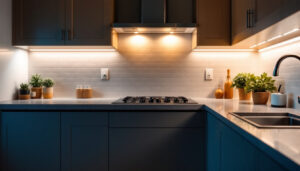
Understanding this lumen output helps contractors recommend the right fixtures for specific environments. For example, a kitchen under-cabinet light emitting around 760 lumens can provide ample task lighting without overpowering the countertop area. Similarly, in a hallway or reading nook, this brightness level offers comfort and visibility without excessive energy consumption.
In addition to its practical applications, the concept of 760 lumens also plays a significant role in energy efficiency discussions. As the industry shifts towards LED technology, which can produce the same brightness with far less wattage, understanding lumens allows contractors to educate clients on the benefits of upgrading their lighting systems. For instance, an LED bulb that provides 760 lumens may only consume about 10 watts, compared to the 60-watt incandescent bulb. This not only reduces electricity bills but also contributes to a lower carbon footprint, making it an environmentally friendly choice.
Moreover, the versatility of 760 lumens extends beyond just functional lighting. In design-oriented spaces, this level of brightness can enhance the aesthetic appeal of a room. When used strategically, it can highlight artwork, create ambiance, or define spaces within an open floor plan. By combining 760 lumens with dimmable fixtures or smart lighting solutions, contractors can offer clients the ability to adjust the mood of their environment, making it suitable for various occasions—from intimate gatherings to lively family dinners. This adaptability is increasingly important in modern homes, where lighting needs can change throughout the day and across different activities.
Why Lumens Matter More Than Watts
Historically, watts were used as a proxy for brightness, but that’s changed with the rise of LED and other energy-efficient technologies. Watts measure energy consumption, not light output. Lumens, on the other hand, directly measure the amount of visible light produced.
For lighting contractors, this distinction is vital. A 10-watt LED bulb can produce 760 lumens, whereas an incandescent bulb might need 60 watts for the same output. This means clients can save significantly on energy bills without sacrificing brightness. It also impacts fixture selection, wiring requirements, and overall project design.
When advising clients, emphasizing lumens over watts helps set realistic expectations. It also positions contractors as knowledgeable professionals who understand the nuances of modern lighting technology. This expertise can be a differentiator in competitive markets.
Moreover, understanding lumens allows contractors to tailor lighting solutions to specific needs and environments. For instance, a cozy restaurant may require warm, dim lighting measured in lumens to create an inviting atmosphere, while a retail space might need brighter, cooler lighting to highlight products effectively. By focusing on lumens, contractors can ensure that the lighting design aligns with the intended mood and functionality of the space, enhancing the overall experience for occupants and visitors alike.
Additionally, as more municipalities adopt energy efficiency standards and incentives, the conversation around lumens becomes even more critical. Many energy rebate programs are now based on lumens produced per watt, encouraging the adoption of high-efficiency lighting solutions. This shift not only benefits the environment by reducing energy consumption but also provides financial incentives for clients, making it essential for contractors to stay informed about these evolving regulations and opportunities. By leveraging this knowledge, contractors can help clients make informed decisions that align with both their budget and sustainability goals.
Choosing Fixtures That Deliver 760 Lumens Effectively
Fixture Types and Their Impact on Light Distribution
Not all fixtures producing 760 lumens perform equally. The design, shape, and materials affect how light is distributed. For example, a frosted globe fixture diffuses light softly, ideal for ambient lighting. In contrast, a directional spotlight concentrates those 760 lumens into a focused beam, perfect for highlighting artwork or architectural features.
Lighting contractors must consider the space’s function and client preferences. A pendant light emitting 760 lumens may work well over a dining table, creating a warm, inviting atmosphere. Meanwhile, recessed downlights with the same lumen output can provide subtle, unobtrusive illumination in living rooms or offices.
Color Temperature and Its Role in Perceived Brightness
Color temperature affects how bright 760 lumens feels to the human eye. A bulb with a cool white temperature (around 4000K to 5000K) appears brighter and more clinical, suitable for workspaces or garages. Warmer temperatures (2700K to 3000K) offer a softer, cozier glow, often preferred in residential settings.
Contractors should guide clients through these choices, explaining how color temperature influences mood and functionality. A 760-lumen bulb at 3000K can feel less intense than one at 5000K, even though the lumen output is identical. This understanding helps tailor lighting solutions that meet both aesthetic and practical needs.
Energy Efficiency and Cost Considerations
One of the biggest selling points for lighting contractors is energy efficiency. A fixture producing 760 lumens with minimal wattage consumption translates into lower electricity bills and a smaller carbon footprint. LEDs are the go-to technology here, offering longevity and efficiency that traditional bulbs can’t match.
When specifying fixtures, contractors should look for products with high efficacy-lumens per watt. A 760-lumen LED bulb consuming only 9 to 10 watts is far more efficient than older technologies. This efficiency also means less heat generation, which can reduce cooling costs in commercial or residential buildings.
Clients appreciate transparency about long-term savings. Providing clear comparisons between different lighting options helps build trust and can lead to upselling opportunities, such as smart lighting controls or dimmable fixtures that further optimize energy use.
Installation Tips for Optimal Performance
Proper Placement and Spacing
Even the best 760-lumen fixture can underperform if installed incorrectly. Lighting contractors must consider height, spacing, and orientation to maximize effectiveness. For instance, placing fixtures too far apart in a hallway can create uneven lighting and shadows, reducing safety and comfort.
In kitchens or work areas, positioning 760-lumen fixtures directly above work surfaces ensures adequate illumination. Using multiple fixtures with this output can create layered lighting that enhances visibility and reduces eye strain.
Compatibility with Controls and Dimmers
Many modern lighting projects incorporate dimmers or smart controls. Ensuring that 760-lumen bulbs and fixtures are compatible with these systems is essential. Not all LED bulbs dim smoothly, and some may flicker or buzz if paired with incompatible dimmers.
Contractors should verify product specifications and test installations when possible. Offering clients options for adjustable lighting adds value and flexibility, allowing them to tailor brightness levels to different activities or times of day.
Common Challenges and How to Overcome Them
One frequent issue is client misunderstanding about brightness. Some expect a 760-lumen bulb to light an entire large room, which can lead to dissatisfaction. Clear communication about lumen requirements per square foot and the role of multiple fixtures helps set realistic expectations.
Another challenge involves balancing aesthetics with functionality. A fixture that looks great but emits insufficient light can frustrate users. Conversely, overly bright fixtures can cause glare and discomfort. Contractors need to strike the right balance, often by combining different types of lighting-ambient, task, and accent-to achieve a harmonious effect.
Finally, staying updated on evolving lighting standards and technologies is critical. New products and innovations can offer better performance or cost savings. Regular training and product research keep contractors competitive and able to provide the best advice.
Case Studies: Successful Use of 760 Lumens in Various Settings
Residential Kitchen Lighting
A recent project involved retrofitting an older kitchen with energy-efficient LED fixtures. By installing under-cabinet lights producing 760 lumens each, the contractor enhanced task lighting without increasing energy consumption. The client reported improved visibility for cooking and prep work, with a warmer, inviting atmosphere thanks to 3000K color temperature bulbs.
Office Space Illumination
In a mid-sized office, a combination of recessed downlights and pendant fixtures emitting around 760 lumens created a balanced environment. The cool white color temperature improved alertness and reduced eye fatigue among employees. The contractor’s choice to use dimmable LEDs allowed the client to adjust lighting based on natural daylight availability, optimizing comfort and efficiency.
Retail Display Lighting
A boutique store used track lighting with 760-lumen LED spotlights to highlight merchandise. The focused beams drew attention to key products without overwhelming the space. The contractor’s expertise in lumen selection and fixture placement contributed to increased customer engagement and sales.
Final Thoughts for Lighting Contractors
Mastering the application of 760 lumens is more than just understanding a number-it’s about translating that knowledge into practical, effective lighting solutions. For contractors, this means combining technical expertise with a keen sense of client needs and space requirements.
By focusing on lumen output, energy efficiency, fixture selection, and installation best practices, lighting contractors can deliver results that satisfy both form and function. This approach not only enhances the quality of their work but also builds lasting client relationships based on trust and professionalism.
Illuminate Your Projects with LumenWholesale
Ready to elevate your lighting projects with the expertise and value that only LumenWholesale can provide? Our extensive range of spec-grade lighting products is designed to meet the highest industry standards, ensuring that every 760-lumen solution you install is as reliable as it is radiant. Say goodbye to local distributor markups and hello to unbeatable wholesale prices, free shipping, and the convenience of hassle-free bulk buying. Don’t compromise on quality or cost—choose LumenWholesale for premium lighting at the best value. Wholesale Lighting at the Best Value.