Understanding Surface Mounted Light Fixtures
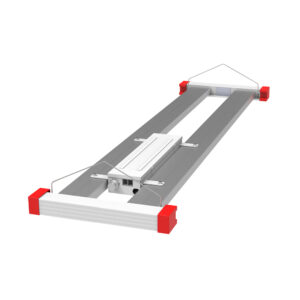
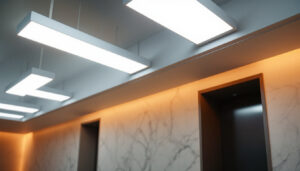
Surface mounted light fixtures are a popular choice among lighting contractors due to their versatility, ease of installation, and sleek design. Unlike recessed lighting, which requires cutting into ceilings or walls, surface mounted fixtures attach directly to the surface, making them ideal for a wide range of applications, from residential to commercial spaces.
These fixtures come in various shapes, sizes, and styles, including flush mounts, semi-flush mounts, and track lighting systems. Their adaptability allows contractors to meet client demands for both functional and aesthetic lighting solutions. Recognizing the different types and their best use cases is fundamental for any lighting professional aiming to deliver quality results.
Why Choose Surface Mounted Fixtures?
One of the key advantages of surface mounted fixtures is their straightforward installation process. Because they do not require extensive ceiling modifications, they save time and reduce labor costs, which is a significant factor in project budgeting. Additionally, surface mounted fixtures are ideal for spaces with limited ceiling depth or where access to the ceiling cavity is restricted.
From a design perspective, these fixtures offer a broad spectrum of styles, from minimalist LED panels to decorative chandeliers. This flexibility allows contractors to tailor lighting solutions to the architectural style and functional needs of a space, enhancing both ambiance and utility.
Moreover, surface mounted fixtures can also contribute to energy efficiency, especially when utilizing LED technology. LEDs consume significantly less power than traditional incandescent bulbs, and their long lifespan reduces the frequency of replacements, further lowering maintenance costs. This makes them an attractive option for eco-conscious clients looking to reduce their carbon footprint while still achieving effective lighting solutions.
In commercial settings, surface mounted fixtures can be strategically placed to highlight specific areas, such as artwork in galleries or product displays in retail environments. Their ability to provide focused illumination can enhance the overall shopping experience or create a welcoming atmosphere in hospitality venues. As such, understanding the nuances of surface mounted fixtures not only aids in installation but also empowers contractors to make informed decisions that align with their clients’ visions and operational needs.
Installation Best Practices for Lighting Contractors
Proper installation is critical to ensure the longevity, safety, and performance of surface mounted light fixtures. Lighting contractors must adhere to electrical codes and manufacturer guidelines while considering the unique characteristics of each project.
Assessing the Installation Site
Before installation, a thorough site assessment is essential. Contractors should evaluate the ceiling or wall surface to confirm it can support the fixture’s weight and that the electrical wiring is accessible and up to code. In older buildings, wiring may need updating to handle modern lighting loads safely.
Additionally, contractors should consider environmental factors such as moisture levels, temperature fluctuations, and exposure to dust or chemicals. For example, surface mounted fixtures in bathrooms or kitchens require appropriate ratings for damp or wet locations to prevent electrical hazards and fixture damage. It’s also important to assess the overall lighting needs of the space, taking into account the purpose of the room and the desired ambiance. This may involve consulting with the client to understand their preferences and any specific tasks that will be performed in the area, such as cooking or reading, which can influence the type and placement of fixtures.
Choosing the Right Mounting Hardware
Selecting the correct mounting hardware is crucial for a secure installation. The hardware must be compatible with both the fixture and the mounting surface. For drywall ceilings, anchors or toggle bolts might be necessary, while wood joists can support screws directly.
Contractors should also ensure that the mounting brackets are level and firmly attached to prevent fixture wobbling or detachment. Using a stud finder and level during installation helps achieve a professional finish and long-term stability. Furthermore, it is advisable to consider the aesthetic aspects of the mounting hardware; decorative covers or finishes can enhance the overall look of the installation, blending seamlessly with the interior design. This attention to detail not only improves the visual appeal but also reflects the professionalism of the contractor.
Electrical Connections and Safety
Electrical connections must be made with precision and care. Contractors should always turn off power at the circuit breaker before beginning work and use a voltage tester to confirm the absence of live electricity. Proper wire stripping, secure wire nut connections, and grounding are essential to prevent shorts and electrical fires.
Incorporating GFCI (Ground Fault Circuit Interrupter) protection in areas prone to moisture is another safety measure that contractors should recommend and implement. Adhering to the National Electrical Code (NEC) and local regulations ensures compliance and protects both the installer and the end user. Additionally, it is beneficial for contractors to stay updated on the latest safety protocols and technologies, such as smart lighting systems that not only enhance energy efficiency but also provide remote control options for users. This knowledge can help contractors offer valuable recommendations to clients, ensuring that installations are not only safe but also modern and functional.
Design Considerations for Effective Lighting
Beyond installation, lighting contractors must consider design principles to optimize the function and appearance of surface mounted fixtures. Thoughtful lighting design enhances occupant comfort, productivity, and safety. By understanding how light interacts with various surfaces and colors, contractors can create environments that not only illuminate but also invigorate and inspire those who inhabit them.
Balancing Ambient, Task, and Accent Lighting
Surface mounted fixtures can serve different lighting roles depending on their placement and type. Ambient lighting provides general illumination, task lighting focuses on specific activities, and accent lighting highlights architectural features or artwork. Each type of lighting plays a vital role in creating a well-rounded and functional space, ensuring that every corner is effectively lit without overwhelming the senses.
Contractors should collaborate with clients and designers to create layered lighting schemes that incorporate surface mounted fixtures appropriately. For example, a flush mount LED panel might provide ambient light in an office, while adjustable track lights offer task lighting over workstations. Moreover, integrating dimmable options allows users to customize the brightness according to their needs, whether they require a bright environment for focused work or a softer glow for relaxation during breaks. This adaptability not only enhances the overall user experience but also promotes energy efficiency by allowing users to adjust lighting levels based on the time of day or specific activities.
Energy Efficiency and Sustainability
Energy-efficient lighting is increasingly important in both residential and commercial projects. Surface mounted fixtures equipped with LED technology offer significant energy savings, longer lifespan, and reduced maintenance costs compared to traditional incandescent or fluorescent options. The shift towards LED lighting is not just a trend; it reflects a growing awareness of environmental impacts and the need for sustainable building practices.
Lighting contractors should prioritize fixtures with high lumens per watt ratios and consider incorporating dimmers and occupancy sensors to further reduce energy consumption. These choices not only benefit the environment but also appeal to clients focused on sustainability and operational cost savings. Additionally, utilizing smart lighting systems can enhance energy management by allowing users to control their lighting remotely, schedule on/off times, and even adjust color temperatures based on the time of day, further promoting a sustainable approach to lighting design.
Color Temperature and CRI
The color temperature of light affects the mood and functionality of a space. Surface mounted fixtures are available in a range of color temperatures, from warm (2700K) to cool (5000K) white light. Selecting the appropriate temperature depends on the space’s purpose—for instance, warmer tones are preferred in hospitality settings, while cooler tones enhance focus in offices. Understanding the psychological effects of color temperature can help contractors make informed decisions that align with the intended atmosphere of the space.
Color Rendering Index (CRI) is another critical factor, indicating how accurately a light source reveals colors compared to natural light. Fixtures with a CRI of 80 or above are generally recommended for most applications, ensuring vibrant and true-to-life colors. In areas where color accuracy is paramount, such as art studios or retail spaces, opting for fixtures with a CRI of 90 or higher can significantly enhance the visual appeal and overall experience. By carefully considering both color temperature and CRI, contractors can create lighting solutions that not only meet functional needs but also elevate the aesthetic quality of the environment.
Maintenance and Troubleshooting Tips
Maintaining surface mounted light fixtures ensures they continue to perform optimally and safely over time. Lighting contractors often provide maintenance services or guidance to clients, making knowledge in this area valuable.
Routine Cleaning and Inspection
Dust and dirt accumulation can diminish light output and affect fixture aesthetics. Regular cleaning with a soft cloth and mild detergent helps maintain brightness and appearance. Contractors should advise clients on safe cleaning practices, especially for fixtures in hard-to-reach areas.
Periodic inspections should check for loose mounting hardware, signs of electrical wear, or damage to wiring and components. Early detection of issues prevents costly repairs and reduces downtime.
Common Issues and Solutions
Flickering lights, dimming problems, or complete fixture failure are common complaints. Flickering often results from loose wiring or incompatible dimmer switches, while dimming issues may stem from incorrect fixture or dimmer specifications.
Lighting contractors should be prepared to diagnose these problems by testing electrical connections, verifying compatibility, and replacing faulty components. Maintaining a stock of common replacement parts can expedite repairs and improve client satisfaction.
Staying Ahead: Trends and Innovations in Surface Mounted Lighting
Lighting technology continues to evolve rapidly, and staying informed about the latest trends empowers contractors to offer cutting-edge solutions.
Smart Lighting Integration
Smart surface mounted fixtures enable remote control, scheduling, and automation through apps or voice assistants. These features enhance convenience, energy management, and user experience. Contractors skilled in integrating smart lighting systems can add significant value to their services.
Advanced Materials and Designs
New materials such as lightweight composites and advanced heat sinks improve fixture durability and thermal management. Sleeker designs with customizable elements allow for greater aesthetic flexibility, appealing to modern architectural tastes.
Contractors should familiarize themselves with these innovations to recommend the best products for each project and maintain a competitive edge in the market.
Conclusion
Surface mounted light fixtures represent a vital component of contemporary lighting solutions, offering flexibility, efficiency, and aesthetic appeal. For lighting contractors, mastering the nuances of installation, design, maintenance, and emerging technologies is essential to delivering superior results and satisfying client expectations.
By adhering to best practices and staying informed about industry advancements, contractors can confidently navigate the challenges and opportunities presented by surface mounted lighting projects, ultimately enhancing their professional reputation and business success.
Illuminate Your Projects with LumenWholesale
Ready to elevate your lighting projects with the best in surface mounted fixtures? Look no further than LumenWholesale, where we provide contractors with exceptional, spec-grade lighting products at unbeatable wholesale prices. Say goodbye to local distributor markups and hello to our premium selection that meets the highest industry standards. With free shipping on bulk orders, LumenWholesale is your go-to source for reliable, high-performance lighting that blends quality, affordability, and convenience seamlessly. Don’t compromise on your lighting needs—Wholesale Lighting at the Best Value is just a click away.