Understanding the Importance of Proper Light Wall Fixture Selection
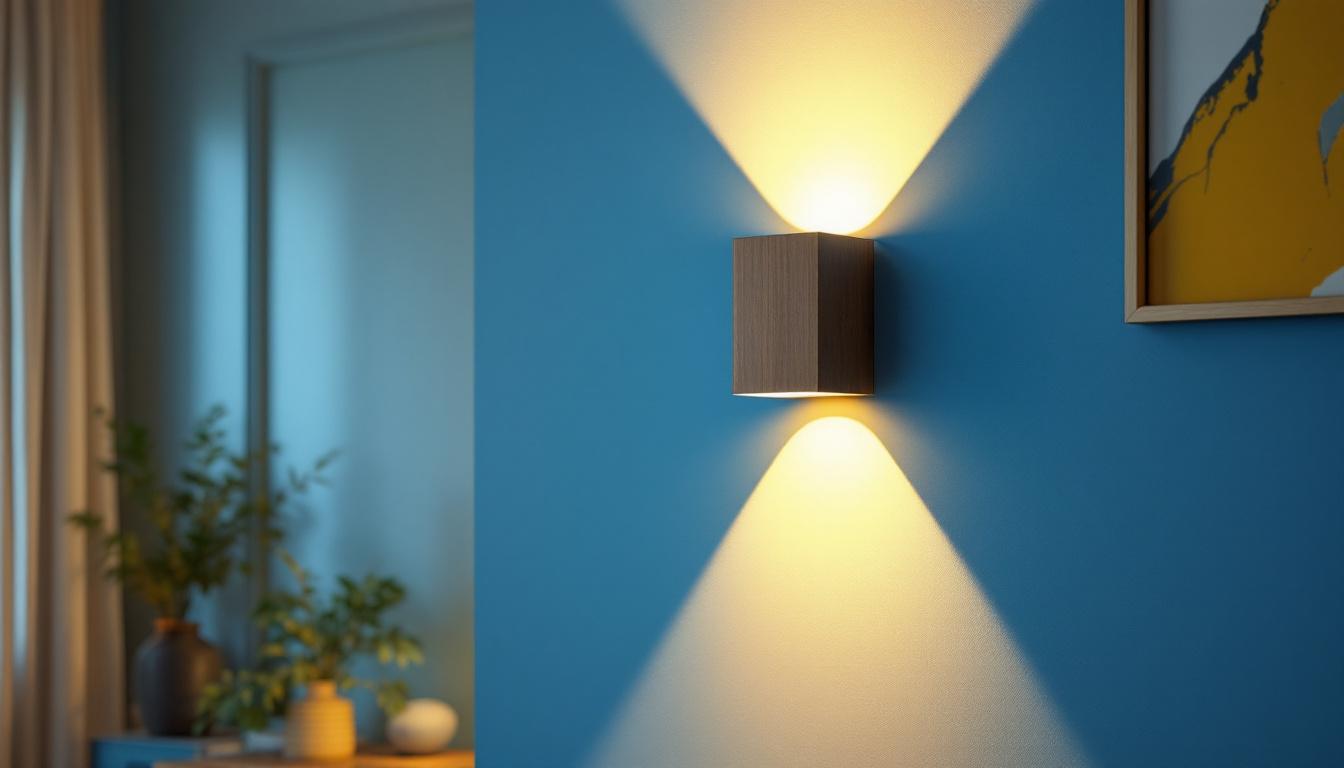
Lighting contractors play a pivotal role in shaping the ambiance and functionality of interior and exterior spaces. Among the many components they work with, light wall fixtures stand out as both aesthetic and practical elements. These fixtures not only illuminate but also contribute significantly to the architectural character of a space. Selecting the right wall fixture is more than a design choice; it’s a critical decision that influences energy efficiency, maintenance costs, and overall project success.
Unfortunately, costly mistakes often arise from overlooking key factors during the selection and installation phases. These errors can lead to increased expenses, project delays, and client dissatisfaction. Understanding the nuances of light wall fixtures—from style and material to electrical requirements and placement—is essential for contractors aiming to deliver high-quality, lasting results.
Why Wall Fixtures Matter in Lighting Projects
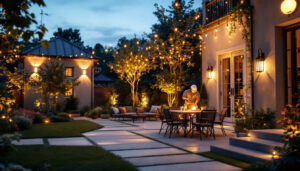
Wall fixtures serve multiple purposes: they provide ambient, task, or accent lighting; enhance safety; and contribute to the visual appeal of a space. For example, in commercial settings, properly chosen wall fixtures can reduce glare and improve employee productivity. In residential projects, they can create inviting atmospheres and highlight architectural features.
Moreover, wall fixtures often remain visible even when the lights are off, making their design and finish critical to the overall aesthetic. A poorly chosen fixture can clash with the interior design or degrade quickly due to environmental conditions, leading to premature replacement and increased costs. In addition to aesthetic considerations, the choice of materials can affect durability and maintenance; for instance, fixtures made from corrosion-resistant metals or treated glass can withstand harsher conditions, making them ideal for outdoor applications.
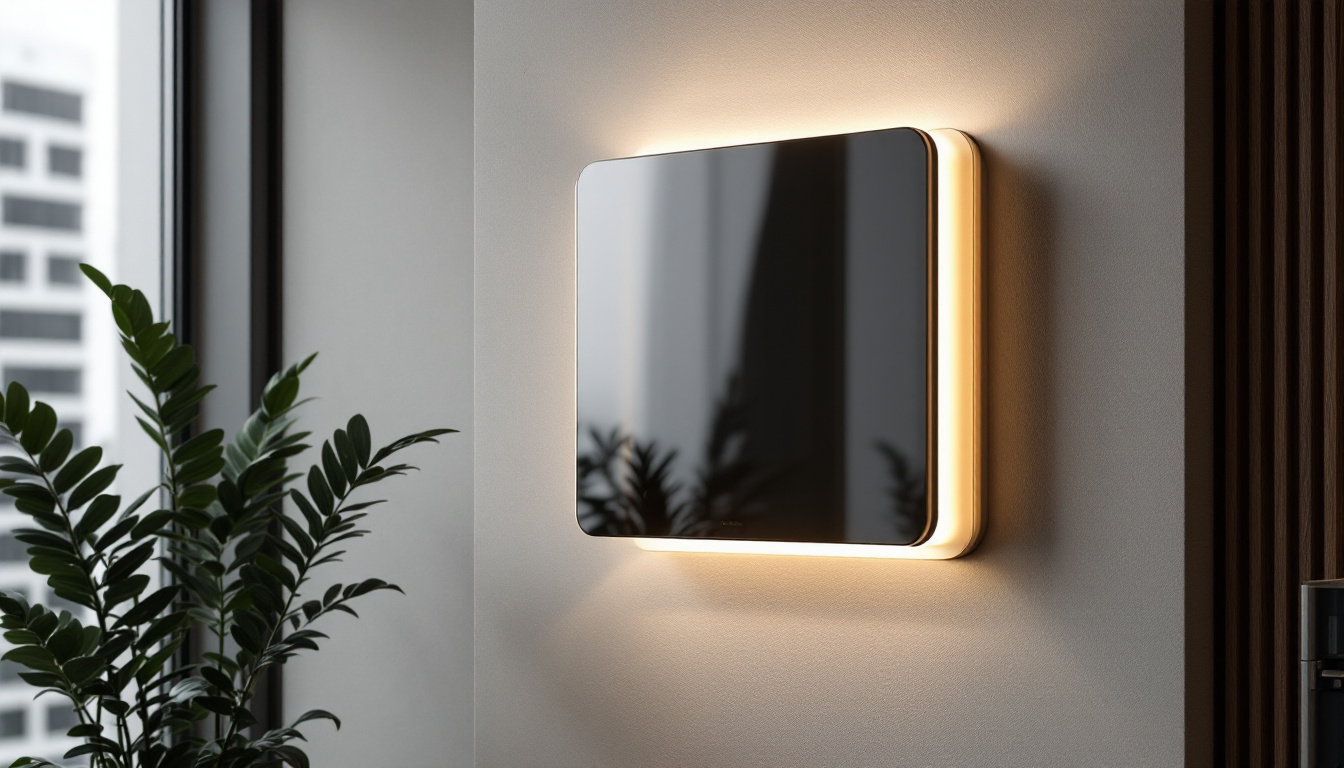
Furthermore, the integration of smart technology into wall fixtures has revolutionized the lighting industry. Many modern fixtures now come equipped with features such as dimming capabilities, color temperature adjustments, and even motion sensors. These advancements not only enhance the functionality of the fixtures but also allow for greater energy savings and customization. By selecting fixtures that incorporate these technologies, contractors can offer clients innovative solutions that align with contemporary lifestyle demands, ultimately leading to more satisfied customers and repeat business.
Common Costly Mistakes in Light Wall Fixture Projects
Ignoring Environmental and Location-Specific Requirements
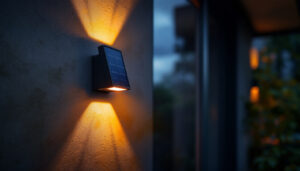
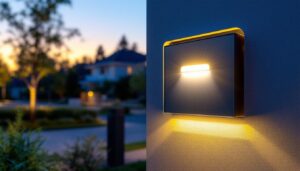
One of the most frequent errors contractors make is neglecting to consider the environment where the fixture will be installed. Indoor and outdoor fixtures have vastly different requirements. Outdoor wall fixtures must withstand weather elements such as rain, wind, and UV exposure. Using an indoor-rated fixture outdoors can lead to corrosion, electrical hazards, and fixture failure.
Similarly, in humid environments like bathrooms or kitchens, fixtures must be rated for damp or wet locations. Ignoring these ratings can compromise safety and void manufacturer warranties. Furthermore, certain fixtures may require additional protective measures, such as coatings or enclosures, to enhance their durability against moisture and temperature fluctuations. For instance, coastal areas with salty air may necessitate fixtures with enhanced corrosion resistance to prevent premature degradation.
Underestimating Electrical and Installation Needs
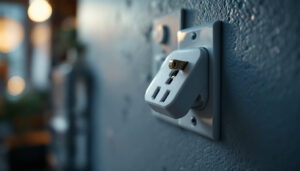
Another costly mistake involves miscalculating electrical requirements. Wall fixtures vary in voltage, wattage, and compatibility with dimmers or smart controls. Installing a fixture without verifying compatibility with existing wiring or control systems can result in flickering, reduced lifespan, or even electrical fires.
Additionally, improper mounting or failure to use the correct hardware can cause fixtures to become loose or misaligned over time, leading to expensive repairs and safety risks. It’s also crucial to consider the overall layout and design of the space; for instance, fixtures placed too close together can create uneven lighting and shadows, diminishing the aesthetic appeal. A thorough assessment of the electrical load and a well-planned installation process can prevent these issues and ensure a safe, effective lighting solution.
Overlooking Energy Efficiency and Maintenance Costs
Energy consumption is a significant factor in the total cost of ownership for lighting fixtures. Choosing fixtures that use outdated or inefficient bulbs can lead to higher utility bills and more frequent replacements. LED technology, for example, offers substantial energy savings and longer lifespan but requires compatible fixtures and drivers.
Maintenance accessibility is another consideration. Fixtures installed in hard-to-reach locations or those requiring specialized bulbs can increase labor costs over the life of the project. Moreover, the choice of materials and designs can impact maintenance; for example, fixtures with intricate designs may accumulate dust and grime more quickly, necessitating more frequent cleaning. Selecting fixtures that are not only energy-efficient but also easy to maintain can lead to significant long-term savings and a more sustainable lighting solution.
Strategies to Avoid Costly Errors in Wall Fixture Projects
Conduct Thorough Site Assessments and Needs Analysis
Before selecting fixtures, contractors should perform detailed site evaluations. This includes assessing environmental conditions, existing electrical infrastructure, and the intended function of the lighting. Understanding whether the fixture is for decorative, safety, or task lighting purposes will guide appropriate choices.
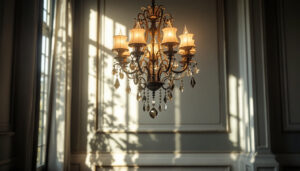
Engaging with clients to clarify expectations and design preferences early on helps prevent misalignment and costly changes later. Documenting these requirements ensures all stakeholders are on the same page. Additionally, it’s beneficial to consider the architectural style of the space and how the chosen fixtures will complement or enhance the overall design. For instance, in a modern office, sleek, minimalist fixtures might be ideal, while a historic building may call for more ornate designs. Taking the time to understand the aesthetic context can lead to more satisfying results for both the contractor and the client.
Choose Fixtures with Appropriate Ratings and Certifications
Always select fixtures that meet or exceed relevant safety and performance standards. Look for UL, ETL, or equivalent certifications indicating compliance with electrical and environmental safety requirements. For outdoor installations, ensure fixtures have suitable IP ratings to resist water and dust ingress.
Using fixtures from reputable manufacturers with clear documentation and warranty support reduces the risk of defects and facilitates troubleshooting if issues arise. Furthermore, it’s wise to investigate the manufacturer’s history and reviews to gauge their reliability and customer service. A well-established brand often provides not only quality products but also valuable resources such as installation guides and customer support, which can be crucial during the project lifecycle.
Plan for Compatibility and Future-Proofing
Electrical compatibility is critical. Verify that the fixture’s voltage and wattage align with the building’s electrical system. If dimming or smart controls are part of the project scope, confirm that the fixture supports these features. Consulting manufacturer specifications and, when necessary, collaborating with electrical engineers can prevent costly mismatches.
Consider future maintenance and upgrades. Selecting fixtures that accommodate standard bulb types or have modular components can simplify repairs and replacements, reducing long-term costs. Additionally, think about the evolving nature of technology in lighting. With the rise of smart home systems, opting for fixtures that can integrate with IoT devices not only enhances functionality but also adds value to the property. Planning for such advancements can make a significant difference in the longevity and relevance of the lighting solutions chosen.
Installation Best Practices for Light Wall Fixtures
Follow Manufacturer Guidelines and Local Codes
Adhering strictly to manufacturer installation instructions ensures that fixtures perform as intended and maintain their warranties. Additionally, compliance with local electrical and building codes is mandatory to guarantee safety and pass inspections.
Contractors should stay updated on code changes and industry best practices. Regular training and certification help maintain high standards and reduce liability.
Use Proper Mounting Hardware and Techniques
Selecting the correct mounting hardware based on wall material and fixture weight is essential. For example, installing heavy fixtures on drywall without anchors can lead to fixture failure. Using stainless steel or corrosion-resistant fasteners in outdoor or humid environments extends fixture life.
Precise alignment and secure fastening prevent vibrations and movement that can damage wiring or the fixture itself.
Test and Adjust Lighting Post-Installation
Once installed, testing the fixtures under various conditions ensures they meet design and functional expectations. Adjusting angles, brightness levels, and control settings can optimize performance and client satisfaction.
Documenting the installation and testing process provides a reference for future maintenance and troubleshooting.
Case Studies Highlighting the Impact of Proper Wall Fixture Choices
Commercial Office Retrofit: Energy Savings and Improved Ambiance
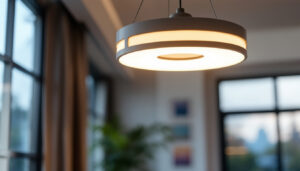
A lighting contractor working on a commercial office retrofit replaced outdated wall sconces with LED fixtures featuring integrated dimming controls. By selecting fixtures with appropriate IP ratings for the building’s humid climate and ensuring compatibility with the existing electrical system, the project achieved a 40% reduction in energy consumption. Employee feedback indicated improved comfort and productivity, demonstrating the value of thoughtful fixture selection.
Residential Exterior Lighting: Avoiding Weather-Related Failures
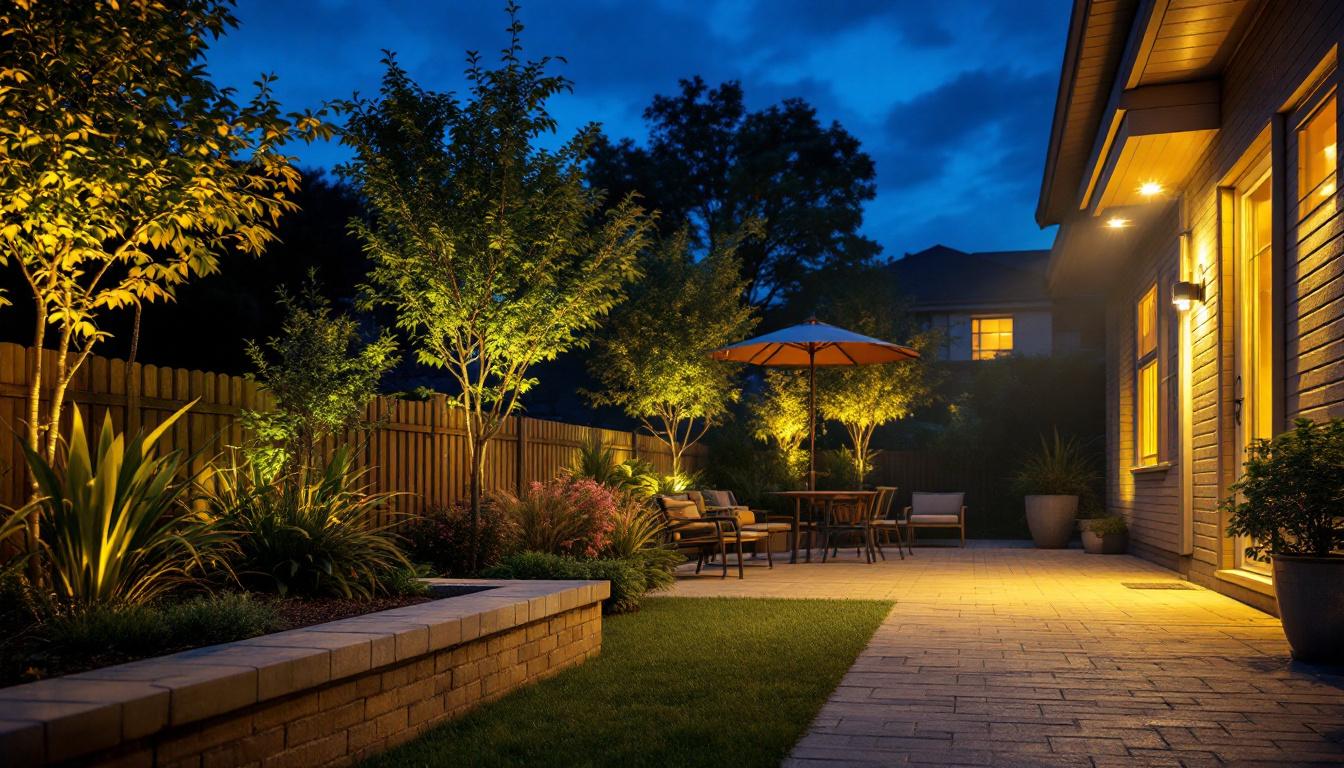
In a residential project, a contractor initially installed indoor-rated wall fixtures in a covered porch area. Within months, corrosion and electrical failures occurred due to exposure to humidity and temperature fluctuations. After replacing the fixtures with weather-rated alternatives and upgrading mounting hardware, the homeowner experienced reliable, low-maintenance lighting. This case underscores the importance of environmental considerations in fixture choice.
Conclusion: Delivering Value Through Informed Light Wall Fixture Choices
Light wall fixtures are more than decorative accents; they are integral to the success of lighting projects. For contractors, avoiding costly mistakes requires a comprehensive approach that includes understanding environmental demands, electrical compatibility, energy efficiency, and installation best practices.
By conducting thorough assessments, selecting certified and appropriate fixtures, and adhering to professional installation standards, contractors can enhance client satisfaction, reduce long-term costs, and build a reputation for excellence. Investing time and expertise upfront ultimately leads to lighting projects that are both beautiful and enduring.
Illuminate Your Projects with LumenWholesale
Ready to elevate your lighting projects with the right fixtures at the right price? Look no further than LumenWholesale, where we provide contractors with premium, spec-grade lighting solutions. Our extensive selection is designed to meet the highest industry standards, ensuring that every installation shines with reliability and performance. Say goodbye to inflated markups and hello to unbeatable wholesale prices, complete with the convenience of free shipping on bulk orders. Don’t compromise on quality or value—choose LumenWholesale for your lighting needs and make your next project a glowing success. Wholesale Lighting at the Best Value is just a click away.