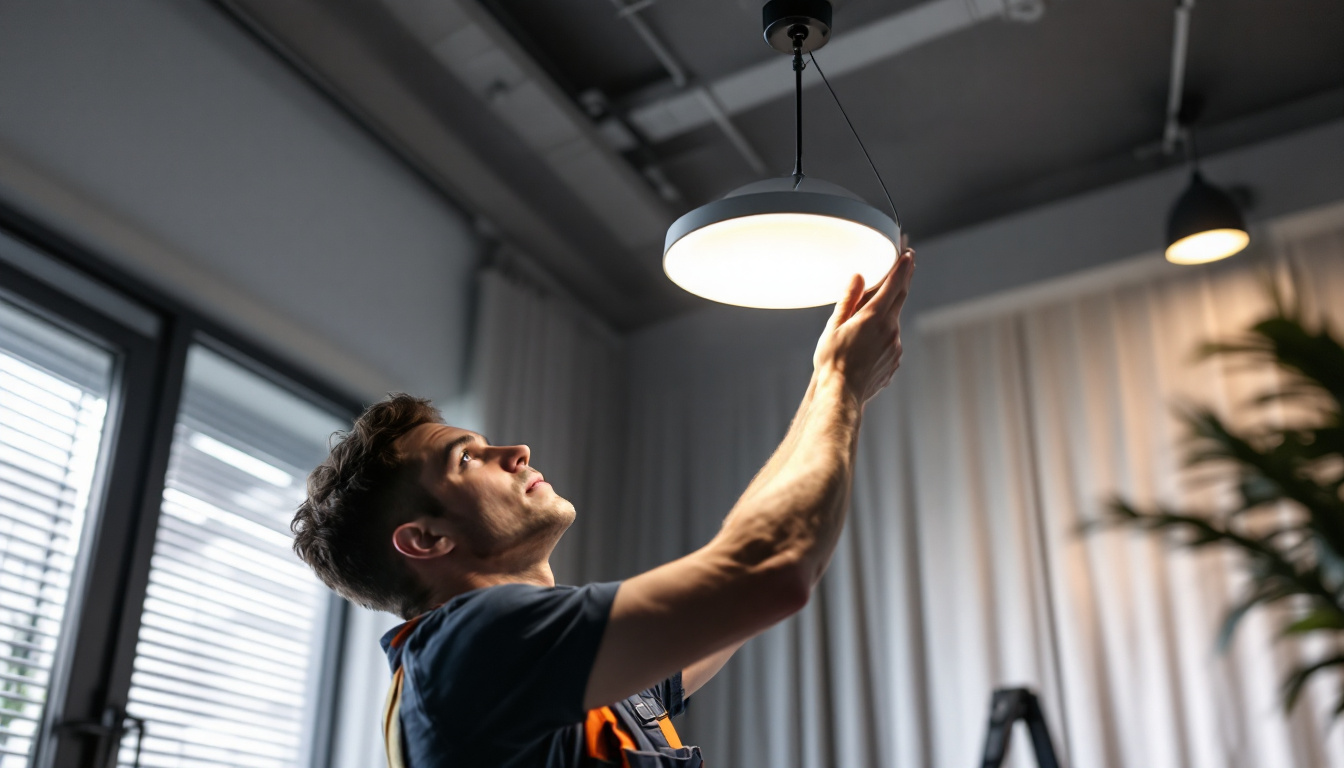
Understanding the Role of Ceiling Paddle Fans in Modern Lighting Projects
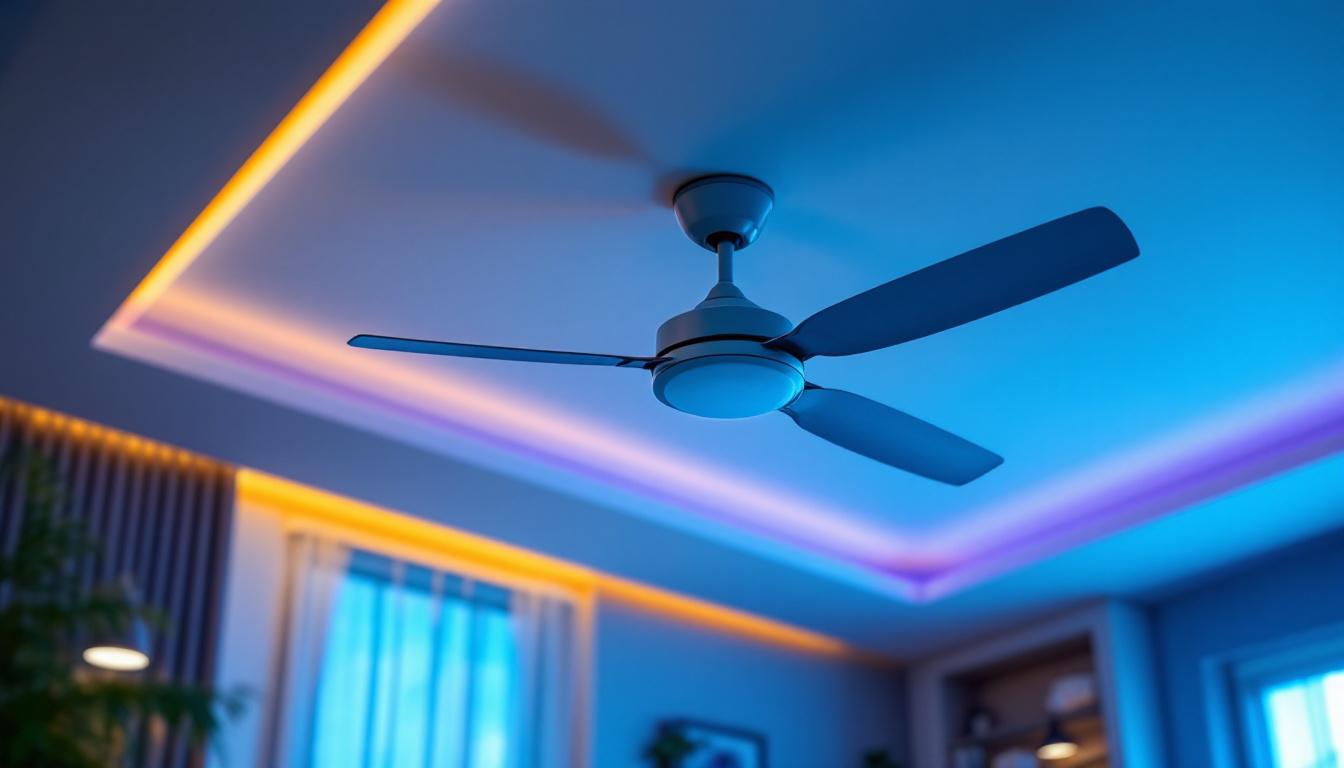
Ceiling paddle fans have long been a staple in residential and commercial spaces, valued for their dual functionality—providing both air circulation and ambient lighting. For lighting contractors, integrating these fans into projects requires a nuanced understanding of their evolving role in interior environments. As energy efficiency standards tighten and consumer preferences shift towards smarter, more sustainable solutions, ceiling paddle fans are no longer just about cooling and illumination; they are becoming integral components of holistic environmental control systems.
Lighting contractors must recognize that ceiling paddle fans serve as a bridge between traditional lighting fixtures and emerging smart home technologies. Their design and functionality influence not only the aesthetics of a space but also its energy consumption and user comfort. This dual impact makes them a critical consideration in future-proofing lighting projects, ensuring longevity, adaptability, and compliance with evolving building codes and energy regulations.
The Dual Functionality Advantage
One of the primary reasons ceiling paddle fans remain relevant is their ability to combine lighting with air movement. This integration can reduce the need for additional cooling systems and separate light fixtures, streamlining installation and maintenance. For contractors, this means fewer components to manage and potentially lower project costs, provided the right models and configurations are selected.
Moreover, ceiling paddle fans equipped with LED lighting offer significant energy savings. LEDs consume less power and have longer lifespans than traditional incandescent or fluorescent bulbs, aligning with the growing demand for sustainable building solutions. Incorporating LED-equipped fans can help contractors meet client expectations for energy efficiency while enhancing the overall functionality of the space.
In addition to energy efficiency, the aesthetic versatility of ceiling paddle fans has evolved dramatically. Modern designs range from sleek and minimalist to ornate and vintage, allowing them to complement various interior styles—from contemporary to rustic. This adaptability means that contractors can offer clients a wider array of options, ensuring that the fans not only serve their functional purpose but also enhance the overall design narrative of the space. Furthermore, many fans now come with customizable features such as interchangeable blades and integrated smart technology, allowing users to control speed, lighting, and even schedule operations through mobile apps or voice commands, making them a perfect fit for today’s tech-savvy homeowners.
Additionally, the health benefits associated with ceiling paddle fans cannot be overlooked. Proper air circulation helps to maintain indoor air quality by preventing the stagnation of air, which can lead to the buildup of allergens and pollutants. This is particularly important in tightly sealed modern homes where ventilation can be limited. By incorporating ceiling paddle fans into lighting projects, contractors can contribute to healthier living environments, aligning with the increasing consumer focus on wellness in home design. As such, these fans not only fulfill aesthetic and functional roles but also play a vital part in promoting a comfortable and healthy atmosphere for occupants.
Key Considerations for Future-Proofing Ceiling Paddle Fan Installations
Future-proofing lighting projects involving ceiling paddle fans involves anticipating changes in technology, regulations, and user needs. Contractors must evaluate several critical factors to ensure that installations remain relevant and effective over time.
Energy Efficiency and Compliance
Energy codes and standards are becoming increasingly stringent worldwide, with a strong emphasis on reducing carbon footprints and optimizing energy consumption. Ceiling paddle fans must comply with these evolving requirements, which often include minimum efficiency ratings, use of energy-saving lighting technologies, and compatibility with advanced control systems.
Lighting contractors should prioritize fans that are ENERGY STAR® certified or meet equivalent regional standards. These products have been tested for energy efficiency and performance, providing assurance that the installation will contribute to lower utility costs and regulatory compliance. Additionally, selecting fans with dimmable LED lighting and variable speed controls can further enhance energy savings and user comfort.
Smart Integration and Control Systems
The rise of smart home and building automation technologies has transformed expectations for lighting and climate control. Ceiling paddle fans that integrate seamlessly with smart hubs, voice assistants, and mobile apps offer enhanced convenience and customization. For contractors, this means specifying fans with compatible communication protocols such as Wi-Fi, Zigbee, or Z-Wave.
Smart controls enable features like scheduling, occupancy sensing, and adaptive speed adjustment based on room temperature or humidity. These capabilities not only improve user experience but also contribute to energy conservation. Future-proof installations should include fans that can be updated via firmware upgrades, ensuring they remain compatible with evolving smart ecosystems.
Durability and Maintenance Considerations
Longevity is a cornerstone of future-proof design. Ceiling paddle fans installed today should withstand the test of time in terms of both physical durability and technological relevance. Contractors should select fans made from high-quality materials resistant to warping, corrosion, and wear, especially in environments with high humidity or temperature fluctuations.
Maintenance accessibility is another important factor. Fans with modular components and easy-to-replace lighting modules reduce downtime and service costs. Additionally, choosing models with sealed LED units can prevent dust and moisture ingress, prolonging the lifespan of the lighting elements.
Design Trends Impacting Ceiling Paddle Fan Selection
Design preferences influence the choice of ceiling paddle fans, affecting both aesthetics and functionality. Staying abreast of current and emerging trends helps contractors recommend products that align with client expectations and market demands.
Minimalist and Multifunctional Designs
Modern interiors often favor minimalist designs that blend seamlessly with architectural elements. Ceiling paddle fans with sleek, unobtrusive profiles and neutral finishes are increasingly popular. Some models feature reversible blades with different colors or textures on each side, allowing users to customize the look without replacing the fan.
Multifunctional designs that incorporate additional features—such as integrated air purifiers, humidity sensors, or ambient light color tuning—are gaining traction. These enhancements add value by addressing multiple environmental factors within a single fixture, appealing to clients seeking comprehensive comfort solutions.
Eco-Friendly Materials and Manufacturing
Environmental consciousness extends beyond energy efficiency to include the materials and manufacturing processes used in ceiling paddle fans. Fans made from sustainably sourced wood, recycled metals, or biodegradable plastics resonate with eco-aware consumers and businesses.
Contractors can differentiate their offerings by specifying products with transparent supply chains and certifications for responsible manufacturing. This approach not only supports sustainability goals but also enhances the marketability of the project to environmentally conscious stakeholders.
Installation Best Practices to Maximize Longevity and Performance
Proper installation is crucial to ensuring that ceiling paddle fans perform optimally and maintain their functionality over time. Lighting contractors must adhere to best practices that address both electrical and mechanical aspects of the installation.
Assessing Structural and Electrical Requirements
Ceiling paddle fans require secure mounting to support their weight and operational vibrations. Contractors should evaluate ceiling joists and supports to confirm they can accommodate the fan’s specifications. In some cases, additional bracing or mounting boxes may be necessary to ensure safety and stability.
Electrical wiring must comply with local codes and support the fan’s power and control needs. This includes providing dedicated circuits where required and ensuring compatibility with dimmers, speed controllers, and smart home interfaces. Proper grounding and surge protection are also essential to prevent damage and ensure user safety.
Optimizing Placement and Orientation
The effectiveness of a ceiling paddle fan depends significantly on its placement within the room. Contractors should consider ceiling height, room size, and airflow patterns when positioning the fan. For example, fans installed in rooms with ceilings higher than 9 feet may require longer downrods to optimize air circulation.
Orientation of the blades can be adjusted seasonally to promote cooling or heating efficiency—counterclockwise rotation for cooling in warmer months and clockwise for heat distribution in cooler months. Educating clients on this feature can enhance satisfaction and energy savings.
Ensuring User-Friendly Controls and Accessibility
Ease of use is a critical factor in the long-term success of ceiling paddle fan installations. Controls should be intuitive and accessible, whether through wall switches, remote controls, or smart devices. Contractors should verify that control systems are compatible with the client’s preferences and lifestyle.
In commercial settings, integrating fans with building management systems can streamline operations and reduce energy costs. For residential projects, offering options for voice control or smartphone app integration can add convenience and appeal.
Case Studies: Successful Future-Proof Ceiling Paddle Fan Projects
Examining real-world examples provides valuable insights into best practices and innovative approaches to ceiling paddle fan installations that stand the test of time.
Energy-Efficient Retrofit in a Commercial Office
A commercial office building underwent a retrofit to improve energy efficiency and occupant comfort. Lighting contractors replaced outdated ceiling fans with ENERGY STAR® certified paddle fans featuring integrated LED lighting and smart controls. The new fans were connected to the building’s automation system, allowing for scheduled operation and occupancy-based adjustments.
The project resulted in a 30% reduction in energy consumption related to lighting and cooling, improved air circulation, and enhanced user satisfaction. The modular design of the fans facilitated easy maintenance, reducing downtime and operational costs.
Smart Home Integration in a Residential Development
In a high-end residential development, lighting contractors specified ceiling paddle fans compatible with popular smart home platforms. These fans offered customizable lighting color temperatures, adjustable blade speeds, and voice control capabilities. The installation included training for homeowners on maximizing the fans’ features.
The integration of smart fans contributed to a seamless living experience, with users able to tailor lighting and airflow to their preferences remotely. The project demonstrated how future-proofing through technology integration can elevate the value and appeal of residential properties.
Conclusion: Strategic Selection and Installation for Long-Term Success
Ceiling paddle fans are evolving beyond their traditional roles, becoming sophisticated elements of modern lighting and environmental control systems. For lighting contractors, future-proofing projects involving these fans requires a comprehensive approach that balances energy efficiency, smart technology integration, design trends, and robust installation practices.
By prioritizing certified energy-efficient products, embracing smart control capabilities, and adhering to best installation practices, contractors can deliver solutions that meet current demands and adapt to future advancements. This strategic approach not only enhances client satisfaction but also positions contractors as forward-thinking professionals in a competitive market.
Ultimately, the successful integration of ceiling paddle fans into lighting projects hinges on understanding their multifaceted role and anticipating the evolving landscape of building technologies and occupant expectations. With thoughtful planning and execution, ceiling paddle fans can be a cornerstone of sustainable, comfortable, and technologically advanced interior environments.
Illuminate Your Projects with LumenWholesale
Ready to elevate your lighting projects with the latest in ceiling paddle fans? At LumenWholesale, we provide lighting contractors with exceptional, spec-grade lighting solutions at prices that can’t be beaten. Our extensive selection of premium, energy-efficient ceiling paddle fans is designed to meet the highest industry standards, ensuring your projects are future-proofed, sustainable, and in line with the latest smart technology trends. Say goodbye to middleman markups and hello to hassle-free bulk buying with free shipping. Don’t compromise on quality or value—Wholesale Lighting at the Best Value is just a click away. Choose LumenWholesale for quality, affordability, and convenience, and light up your projects with confidence.