Understanding the Role of Lighting in Film Production
Lighting is one of the most critical elements in filmmaking, shaping the mood, tone, and visual storytelling of a movie. For lighting contractors, understanding the nuances of movie set lights goes beyond simply illuminating a scene; it involves creating an atmosphere that supports the director’s vision and enhances the narrative.
On a film set, lighting must be versatile and adaptable to various shooting conditions and artistic demands. Unlike traditional lighting in architectural or commercial settings, movie lighting requires a deep knowledge of color temperature, light intensity, diffusion, and shadow manipulation. These factors work together to evoke emotions, highlight characters, and bring the story to life.
The Impact of Lighting on Cinematography
Cinematographers rely heavily on lighting to craft the visual language of a film. Proper lighting can emphasize textures, create depth, and guide the audience’s focus. For example, chiaroscuro lighting — characterized by strong contrasts between light and dark — is often used in thrillers and noir films to build suspense and mystery.
Lighting contractors must collaborate closely with directors of photography (DPs) to implement lighting setups that align with the creative goals. This partnership ensures that technical execution supports artistic intent, balancing practical constraints such as budget, time, and equipment availability. Additionally, the choice of lighting instruments, such as LED panels, Fresnels, or HMI lights, can dramatically influence the final look of a scene. Each type of light has its own unique qualities, and understanding how to manipulate them can lead to innovative visual storytelling.
Moreover, the use of color gels and filters can further enhance the emotional tone of a scene. For instance, warm tones can evoke feelings of comfort and nostalgia, while cooler tones may create a sense of detachment or tension. This deliberate use of color in lighting can also help to signify character arcs or thematic elements within the narrative, making it an essential tool for filmmakers. As technology advances, the integration of digital lighting techniques, such as virtual lighting in post-production, is becoming increasingly prevalent, offering even more creative possibilities for filmmakers to explore.
Key Types of Movie Set Lights and Their Applications
Familiarity with the various types of lighting instruments used on movie sets is essential for contractors. Each type serves a distinct purpose and offers unique advantages depending on the scene requirements.
1. Tungsten Lights
Tungsten lights have been a staple in film production due to their warm color temperature, typically around 3200K. They produce a natural, incandescent glow that is flattering for skin tones and indoor scenes. However, tungsten lights generate significant heat and consume more power compared to modern alternatives.
Despite these drawbacks, tungsten fixtures remain popular for their consistent color rendering and ease of dimming, which allows for precise control over light intensity.
2. HMI (Hydrargyrum Medium-arc Iodide) Lights
HMIs are powerful daylight-balanced lights, usually around 5600K, designed to mimic natural sunlight. They are commonly used for outdoor shoots or to simulate daylight indoors. HMIs offer high output with relatively low power consumption, making them efficient for large-scale productions.
One challenge with HMIs is their flickering if not properly ballasted, which can cause issues during filming. Lighting contractors need to ensure that ballasts are compatible and functioning correctly to avoid this problem.
3. LED Lights
LED technology has revolutionized movie set lighting in recent years. LEDs offer energy efficiency, low heat emission, and adjustable color temperature, making them highly versatile. Many modern LED fixtures allow for remote control of brightness and color, enabling quick adjustments without physically moving the lights.
Moreover, LEDs have a long lifespan and are more durable, reducing maintenance costs. Their compact size also allows for creative placement in tight or unconventional spaces on set.
4. Fluorescent Lights
While less common in high-end film production, fluorescent lights are sometimes used for soft, diffused lighting. They are energy-efficient and produce less heat but generally have a lower color rendering index (CRI), which can affect the accuracy of colors on camera.
Fluorescents are often employed in interviews or documentary-style shoots where soft, natural light is desired without the intensity of tungsten or HMI fixtures.
Essential Lighting Techniques for Movie Sets
Beyond the types of lights, the techniques used to position and modify light are crucial for achieving the desired cinematic effect. Lighting contractors must be proficient in these methods to meet the creative and technical demands of film production.
Three-Point Lighting
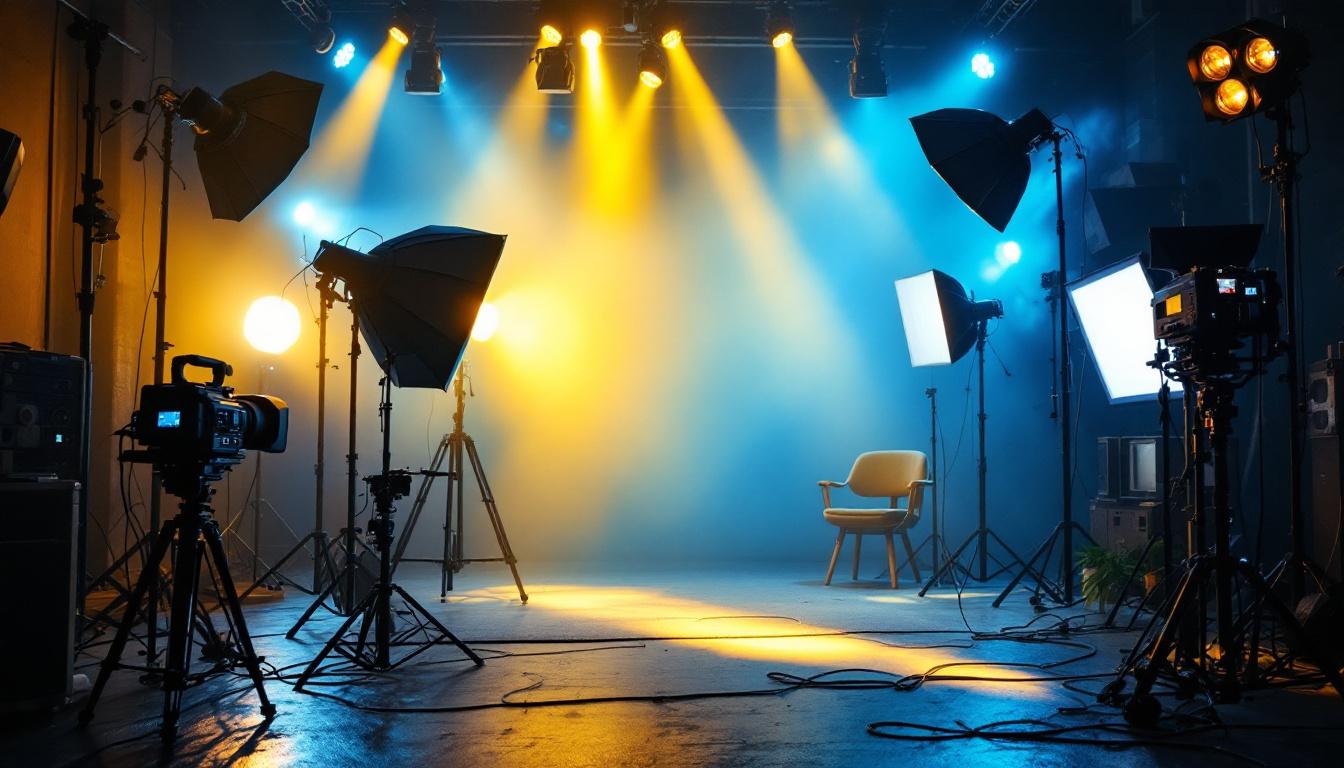
Three-point lighting is a foundational technique that uses three light sources: key light, fill light, and backlight. The key light is the primary source, illuminating the subject. The fill light softens shadows created by the key light, and the backlight separates the subject from the background, adding depth.
This setup is versatile and can be adapted for various moods by adjusting the intensity and placement of each light. For example, increasing the contrast between key and fill lights can create a dramatic effect, while equalizing them produces a softer, more natural look.
Motivated Lighting
Motivated lighting involves replicating or enhancing natural light sources within the scene, such as lamps, windows, or streetlights. This technique helps maintain realism while allowing creative control over brightness and color.
Lighting contractors must skillfully hide or supplement practical lights with additional fixtures to achieve the desired illumination without disrupting the set’s authenticity.
Use of Diffusers and Reflectors
Diffusers soften harsh light, reducing shadows and glare, which is especially important for close-up shots or scenes requiring a gentle ambiance. Reflectors bounce light into shadowed areas, filling in dark spots without adding extra light sources.
Mastering the use of these tools enables lighting contractors to manipulate light quality and direction subtly, enhancing the overall visual texture of the film.
Technical Considerations for Lighting Contractors
Lighting a movie set involves numerous technical challenges that contractors must anticipate and manage effectively to ensure smooth production.
Power Requirements and Safety
Film sets often require high wattage lighting setups, necessitating careful planning of electrical load and distribution. Lighting contractors must coordinate with electricians and production managers to ensure that power sources can safely handle the demand without risking outages or hazards.
Additionally, the heat generated by traditional lights like tungsten can pose fire risks. Proper ventilation, secure mounting, and adherence to safety protocols are mandatory to protect cast, crew, and equipment.
Color Temperature and White Balance
Maintaining consistent color temperature across all light sources is vital for seamless post-production color grading. Lighting contractors must be adept at selecting and adjusting lights to match the desired white balance, whether it’s warm indoor lighting or cool daylight.
Using gels or filters can help modify color temperature, but these must be applied carefully to avoid unwanted color casts or flickering on camera.
Rigging and Mobility
Movie sets are dynamic environments where lighting setups may need to change rapidly between scenes or shots. Lighting contractors should prioritize equipment that is easy to rig, reposition, and adjust without compromising stability or safety.
Portable lighting solutions and modular rigs can save time and labor, contributing to a more efficient shooting schedule.
Emerging Trends and Innovations in Movie Set Lighting
The film industry continuously evolves, and lighting technology is no exception. Staying informed about the latest advancements allows lighting contractors to offer cutting-edge solutions that enhance production quality and efficiency.
Smart Lighting Systems
Integration of smart lighting controls enables remote operation and programmable lighting sequences. These systems allow for precise adjustments in intensity, color, and timing, which can be synchronized with camera movements or special effects.
Such technology reduces manual intervention during shoots, minimizing disruptions and enabling complex lighting designs that were previously difficult to achieve.
High-CRI LED Fixtures
Advancements in LED technology have led to fixtures with exceptionally high Color Rendering Index (CRI), closely replicating natural light. High-CRI LEDs improve color accuracy on camera, which is crucial for makeup, costumes, and set design.
Lighting contractors should consider investing in these fixtures to meet the growing demand for visually authentic and vibrant imagery.
Energy Efficiency and Sustainability
Environmental considerations are increasingly influencing production choices. Energy-efficient lighting not only reduces operational costs but also aligns with industry efforts to minimize carbon footprints.
Contractors who prioritize sustainable lighting options can position themselves as valuable partners in eco-conscious productions, opening doors to new opportunities.
Best Practices for Lighting Contractors on Movie Sets
Success in movie set lighting requires a blend of technical expertise, creativity, and collaboration. The following best practices can help lighting contractors excel in this specialized field.
Effective Communication with the Production Team
Clear dialogue with directors, cinematographers, and other crew members ensures that lighting setups meet artistic and practical needs. Understanding the script, storyboard, and shot list enables contractors to anticipate challenges and prepare accordingly.
Thorough Pre-Production Planning
Scouting locations, reviewing lighting plots, and conducting equipment checks before shooting begins can prevent costly delays. Pre-visualization tools and lighting simulations help in designing setups that align with the director’s vision.
Flexibility and Problem-Solving
Film sets are often unpredictable, with last-minute changes and unforeseen obstacles. Lighting contractors must be adaptable, ready to troubleshoot issues such as equipment failure, weather conditions, or space constraints quickly and effectively.
Continuous Learning and Skill Development
Staying updated on new technologies, industry standards, and creative techniques is essential. Attending workshops, networking with peers, and experimenting with new equipment can enhance a contractor’s expertise and reputation.
Conclusion
Movie set lighting is a complex, multifaceted discipline that demands both technical proficiency and artistic sensitivity. For lighting contractors, mastering the diverse types of lights, techniques, and technical considerations is crucial to supporting the creative vision and ensuring smooth production workflows.
By embracing emerging technologies and adhering to best practices, lighting contractors can elevate their craft, contribute significantly to cinematic storytelling, and thrive in the competitive film industry landscape.
Illuminate Your Productions with LumenWholesale
Ready to take your movie set lighting to the next level? At LumenWholesale, we provide lighting contractors with the high-quality, spec-grade lighting products you need to create compelling cinematic experiences. With our unbeatable wholesale prices and commitment to cutting out the middleman, you’re guaranteed to get the best value for your investment. Our extensive selection not only meets but exceeds industry standards, ensuring that your lighting is reliable and effective for any scene. Plus, with the convenience of free shipping on bulk orders, you can stock up on premium lighting without worrying about hidden fees or complications. Elevate your craft and support your creative vision with the perfect blend of quality, affordability, and convenience at LumenWholesale — your partner in professional lighting solutions.