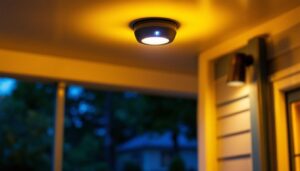
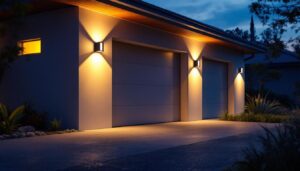
Introduction to LED Solar Patio Lighting
For lighting contractors, understanding the nuances of LED solar patio lights is essential in meeting the growing demand for sustainable, efficient, and aesthetically pleasing outdoor lighting solutions. Solar-powered LED patio lights combine the benefits of energy efficiency, ease of installation, and environmental friendliness, making them a popular choice for both residential and commercial projects.
In this article, we’ll delve into the technology behind LED solar patio lights, explore their advantages and limitations, and provide practical insights tailored specifically for lighting contractors aiming to deliver superior outdoor lighting installations.
LED solar patio lights utilize photovoltaic cells to convert sunlight into electricity, which is then stored in rechargeable batteries for use during the night. This technology not only reduces reliance on traditional power sources but also minimizes installation costs since there is no need for wiring or electrical outlets. The integration of LED technology further enhances their appeal, as LEDs consume significantly less energy than incandescent bulbs while providing brighter illumination. Additionally, many modern solar lights come equipped with motion sensors and adjustable brightness settings, allowing contractors to create customized lighting solutions that enhance safety and ambiance in outdoor spaces.
Moreover, the aesthetic versatility of LED solar patio lights cannot be overlooked. Available in various designs, colors, and styles, these lights can complement any outdoor decor, from rustic gardens to sleek contemporary patios. Contractors can choose from string lights, lanterns, or spotlights to create the desired atmosphere, whether it’s for a cozy gathering or a vibrant outdoor event. Furthermore, advancements in solar technology have led to improved battery life and performance, even in less-than-ideal weather conditions, ensuring that these lights remain functional and reliable throughout the year. As the demand for eco-friendly solutions continues to rise, incorporating LED solar patio lights into a contractor’s offerings can provide a competitive edge in the market.
How LED Solar Patio Lights Work
Core Components and Functionality
At the heart of every LED solar patio light are three key components: the solar panel, the rechargeable battery, and the LED light source. The solar panel captures sunlight during the day and converts it into electrical energy, which is stored in the battery. When darkness falls, the stored energy powers the LED, providing illumination without the need for external wiring or electrical connections.
This self-contained system makes LED solar patio lights highly versatile, especially in locations where running electrical wiring is impractical or cost-prohibitive.
LED Technology Advantages
LEDs (Light Emitting Diodes) are preferred over traditional incandescent or halogen bulbs due to their superior energy efficiency, longevity, and durability. LEDs consume significantly less power—up to 80% less than incandescent bulbs—allowing solar-powered units to operate longer on stored energy. Their lifespan often exceeds 25,000 hours, reducing maintenance and replacement frequency.
Additionally, LEDs generate minimal heat, which improves safety and allows for more compact fixture designs suitable for patios and outdoor spaces.
Benefits of LED Solar Patio Lights for Contractors and Clients
Energy Efficiency and Cost Savings
One of the primary selling points for LED solar patio lights is their ability to reduce energy consumption and utility costs. Since these lights rely entirely on solar energy, they eliminate electricity bills associated with outdoor lighting. For clients looking to enhance their outdoor spaces sustainably, this translates to long-term savings and a reduced carbon footprint.
For contractors, offering solar LED options can differentiate your services by aligning with green building practices and energy codes increasingly adopted in many regions.
Ease of Installation and Flexibility
Unlike traditional wired lighting systems, solar patio lights require no trenching, conduit installation, or electrical permits in most jurisdictions. This dramatically reduces labor time and complexity, allowing contractors to complete projects faster and with fewer logistical challenges.
The wireless nature of solar lights also offers unparalleled flexibility in placement. Clients can easily relocate fixtures to optimize lighting or accommodate seasonal changes without rewiring or professional intervention.
Enhanced Safety and Reliability
Solar LED patio lights operate at low voltage, minimizing electrical hazards associated with outdoor lighting installations. This is particularly important in wet environments or areas frequented by children and pets.
Moreover, many solar LED fixtures are designed with weather-resistant materials and sealed components, ensuring reliable performance in diverse climates. This durability reduces callbacks and maintenance costs for contractors.
Key Considerations When Specifying LED Solar Patio Lights
Solar Panel Quality and Placement
The efficiency of a solar patio light heavily depends on the quality and positioning of its solar panel. High-grade monocrystalline panels offer better energy conversion rates and perform well in low-light conditions compared to polycrystalline or amorphous panels.
Contractors should advise clients to install solar panels in locations with maximum sun exposure, free from shading by trees, buildings, or other obstructions. Even partial shading can significantly reduce charging efficiency and light output.
Battery Capacity and Type
The battery stores the energy captured by the solar panel and powers the LED at night. Lithium-ion batteries are preferred due to their higher energy density, longer cycle life, and better performance in varying temperatures compared to traditional nickel-metal hydride (NiMH) or sealed lead-acid batteries.
Understanding battery specifications such as capacity (measured in milliampere-hours or ampere-hours) and expected lifespan is crucial for contractors to ensure the lighting system meets client expectations for runtime and longevity.
Light Output and Color Temperature
Illumination levels for patio lighting are typically measured in lumens. Contractors should select LED solar fixtures that provide sufficient brightness for the intended application, whether ambient lighting for relaxation or task lighting for dining and gatherings.
Color temperature, measured in Kelvins (K), influences the ambiance. Warm white (2700K–3000K) creates a cozy atmosphere, while cool white (4000K–5000K) offers a more modern, crisp look. Offering clients options tailored to their aesthetic preferences enhances satisfaction.
Durability and Weather Resistance
Outdoor lighting fixtures must withstand exposure to rain, wind, dust, and temperature fluctuations. Look for products with an IP (Ingress Protection) rating of at least IP65, indicating protection against dust and water jets.
Materials such as anodized aluminum, stainless steel, and UV-resistant plastics extend fixture lifespan and maintain appearance over time, reducing maintenance demands.
Common Applications and Design Tips for Lighting Contractors
Patio and Deck Lighting
LED solar lights are ideal for illuminating patios, decks, and pergolas. String lights, post caps, and recessed fixtures can create layered lighting effects that enhance usability and ambiance.
Contractors should consider the layout carefully, balancing light distribution to avoid dark spots while preventing glare. Combining solar lights with other lighting types can provide a comprehensive solution.
Pathway and Landscape Lighting
Solar LED fixtures can define walkways and highlight landscaping features without trenching or wiring. Low-profile stake lights or bollards are popular choices that improve safety and aesthetics.
Incorporating motion sensors or dusk-to-dawn photocells adds functionality and energy savings by activating lights only when needed.
Commercial Outdoor Spaces
For commercial clients, solar LED patio lights offer cost-effective solutions for outdoor dining areas, courtyards, and event spaces. Their wireless nature simplifies installation in leased properties or historic buildings where wiring modifications are restricted.
Contractors should ensure compliance with local lighting ordinances and consider integrating solar lighting with existing electrical systems for hybrid solutions where higher illumination levels are required.
Challenges and Limitations to Address
Dependence on Sunlight and Weather Conditions
Solar patio lights rely on adequate sunlight to charge batteries fully. Prolonged cloudy or rainy periods can reduce performance, leading to shorter illumination times or dimmer light output.
Contractors should assess site conditions carefully and discuss these limitations with clients. In some cases, hybrid systems that combine solar and wired power sources may be recommended to ensure consistent lighting.
Initial Cost vs. Long-Term Savings
While LED solar patio lights can reduce operational costs, their upfront price is often higher than conventional wired fixtures. Educating clients about the total cost of ownership—including installation, energy savings, and maintenance—helps justify the investment.
Offering financing options or phased installation plans can make solar lighting more accessible to budget-conscious customers.
Light Output Constraints
Solar LED lights generally produce lower lumen outputs compared to wired systems powered by mains electricity. This can limit their use in applications requiring high-intensity lighting or large coverage areas.
Contractors should carefully evaluate project requirements and, when necessary, supplement solar lighting with traditional fixtures.
Installation Best Practices for Lighting Contractors
Site Assessment and Planning
Thorough site evaluation is critical. Contractors should identify optimal solar panel locations, verify sunlight availability, and plan fixture placement to maximize both functionality and aesthetics.
Engaging clients during this phase ensures their preferences are incorporated and potential challenges are addressed early.
Proper Mounting and Wiring Techniques
Though solar patio lights are wireless, some models may require minimal wiring for features like remote controls or integrated sensors. Using weatherproof connectors and secure mounting hardware enhances durability and safety.
Ensuring solar panels are angled correctly—typically between 15 to 40 degrees depending on latitude—optimizes energy capture.
Maintenance and Client Education
Educating clients on routine maintenance, such as cleaning solar panels and replacing batteries when needed, extends system lifespan and performance. Providing clear documentation and maintenance schedules fosters client satisfaction and reduces service calls.
Emerging Trends and Innovations in Solar LED Patio Lighting
Smart Controls and Connectivity
Advancements in smart lighting technology have led to solar LED patio lights integrated with wireless controls, allowing users to adjust brightness, color, and schedules via smartphone apps or voice assistants. These features enhance user experience and energy management.
Lighting contractors can leverage these innovations to offer cutting-edge solutions that appeal to tech-savvy clients.
Improved Battery Technologies
Next-generation battery chemistries, including solid-state and advanced lithium variants, promise longer lifespans, faster charging, and better performance in extreme temperatures. These improvements will further increase the reliability and appeal of solar patio lighting systems.
Design Integration and Customization
Manufacturers are producing solar LED fixtures with customizable aesthetics, including modular designs, color options, and architectural styles. This allows contractors to tailor lighting solutions to diverse client tastes and project themes.
Conclusion: Positioning Yourself as a Solar LED Lighting Expert
For lighting contractors, mastering the intricacies of LED solar patio lighting opens new avenues for business growth and client satisfaction. By understanding the technology, benefits, and challenges, contractors can confidently recommend and install solar LED solutions that meet modern demands for sustainability, efficiency, and design excellence.
Staying informed about emerging trends and best practices ensures that contractors remain competitive and capable of delivering innovative outdoor lighting experiences that enhance both function and ambiance.
Discover Unmatched Value with LumenWholesale
Ready to elevate your lighting projects with the best in LED solar patio lighting? At LumenWholesale, we provide lighting contractors like you with the highest quality, spec-grade lighting products at prices that simply can’t be beaten. Say goodbye to local distributor markups and hello to our extensive selection that meets rigorous industry standards. With free shipping on bulk orders, you can trust that you’re getting premium lighting solutions at the best value, with no hidden costs. Take the next step in becoming a solar LED lighting expert and experience wholesale lighting at the best value today.