Understanding the Unique Challenges of Antique Church Light Fixtures
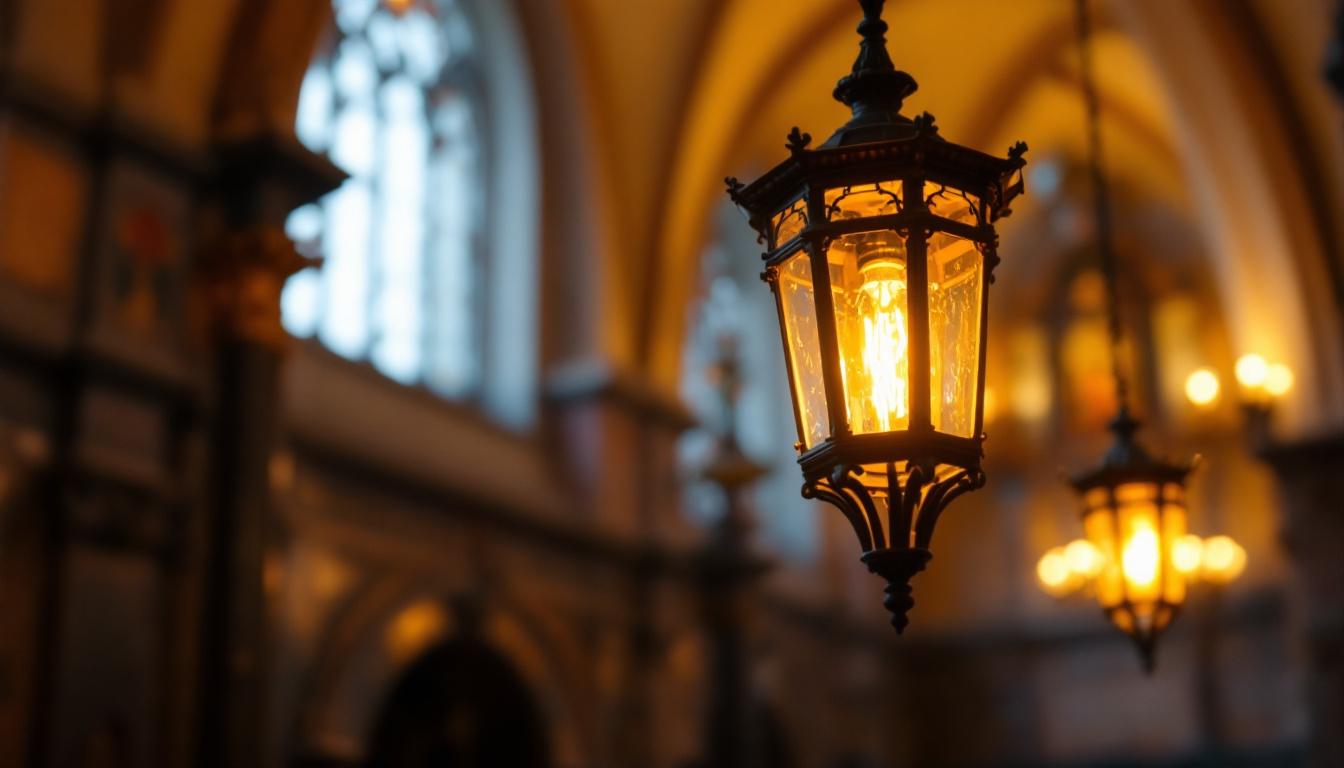
Antique church light fixtures are more than just sources of illumination; they are historical artifacts that embody the architectural and cultural heritage of sacred spaces. For lighting contractors, working with these fixtures presents a unique set of challenges that go beyond standard electrical installations. These challenges require specialized knowledge, sensitivity to preservation concerns, and a commitment to safety and functionality.
Churches often feature intricate chandeliers, sconces, and pendant lights crafted from materials such as brass, wrought iron, or stained glass. These fixtures may date back several decades or even centuries, making them delicate and sometimes incompatible with modern electrical standards. Understanding the historical context and physical condition of these fixtures is essential before undertaking any restoration or rewiring project.
Moreover, lighting contractors must navigate regulatory requirements related to historical preservation, electrical codes, and safety standards. Failure to comply with these can result in costly delays, damage to priceless artifacts, or even safety hazards for congregants and maintenance staff.
Historical Significance and Material Considerations
Antique light fixtures often feature craftsmanship techniques and materials that are no longer in common use. For example, hand-blown glass shades, hand-forged metal components, and original wiring insulated with materials now considered unsafe are common. These elements require careful handling and sometimes custom solutions to maintain authenticity while upgrading functionality.
Lighting contractors should collaborate with preservationists or consult historical records to understand the original design intent and materials used. This knowledge aids in selecting appropriate restoration methods and compatible replacement parts that do not compromise the fixture’s integrity. Furthermore, the aesthetic appeal of these fixtures often lies in their unique patinas and wear, which tell a story of their own. Preserving these characteristics while ensuring that the fixtures can safely accommodate modern lighting technologies is a delicate balancing act that requires both artistic sensibility and technical expertise.
Electrical Safety and Code Compliance
One of the most critical issues when dealing with antique church light fixtures is ensuring electrical safety. Many older fixtures were wired before the advent of modern grounding and insulation standards. Using outdated wiring or components can pose fire risks or electrical shock hazards.
Contractors must assess the existing wiring condition thoroughly and replace any components that do not meet current electrical codes. This often involves retrofitting fixtures with modern wiring while preserving their external appearance. Additionally, grounding must be carefully integrated without damaging the fixture’s structure. In some cases, this may involve the use of specialized connectors or discreet modifications that allow for compliance without altering the visible aspects of the fixture. The goal is to achieve a seamless integration of modern safety standards while honoring the fixture’s historical significance, ensuring that these beautiful pieces can continue to illuminate sacred spaces for generations to come.
Common Issues Lighting Contractors Encounter with Antique Church Fixtures
Lighting contractors frequently face a range of issues when working with antique church fixtures. Recognizing these common problems in advance can help avoid costly mistakes and ensure a smooth restoration or installation process.
Fragility and Structural Integrity
Many antique fixtures have become fragile due to age, corrosion, or previous repairs. Metal components may be weakened by rust, and glass elements can be brittle or cracked. Handling these fixtures requires gentle techniques and appropriate support to prevent damage during removal, transportation, or installation.
Failure to account for fragility can lead to broken parts or compromised structural integrity, which not only affects aesthetics but also safety. Contractors should use padded supports, avoid excessive force, and consider consulting conservators for particularly delicate pieces. Moreover, it is essential to assess the fixture’s mounting hardware and attachment points, as these may also deteriorate over time. Reinforcing these areas with modern materials while preserving the original look can help maintain both the beauty and safety of the fixture.
Compatibility with Modern Lighting Technologies
Integrating modern lighting technologies such as LED bulbs or dimming systems with antique fixtures can be challenging. Many old fixtures were designed for incandescent bulbs with specific wattages and socket types. Using incompatible bulbs can cause overheating, flickering, or uneven lighting.
Contractors must select bulbs and drivers that mimic the original light quality while offering improved energy efficiency and longevity. Custom adapters or socket replacements may be necessary to accommodate these upgrades without altering the fixture’s appearance. Additionally, it is worth exploring smart lighting options that can enhance the ambiance of the church without compromising the historical integrity of the fixtures. By carefully selecting compatible technology, contractors can provide a modern solution that respects the past.
Inadequate Documentation and Unknown Modifications
Antique church fixtures often come with little to no documentation regarding their original wiring or previous modifications. Over the years, multiple repairs or alterations may have been done by unqualified personnel, leading to unsafe or non-compliant setups.
Lighting contractors should conduct comprehensive inspections, including testing for electrical continuity and insulation resistance, to identify hidden issues. Documenting findings and creating detailed plans for restoration or rewiring is essential for accountability and future maintenance. Furthermore, engaging with the church’s history can provide valuable context; understanding the fixture’s original purpose and significance can guide restoration efforts. Collaborating with historians or local preservation societies may uncover forgotten details that enhance the overall project and ensure that the final installation honors the fixture’s legacy.
Best Practices for Avoiding Issues with Antique Church Light Fixtures
To successfully work with antique church light fixtures, lighting contractors should adopt a strategic approach that balances preservation, safety, and functionality. The following best practices can help mitigate risks and deliver high-quality results.
Conduct Thorough Assessments Before Work Begins
Before any intervention, a detailed assessment of the fixture’s condition is crucial. This includes visual inspections, electrical testing, and, where possible, consultation with historical experts or conservators. Understanding the fixture’s construction, materials, and wiring layout informs the restoration strategy and helps anticipate potential challenges.
Additionally, contractors should review local and national electrical codes as well as any preservation guidelines applicable to the church. This ensures that all work complies with legal and ethical standards. It’s also beneficial to research the historical significance of the fixture, as many antique light fixtures are not only functional but also serve as important cultural artifacts that reflect the artistic styles and craftsmanship of their time.
Use Appropriate Tools and Techniques for Handling and Restoration
Handling antique fixtures requires specialized tools such as padded lifting straps, soft brushes for cleaning, and precision screwdrivers to avoid damaging delicate components. When cleaning, contractors should avoid harsh chemicals that could erode metal finishes or glass surfaces.
For rewiring, using flexible, heat-resistant wiring designed for restoration projects is recommended. Soldering connections rather than twisting wires can enhance reliability and safety. All modifications should be reversible where possible, preserving the option for future restorations. Moreover, it is wise to create a controlled environment for restoration work, as fluctuations in temperature and humidity can affect the integrity of both the materials and the craftsmanship involved.
Collaborate with Preservation Professionals and Stakeholders
Working closely with church authorities, preservationists, and electrical inspectors helps ensure that the project respects both historical and safety requirements. These stakeholders can provide valuable insights into the fixture’s history and acceptable restoration methods.
Engaging with the community also fosters transparency and appreciation for the work being done, which can be crucial for securing approvals and funding. Hosting informational sessions or workshops can educate congregants about the importance of preserving these fixtures, potentially leading to increased community involvement and support for the project. This collaborative approach not only enhances the restoration process but also strengthens the bond between the church and its members.
Document All Work Thoroughly
Maintaining detailed records of inspections, modifications, materials used, and compliance checks is essential. This documentation supports future maintenance efforts and provides a reference for any subsequent restoration projects.
Photographic records before, during, and after the work can illustrate the care taken and the improvements made, serving as a valuable portfolio for the contractor. Additionally, creating a comprehensive report that outlines the restoration process, challenges faced, and solutions implemented can serve as an educational tool for future projects and help establish best practices within the industry. This level of documentation not only enhances the contractor’s credibility but also contributes to a growing body of knowledge on the preservation of antique lighting fixtures.
Case Studies: Successful Restoration of Antique Church Light Fixtures
Examining real-world examples highlights how lighting contractors can effectively navigate the complexities of antique church lighting projects.
Restoration of a 19th-Century Brass Chandelier
A large brass chandelier in a historic church required rewiring to meet modern safety codes. The contractor began with a detailed assessment, noting corrosion on several arms and brittle original wiring. Collaborating with a metal conservator, the team carefully cleaned and stabilized the brass components using non-abrasive methods.
Modern, heat-resistant wiring was installed with custom-fabricated sockets matching the original design. LED bulbs with warm color temperatures were selected to replicate the chandelier’s original glow. The project was completed without altering the fixture’s appearance, and the church received updated lighting that was both safe and energy-efficient.
Upgrading Stained Glass Sconces While Preserving Original Artistry
In another project, a series of stained glass wall sconces posed challenges due to fragile glass panels and outdated wiring. The contractor worked with a stained glass artist to remove and protect the panels during rewiring. Flexible wiring was threaded carefully through the metal frames, and dimmable LED modules were installed to enhance ambiance.
The church was able to preserve the artistic integrity of the sconces while improving lighting quality and safety, demonstrating the value of interdisciplinary collaboration.
Conclusion: Prioritizing Preservation and Safety in Antique Church Lighting
Antique church light fixtures represent a vital connection to the past, enriching sacred spaces with their beauty and craftsmanship. For lighting contractors, the responsibility of maintaining and restoring these fixtures demands a careful balance of historical preservation, electrical safety, and modern functionality.
By understanding the unique challenges, anticipating common issues, and adhering to best practices, contractors can avoid pitfalls and deliver results that honor both the heritage and the practical needs of the church community. Collaboration, thorough documentation, and a commitment to quality workmanship ensure that these luminous treasures continue to inspire for generations to come.
Illuminate Your Projects with LumenWholesale
Ready to elevate your lighting projects with the perfect blend of quality, affordability, and convenience? Look no further than LumenWholesale for all your spec-grade lighting needs. Our extensive selection of premium lighting products meets the highest industry standards, ensuring you get reliable, high-performance lighting for even the most delicate antique church light fixtures. With unbeatable wholesale prices and free shipping on bulk orders, you can trust LumenWholesale to provide the best value without hidden fees or compromises. Wholesale Lighting at the Best Value is just a click away. Enhance your restoration projects and let these historical treasures shine with the support of LumenWholesale.