Understanding the Unique Challenges of Outdoor and Indoor Lighting
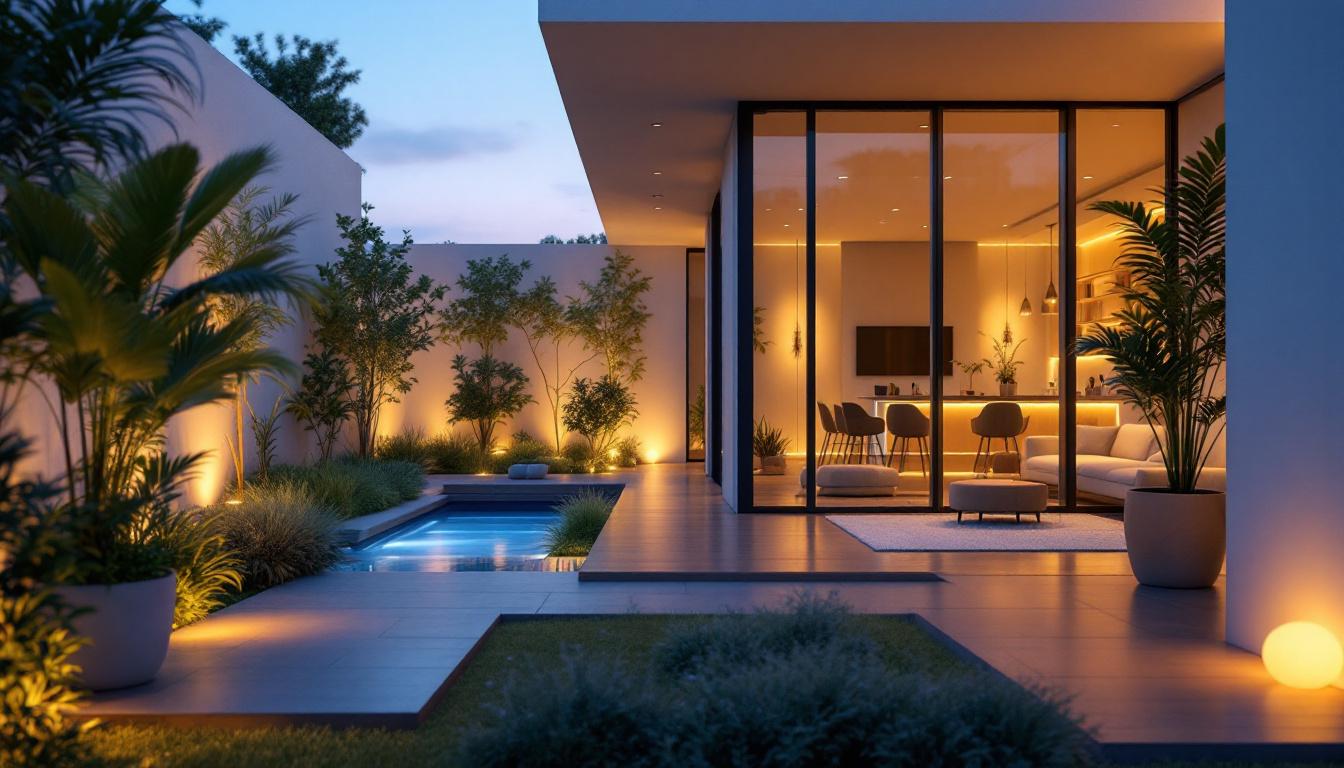
Lighting professionals face distinct challenges when working with outdoor versus indoor environments. Each setting demands a tailored approach to ensure safety, functionality, and aesthetic appeal. Outdoor lighting must withstand weather conditions, provide security, and enhance landscape features, while indoor lighting focuses on comfort, energy efficiency, and complementing interior design.
Recognizing these differences early in the planning stage can save time and resources. For instance, outdoor fixtures require weatherproof ratings such as IP65 or higher, whereas indoor fixtures prioritize factors like color rendering and dimmability. Balancing these requirements is critical for delivering a successful lighting installation.
Environmental Considerations for Outdoor Lighting
Outdoor lighting systems are exposed to elements that can impact performance and longevity. Rain, snow, humidity, and temperature fluctuations must be accounted for when selecting fixtures and materials. Corrosion-resistant finishes and sealed enclosures help protect against moisture ingress.
Additionally, outdoor lighting should minimize light pollution and glare. Using shielded fixtures and directing light downward preserves the night sky and reduces disturbances to neighbors and wildlife. This is not only a best practice but often a regulatory requirement in many jurisdictions. Moreover, the strategic placement of outdoor lights can enhance the safety of pathways and driveways, ensuring that individuals can navigate spaces without the risk of tripping or falling.
Indoor Lighting: Balancing Function and Ambiance
Inside a building, lighting serves multiple roles—from task illumination in workspaces to creating a welcoming atmosphere in living areas. Lighting professionals must consider the room’s purpose, occupant needs, and architectural features. Layered lighting strategies that combine ambient, task, and accent lighting are most effective.
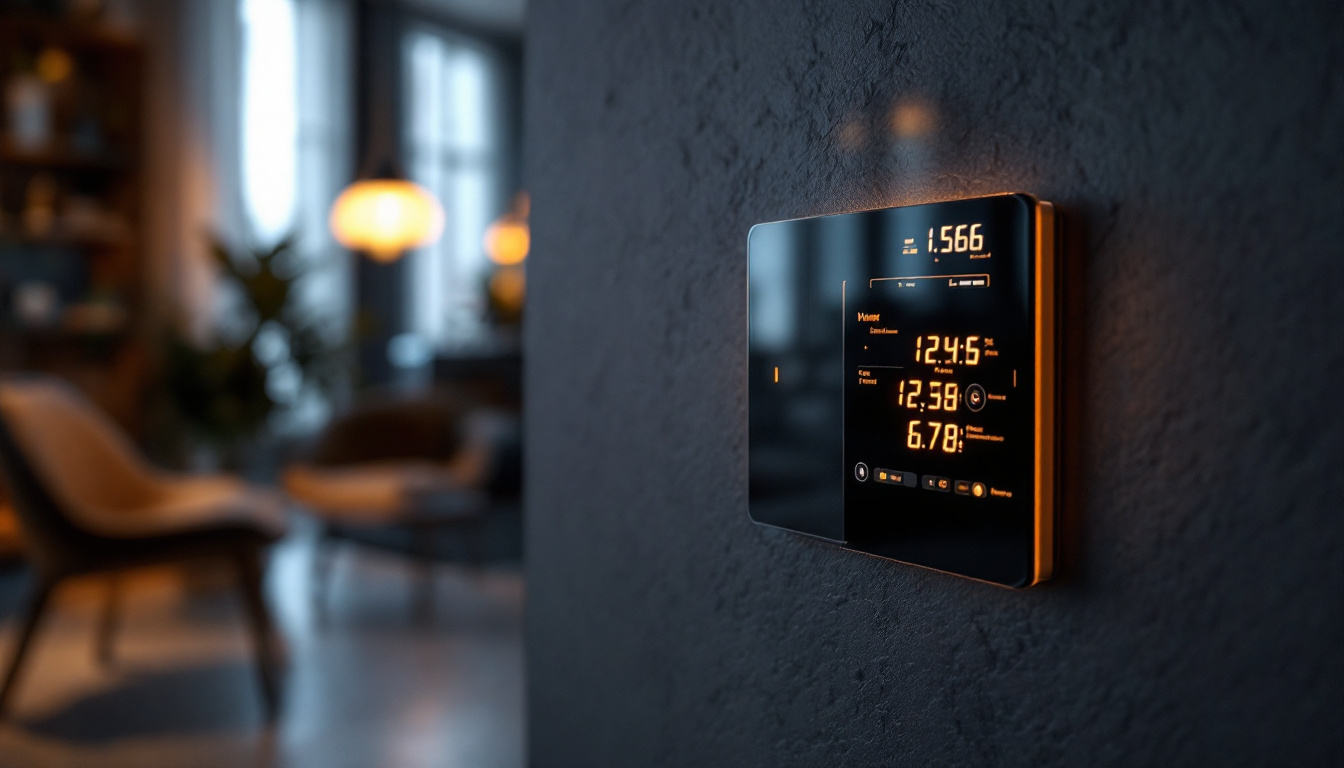
Energy efficiency is another priority indoors. Utilizing LED technology with appropriate color temperatures can reduce energy consumption and improve occupant comfort. Controls such as dimmers and occupancy sensors further optimize lighting use. Furthermore, the integration of smart lighting systems allows for personalized settings, enabling occupants to adjust lighting according to their mood or activity, whether it’s a bright light for reading or a soft glow for relaxation. This adaptability not only enhances the user experience but also contributes to significant energy savings over time, making it a win-win for both comfort and sustainability.
Key Components of an Effective Lighting Plan
Successful lighting projects begin with a comprehensive plan that addresses both technical and aesthetic factors. This checklist guides lighting contractors through essential steps to ensure quality outcomes.
Site and Space Assessment
Before selecting fixtures or designing layouts, conduct a thorough assessment of the site or space. For outdoor projects, evaluate terrain, existing landscape features, and potential obstructions. Identify areas requiring illumination for safety, security, or decoration.
Indoor assessments should include measurements of room dimensions, ceiling heights, and surface reflectances. Understanding how light interacts with walls, floors, and furnishings informs fixture placement and lumen requirements. Additionally, consider the purpose of each space; for instance, a cozy reading nook may benefit from warm, soft lighting, while a bustling kitchen might require brighter, more focused illumination to enhance functionality.
Compliance with Codes and Standards
Lighting installations must adhere to local building codes, electrical standards, and industry guidelines. For outdoor lighting, this may involve regulations on light trespass, energy use, and fixture placement. Indoor lighting must comply with electrical safety standards and accessibility requirements.
Familiarity with standards such as the Illuminating Engineering Society (IES) recommendations ensures that lighting levels meet functional needs without waste. Consulting these documents early prevents costly revisions and liability issues. Furthermore, staying updated on evolving regulations, such as those related to energy efficiency and sustainability, can not only enhance compliance but also improve the overall performance and longevity of the lighting system.
Fixture Selection and Specification
Choosing the right fixtures is pivotal. Consider factors like lumen output, color temperature, beam angle, and durability. Outdoor fixtures should have appropriate ingress protection (IP) ratings and be constructed from materials suited for the environment.
For indoor projects, prioritize fixtures that offer flexibility in control and aesthetics. LED fixtures with high color rendering indexes (CRI) enhance visual clarity and color fidelity, which is especially important in retail or hospitality settings. Additionally, integrating smart lighting solutions can provide further customization, allowing users to adjust brightness and color temperature based on the time of day or specific activities. This adaptability not only enhances user experience but also contributes to energy savings by ensuring that lighting is used efficiently and effectively.
Installation Best Practices for Lighting Professionals
Proper installation techniques are essential to maximize fixture performance and safety. Lighting contractors must follow industry best practices to avoid common pitfalls. In addition to technical skills, understanding the nuances of design and functionality can significantly enhance the overall lighting experience for end-users.
Wiring and Electrical Safety
All electrical connections should be performed by qualified personnel following the National Electrical Code (NEC) or relevant local regulations. Use weatherproof junction boxes and conduit for outdoor wiring to protect against moisture and physical damage. Furthermore, it’s advisable to use high-quality materials that are rated for the specific environment to ensure longevity and reliability.
Verify circuit loads and ensure proper grounding to prevent electrical hazards. Testing each circuit after installation confirms correct operation and identifies potential issues early. Regular maintenance checks can also be beneficial, as they help in identifying wear and tear that may not be immediately visible, ensuring that the lighting system remains safe and efficient over time.
Fixture Placement and Alignment
Accurate placement affects both the effectiveness and aesthetics of lighting. Outdoor fixtures should be positioned to eliminate dark spots and avoid glare for pedestrians and drivers. Use photometric layouts to guide spacing and angles. Additionally, consider the landscape and surrounding architecture; fixtures should enhance the environment without overwhelming it, creating a harmonious balance that complements the overall design.
Indoors, align fixtures to complement architectural features and avoid shadows in task areas. Adjustable fixtures provide flexibility for future changes in room usage or layout. It’s also important to consider the color temperature of the fixtures, as this can greatly influence the mood and functionality of a space. Warmer tones may be more suitable for living areas, while cooler tones can enhance productivity in workspaces.
Integration with Controls and Automation
Modern lighting systems often incorporate controls such as timers, dimmers, and occupancy sensors. Integrating these devices during installation enhances energy efficiency and user convenience. This not only reduces energy consumption but also extends the lifespan of the fixtures, as they are not left on unnecessarily.
For outdoor lighting, consider photocells or motion sensors to activate lights only when needed. Indoor systems benefit from programmable controls that adjust lighting based on time of day or occupancy patterns. Additionally, integrating smart home technology can allow users to control their lighting remotely, providing an added layer of convenience and security. This level of automation can also facilitate energy management strategies, making it easier to track and reduce overall energy usage across the property.
Maintenance and Troubleshooting Tips
Long-term success depends on regular maintenance and prompt troubleshooting. Lighting professionals should educate clients on upkeep and be prepared to address common issues.
Routine Inspections and Cleaning
Outdoor fixtures accumulate dirt, debris, and insect nests that reduce light output. Schedule periodic cleaning and check seals to maintain performance. Replace damaged components promptly to prevent water ingress.
Indoors, dust accumulation on lenses and reflectors can diminish brightness. Encourage clients to clean fixtures regularly and report flickering or dimming lights. Additionally, remind clients that using a microfiber cloth can help avoid scratches on the surface of lenses, ensuring that the fixtures remain in optimal condition. It’s also beneficial to educate them about the importance of seasonal maintenance, such as checking for any signs of wear after harsh weather conditions, which can significantly impact the longevity and effectiveness of their lighting systems.
Identifying and Resolving Common Problems
Common outdoor lighting issues include corrosion, wiring faults, and sensor malfunctions. Use diagnostic tools such as multimeters and thermal cameras to pinpoint problems efficiently. It’s crucial to inform clients about the signs of corrosion, such as discoloration or flaking on metal fixtures, and to recommend protective coatings that can extend the lifespan of their outdoor installations. Furthermore, encourage them to consider the placement of fixtures to minimize exposure to elements that could lead to damage.
Indoor lighting problems often involve driver failures, dimmer incompatibilities, or control system glitches. Keeping spare parts and updated firmware on hand expedites repairs. In addition to these common issues, clients should be made aware of the benefits of using compatible bulbs and fixtures to avoid unnecessary complications. Educating them on the differences between LED, incandescent, and fluorescent lighting can help them make informed choices that enhance their indoor lighting experience while reducing energy consumption. Regularly reviewing the performance of smart lighting systems can also prevent minor glitches from escalating into major problems.
Staying Ahead: Trends and Innovations in Lighting
Lighting technology evolves rapidly, offering new opportunities for professionals to enhance their services. Staying informed about trends ensures competitiveness and client satisfaction.
Advancements in LED Technology
LEDs continue to improve in efficiency, color quality, and form factors. New chip designs and materials enable brighter, more uniform light with lower energy consumption. These advances benefit both indoor and outdoor applications by reducing operating costs and maintenance.
Smart Lighting and IoT Integration
Smart lighting systems connected to the Internet of Things (IoT) allow unprecedented control and customization. Lighting professionals can design systems that adapt to user behavior, integrate with building management, and provide data analytics.
For outdoor lighting, smart controls optimize energy use and enhance security through adaptive brightness and remote monitoring. Indoors, personalized lighting scenes improve occupant comfort and productivity.
Human-Centric Lighting
Emerging research highlights the impact of lighting on human health and well-being. Human-centric lighting adjusts color temperature and intensity throughout the day to support circadian rhythms.
Incorporating these principles into indoor lighting design can improve sleep quality, mood, and performance. This approach is gaining traction in workplaces, healthcare facilities, and residential projects.
Conclusion: Mastering Outdoor and Indoor Lighting
Lighting professionals who master the nuances of both outdoor and indoor environments deliver superior results that satisfy client needs and regulatory demands. A thorough site assessment, code compliance, careful fixture selection, and meticulous installation form the foundation of every successful project.
Ongoing maintenance and embracing technological innovations further enhance lighting quality and efficiency. By following this essential checklist, lighting contractors can confidently tackle diverse projects and build lasting reputations for excellence.
Illuminate Your Projects with LumenWholesale
Ready to elevate your lighting projects with the highest quality fixtures at unbeatable prices? Look no further than LumenWholesale, where we provide spec-grade lighting solutions designed to meet the rigorous demands of both outdoor and indoor environments. Say goodbye to inflated markups and hello to superior products and hassle-free bulk buying with free shipping. Don’t compromise on quality or cost. Wholesale Lighting at the Best Value is just a click away. Partner with LumenWholesale today and bring exceptional lighting to every space you craft.