Understanding the Benefits of Tape Under Cabinet Lighting
Under cabinet lighting has become a staple in modern interior design, especially in kitchens and workspaces where task lighting is essential. Tape lighting, also known as LED strip lighting, offers a flexible and efficient solution that lighting contractors increasingly recommend to their clients. Its slim profile and ease of installation make it ideal for illuminating countertops, enhancing ambiance, and improving overall functionality.
One of the key advantages of tape under cabinet lighting is its energy efficiency. LED tape lights consume significantly less power compared to traditional incandescent or halogen bulbs, which translates to lower operating costs and reduced environmental impact. Additionally, LEDs have a longer lifespan, often exceeding 50,000 hours, meaning fewer replacements and maintenance calls for contractors.
Another benefit is the versatility of tape lighting. It can be cut to size, bent around corners, and installed in tight spaces where conventional fixtures might not fit. This adaptability allows contractors to tailor lighting solutions precisely to the layout of the cabinetry and the client’s needs, whether for accent lighting, task lighting, or a combination of both.
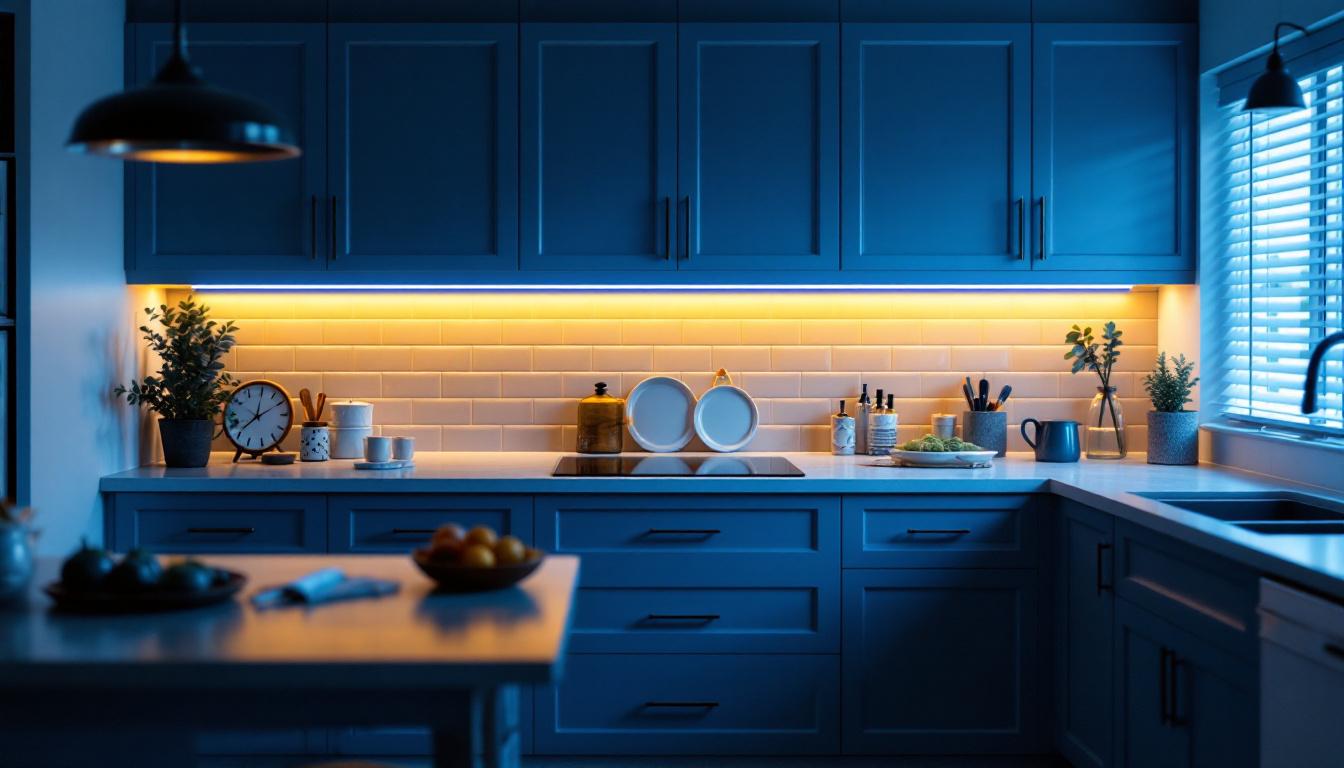
Moreover, tape under cabinet lighting can significantly enhance the aesthetic appeal of a space. By providing a soft, diffused glow, it can create a warm and inviting atmosphere that elevates the overall design of the kitchen or workspace. With options for color temperature ranging from warm white to cool daylight, homeowners can choose the perfect hue to complement their decor. Some tape lights even come with color-changing features, allowing for dynamic lighting effects that can be adjusted for different occasions or moods, making them a popular choice for entertaining guests.
Furthermore, the installation of tape lighting can be a DIY-friendly project, appealing to homeowners who enjoy hands-on home improvement tasks. With adhesive backing and simple connection methods, individuals can easily apply the tape to the underside of cabinets without the need for professional help. This not only saves on labor costs but also empowers homeowners to customize their lighting solutions in a way that reflects their personal style. Additionally, many modern LED tape lights are compatible with smart home systems, enabling users to control their lighting remotely or set schedules, further enhancing convenience and functionality in daily life.
Key Considerations for Selecting Tape Lighting
Choosing the Right Color Temperature
Color temperature plays a crucial role in the ambiance and functionality of under cabinet lighting. For kitchens and workspaces, lighting contractors often recommend a color temperature between 2700K and 3500K. This range provides a warm to neutral white light that is flattering to skin tones and food presentation while offering sufficient brightness for detailed tasks.
Cooler temperatures, such as 4000K or higher, can sometimes feel harsh or clinical, which may not be desirable in residential settings. However, in commercial or industrial environments where precision is paramount, cooler light might be more appropriate. Understanding the client’s preferences and the room’s purpose is essential when specifying tape lighting. Additionally, it’s worth noting that the perception of color temperature can vary based on surrounding colors and materials, so testing different options in the actual space can yield the best results.
Another factor to consider is the potential for color rendering, which is measured by the Color Rendering Index (CRI). A higher CRI (above 90) ensures that colors appear more vibrant and true to life under the lighting. This is particularly important in areas where color accuracy is crucial, such as art studios or makeup application areas. By taking both color temperature and CRI into account, contractors can create a lighting scheme that not only meets functional needs but also enhances the overall aesthetic of the space.
Brightness and Lumens per Foot
Brightness is measured in lumens, and tape lighting is available in a variety of output levels. For under cabinet applications, a range of 300 to 500 lumens per foot is typically sufficient for task lighting. Higher output strips may be necessary in areas with minimal ambient light or where detailed work is performed.
Lighting contractors should also consider the beam angle of the tape light. Narrow beam angles concentrate light in a smaller area, increasing intensity, while wider angles provide more diffuse illumination. Selecting the appropriate beam angle helps avoid shadows and ensures even lighting across the countertop. Furthermore, dimmable options can offer flexibility, allowing users to adjust the brightness according to the time of day or the specific task at hand, enhancing both functionality and comfort.
It’s also important to consider how the tape lighting integrates with other light sources in the room. Layering different types of lighting, such as ambient and accent lights, can create a more dynamic and inviting atmosphere. By strategically placing tape lighting alongside other fixtures, contractors can achieve a well-balanced lighting design that caters to the various activities that take place in the kitchen or workspace.
Water Resistance and Durability
While most under cabinet tape lighting is installed indoors, kitchens and bathrooms can expose fixtures to moisture and occasional splashes. Choosing tape lighting with an IP rating of at least IP44 ensures protection against water splashes and dust, extending the lifespan of the installation.
Durability also encompasses the quality of the adhesive backing. High-quality adhesives prevent tape lights from peeling or sagging over time, which is a common issue in humid environments. Contractors should test the adhesive on the cabinet material before full installation to ensure a secure bond. Additionally, considering the overall construction of the tape lighting, including the materials used in the LED strip and the circuit board, can further enhance longevity and performance. Some products offer features like flexible designs that can bend around corners or conform to various shapes, making them ideal for custom installations.
Moreover, it’s essential to keep in mind the ease of maintenance. Selecting tape lighting that allows for easy cleaning and replacement can save time and effort in the long run. Some advanced models even come with protective coatings that resist dust and grime buildup, ensuring that the lighting remains functional and visually appealing over time. By prioritizing both water resistance and durability, contractors can deliver a solution that not only meets immediate needs but also stands the test of time in demanding environments.
Installation Best Practices for Lighting Contractors
Preparation and Surface Cleaning
Proper surface preparation is critical for a successful tape lighting installation. Cabinets must be clean, dry, and free of dust, grease, or other contaminants that could compromise adhesion. Using isopropyl alcohol wipes or a mild detergent solution followed by thorough drying is recommended.
Lighting contractors should also inspect the cabinet surface for any unevenness or damage that might cause the tape to lift or create shadows. Addressing these issues beforehand ensures a smooth and professional finish.
Power Supply and Wiring Considerations
Power supply selection is a fundamental aspect of tape lighting installation. LED tape lights typically operate on low-voltage DC power, requiring a compatible transformer or driver. Contractors must calculate the total wattage of the tape lighting run to select a power supply with adequate capacity, factoring in a safety margin of 20-30% to prevent overload.
Wiring should be discreetly routed to maintain a clean aesthetic. This often involves running cables through cabinet backs or walls and securing them with clips or channels. Ensuring compliance with local electrical codes and standards is paramount for safety and inspection approval.
Securing and Concealing Tape Lighting
While many tape lights come with adhesive backing, additional mechanical fastening methods such as mounting clips or channels are advisable, especially for longer runs or installations in high-traffic areas. These accessories prevent sagging and provide a more durable installation.
Lighting contractors often use aluminum profiles or channels to house tape lighting. These not only protect the LEDs from damage but also act as heat sinks, extending the lifespan of the lights. Additionally, diffusers within these profiles help soften the light output, reducing glare and creating a more uniform appearance.
Enhancing Functionality and Aesthetic Appeal
Incorporating Dimming and Controls
Dimming capabilities add significant value to tape under cabinet lighting. They allow users to adjust brightness levels according to tasks or mood, enhancing both functionality and energy savings. Contractors should specify dimmable tape lights and compatible drivers or controllers to provide this feature.
Advanced control options include wireless systems that integrate with smart home platforms, enabling voice commands and automation. While these systems may increase upfront costs, they offer convenience and future-proofing that many clients appreciate.
Color Changing and Tunable White Options
For clients seeking greater customization, RGB or tunable white tape lighting presents exciting possibilities. RGB tape lights can change colors, creating dynamic accent lighting for entertaining or highlighting architectural features. Tunable white options allow users to shift color temperature throughout the day, promoting circadian rhythm alignment and enhancing comfort.
Lighting contractors should advise clients on the complexity and cost implications of these options, ensuring that the chosen solution aligns with the project’s budget and goals.
Layering Lighting for Optimal Effect
Tape under cabinet lighting is most effective when integrated into a comprehensive lighting plan. Layering with overhead fixtures, pendant lights, and recessed lighting creates depth and balance in the space. Contractors should collaborate with designers or clients to ensure that tape lighting complements rather than competes with other light sources.
Using tape lighting as accent or task lighting while maintaining adequate ambient light reduces eye strain and enhances the overall user experience. Proper layering also increases the perceived value of the installation, which can be a selling point for contractors.
Troubleshooting Common Issues
Adhesion Problems
One of the most common challenges contractors face is tape lighting that fails to adhere properly. This often results from inadequate surface preparation, incompatible cabinet finishes, or low-quality adhesives. To mitigate this, always test a small section before full application and consider supplementary mounting hardware if necessary.
Uneven Light Distribution
Uneven lighting can be caused by improper placement, insufficient brightness, or shadows cast by cabinet overhangs. Contractors should plan the layout carefully, spacing tape lights evenly and considering beam angles to ensure uniform illumination. Using diffusers or aluminum channels can also help smooth out light output.
Power and Wiring Issues
Flickering, dimming, or complete failure of tape lighting often points to power supply problems or wiring faults. Contractors should verify voltage compatibility, check for loose connections, and ensure that power supplies are not overloaded. Using high-quality components and adhering to installation guidelines reduces the risk of electrical issues.
Final Thoughts for Lighting Contractors
Tape under cabinet lighting is a versatile and valuable tool in a lighting contractor’s arsenal. Its energy efficiency, ease of installation, and aesthetic appeal make it a popular choice for residential and commercial projects alike. By carefully selecting the right product, adhering to best installation practices, and integrating advanced controls, contractors can deliver lighting solutions that satisfy clients and stand the test of time.
Staying informed about the latest LED technologies, adhesive innovations, and control systems will help contractors maintain a competitive edge. Ultimately, attention to detail and a commitment to quality workmanship ensure that tape under cabinet lighting installations enhance both the function and beauty of any space.
Illuminate Your Projects with LumenWholesale
Ready to elevate your lighting game? Choose LumenWholesale for your next under cabinet tape lighting project and experience the difference that quality and value can make. Our spec-grade lighting products are designed to meet the highest industry standards, ensuring you deliver outstanding results to your clients. With unbeatable wholesale prices and the convenience of free shipping on bulk orders, you can trust us to provide premium lighting solutions that are both cost-effective and high-performing. Don’t let inflated markups dim your project’s potential. Wholesale Lighting at the Best Value is just a click away. Partner with LumenWholesale today and light up your work with confidence and style.