Understanding the Value of Solar Powered Outdoor Uplights
Solar powered outdoor uplights have become an increasingly popular choice for landscape and architectural lighting projects. Their eco-friendly nature, ease of installation, and cost-effectiveness make them an attractive option for both residential and commercial clients. For lighting contractors, mastering the nuances of these systems is essential to delivering quality results that satisfy client expectations and stand the test of time.
However, despite their apparent simplicity, solar uplights come with unique challenges that can lead to suboptimal performance if not properly addressed. Avoiding common pitfalls requires a thorough understanding of solar technology, site-specific conditions, and installation best practices. This guide highlights the most critical mistakes contractors should avoid to ensure successful solar uplight installations.
One of the primary advantages of solar powered uplights is their ability to harness renewable energy, significantly reducing electricity costs and minimizing environmental impact. Unlike traditional lighting systems, which rely on grid power, solar uplights operate independently, making them ideal for remote locations or areas where electrical access is limited. Additionally, advancements in solar technology have led to more efficient solar panels and batteries, allowing for longer operational hours and brighter illumination, even in less-than-ideal weather conditions. This innovation not only enhances the aesthetic appeal of outdoor spaces but also contributes to energy conservation efforts, aligning with the growing demand for sustainable living solutions.
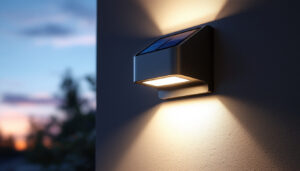
Moreover, the versatility of solar uplights allows for creative applications in various settings, from illuminating garden pathways to highlighting architectural features on commercial buildings. Contractors can leverage this flexibility by incorporating smart design principles that enhance the functionality and visual impact of the lighting scheme. For instance, strategically placing uplights to cast shadows or create dramatic effects can transform ordinary landscapes into captivating nighttime vistas. Understanding the interplay of light and shadow, as well as the specific needs of the environment, can elevate a project from standard to exceptional, ensuring that clients are not only satisfied but also impressed with the final results.
Common Mistakes in Selecting Solar Uplight Fixtures
Overlooking Solar Panel Quality and Placement
One of the most frequent errors contractors make is underestimating the importance of the solar panel’s quality and positioning. The solar panel is the heart of the system, responsible for capturing sunlight and converting it into electrical energy. Panels with low efficiency or poor build quality can drastically reduce the runtime and brightness of the uplight.
Additionally, improper placement of solar panels—such as in shaded areas or locations prone to debris accumulation—can severely limit their ability to charge. Lighting contractors must conduct a thorough site assessment to identify optimal panel locations that receive direct sunlight for the majority of the day. This ensures the battery is adequately charged, providing consistent illumination after dusk. Furthermore, it’s beneficial to consider the angle of the solar panels; an optimal tilt can significantly enhance their energy absorption, especially in regions with varying sun paths throughout the year. By taking these factors into account, contractors can maximize the efficiency of their solar uplight installations.
Ignoring Battery Capacity and Type
Battery performance is another critical factor often overlooked. Many contractors select solar uplights with insufficient battery capacity, leading to lights that dim prematurely or fail to operate through the entire night. It is essential to consider the expected runtime, local weather patterns, and seasonal variations in sunlight when choosing the battery size.
Moreover, the type of battery used—such as lithium-ion versus nickel-metal hydride—affects longevity, charging speed, and temperature tolerance. Lithium-ion batteries typically offer superior performance and lifespan but come at a higher cost. Understanding these trade-offs allows contractors to recommend the best options tailored to their clients’ needs and budget. Additionally, it’s worth noting that battery maintenance can also play a crucial role in the overall performance of solar uplights. Regularly checking connections, cleaning terminals, and ensuring that batteries are not left in extreme temperatures can prolong their lifespan and enhance reliability. By educating clients on these maintenance practices, contractors can help ensure that their solar uplight systems function optimally for years to come.
Installation Mistakes That Compromise Performance
Failing to Account for Environmental Conditions
Environmental factors play a significant role in the effectiveness of solar uplights. Contractors sometimes neglect to consider elements such as shading from trees, buildings, or seasonal foliage changes that can impact solar exposure. Installing uplights in locations with fluctuating sunlight availability can result in inconsistent lighting and client dissatisfaction.
Additionally, extreme weather conditions—such as heavy rain, snow, or high winds—can damage fixtures or reduce their efficiency if the products are not rated for such environments. Selecting fixtures with appropriate IP (Ingress Protection) ratings and durable construction materials is crucial for longevity and reliable operation. Furthermore, it’s essential to assess the microclimate of the installation area, as factors like humidity and temperature can influence the performance of solar batteries and the overall functionality of the lighting system. For instance, in regions with high humidity, corrosion-resistant materials should be prioritized to ensure the fixtures remain operational over time.
Improper Fixture Orientation and Angling
Correct orientation and angling of both the solar panel and the uplight fixture are vital for optimal performance. Panels should be angled to maximize sun exposure based on geographic location, typically tilted toward the equator at an angle close to the latitude of the installation site.
Similarly, uplights must be positioned to highlight architectural features or landscape elements effectively without causing glare or light pollution. Neglecting these details can lead to wasted energy, poor aesthetics, and even complaints from neighbors or local authorities. It’s also worth noting that the time of year can affect how sunlight hits the panels; therefore, seasonal adjustments may be necessary to maintain peak performance. Additionally, considering the potential for future growth of nearby vegetation is crucial, as trees and shrubs can quickly overshadow fixtures that were once well-positioned. Regular maintenance checks and adjustments can help ensure that the lighting continues to meet its intended purpose throughout the year.
Design and Planning Errors to Avoid
Underestimating Lighting Requirements
Contractors sometimes underestimate the number or brightness of solar uplights needed to achieve the desired effect. Solar-powered fixtures generally have lower lumen output compared to wired alternatives, so careful planning is necessary to ensure adequate illumination.
Using lighting design software or photometric analysis can help determine the optimal fixture count and placement. This approach prevents overloading the system or leaving areas inadequately lit, both of which can undermine the project’s success.
Neglecting Maintenance Considerations
While solar uplights are often marketed as low-maintenance solutions, ignoring routine upkeep can shorten their lifespan and reduce performance. Common maintenance tasks include cleaning solar panels to remove dust and debris, checking battery health, and inspecting fixture integrity.
Contractors should educate clients about these responsibilities and, where possible, design installations to facilitate easy access for maintenance. This proactive approach helps maintain optimal lighting quality and extends the system’s operational life.
Electrical and Safety Mistakes to Watch For
Skipping Proper Wiring and Connections
Although solar uplights are typically wireless, some systems require wiring for synchronization or integration with other lighting controls. Failing to follow manufacturer guidelines for wiring can lead to malfunctions or safety hazards.
Contractors must ensure all electrical connections are secure, waterproof, and compliant with local codes. This diligence prevents short circuits, corrosion, and potential fire risks, safeguarding both the installation and the property.
Overlooking Local Regulations and Standards
Lighting contractors must be aware of local regulations regarding outdoor lighting, including restrictions on brightness, color temperature, and light trespass. Solar uplights, despite their green credentials, are not exempt from these rules.
Failure to comply can result in fines, forced removal, or reputational damage. Engaging with local authorities during the planning phase and selecting fixtures that meet relevant standards ensures a smooth approval process and client satisfaction.
Maximizing Success with Solar Powered Outdoor Uplights
Partnering with Reputable Manufacturers
Choosing high-quality products from reputable manufacturers is fundamental to avoiding many common pitfalls. Established brands often provide better warranties, technical support, and product reliability, which translate into smoother installations and fewer callbacks.
Contractors should evaluate product reviews, certifications, and test results before committing to a particular solar uplight model. This due diligence protects their professional reputation and enhances client trust.
Providing Comprehensive Client Education
Educating clients about the capabilities and limitations of solar powered uplights fosters realistic expectations and long-term satisfaction. Discussing factors such as seasonal performance variations, maintenance needs, and potential environmental impacts helps clients make informed decisions.
Clear communication also reduces misunderstandings and positions the contractor as a knowledgeable, trustworthy partner in the project.
Implementing a Thorough Site Assessment Process
A detailed site assessment is the foundation of a successful solar uplight installation. Contractors should evaluate sunlight exposure, landscape features, electrical interference, and aesthetic goals during this phase.
Using tools like light meters, solar pathfinders, and digital mapping software can enhance accuracy and efficiency. This comprehensive approach enables tailored solutions that maximize the benefits of solar technology.
Conclusion
Solar powered outdoor uplights offer a sustainable and visually appealing lighting solution, but their successful implementation requires careful attention to detail. Lighting contractors who avoid common mistakes—such as neglecting solar panel placement, underestimating battery needs, ignoring environmental factors, and overlooking regulations—can deliver superior results that delight clients and reduce maintenance issues.
By prioritizing quality products, thorough planning, and client education, contractors can harness the full potential of solar uplighting technology. This not only enhances their service offerings but also contributes to greener, more energy-efficient outdoor environments.
Illuminate Your Projects with LumenWholesale
Ready to elevate your lighting projects with the most efficient and sustainable solar powered outdoor uplights? Look no further than LumenWholesale, where we provide contractors with the highest quality, spec-grade lighting products at exceptional wholesale prices. Say goodbye to unnecessary markups and hello to a vast selection of industry-standard lighting solutions that promise reliability and high performance for every project. With LumenWholesale, bulk buying is a breeze, thanks to our free shipping policy, ensuring you get premium lighting at the best value — all without hidden fees or compromises. Don’t miss out on the perfect combination of quality, affordability, and convenience. Wholesale Lighting at the Best Value is just a click away!