Lighting For Basement Stairwell: Lighting Contractors’ Checklist
Proper lighting in a basement stairwell is crucial for safety and aesthetics. It not only enhances the functionality of the space but also contributes to the overall ambiance of the home. For lighting contractors, understanding the specific requirements and considerations for basement stairwell lighting is essential. This checklist will guide you through the critical aspects to ensure a well-lit, safe, and visually appealing stairwell.
Understanding the Importance of Stairwell Lighting
The basement stairwell often serves as a transition area between different levels of a home. Due to its unique characteristics, it requires careful attention to lighting design. Poorly lit stairwells can lead to accidents, making it imperative for contractors to prioritize safety while also considering the aesthetic appeal.
Moreover, a well-lit stairwell can enhance the overall perception of the basement area, making it feel more inviting. This is particularly important if the basement is used for recreational purposes or as additional living space. Lighting contractors must be aware of how to balance functionality with design to create an effective lighting solution. The right lighting can transform a dark, unwelcoming space into a vibrant area that encourages use, whether for family gatherings, movie nights, or even as a home gym.
Safety Considerations
Safety is the foremost concern when it comes to stairwell lighting. The risk of slips and falls increases significantly in poorly lit areas. Therefore, it’s essential to ensure that the entire stairwell is adequately illuminated. This can be achieved through a combination of ambient and task lighting.
Additionally, contractors should consider the placement of light fixtures. Lights should be installed at strategic points to eliminate shadows and dark spots. Using motion-sensor lights can also enhance safety, as they automatically illuminate the area when someone approaches, providing a welcoming glow without the need for manual switches. Furthermore, incorporating illuminated handrails can offer an extra layer of safety, guiding users along the stairwell while adding a stylish element to the design.
Types of Lighting Fixtures
When selecting lighting fixtures for a basement stairwell, contractors have a variety of options to consider. Recessed lighting is a popular choice due to its sleek design and ability to provide even illumination. These fixtures can be installed in the ceiling to create a clean, unobtrusive look.
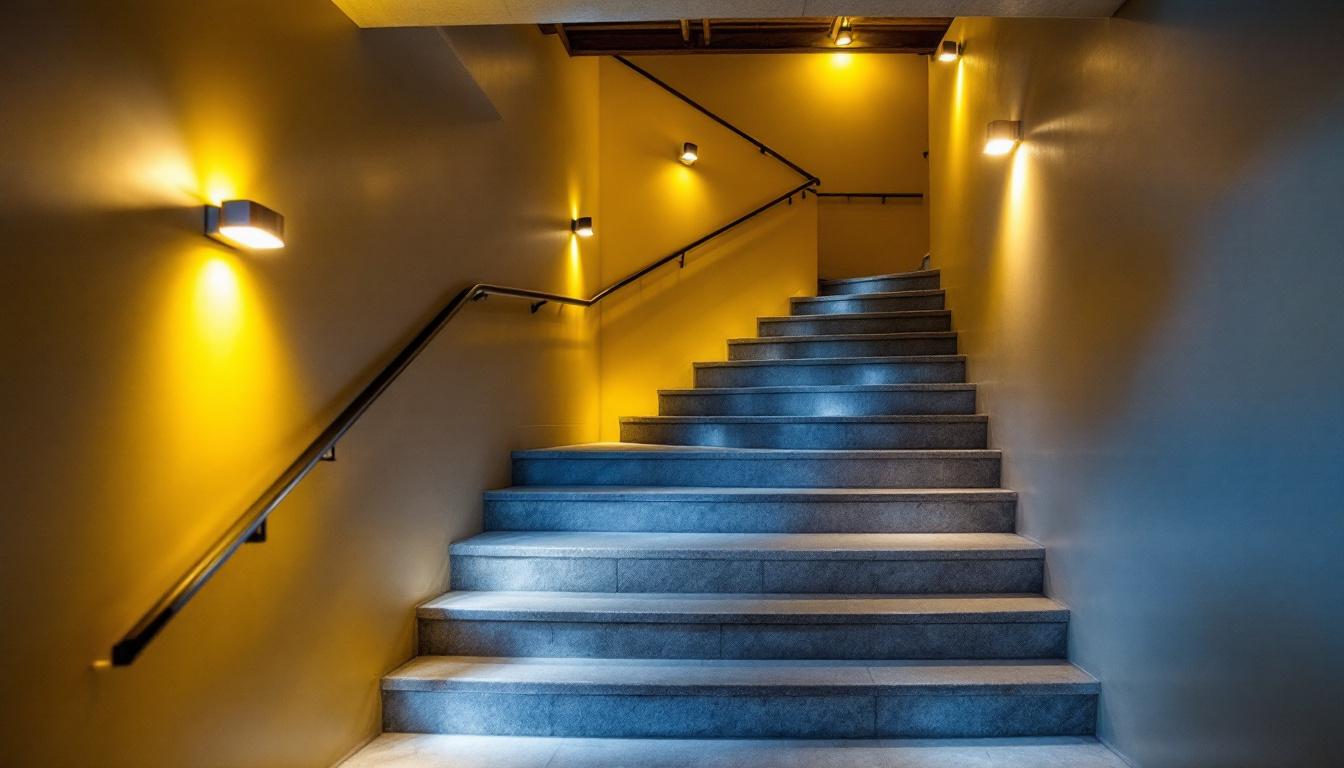
Wall sconces are another excellent option, especially for narrow stairwells. They can be positioned at eye level to enhance visibility and add a decorative touch. Additionally, LED strip lights can be installed along the edges of the stairs or at the base of the handrail, providing both safety and a modern aesthetic. Beyond these options, pendant lights can also be utilized to create a focal point in larger stairwells, offering both style and functionality. Selecting fixtures that complement the overall interior design of the home can further enhance the visual appeal of the stairwell, making it a seamless part of the living space rather than just a functional passageway.
Evaluating the Space
Before selecting lighting solutions, it is crucial to evaluate the specific characteristics of the basement stairwell. Factors such as the size, shape, and existing decor will influence the choice of lighting fixtures and layout. A well-thought-out lighting design can not only enhance the functionality of the space but also contribute to the overall aesthetic appeal of the basement.
Contractors should take measurements of the stairwell, noting any architectural features that may affect lighting placement. Understanding the flow of traffic and how individuals will navigate the space can also inform decisions about where to place lights for maximum effectiveness. For instance, if the stairwell features a landing or a turn, additional lighting may be necessary to ensure safety and visibility at those critical points. Moreover, considering the materials used in the stairwell, such as wood or concrete, can impact how light is reflected and absorbed, further influencing the choice of fixtures.
Assessing Natural Light Sources
While basement stairwells typically lack natural light, it’s essential to assess any potential sources. If there are windows or openings, contractors should consider how these can be utilized to enhance the overall lighting scheme. Natural light can be complemented with artificial lighting to create a balanced environment. For example, strategically placing mirrors can help reflect any incoming light, amplifying its effect and making the space feel larger and more airy.
In cases where natural light is limited, using brighter LED bulbs can help mimic daylight, making the stairwell feel more open and inviting. This approach can significantly improve the overall atmosphere of the basement area. Additionally, incorporating light fixtures with dimming capabilities allows for versatility, enabling homeowners to adjust the brightness according to different times of day or activities, such as entertaining guests or enjoying a quiet evening at home.
Color Temperature and Brightness
Choosing the right color temperature is vital for creating the desired ambiance in a basement stairwell. Warmer tones (around 2700K to 3000K) can create a cozy and inviting atmosphere, while cooler tones (4000K and above) can provide a more modern and energetic feel. Understanding the psychological effects of color temperature can guide homeowners in selecting the best option for their needs; for instance, warmer lights may promote relaxation, while cooler lights can enhance focus and alertness.
Additionally, brightness levels should be carefully considered. The International Association of Lighting Designers suggests that stairwells should have a minimum illumination level of 100 lux. This ensures that the area is adequately lit for safe navigation while also allowing for aesthetic enhancements. Beyond basic safety, utilizing layered lighting techniques—such as combining ambient, task, and accent lighting—can create depth and visual interest in the stairwell. By incorporating various light sources, such as wall sconces or recessed lighting, contractors can highlight architectural features and create a more dynamic environment that draws the eye and enhances the overall design of the space.
Designing the Lighting Layout
Once the evaluation is complete, the next step involves designing the lighting layout. This process requires a thoughtful approach to ensure that all areas of the stairwell are well-lit without creating harsh shadows or overly bright spots.
Contractors should create a lighting plan that outlines the placement of each fixture, taking into account the height of the ceiling, the width of the stairs, and any potential obstructions. A well-thought-out layout will enhance both safety and visual appeal.
Layered Lighting Approach
A layered lighting approach involves using multiple types of lighting to create depth and interest. This can include ambient lighting, task lighting, and accent lighting. Ambient lighting provides overall illumination, while task lighting focuses on specific areas, such as the steps themselves.
Accent lighting can be used to highlight architectural features or decorative elements within the stairwell. By combining these different lighting types, contractors can create a dynamic and visually appealing environment that enhances both safety and aesthetics.
Fixture Placement Strategies
When determining fixture placement, it’s essential to consider the height and angle of the lights. Fixtures should be positioned to minimize glare and ensure even light distribution. For instance, recessed lights should be spaced evenly along the ceiling, while wall sconces should be placed at a height that illuminates the stairs without creating harsh shadows.
In addition, contractors should consider the use of dimmers to allow for adjustable brightness levels. This flexibility can enhance the functionality of the space, allowing homeowners to customize the lighting based on their needs and preferences.
Energy Efficiency Considerations
In today’s environmentally conscious world, energy efficiency is a significant consideration for lighting contractors. Selecting energy-efficient fixtures and bulbs can reduce energy consumption and lower utility bills for homeowners.
LED lighting is an excellent choice for basement stairwells due to its longevity and low energy usage. These bulbs can last up to 25 times longer than traditional incandescent bulbs, making them a cost-effective option in the long run.
Smart Lighting Solutions
Integrating smart lighting solutions can further enhance energy efficiency. Smart bulbs and fixtures can be controlled remotely, allowing homeowners to adjust brightness levels and schedules from their smartphones. This technology not only provides convenience but also ensures that lights are only used when needed, further reducing energy consumption.
Additionally, smart sensors can be installed to automatically turn lights on and off based on occupancy. This feature is particularly beneficial in areas like basement stairwells, where lights may otherwise be left on unnecessarily.
Compliance with Building Codes
Contractors must also ensure that all lighting installations comply with local building codes and regulations. These codes often dictate specific requirements for stairwell lighting, including minimum illumination levels and fixture placement.
Failing to adhere to these codes can result in safety hazards and costly fines. Therefore, it’s essential for contractors to stay informed about the latest regulations and ensure that all installations meet or exceed these standards.
Final Touches and Aesthetic Enhancements
Once the functional aspects of the lighting installation are complete, contractors can focus on the final touches that enhance the overall aesthetic of the stairwell. This may involve selecting decorative fixtures that complement the home’s interior design or adding dimmable features for versatility.
Additionally, consider incorporating decorative elements such as wall art or mirrors that can reflect light and create an illusion of space. These enhancements can elevate the stairwell from a purely functional area to a visually appealing part of the home.
Maintenance and Longevity
Finally, it’s crucial to discuss maintenance with homeowners to ensure the longevity of the lighting installation. Regularly checking and replacing bulbs, cleaning fixtures, and ensuring that wiring is in good condition can prevent issues and keep the stairwell looking its best.
Contractors should provide homeowners with a maintenance schedule and tips for keeping their lighting system in optimal condition. This proactive approach can enhance the overall satisfaction of the client and ensure that the stairwell remains a safe and inviting space for years to come.
Conclusion
Lighting for a basement stairwell requires careful consideration of various factors, including safety, aesthetics, and energy efficiency. By following this checklist, lighting contractors can create a well-lit, functional, and visually appealing stairwell that enhances the overall ambiance of the home.
From evaluating the space and selecting appropriate fixtures to designing a thoughtful lighting layout and ensuring compliance with building codes, each step is crucial in delivering a successful lighting solution. With the right approach, contractors can transform basement stairwells into safe and inviting spaces that homeowners will appreciate.
Illuminate Your Projects with LumenWholesale
Ready to elevate your basement stairwell projects with the best in lighting solutions? At LumenWholesale, we provide lighting contractors like you with the highest quality, spec-grade lighting products at unbeatable wholesale prices. Say goodbye to local distributor markups and hello to our extensive selection that meets the highest industry standards. With free shipping on bulk orders, you can trust that you’re getting premium lighting at the best value — without any hidden fees. Make your next project shine with the perfect blend of quality, affordability, and convenience. Wholesale Lighting at the Best Value is just a click away.