Introduction to LED Light Panels for Ceiling Installations
LED light panels have revolutionized the lighting industry, offering a modern, energy-efficient alternative to traditional ceiling lighting solutions. For lighting contractors, understanding the essentials of LED light panels is crucial to delivering high-quality, sustainable lighting installations that meet client expectations and regulatory standards.
These panels are designed to provide uniform, glare-free illumination, making them ideal for commercial, residential, and institutional environments. Their sleek, low-profile design integrates seamlessly into various ceiling types, including suspended, drywall, and grid ceilings. This versatility, combined with their energy-saving benefits, positions LED light panels as a preferred choice in contemporary lighting projects.
One of the standout features of LED light panels is their long lifespan, often exceeding 50,000 hours, which significantly reduces the need for frequent replacements. This longevity not only translates to lower maintenance costs but also minimizes waste, aligning with sustainability goals that many organizations strive to achieve. Additionally, the ability to customize color temperatures—ranging from warm white to cool daylight—allows for tailored lighting solutions that enhance the ambiance of any space, whether it’s a cozy living room or a bustling office environment.
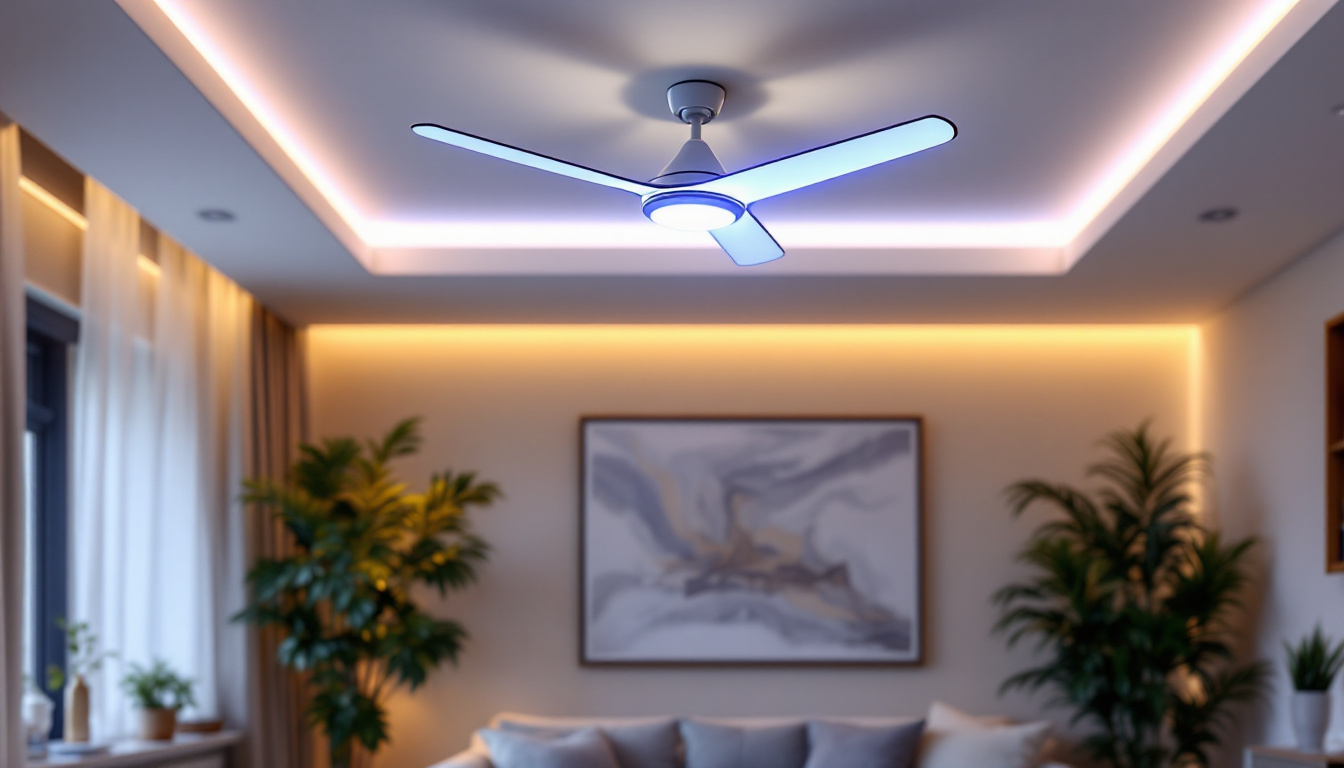
Moreover, LED light panels can be integrated with smart lighting systems, enabling users to control brightness and color settings via mobile apps or voice commands. This level of control not only enhances user experience but also contributes to energy efficiency by allowing for adjustments based on occupancy and time of day. As the demand for smart home and building technology continues to rise, the incorporation of LED light panels into these systems positions lighting contractors to meet the evolving needs of their clients, ensuring that installations are not only functional but also future-proof.
Key Benefits of LED Light Panels in Ceiling Applications
Energy Efficiency and Cost Savings
One of the primary advantages of LED light panels is their superior energy efficiency compared to fluorescent or incandescent fixtures. LED panels consume significantly less power while delivering the same or higher levels of brightness. This reduction in energy consumption translates into lower utility bills for building owners and end-users, making LED panels a cost-effective long-term investment.
Moreover, LED panels have a longer lifespan, often exceeding 50,000 hours, which reduces maintenance costs and the frequency of replacements. For contractors, this means fewer callbacks and enhanced client satisfaction. The longevity of LED technology also means that fewer resources are consumed over time, contributing to a more sustainable approach to lighting. This is particularly important in large-scale installations, such as in commercial buildings or educational institutions, where the cumulative savings can be substantial.
Enhanced Lighting Quality and Comfort
LED light panels provide consistent, flicker-free illumination with high color rendering index (CRI) values, typically above 80, ensuring colors appear natural and vibrant. This quality of light is essential in environments such as offices, healthcare facilities, and educational institutions where visual comfort and clarity are paramount. The ability of LED panels to maintain color accuracy over time also means that spaces remain visually appealing and functional, reducing the need for frequent redesigns or updates.
The panels also offer uniform light distribution, minimizing shadows and glare. This characteristic improves the overall ambiance and reduces eye strain, contributing to increased productivity and well-being for occupants. In addition, the soft glow of LED panels can create a calming atmosphere, which is particularly beneficial in spaces designed for relaxation or focus, such as libraries or meditation rooms. The psychological impact of lighting on mood and productivity cannot be overstated, making LED panels an excellent choice for enhancing the quality of life in various settings.
Design Flexibility and Aesthetic Appeal
Available in various sizes and shapes, LED light panels can be customized to fit specific ceiling layouts and design themes. Their slim profile and clean lines complement modern architectural styles, enhancing the aesthetic appeal of any space. This versatility allows designers and architects to integrate lighting seamlessly into their projects, creating a cohesive look that aligns with the overall vision of the environment.
Additionally, many LED panels come with dimming capabilities and color temperature options, allowing for tailored lighting schemes that can adapt to different activities and moods. For instance, warmer color temperatures can be utilized in dining areas to create a cozy atmosphere, while cooler tones can enhance focus in workspaces. This adaptability not only meets the functional needs of the space but also elevates the user experience, making LED light panels a smart choice for any design project. Furthermore, the ability to control lighting through smart technology integration allows for even greater customization, enabling users to adjust their environment with ease and precision.
Technical Considerations for Installation
Compatibility with Ceiling Types
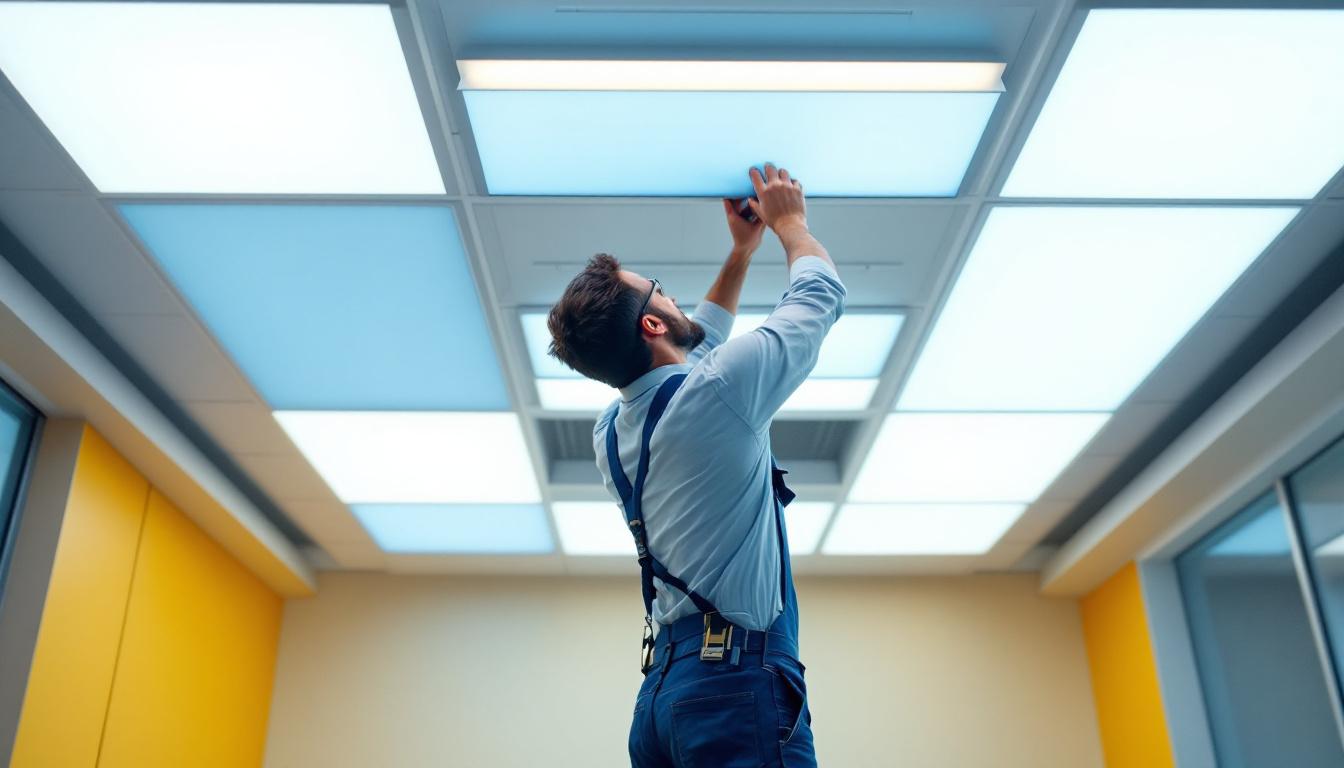
Lighting contractors must assess the type of ceiling before selecting and installing LED light panels. Suspended grid ceilings are the most common and straightforward to work with, as panels can be easily dropped into the grid. For drywall or plaster ceilings, recessed or surface-mounted LED panels may be required, which involves different mounting techniques and hardware. Additionally, contractors should consider the ceiling height and the potential impact on light distribution; higher ceilings may necessitate the use of panels with higher lumen output to ensure adequate illumination.
Understanding the structural limitations and access requirements of each ceiling type ensures a secure installation and facilitates future maintenance. For instance, in spaces with irregular ceiling shapes or materials, custom mounting solutions may be needed to achieve a seamless look and optimal performance. Furthermore, contractors should also evaluate the acoustic properties of the ceiling, as certain panel designs can contribute to sound absorption, enhancing the overall environment in spaces like offices or classrooms.
Electrical Requirements and Wiring
LED light panels typically operate on low-voltage DC power supplied by an LED driver. Contractors need to verify the compatibility of the driver with the building’s electrical system and ensure proper wiring practices are followed to maintain safety and performance standards. It is crucial to select drivers that not only match the voltage requirements but also have the appropriate wattage capacity to support the total number of panels being installed.
It is also important to consider the total load on the circuit and plan for adequate power distribution, especially in large-scale installations with multiple panels. Additionally, contractors should be aware of local electrical codes and regulations, which may dictate specific wiring methods or materials. Implementing a well-organized wiring layout can significantly reduce the risk of future electrical issues and ensure that maintenance can be performed with minimal disruption to the lighting system.
Integration with Lighting Controls
Modern LED panels often support integration with advanced lighting control systems, including dimmers, occupancy sensors, and daylight harvesting controls. These features enhance energy savings and user convenience but require careful planning during installation. The ability to adjust lighting levels based on occupancy or ambient light conditions not only contributes to energy efficiency but can also improve the comfort and productivity of occupants in the space.
Contractors should be familiar with the control protocols (such as DALI, 0-10V, or Zigbee) and ensure that the LED panels and control devices are compatible. Proper commissioning of these systems is essential to achieve optimal performance. This process may involve calibrating sensors and ensuring that the control systems respond accurately to user inputs. Furthermore, training end-users on how to effectively utilize these controls can maximize the benefits of the installed lighting system, fostering a more adaptable and responsive lighting environment.
Regulatory Compliance and Safety Standards
Adherence to Building Codes and Energy Standards
Compliance with local building codes and energy efficiency standards is a critical responsibility for lighting contractors. LED light panels must meet specific certifications such as UL, CE, or ENERGY STAR to guarantee safety and performance.
Additionally, many jurisdictions require adherence to energy codes like ASHRAE 90.1 or the International Energy Conservation Code (IECC), which mandate minimum lighting efficiency levels and control strategies. Staying informed about these regulations helps contractors avoid costly rework and ensures client projects pass inspections smoothly.
Fire Safety and Electrical Protection
LED panels should be installed using fire-rated components and in accordance with electrical safety guidelines to minimize risks. Contractors must ensure that wiring is properly insulated and that panels do not obstruct fire suppression systems or emergency lighting.
Using certified products and following manufacturer instructions reduces liability and enhances the overall safety of the installation.
Best Practices for Lighting Contractors When Working with LED Light Panels
Site Assessment and Planning
A thorough site assessment is essential before installation. Contractors should evaluate ceiling conditions, electrical infrastructure, and lighting requirements in consultation with clients and designers. This process helps identify potential challenges and allows for accurate material ordering and scheduling.
Planning also involves coordinating with other trades, such as HVAC and ceiling installers, to ensure a smooth workflow and avoid conflicts.
Proper Handling and Installation Techniques
LED light panels are delicate and require careful handling to prevent damage to the diffuser and internal components. Contractors should follow manufacturer guidelines for unpacking, mounting, and wiring the panels.
Ensuring secure mounting and proper alignment enhances the visual uniformity of the lighting and prevents issues such as panel sagging or uneven illumination.
Testing and Commissioning
After installation, comprehensive testing is necessary to verify that all panels operate correctly and that lighting levels meet design specifications. This includes checking for flicker, color consistency, and dimming functionality if applicable.
Commissioning also involves programming lighting controls and educating clients on system operation and maintenance, which contributes to long-term satisfaction and performance.
Emerging Trends and Innovations in LED Light Panel Technology
Smart Lighting Integration
The integration of LED light panels with smart building systems is gaining momentum. Features such as wireless control, adaptive lighting based on occupancy and daylight, and integration with IoT platforms enable enhanced energy management and user experience.
Lighting contractors should stay abreast of these advancements to offer cutting-edge solutions that align with client expectations for intelligent and sustainable buildings.
Advancements in Panel Materials and Efficiency
Recent innovations include the use of advanced phosphor coatings and improved thermal management materials, which increase the efficiency and lifespan of LED panels. These improvements result in brighter, more reliable lighting with reduced energy consumption.
Contractors can leverage these technological advancements to differentiate their services and provide superior lighting solutions.
Conclusion
For lighting contractors, mastering the essentials of LED light panels for ceiling installations is vital in today’s competitive and sustainability-driven market. Understanding the technical, regulatory, and practical aspects ensures successful project delivery and enhances client satisfaction.
By embracing energy-efficient technologies, adhering to best practices, and staying informed about emerging trends, contractors can position themselves as trusted experts in modern lighting solutions.
Illuminate Your Projects with LumenWholesale
Ready to elevate your lighting installations with the highest quality LED light panels? Look no further than LumenWholesale, where we provide lighting contractors with spec-grade products at unbeatable wholesale prices. Our commitment to cutting out the middleman means you get the most cost-effective solutions for your projects. With our extensive selection that meets rigorous industry standards, you can trust in the reliability and performance of our lighting. Plus, with the convenience of free shipping on bulk orders, you’ll enjoy premium lighting at the best value — without any hidden fees. Make your next project shine and explore our wholesale lighting options today.