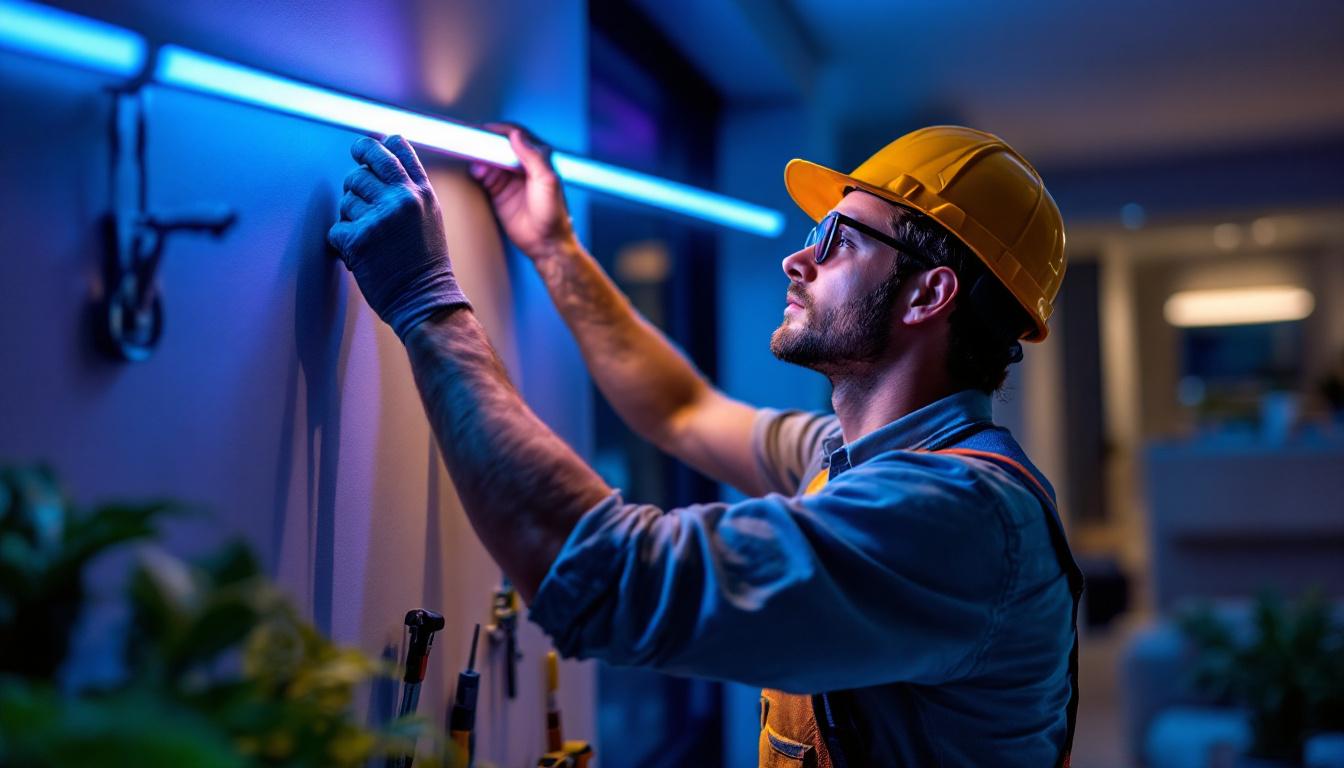
Understanding 120V LED Lighting: The Foundation for Effective Training
For lighting contractors, mastering the nuances of 120V LED lighting is essential. This voltage level is standard in residential and commercial applications, making it a cornerstone of many lighting projects. Training your team thoroughly on the fundamentals of 120V LED lights ensures safety, efficiency, and quality in installations and maintenance.
LED technology has revolutionized the lighting industry due to its energy efficiency, longevity, and versatility. Unlike traditional incandescent or fluorescent bulbs, LEDs operate at lower power consumption while providing superior illumination. Understanding these benefits, along with the technical specifications of 120V LED systems, equips your team to make informed decisions during project execution.
Moreover, the electrical characteristics of 120V LEDs, such as driver requirements, dimming compatibility, and heat dissipation, must be well understood. This knowledge prevents common pitfalls such as flickering, premature failure, or safety hazards. A solid foundation in these technical aspects forms the bedrock of any comprehensive training program.
Key Technical Concepts to Cover
When training your team, focus on essential concepts like voltage compatibility, wattage equivalency, and lumen output. For example, explaining how a 10W LED can replace a 60W incandescent bulb due to higher luminous efficacy helps contractors communicate benefits to clients effectively.
Additionally, cover the differences between integral LED fixtures and retrofit kits, as well as the importance of selecting appropriate LED drivers that match the 120V supply. Highlighting the role of power factor and total harmonic distortion can also enhance understanding of electrical efficiency and system reliability.
Furthermore, it’s important to delve into the various applications of 120V LED lighting. From residential settings, where ambient lighting and energy savings are paramount, to commercial environments that require bright, focused illumination for productivity, understanding these contexts can significantly influence the design and implementation of lighting solutions. Training should also include insights into smart lighting technologies, which are increasingly being integrated into LED systems. These advancements allow for enhanced control, such as remote dimming and scheduling, which can provide additional value to clients and improve energy management.
Another crucial aspect to consider is the environmental impact of LED lighting. With a lower carbon footprint compared to traditional lighting options, educating your team on the sustainability benefits of LEDs can empower them to advocate for eco-friendly solutions. This not only aligns with current trends toward greener practices but also positions your company as a forward-thinking leader in the lighting industry. By embracing these elements in your training program, you will cultivate a knowledgeable workforce that is prepared to tackle the challenges and opportunities presented by 120V LED lighting systems.
Developing a Comprehensive Training Program for Lighting Contractors
Creating an effective training program is critical to ensuring your team can handle 120V LED lighting projects with confidence and professionalism. The program should be structured, hands-on, and continuously updated to keep pace with evolving technologies.
Start by assessing your team’s current knowledge and skills related to LED lighting. This assessment helps tailor the training content to address gaps and reinforce strengths. Incorporate a mix of theoretical instruction and practical exercises to facilitate deep learning.
Training Modules to Include
1. Electrical Safety and Code Compliance: Emphasize OSHA standards, National Electrical Code (NEC) requirements, and best practices for working safely with 120V circuits. Safety should be the cornerstone of all training efforts.
2. LED Technology Fundamentals: Dive into LED chip technology, heat management, and the impact of environmental factors on performance and lifespan.
3. Installation Techniques: Provide hands-on training on wiring, fixture mounting, and troubleshooting common installation issues specific to 120V LED systems.
4. Energy Efficiency and Sustainability: Teach how to calculate energy savings, understand rebates or incentives, and promote sustainable lighting solutions to clients.
5. Customer Communication: Equip your team with skills to explain LED benefits, address client concerns, and recommend tailored lighting solutions.
Utilizing Technology and Resources
Leverage digital tools such as interactive e-learning platforms, simulation software, and video tutorials to enhance engagement. Partnering with LED manufacturers for product-specific training can provide your team with up-to-date knowledge on the latest innovations.
Regularly schedule refresher courses and encourage certification programs. Certifications not only validate your team’s expertise but also build client trust and differentiate your services in a competitive market.
In addition to these modules, consider integrating project management training into your program. Understanding how to manage timelines, budgets, and client expectations can significantly enhance the efficiency of your projects. This training should cover essential tools and methodologies, such as Agile or Lean principles, which can streamline processes and improve team collaboration.
Furthermore, fostering a culture of continuous learning within your organization is vital. Encourage your team to attend industry conferences, webinars, and workshops to stay informed about emerging trends and technologies in lighting. By promoting a mindset of lifelong learning, you not only enhance individual skill sets but also drive innovation and adaptability within your company, ensuring that your team remains at the forefront of the industry.
Practical Tips for Training Your Team on 120V LED Lighting Projects
Beyond structured modules, practical training is vital for cementing knowledge and building confidence. Real-world scenarios and hands-on experience allow your team to apply theoretical concepts effectively. Engaging your team in practical exercises not only enhances their understanding but also boosts morale as they see their skills translate into tangible results on the job.
Simulated Installations and Troubleshooting
Create mock installations that replicate common challenges encountered in the field. For example, simulate issues like incompatible dimmers causing flickering or incorrect driver installation leading to overheating. Guide your team through diagnosing and resolving these problems. You can also introduce variations in the mock setups, such as different types of fixtures or control systems, to further challenge their adaptability and technical prowess.
This approach not only improves technical skills but also fosters critical thinking and problem-solving abilities. Encourage team members to collaborate and share insights, promoting a culture of continuous learning. Consider hosting friendly competitions where teams can race to solve simulated problems, fostering a spirit of camaraderie while reinforcing their knowledge base.
Field Training and Mentorship
Pair less experienced technicians with seasoned professionals during live projects. Mentorship accelerates learning by exposing trainees to best practices, client interactions, and real-time decision-making. This dynamic not only helps in skill transfer but also builds a supportive environment where questions are encouraged, and knowledge is freely shared.
Field training also highlights the importance of adaptability, as no two job sites are identical. Your team will learn to assess site conditions, adjust installation methods, and ensure compliance with safety and quality standards. Additionally, incorporating feedback sessions after each project can help reinforce lessons learned and allow for reflection on what strategies worked best in various situations.
Documentation and Standard Operating Procedures (SOPs)
Develop clear SOPs for common 120V LED lighting tasks. These documents serve as reference guides, ensuring consistency and reducing errors. Including checklists for installation steps, safety checks, and quality inspections helps maintain high standards. Regularly reviewing these SOPs with the team can also keep everyone aligned on current best practices and technological advancements.
Encourage your team to contribute to SOP updates based on their field experiences. This collaborative approach keeps procedures relevant and empowers employees to take ownership of their work. Additionally, consider implementing a digital platform where team members can easily access, comment on, and suggest changes to the SOPs, fostering a sense of community and continuous improvement within your organization.
Measuring Training Effectiveness and Continuous Improvement
Implementing a training program is only the first step. Measuring its effectiveness ensures that your investment translates into improved performance and client satisfaction. By establishing a robust framework for evaluation, organizations can pinpoint areas of success and identify opportunities for further enhancement, thus fostering an environment where continuous improvement becomes the norm rather than the exception.
Key Performance Indicators (KPIs) to Track
Monitor metrics such as installation time, error rates, customer feedback, and safety incidents before and after training. Improvements in these areas indicate successful knowledge transfer and skill development. For instance, a reduction in installation time not only reflects the efficiency gained through training but also contributes to increased customer satisfaction and potentially higher profit margins.
Additionally, track certification completion rates and ongoing education participation. High engagement levels often correlate with better job performance and employee retention. When employees feel that their professional growth is supported, they are more likely to remain loyal to the organization, reducing turnover costs and fostering a more experienced workforce. This, in turn, can lead to enhanced team dynamics and improved collaboration on projects.
Feedback Loops and Adaptation
Solicit feedback from trainees regarding the training content, delivery methods, and relevance to their daily tasks. Use surveys, focus groups, or one-on-one interviews to gather insights. This process not only empowers employees to voice their opinions but also provides invaluable data that can guide future training initiatives. Engaging trainees in this manner fosters a sense of ownership over their learning journey, encouraging them to take an active role in their professional development.
Based on feedback and performance data, continuously refine your training program. Incorporate new LED technologies, update safety protocols, and adjust teaching styles to meet evolving needs. Staying ahead of industry advancements ensures that your training program remains relevant and effective, equipping employees with the latest skills and knowledge required to excel in their roles. Moreover, adapting to technological changes can significantly enhance operational efficiency and safety standards across the board.
Encouraging a Culture of Lifelong Learning
Promote ongoing professional development by recognizing achievements and providing incentives for advanced training. Encourage your team to stay informed about industry trends, emerging products, and regulatory changes. This proactive approach not only prepares employees for future challenges but also positions the organization as an innovator in the marketplace, capable of adapting to shifts in consumer demands and technological advancements.
A culture that values learning not only enhances individual capabilities but also strengthens your company’s reputation as a leader in lighting solutions. By investing in your workforce, you cultivate a team that is not only knowledgeable but also passionate about their work. This enthusiasm can translate into improved customer interactions and a more vibrant workplace atmosphere, where creativity and collaboration thrive, ultimately driving the organization toward greater success in a competitive landscape.
Conclusion: Empowering Your Team for Success with 120V LED Lighting
Training your team effectively in 120V LED lighting is a strategic investment that pays dividends in safety, quality, and customer satisfaction. By grounding your program in solid technical knowledge, practical experience, and continuous improvement, you prepare your contractors to excel in a competitive and rapidly evolving industry.
Remember, the goal is not only to impart information but to build confidence and foster a proactive mindset. Well-trained teams are better equipped to handle challenges, innovate solutions, and deliver exceptional lighting projects that meet client expectations.
As LED technology continues to advance, staying ahead through comprehensive training ensures your business remains a trusted partner in lighting excellence.
Illuminate Your Projects with LumenWholesale
Ready to elevate your lighting projects with the highest quality 120V LED solutions? At LumenWholesale, we’re committed to empowering your team with spec-grade lighting products that combine quality, affordability, and convenience. Say goodbye to inflated markups and hello to unbeatable wholesale prices, free shipping, and a selection that meets rigorous industry standards. For premium lighting without the premium price tag, discover the best value in wholesale lighting at LumenWholesale today.