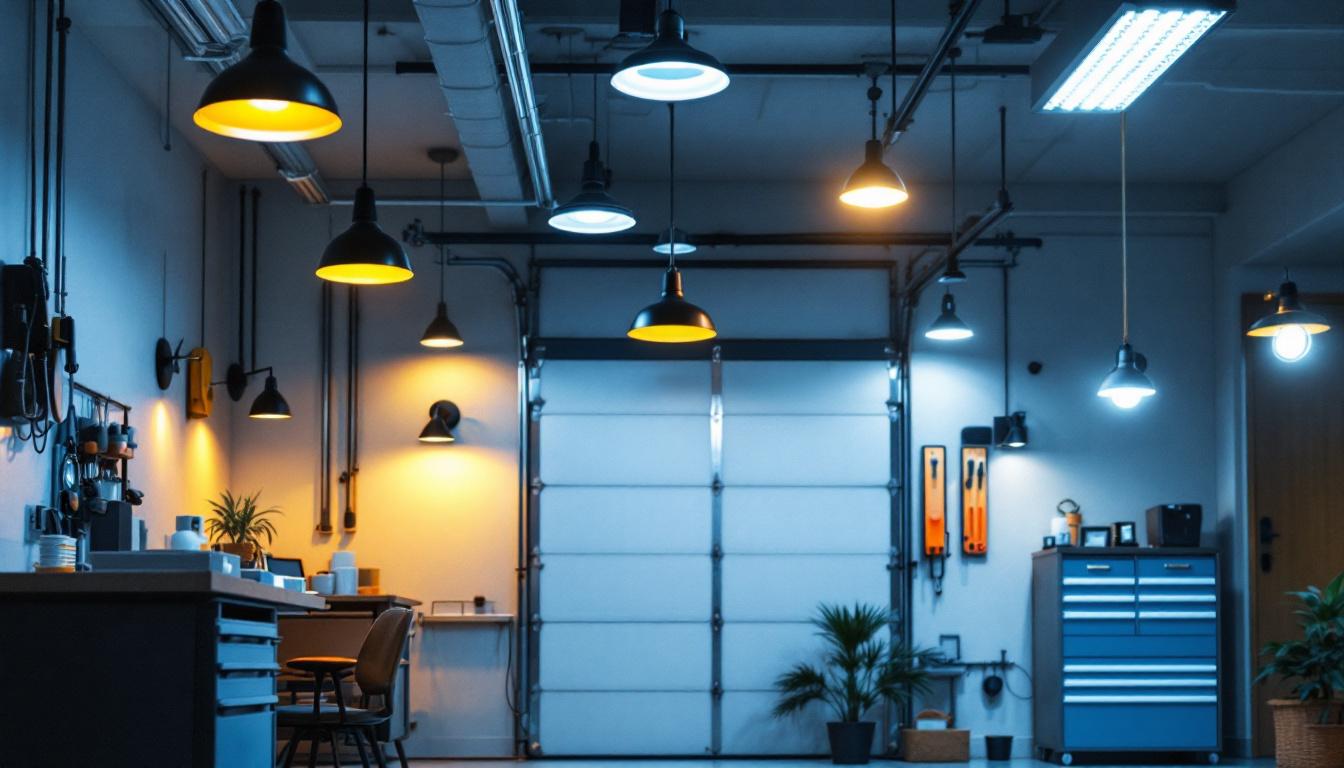
Understanding the Importance of Proper Lighting Hanging
For lighting contractors, the act of hanging lighting fixtures is far more than just a routine installation step—it is a critical component that impacts both the functionality and aesthetics of a space. The right hanging method ensures safety, longevity, and optimal lighting performance, while poor choices can lead to costly repairs, safety hazards, and dissatisfied clients.
Choosing the appropriate lighting hanging system requires a comprehensive understanding of the environment, fixture specifications, and client needs. This guide aims to provide lighting contractors with the essential knowledge and practical insights to select the right hanging solutions tailored to diverse projects.
The Role of Lighting Hanging in Project Success
Lighting hanging influences the final appearance and effectiveness of the installed fixtures. Proper positioning enhances light distribution, reduces glare, and complements architectural elements. Additionally, secure mounting prevents accidents and minimizes maintenance issues over time.
In commercial and industrial settings, adherence to safety codes and standards during installation is mandatory. Contractors must be aware of local regulations and manufacturer guidelines to ensure compliance and avoid liability.
Moreover, the choice of hanging method can significantly affect energy efficiency. For instance, fixtures that are hung too low may require higher wattage to achieve the desired illumination, leading to increased energy costs. Conversely, strategically placed fixtures can maximize light output while minimizing energy consumption, aligning with sustainability goals that many clients prioritize today. Understanding the balance between aesthetic appeal and functional efficiency is key to delivering a successful lighting project.
Furthermore, the integration of smart lighting technology is becoming increasingly popular in modern installations. This advancement allows for dynamic lighting solutions that can be adjusted based on the time of day or occupancy levels. As lighting contractors explore these innovative options, they must also consider how the hanging method will accommodate such technologies, ensuring that fixtures are not only stylishly displayed but also equipped for future enhancements. This forward-thinking approach can set contractors apart in a competitive market, showcasing their commitment to quality and adaptability in an ever-evolving industry.
Key Factors to Consider When Choosing Lighting Hanging Systems
Fixture Weight and Size
One of the primary considerations is the weight and size of the lighting fixture. Heavier fixtures demand robust support systems that can safely bear the load without risk of failure. For example, large chandeliers or industrial high bays require specialized mounting hardware such as heavy-duty chains, steel cables, or reinforced brackets.
Conversely, lightweight fixtures like LED panels may only need simple suspension wires or ceiling clips. Understanding the exact specifications provided by manufacturers ensures that the hanging system matches the fixture’s requirements.
Ceiling Type and Structural Integrity
The type of ceiling—whether it is drywall, concrete, suspended grid, or exposed beams—greatly affects the choice of hanging hardware. Contractors must assess the ceiling’s load-bearing capacity and structural layout before installation.
For instance, suspended ceilings often require the use of toggle bolts or specialized anchors, while concrete ceilings may necessitate expansion bolts or drilled anchors. Evaluating these factors beforehand prevents damage and guarantees a secure installation.
Environmental Conditions
Environmental factors such as humidity, temperature fluctuations, and exposure to corrosive elements influence the selection of materials for hanging systems. Outdoor installations or spaces like kitchens and bathrooms require corrosion-resistant hardware made from stainless steel or treated metals.
In environments prone to vibration or seismic activity, contractors should consider flexible suspension systems that can absorb movement without compromising fixture stability.
Aesthetic and Functional Requirements
The visual impact of the hanging system should complement the overall design scheme. Exposed cables or chains can add an industrial look, while concealed rods and flush mounts offer a sleek, modern appearance.
Functionally, adjustable hanging systems allow for customization of fixture height and orientation, which is particularly useful in retail or gallery spaces where lighting needs may change frequently.
Popular Lighting Hanging Methods and Their Applications
Chain Suspension
Chain suspension is a versatile and widely used method suitable for a variety of fixture sizes and weights. Chains offer strength and durability, making them ideal for heavy chandeliers, pendant lights, and outdoor fixtures.
They also provide an aesthetic element, often contributing to traditional or rustic design themes. Chains can be adjusted in length easily, allowing for precise fixture positioning.
Wire Suspension Systems
Wire suspension systems use thin, high-strength cables to hang fixtures. These systems are favored for their minimal visual impact and clean lines, making them popular in contemporary and commercial settings.
Wire suspensions are especially effective for LED panels, track lighting, and modular fixtures. They allow for fine adjustments and can be combined with tensioning devices to maintain fixture stability.
Rod and Stem Mounting
Rod or stem mounting involves rigid metal rods that connect the fixture directly to the ceiling. This method ensures a fixed height and orientation, offering a streamlined look suitable for modern interiors.
Rod mounts are commonly used for pendant lights and linear fixtures in offices, kitchens, and dining areas. Their rigidity makes them less susceptible to swaying, which is advantageous in high-traffic or vibration-prone environments.
Flush and Semi-Flush Mounts
Flush mounts attach fixtures directly to the ceiling surface, minimizing hanging distance. Semi-flush mounts extend slightly below the ceiling, providing a subtle hanging effect without the need for suspension hardware.
These methods are ideal for low ceilings or spaces where head clearance is limited. They are commonly employed in residential settings, hallways, and bathrooms.
Safety Considerations and Compliance
Adhering to Electrical and Building Codes
Compliance with local electrical and building codes is non-negotiable. These regulations dictate the types of hardware permissible, load limits, grounding requirements, and installation practices to ensure safety.
Contractors should stay updated on code changes and consult authoritative sources such as the National Electrical Code (NEC) or equivalent standards in their region. Failure to comply can result in penalties, insurance issues, and compromised safety.
Load Testing and Verification
Before finalizing the installation, it is essential to verify that the hanging system can support the fixture’s weight plus any additional dynamic loads. Load testing, either through manufacturer certification or in-field assessment, provides assurance of system integrity.
Regular inspections and maintenance schedules should be established to identify wear or damage over time, particularly in commercial or outdoor installations.
Use of Certified Hardware
Utilizing certified and tested hanging hardware from reputable manufacturers reduces risk. Components should carry appropriate ratings and certifications, such as UL listing or CE marking, indicating compliance with safety standards.
Contractors should avoid makeshift solutions or unverified materials, as these can compromise the entire lighting system’s safety.
Practical Tips for Lighting Contractors When Selecting Hanging Systems
Engage in Thorough Site Assessments
Before choosing a hanging method, conduct detailed site assessments to understand ceiling conditions, spatial constraints, and environmental factors. Documenting these details helps in selecting the most suitable hardware and prevents surprises during installation.
Collaborate with architects, electricians, and clients to align on expectations and technical requirements.
Consult Manufacturer Guidelines and Technical Data
Manufacturers provide valuable information on fixture weight limits, compatible hanging systems, and installation instructions. Adhering to these guidelines ensures warranty compliance and optimal performance.
When in doubt, reach out to manufacturer technical support for clarification or recommendations.
Invest in Quality Tools and Training
Proper installation requires the right tools and skilled personnel. Investing in quality tools such as torque wrenches, cable tensioners, and stud finders enhances efficiency and precision.
Continuous training on new products, installation techniques, and safety protocols keeps contractors competitive and reduces errors.
Plan for Future Maintenance and Adjustments
Select hanging systems that allow for easy access and adjustments. This foresight facilitates future maintenance, upgrades, or reconfigurations without extensive labor or damage to the ceiling.
Documenting installation details and hardware specifications aids in efficient troubleshooting and replacement.
Case Studies: Successful Lighting Hanging Implementations
Commercial Office Space with Wire Suspension
A lighting contractor was tasked with installing LED panel lights in an open-plan office with a suspended ceiling. The choice of wire suspension allowed for precise height adjustments to optimize light distribution and reduce glare on computer screens.
The use of corrosion-resistant cables ensured longevity in the air-conditioned environment, while adherence to NEC standards guaranteed safety compliance. The client reported improved employee comfort and energy savings post-installation.
Industrial Warehouse Using Chain Suspension
In a large warehouse setting, heavy-duty chain suspension was selected to hang high bay LED fixtures. The robust chains accommodated the significant weight and provided flexibility for fixture height adjustments based on storage layout changes.
The contractor reinforced ceiling anchors and conducted load testing to certify the installation’s safety. This approach minimized downtime and maintenance costs, enhancing operational efficiency.
Residential Project with Rod Mounting
A modern residential kitchen renovation featured pendant lights mounted using rigid rods. This method complemented the sleek cabinetry and allowed the homeowner to achieve the desired lighting ambiance with fixed fixture heights.
The contractor coordinated closely with the interior designer to match hardware finishes and ensured compliance with local electrical codes. The result was a visually appealing and safe lighting installation.
Conclusion: Making Informed Choices for Optimal Lighting Hanging
For lighting contractors, selecting the right lighting hanging system is a multifaceted decision that balances safety, functionality, aesthetics, and compliance. By thoroughly assessing project requirements, understanding fixture and ceiling characteristics, and adhering to best practices and codes, contractors can deliver installations that stand the test of time.
Continuous education, collaboration with stakeholders, and attention to detail are key drivers of success in lighting hanging projects. Ultimately, informed choices lead to satisfied clients, enhanced reputation, and safer, more efficient lighting solutions.
Discover Unmatched Lighting Solutions with LumenWholesale
Ready to elevate your lighting projects with the highest quality fixtures at the best value? Look no further than LumenWholesale. Our extensive selection of spec-grade lighting products is designed to meet the diverse needs of lighting contractors like you. With unbeatable wholesale prices and the convenience of free shipping on bulk orders, we ensure you get the most out of your investment. Don’t compromise on quality or price—choose LumenWholesale for reliable, high-performance lighting that will impress your clients and enhance your reputation. Wholesale Lighting at the Best Value is just a click away.