Understanding Lumens and Their Impact on Lighting Quality
When designing lighting solutions, especially for residential and commercial spaces, understanding lumens is crucial. Lumens measure the total amount of visible light emitted by a source, providing a more accurate representation of brightness than watts, which only indicate energy consumption. For lighting contractors, focusing on lumens allows for precise control over the ambiance and functionality of a space.
For instance, a typical incandescent bulb might produce around 800 lumens, which is roughly equivalent to a 60-watt bulb. However, LED technology can produce the same lumens with significantly less energy. This efficiency is key to creating sustainable and cost-effective lighting designs that meet client expectations without compromising on brightness or quality.
Why Lumens Matter More Than Watts
Many clients still associate brightness with wattage, but this can lead to confusion and suboptimal lighting choices. By educating clients about lumens, contractors can better tailor lighting plans to the specific needs of each space. For example, task lighting in a kitchen or office requires higher lumens for clarity, while ambient lighting in a living room benefits from softer, lower-lumen fixtures to create a relaxing atmosphere.
Using lumens as the standard measurement also helps in comparing different lighting technologies and brands objectively. This ensures that the selected sconces deliver the desired light output, improving overall satisfaction and reducing the likelihood of costly adjustments post-installation. Furthermore, understanding the concept of lumens can also influence the choice of color temperature, which is measured in Kelvins. Warmer light (around 2700K) can create a cozy environment, while cooler light (above 4000K) is often preferred for workspaces as it enhances focus and productivity. By combining lumens with an awareness of color temperature, contractors can create a more holistic lighting design that not only illuminates but also enhances the mood and functionality of a space.
Moreover, the placement of light fixtures plays a vital role in achieving the desired lumens in any given area. For instance, strategically placing recessed lights in a kitchen can ensure that countertops are well-lit for food preparation, while pendant lights over an island can add both style and additional brightness. Understanding how light interacts with different surfaces, colors, and textures can further refine a lighting plan, ensuring that the lumens produced are effectively utilized to create a balanced and inviting atmosphere throughout the space. This attention to detail not only elevates the aesthetic appeal but also enhances the overall user experience, making the environment more enjoyable and functional.
The Role of Sconces in Modern Lighting Designs
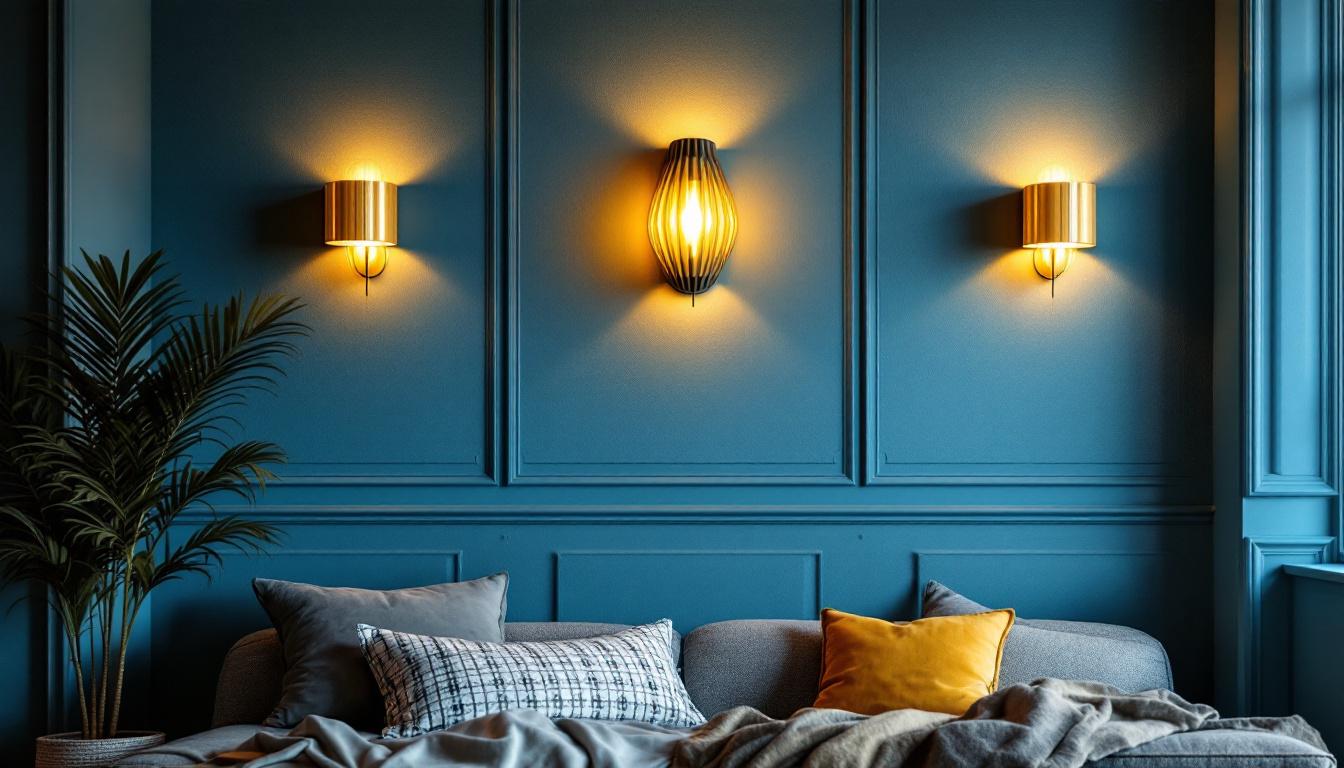
Wall sconces have evolved from merely decorative elements to essential components in layered lighting schemes. Their ability to provide both ambient and accent lighting makes them versatile tools for lighting contractors aiming to enhance spatial aesthetics and functionality.
Incorporating sconces with the right lumen output can dramatically influence how a room feels and operates. For example, sconces placed strategically along hallways or staircases not only improve safety but also add depth and texture to otherwise plain walls. The interplay of light and shadow created by sconces can transform a mundane passage into an inviting corridor, encouraging movement and exploration throughout the space.
Types of Sconces and Their Lumens Output
There are several types of sconces, each suited to different lighting needs and design goals:
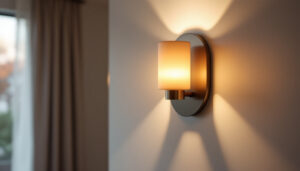
- Upward-facing sconces: These fixtures direct light towards the ceiling, creating a soft, diffused glow that enhances ambient lighting. Typically, they emit between 300 to 800 lumens, depending on the size and bulb type.
- Downward-facing sconces: Ideal for task lighting or highlighting artwork, these sconces often produce 400 to 1000 lumens, offering focused illumination.
- Double-arm sconces: Combining upward and downward light, these fixtures can provide balanced lighting with lumen outputs ranging from 600 to 1500, depending on the bulbs used.
Choosing the appropriate sconce type and lumen output is essential for achieving the desired lighting effect and ensuring energy efficiency. Additionally, the design and finish of sconces play a crucial role in their integration into a room’s overall decor. From sleek, modern metal finishes to ornate, vintage-inspired designs, sconces can complement various interior styles, making them a popular choice for both residential and commercial spaces. Furthermore, the advent of smart lighting technology has allowed for even greater versatility, enabling homeowners to adjust brightness levels and color temperatures to suit different moods and occasions.
Moreover, the placement of sconces can significantly affect the perceived size and shape of a room. For instance, using sconces to highlight architectural features such as alcoves or built-in shelves can draw the eye and create a sense of depth, making a smaller space feel larger and more inviting. In open-concept areas, sconces can help delineate different zones without the need for physical barriers, offering both functionality and style in contemporary living environments.
Optimizing Lighting Designs with Lumens Sconces
Lighting contractors can leverage lumens sconces to create dynamic, layered lighting environments that enhance both aesthetics and usability. Layered lighting involves combining ambient, task, and accent lighting to produce a balanced and flexible illumination scheme.
Balancing Ambient and Accent Lighting
Sconces are particularly effective at providing accent lighting, which highlights architectural features, artwork, or decorative elements. By selecting sconces with appropriate lumen levels, contractors can prevent overpowering the space while drawing attention to key areas.
For ambient lighting, sconces with moderate lumen outputs can complement ceiling fixtures or natural light sources, filling in shadows and creating a warm, inviting atmosphere. This balance is vital in hospitality settings, residential living rooms, or retail environments where mood and comfort are priorities. The strategic placement of sconces can also create visual pathways, guiding the eye through a space and enhancing the overall flow of the design. For example, placing sconces along hallways or staircases not only improves visibility but also adds an element of safety, making these areas more inviting and secure.
Energy Efficiency and Client Satisfaction
Using LED sconces with optimized lumen outputs not only reduces energy consumption but also minimizes maintenance costs due to longer bulb lifespans. Clients increasingly demand sustainable solutions, and demonstrating expertise in lumen-based lighting design can differentiate contractors in a competitive market.
Moreover, precise lumen control helps avoid issues such as glare or uneven lighting, which can detract from a space’s usability and appeal. Properly illuminated environments enhance occupant comfort, productivity, and safety, leading to higher client satisfaction and repeat business. Additionally, the versatility of sconces allows for creative design options, such as dimmable features or smart technology integration, which can further enhance user experience. By offering clients the ability to customize their lighting settings, contractors can not only meet but exceed client expectations, fostering a sense of ownership and satisfaction with their lighting choices.
Practical Tips for Selecting and Installing Lumens Sconces
Successful lighting projects require careful planning and execution. Here are some practical considerations for contractors when working with lumens sconces:
Assessing the Space and Purpose
Begin by evaluating the room’s size, function, and existing lighting conditions. Determine the desired mood and identify areas requiring task or accent lighting. This assessment will guide the selection of sconces with the right lumen output and style.
Choosing the Right Bulbs and Fixtures
Select LED bulbs that offer consistent color temperature and lumen output. Warm white (2700K to 3000K) is often preferred for residential and hospitality spaces due to its cozy ambiance, while cooler whites (3500K to 4100K) suit workspaces and retail environments.
Fixtures should complement the architectural style and interior design while accommodating the required lumen levels. Adjustable sconces provide added flexibility for directing light where it’s needed most.
Installation Best Practices
Position sconces at appropriate heights—typically between 60 and 72 inches from the floor—to maximize effectiveness and minimize glare. Ensure wiring and mounting comply with electrical codes and safety standards.
Consider dimmer switches or smart controls to allow clients to adjust lighting levels according to different activities or times of day, further enhancing the versatility of lumens sconces.
Case Studies: Lumens Sconces in Action
Real-world examples illustrate how lumens sconces can transform spaces and elevate lighting designs.
Residential Living Room Transformation
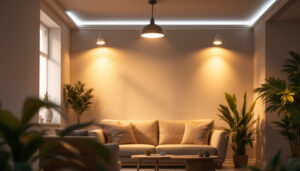
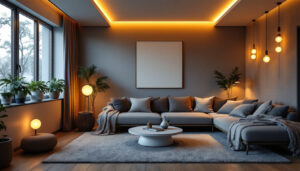
A lighting contractor was tasked with revamping a living room to create a warm, inviting atmosphere suitable for both relaxation and entertaining. By installing upward-facing LED sconces emitting 600 lumens each along the perimeter walls, the space gained a soft ambient glow that complemented recessed ceiling lights. Accent sconces with 400 lumens highlighted artwork, adding visual interest without overwhelming the room.
The client reported increased satisfaction with the lighting quality and appreciated the energy savings achieved through LED technology.
Hospitality Corridor Enhancement
In a boutique hotel, dimly lit hallways were a common complaint. The contractor installed downward-facing sconces with 800 lumens spaced evenly along the corridors. The sconces provided sufficient illumination for safety while enhancing the aesthetic appeal with their elegant design.
The improved lighting contributed to positive guest feedback and reinforced the hotel’s commitment to comfort and style.
Conclusion: Embracing Lumens Sconces for Superior Lighting Designs
For lighting contractors, mastering the use of lumens sconces is a game-changer. It enables the creation of nuanced, efficient, and visually appealing lighting environments tailored to diverse client needs. By prioritizing lumens over watts, selecting the right types of sconces, and applying thoughtful design principles, contractors can deliver superior results that enhance both form and function.
As the lighting industry continues to evolve with advances in LED technology and smart controls, staying informed about lumen-based lighting design will remain essential. Lumens sconces are not just fixtures—they are powerful tools that unlock the full potential of any space.
Illuminate Your Projects with LumenWholesale
Ready to elevate your lighting designs with the efficiency and elegance of lumens sconces? At LumenWholesale, we provide lighting contractors with the highest quality, spec-grade lighting products at prices that can’t be beaten. Say goodbye to unnecessary markups and hello to a vast selection of reliable lighting solutions that meet your project’s needs. With free shipping on bulk orders, you can trust that you’re getting the best value without any hidden costs. Make your next project shine with the perfect combination of quality, affordability, and convenience. Explore our collection and take advantage of unbeatable wholesale prices today at Wholesale Lighting at the Best Value.