Understanding the Varieties of LED Light Bulbs
LED technology has revolutionized the lighting industry, offering a broad spectrum of options tailored to different applications and environments. For lighting contractors, recognizing the distinct types of LED bulbs is essential not only for meeting client needs but also for optimizing installation efficiency and cost-effectiveness.
LED bulbs differ in shape, size, base type, color temperature, and lumen output. These variables influence their suitability for residential, commercial, or industrial projects. Familiarity with these options enables contractors to recommend the most appropriate products, reducing the likelihood of returns or reworks. Additionally, understanding the energy efficiency ratings and lifespan of various LED bulbs can significantly impact long-term client satisfaction and operational costs.
Common LED Bulb Types
Several LED bulb types dominate the market, each designed for specific lighting scenarios:
- A-shape (A19, A21): These are the classic bulb shapes used in most household fixtures. Their versatility makes them a staple in many projects.
- BR and PAR Bulbs: Bulged reflector (BR) and parabolic aluminized reflector (PAR) bulbs are ideal for directional lighting, commonly used in recessed and track lighting.
- G-type (Globe): Often used in decorative fixtures and vanity lighting, these bulbs provide a soft, ambient glow.
- Tubes (T8, T5): Linear LED tubes are popular replacements for fluorescent tubes in commercial and industrial settings.
- Candelabra bulbs: These smaller bulbs are designed for chandeliers and decorative fixtures.
In addition to these common types, the advancements in LED technology have led to the emergence of new designs that cater to specific lighting needs. For instance, LED bulbs with adjustable color temperatures allow users to switch between warm and cool light, making them ideal for various settings—from cozy living rooms to vibrant workspaces. Furthermore, the development of dimmable LED options provides greater flexibility in controlling ambiance, which is particularly beneficial in hospitality and retail environments.
Specialty LED Bulbs
Beyond the common types, specialty LED bulbs address niche requirements:
- Smart LED Bulbs: Integrated with Wi-Fi or Bluetooth, these bulbs offer remote control, scheduling, and color-changing features, enhancing modern smart home and office systems.
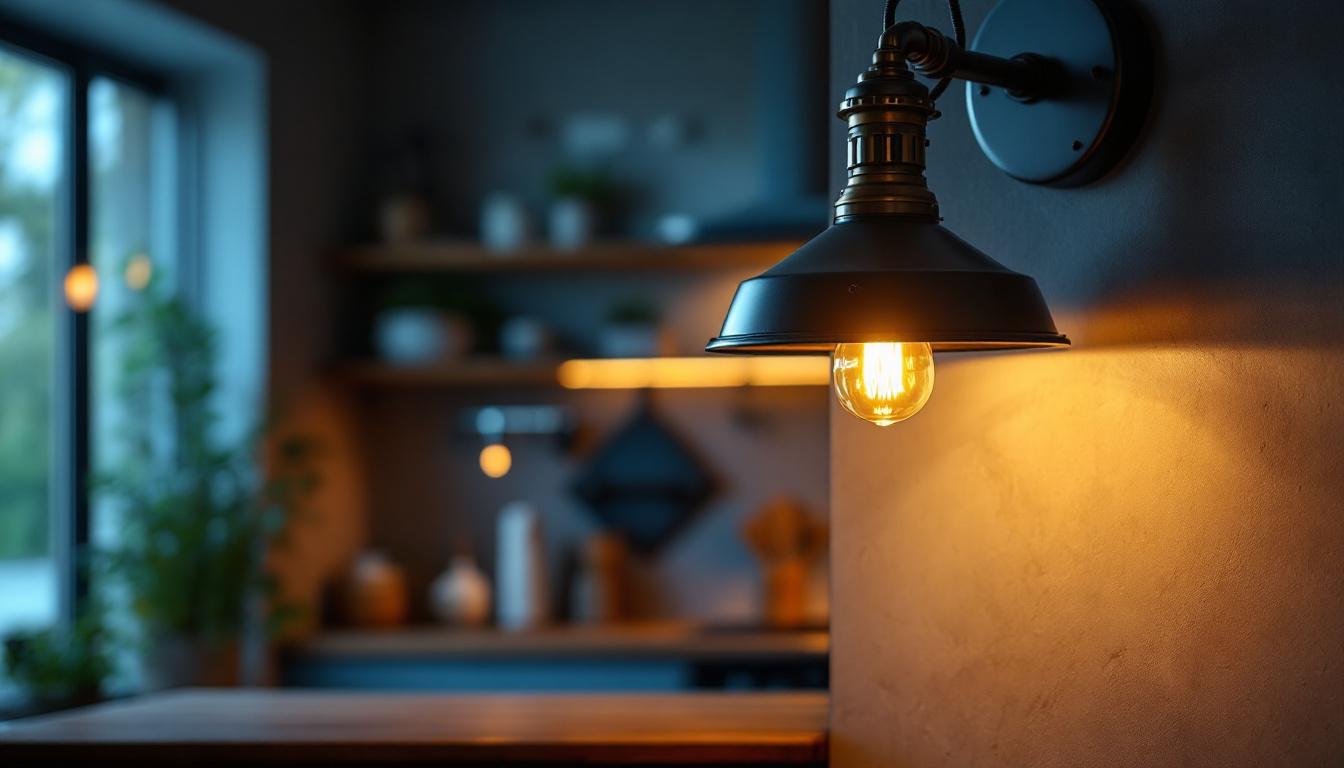
- Filament LED Bulbs: Designed to mimic the look of traditional incandescent bulbs, these provide aesthetic appeal without sacrificing energy efficiency.
- High-Output LED Bulbs: Engineered for spaces requiring intense illumination, such as warehouses or outdoor areas.
Moreover, there are LED bulbs specifically designed for outdoor use, featuring enhanced durability and weather resistance. These bulbs often come with higher IP ratings, ensuring they can withstand exposure to moisture and dust. Such features are crucial for outdoor fixtures, where reliability and longevity are paramount. Additionally, some specialty LED bulbs are tailored for specific applications, such as grow lights for indoor gardening or UV LED bulbs for sterilization purposes, showcasing the versatility and adaptability of LED technology in meeting diverse lighting needs.
How LED Bulb Selection Saves Time for Lighting Contractors
Choosing the right LED bulb type can significantly streamline the installation process. Time savings come from reduced troubleshooting, fewer replacements, and simplified maintenance.
Compatibility and Standardization
Using LED bulbs that match existing fixtures and comply with industry standards minimizes installation challenges. For example, selecting LED tubes that are designed as direct replacements for fluorescent tubes avoids the need for rewiring or ballast removal. This compatibility reduces labor hours and the risk of errors.
Moreover, standardized base types like E26 or GU10 ensure that bulbs fit securely without modification. Contractors benefit from quicker installations and improved client satisfaction when bulbs perform as expected on the first try. The ease of installation not only enhances workflow efficiency but also allows contractors to take on more projects, ultimately increasing their profitability. Furthermore, with the growing trend of retrofitting older buildings with LED technology, having a clear understanding of compatibility can help contractors provide valuable insights to clients about potential upgrades and energy savings.
Pre-Configured and Smart Lighting Solutions
Smart LED bulbs come pre-configured with features that simplify commissioning. Lighting contractors can save time by remotely setting schedules, dimming levels, and color temperatures before installation. This reduces on-site adjustments and callbacks.
Additionally, smart systems often integrate with building management software, allowing contractors to oversee multiple fixtures simultaneously. This centralized control is particularly advantageous in large commercial projects, where manual configuration of each bulb would be impractical. The ability to monitor energy consumption and adjust settings remotely not only enhances operational efficiency but also provides clients with detailed reports on energy savings, contributing to sustainability goals. As the demand for smart technology continues to rise, contractors who are adept at utilizing these systems will likely find themselves in high demand, further solidifying their expertise in the evolving lighting landscape.
Durability and Reduced Maintenance
LED bulbs generally have longer lifespans compared to traditional lighting options. Selecting high-quality LED bulbs with robust construction reduces the frequency of replacements and maintenance visits. For contractors, this translates into fewer service calls and enhanced reputation for reliability.
Moreover, the durability of LED technology means that these bulbs are less susceptible to damage from environmental factors such as temperature fluctuations and vibrations, making them ideal for a variety of settings, from residential homes to bustling commercial environments. This resilience not only contributes to lower long-term costs for clients but also allows contractors to build trust and long-lasting relationships with their customers. By recommending and installing high-quality LED solutions, contractors position themselves as knowledgeable professionals who prioritize both performance and client satisfaction, paving the way for repeat business and referrals in a competitive market.
Cost-Saving Benefits of LED Bulb Choices
Beyond time savings, the right LED bulb selection directly impacts project budgets and long-term operational costs.
Energy Efficiency and Utility Savings
LED bulbs consume significantly less electricity than incandescent or fluorescent bulbs, often using up to 80% less energy. This efficiency reduces utility expenses for clients, making LED installations an attractive proposition.
Lighting contractors who recommend energy-efficient LED options can leverage these savings as a selling point, helping to close deals faster. Additionally, many utility companies offer rebates for LED upgrades, which contractors can assist clients in obtaining, further enhancing cost-effectiveness.
Reduced Inventory Costs
Understanding the most commonly used LED bulb types in a contractor’s service area allows for optimized inventory management. Stocking a focused range of bulbs reduces storage costs and minimizes capital tied up in slow-moving products.
By standardizing bulb choices across projects, contractors can negotiate better pricing with suppliers due to higher volume purchases. This purchasing power directly benefits the bottom line.
Lower Installation and Replacement Expenses
LED bulbs that fit existing fixtures without modification reduce installation time and labor costs. Furthermore, the longer lifespan of LEDs means fewer replacements over time, decreasing the total cost of ownership for clients and reducing warranty claims for contractors.
Best Practices for Lighting Contractors When Selecting LED Bulbs
To maximize the benefits of LED technology, lighting contractors should adopt strategic approaches when choosing bulbs.
Assessing Project Requirements Thoroughly
Every lighting project has unique needs based on space function, ambient light levels, and client preferences. Conducting detailed assessments ensures bulb selections align with these factors, preventing costly mistakes.
For example, choosing a warm color temperature (2700K to 3000K) is generally preferred for residential settings to create a cozy atmosphere, while cooler temperatures (4000K to 5000K) suit commercial or task-oriented environments.
Prioritizing Quality and Certification
Not all LED bulbs are created equal. Contractors should prioritize products that carry certifications such as ENERGY STAR, DLC (DesignLights Consortium), or UL listings. These certifications guarantee performance, safety, and energy efficiency standards.
Investing in quality bulbs reduces the risk of premature failures and client dissatisfaction, ultimately protecting the contractor’s reputation.
Leveraging Supplier Relationships
Developing strong relationships with reputable LED suppliers can provide contractors with access to the latest products, technical support, and favorable pricing. Suppliers often offer training and resources that help contractors stay informed about evolving LED technologies and installation best practices.
Case Studies: Real-World Savings Through LED Selection
Concrete examples illustrate how thoughtful LED bulb choices translate into tangible benefits for lighting contractors and their clients.
Commercial Office Retrofit
A lighting contractor undertook a retrofit project for a mid-sized office building, replacing outdated fluorescent tubes with T8 LED tubes. By selecting direct-fit LED tubes compatible with existing ballasts, the contractor eliminated the need for rewiring. This decision reduced labor hours by 30% and minimized project downtime.
The client experienced a 50% reduction in lighting energy consumption, resulting in substantial utility savings. The contractor’s ability to deliver a hassle-free upgrade enhanced client trust and led to additional referrals.
Hospitality Industry Upgrade
In a hotel renovation, the contractor chose filament-style LED bulbs for decorative fixtures to maintain the vintage aesthetic while improving energy efficiency. The bulbs’ long lifespan and low heat emission reduced maintenance frequency and improved guest comfort.
Smart LED bulbs were installed in public areas, enabling centralized control of lighting scenes and schedules. This integration saved the hotel operational costs and allowed the contractor to offer value-added services, strengthening the business relationship.
Conclusion: Strategic LED Bulb Selection as a Competitive Advantage
For lighting contractors, mastering the variety of LED light bulbs and their applications is more than a technical requirement—it is a strategic advantage. The right selection enhances installation efficiency, reduces costs, and elevates client satisfaction.
By staying informed about LED innovations, prioritizing quality, and aligning bulb choices with project specifics, contractors can streamline workflows and build stronger client partnerships. Ultimately, this expertise translates into time and money saved, positioning contractors for sustained success in a competitive market.
Illuminate Your Projects with LumenWholesale
Ready to harness the strategic advantage of the right LED bulb selection for your lighting projects? Look no further than LumenWholesale. Our commitment to providing contractors with superior, spec-grade lighting products at wholesale prices ensures you get the best value for your investment. Say goodbye to local distributor markups and hello to a vast selection of industry-standard, high-performance lighting solutions. With the added benefits of free shipping and bulk buying convenience, LumenWholesale is your go-to source for quality and affordability. Elevate your lighting game and experience Wholesale Lighting at the Best Value today.