Understanding Flush Mounted LED Ceiling Lights
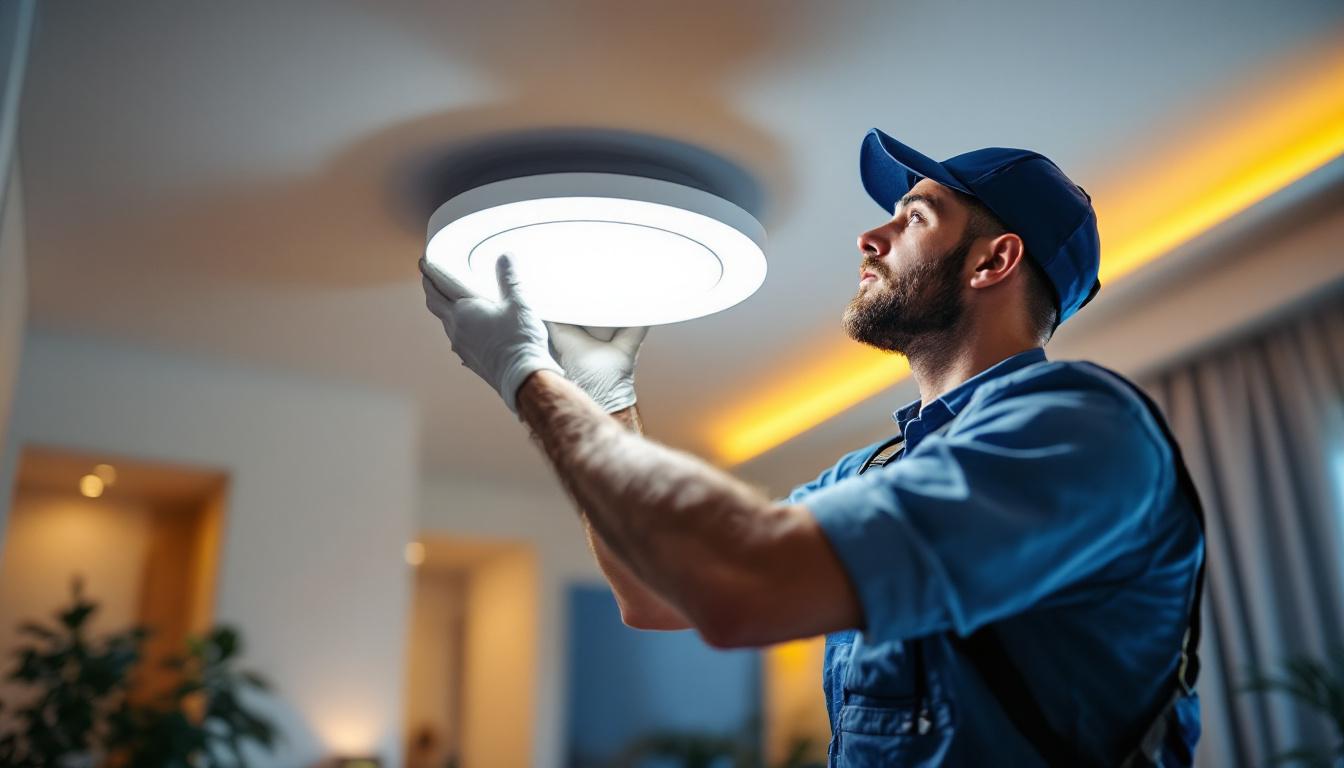
Flush mounted LED ceiling lights have become a staple in modern lighting design due to their sleek appearance, energy efficiency, and versatility. Unlike traditional fixtures that hang down from the ceiling, flush mounted lights sit directly against the ceiling surface, creating a clean and unobtrusive look. This design is particularly popular in residential, commercial, and hospitality settings where a minimalist aesthetic is desired. Their low-profile nature makes them ideal for spaces with low ceilings, ensuring that they do not obstruct sight lines or create a cluttered appearance.
For lighting contractors, flush mounted LED fixtures offer numerous advantages, including ease of installation and compatibility with a variety of ceiling types. However, despite these benefits, several challenges can arise during specification, installation, and maintenance. Understanding these challenges and how to effectively address them is crucial for delivering successful projects and ensuring client satisfaction. For instance, selecting the appropriate color temperature and brightness level is essential to meet the specific needs of a space, as these factors can significantly influence the ambiance and functionality of a room.
Moreover, the advancements in LED technology have led to a wide array of options in terms of design and functionality. Many flush mounted fixtures now come equipped with smart technology, allowing users to control lighting remotely or adjust brightness and color settings through a smartphone app. This not only enhances convenience but also promotes energy savings by enabling users to customize their lighting according to their daily routines. Additionally, the availability of dimmable options provides further flexibility, allowing for a seamless transition from bright task lighting to a softer, more ambient glow for evening relaxation.
Another important aspect to consider is the impact of flush mounted LED ceiling lights on energy consumption and sustainability. With their long lifespan and reduced energy usage compared to traditional incandescent bulbs, these fixtures contribute to lower electricity bills and a smaller carbon footprint. Many manufacturers are also focusing on eco-friendly materials and production processes, making it easier for consumers to choose lighting solutions that align with their values. As energy efficiency regulations become more stringent, the adoption of flush mounted LED lights is likely to continue rising, further solidifying their place in contemporary lighting design.
Common Challenges Lighting Contractors Face
1. Compatibility with Ceiling Types and Structures
One of the primary challenges when installing flush mounted LED ceiling lights is ensuring compatibility with various ceiling constructions. Ceilings can range from drywall and plasterboard to suspended grids and concrete slabs. Each type presents unique considerations for mounting, wiring, and securing fixtures.
For example, in suspended ceilings, contractors must ensure the fixture fits within the grid system without compromising structural integrity. In solid ceilings, drilling and anchoring require precision to avoid damage and ensure a secure fit. Misjudging these factors can lead to improper installation, safety hazards, or aesthetic issues.
2. Electrical and Wiring Constraints
Integrating LED fixtures into existing electrical systems can be complex, especially in older buildings where wiring may not meet current standards. Lighting contractors often encounter challenges such as insufficient wiring capacity, incompatible dimming systems, or lack of accessible junction boxes.
Moreover, LED lights require drivers and transformers that must be compatible with the building’s electrical infrastructure. Incorrect pairing can lead to flickering, reduced lifespan, or even fixture failure. Navigating these electrical nuances requires thorough planning and technical expertise.
3. Heat Dissipation and Longevity
Although LEDs generate less heat than traditional bulbs, heat dissipation remains a critical factor affecting fixture longevity and performance. Flush mounted fixtures, by design, have limited space for airflow, which can cause heat buildup if not properly managed.
Inadequate heat management can shorten the lifespan of LED components and degrade light quality over time. Contractors must consider fixture design, installation environment, and ventilation to mitigate heat-related issues effectively.
4. Achieving Desired Lighting Quality and Uniformity
Clients increasingly demand lighting solutions that not only illuminate spaces but also enhance ambiance and functionality. Achieving the right color temperature, brightness, and distribution with flush mounted LEDs can be challenging, especially in large or irregularly shaped rooms.
Improper fixture placement or selection can result in uneven lighting, glare, or shadows, detracting from the overall aesthetic and usability of the space. Lighting contractors must balance technical specifications with design goals to meet client expectations.
5. Compliance with Codes and Energy Standards
Lighting installations must adhere to local building codes, safety regulations, and energy efficiency standards. Staying updated with evolving requirements can be daunting, particularly when working across different jurisdictions or building types.
Failure to comply can lead to costly rework, legal liabilities, or penalties. Contractors need to ensure that selected fixtures and installation practices meet all applicable standards, including those related to fire safety, electrical safety, and energy consumption.
Strategies to Overcome Installation and Design Challenges
Thorough Site Assessment and Planning
Effective project execution begins with a comprehensive site assessment. Contractors should evaluate ceiling types, structural conditions, electrical infrastructure, and client requirements before selecting fixtures or developing installation plans.
Utilizing tools such as digital measuring devices, thermal cameras, and electrical testers can provide valuable insights into potential obstacles. Early identification of challenges allows for proactive solutions, reducing delays and unforeseen costs.
Selecting the Right Fixtures and Components
Choosing fixtures that are specifically designed for the intended ceiling type and environment is critical. For example, low-profile LED panels with integrated heat sinks are ideal for tight spaces, while moisture-resistant models suit bathrooms or kitchens.
Additionally, selecting compatible drivers and dimming controls ensures optimal performance and user experience. Collaborating with reputable manufacturers and suppliers can provide access to technical support and product warranties, enhancing project reliability.
Leveraging Advanced Installation Techniques
Innovative installation methods can address structural and electrical challenges effectively. For instance, using adjustable mounting brackets can accommodate uneven ceilings, while pre-wired junction boxes simplify electrical connections.
Employing wireless dimming controls or smart lighting systems can also overcome wiring limitations and offer enhanced functionality. Training teams on these advanced techniques ensures consistency and quality in installations.
Implementing Heat Management Solutions
To mitigate heat buildup, contractors should prioritize fixtures with built-in heat sinks and adequate ventilation pathways. In some cases, installing additional ventilation or spacing fixtures appropriately can improve airflow.
Monitoring temperature during and after installation using thermal imaging can help identify hotspots and verify the effectiveness of heat management strategies. This proactive approach extends fixture lifespan and maintains lighting quality.
Optimizing Lighting Design for Uniformity and Comfort
Utilizing lighting design software enables contractors to simulate light distribution and adjust fixture placement before installation. This technology helps achieve uniform illumination, reduce glare, and create the desired ambiance.
Involving clients in the design process through visualizations and mock-ups can ensure their expectations are met. Additionally, considering factors such as room function, surface reflectance, and natural light sources enhances overall lighting effectiveness.
Ensuring Compliance and Documentation
Maintaining up-to-date knowledge of relevant codes and standards is essential. Contractors should regularly review guidelines from authorities such as the National Electrical Code (NEC) and energy efficiency programs.
Documenting all aspects of the installation, including product specifications, wiring diagrams, and inspection reports, facilitates compliance verification and future maintenance. Engaging with certified inspectors or consultants can provide additional assurance.
Case Studies: Successful Overcoming of Challenges
Residential Retrofit in a Historic Building
A lighting contractor was tasked with installing flush mounted LED ceiling lights in a historic home with plaster ceilings and outdated wiring. The challenge was to preserve the ceiling integrity while upgrading to modern lighting.
By conducting a detailed structural assessment and using low-profile fixtures with flexible mounting systems, the contractor avoided damaging the plasterwork. Additionally, they installed new wiring in concealed conduits and utilized wireless dimming controls to circumvent the lack of accessible junction boxes. The result was a seamless integration of modern lighting without compromising the building’s character.
Commercial Office Upgrade with Energy Efficiency Goals
In a large office space, the goal was to replace fluorescent fixtures with flush mounted LEDs to reduce energy consumption and improve lighting quality. The contractor faced challenges related to ceiling grid compatibility and ensuring uniform illumination.
By selecting LED panels designed for suspended ceilings and employing lighting design software, the contractor optimized fixture layout to minimize shadows and glare. Incorporating smart controls allowed for daylight harvesting and occupancy sensing, further enhancing energy savings. The project achieved significant reductions in energy costs and improved employee comfort.
Hospitality Project with Moisture and Heat Concerns
A hotel renovation required flush mounted LED lighting in bathrooms and corridors where moisture and heat dissipation were concerns. The contractor selected fixtures with IP-rated enclosures and integrated heat sinks to address these issues.
They also implemented spacing strategies to ensure adequate airflow around fixtures and conducted thermal imaging post-installation to confirm effective heat management. The lighting system met safety standards and provided a pleasant ambiance, contributing to positive guest experiences.
Best Practices for Lighting Contractors
Continuous Education and Training
Staying current with technological advancements and industry standards is vital. Lighting contractors should invest in ongoing training programs, attend industry conferences, and engage with manufacturer workshops to enhance their expertise.
Effective Communication with Clients and Stakeholders
Clear communication helps set realistic expectations and fosters collaboration. Providing detailed proposals, visual aids, and progress updates ensures clients are informed and involved throughout the project lifecycle.
Quality Control and Post-Installation Support
Implementing rigorous quality control measures during installation minimizes errors and rework. Offering maintenance services and warranties builds trust and encourages repeat business.
Conclusion
Flush mounted LED ceiling lights offer numerous benefits, but their successful implementation requires careful consideration of structural, electrical, thermal, and design factors. Lighting contractors who proactively address these challenges through thorough planning, appropriate product selection, advanced installation techniques, and compliance adherence can deliver superior lighting solutions that satisfy client needs and stand the test of time.
By embracing best practices and leveraging technology, contractors not only overcome obstacles but also position themselves as trusted experts in the evolving lighting industry.
Get Your Premium Lighting Solutions at LumenWholesale
Ready to elevate your lighting projects with the highest quality flush mounted LED ceiling lights? Look no further than LumenWholesale, where we provide contractors with spec-grade lighting products at unbeatable wholesale prices. Say goodbye to local distributor markups and hello to superior lighting products that meet rigorous industry standards. With our hassle-free bulk buying and free shipping, you’ll enjoy premium lighting at the best value — all without hidden fees or compromises. Don’t let lighting challenges hold you back. Wholesale Lighting at the Best Value is just a click away. Experience the LumenWholesale difference today!