Understanding the Unique Lighting Needs of Ballet Studios
Lighting contractors face a distinct set of challenges when designing and installing lighting solutions in ballet studios. Unlike typical commercial or residential spaces, ballet studios demand a lighting environment that supports both the artistic and functional aspects of dance practice. The interplay of light and shadow, the need for uniform illumination, and the importance of minimizing glare are critical considerations that directly impact dancers’ performance and safety.
One of the foremost requirements is achieving a balance between brightness and softness. Ballet dancers rely heavily on visual cues, including their own shadows and reflections in mirrors, to perfect their technique. Insufficient or harsh lighting can distort these visual cues, leading to missteps or injuries. Therefore, lighting contractors must prioritize fixtures that provide consistent, flicker-free illumination with adjustable intensity.
Key Characteristics of Ballet Studio Lighting
Effective ballet studio lighting typically features high color rendering index (CRI) values, ideally above 90, to ensure that skin tones and costumes are accurately represented. This is essential for instructors who need to observe subtle movements and for dancers to assess their form. Additionally, the color temperature should mimic natural daylight, generally within the 4000K to 5000K range, to reduce eye strain and maintain energy levels during long rehearsals.
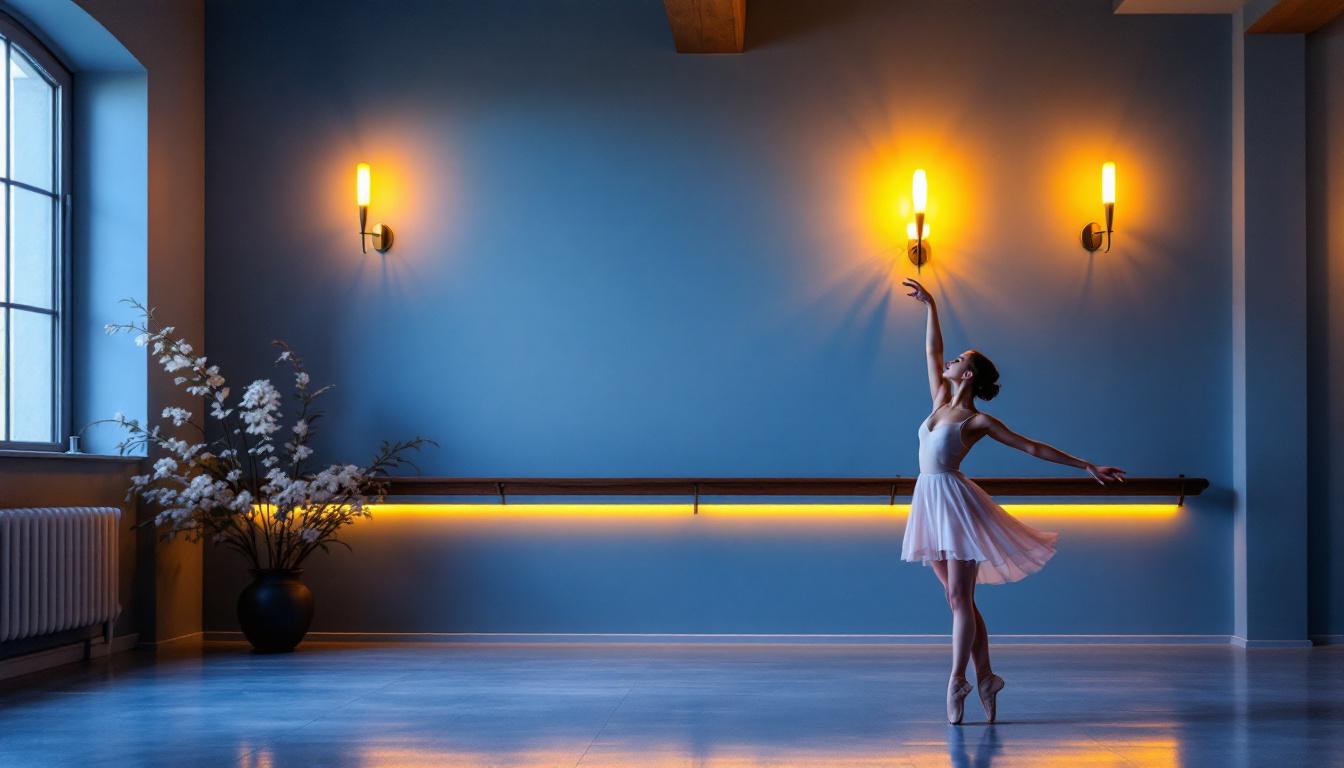
Moreover, the placement of wall fixtures plays a pivotal role in preventing glare and shadows. Wall-mounted lighting must be strategically positioned to complement overhead lighting and avoid creating distracting reflections on mirrors or floors. This often involves the use of diffusers or indirect lighting techniques to soften the light output.
Incorporating adjustable lighting systems can further enhance the versatility of the studio environment. Dancers often engage in various styles of practice, from classical ballet to contemporary dance, each requiring different lighting dynamics. By utilizing dimmable LED fixtures or smart lighting controls, studios can easily transition from bright, focused lighting for technique work to softer, ambient lighting for creative exploration or rehearsals. This adaptability not only supports the dancers’ needs but also contributes to the overall atmosphere of the studio, fostering creativity and expression.
Another important aspect to consider is the integration of emergency lighting solutions. Given the physical nature of ballet practice and the potential for accidents, ensuring that the studio is equipped with adequate emergency lighting is crucial. This involves installing battery-backed lights that activate in the event of a power failure, allowing dancers to safely navigate the space until normal lighting can be restored. Additionally, maintaining clear pathways and exits with well-placed lighting can further enhance safety, ensuring that dancers can focus on their art without unnecessary distractions or hazards.
Selecting the Right Wall Fixtures for Ballet Studios
Choosing the appropriate wall fixtures is a critical task that requires a deep understanding of both the technical specifications and the aesthetic demands of ballet studios. Lighting contractors must consider fixture design, light distribution patterns, and energy efficiency to deliver an optimal lighting solution.
Fixture Design and Aesthetics
Ballet studios often feature minimalist and elegant interiors that emphasize openness and fluidity. Wall fixtures should complement this aesthetic without overpowering the space. Slim-profile LED wall sconces or linear fixtures with clean lines are popular choices, as they provide ample illumination while maintaining a sleek appearance.
Additionally, the fixtures should be robust and easy to maintain, given the high-traffic nature of studios. Durable materials such as anodized aluminum or powder-coated steel are preferred for their longevity and resistance to wear. Contractors should also consider fixtures with adjustable mounting brackets to allow for fine-tuning the light angle after installation. Furthermore, the color temperature of the fixtures plays a significant role in creating the right ambiance; warmer tones can evoke a sense of comfort and creativity, while cooler tones may enhance focus and precision during practice.
Light Distribution and Control
Uniformity in light distribution is paramount in ballet studios to avoid uneven illumination that can disrupt dancers’ spatial awareness. Wall fixtures with wide beam angles or asymmetric optics help spread light evenly across the studio walls and floors. Some advanced fixtures incorporate dimming capabilities and programmable controls, enabling instructors to adjust lighting levels according to different activities, such as warm-ups, rehearsals, or performances.
Integrating smart lighting controls also offers energy savings and flexibility. Motion sensors can automatically adjust lighting when the studio is unoccupied, while scene-setting presets allow quick transitions between lighting modes. Lighting contractors should ensure compatibility with popular control systems to future-proof the installation. Additionally, incorporating daylight sensors can optimize energy usage by adjusting artificial lighting based on the amount of natural light entering the studio, creating a harmonious environment that promotes both sustainability and artistic expression.
Installation Considerations for Ballet Studio Wall Fixtures
Proper installation is crucial to maximize the performance and longevity of wall fixtures in ballet studios. Lighting contractors must account for the studio’s architectural features, electrical infrastructure, and safety regulations during the installation process.
Placement and Height
Wall fixtures should be installed at heights that prevent direct glare into dancers’ eyes while providing sufficient illumination on the walls and floors. Typically, mounting fixtures between 6 to 8 feet above the floor achieves this balance. Contractors should also avoid placing fixtures directly opposite mirrors to minimize reflections that can cause distraction or discomfort.
In studios with high ceilings or expansive wall spaces, multiple fixtures spaced evenly along the walls ensure consistent lighting coverage. Using a lighting layout plan that includes photometric analysis helps determine optimal fixture spacing and angles. Additionally, considering the color temperature of the fixtures can enhance the overall ambiance of the studio. Warmer tones can create a welcoming environment, while cooler tones may be more energizing, thus influencing the dancers’ mood and performance during practice sessions.
Electrical and Safety Protocols
Since ballet studios are active environments with frequent movement and occasional equipment setup, all electrical installations must comply with local building codes and safety standards. Lighting contractors should use wiring methods that protect against accidental damage and ensure fixtures are securely mounted to withstand vibrations or impacts.
Additionally, selecting fixtures with appropriate ingress protection (IP) ratings is important, especially in studios where humidity or cleaning agents might be present. While ballet studios are generally indoor environments, a minimum IP20 rating is advisable to safeguard against dust and minor contact. Beyond just the fixtures, it is also essential to incorporate emergency lighting systems that comply with safety regulations, ensuring that dancers can safely exit the studio in case of an emergency. This includes strategically placing exit signs and maintaining clear pathways that are well-lit, even during low-light conditions, to enhance safety and visibility.
Energy Efficiency and Sustainability in Ballet Studio Lighting
Modern lighting solutions for ballet studios increasingly emphasize energy efficiency and environmental responsibility. Lighting contractors have a vital role in recommending and implementing fixtures that reduce energy consumption without compromising lighting quality.
LED Technology Advantages
LED wall fixtures are the preferred choice for ballet studios due to their high efficiency, long lifespan, and low heat output. Compared to traditional incandescent or fluorescent lighting, LEDs can reduce energy usage by up to 70%, translating into significant cost savings for studio operators.
Moreover, LEDs offer superior dimming capabilities and instant-on performance, which are essential for dynamic lighting environments. Their low thermal emission also helps maintain a comfortable studio temperature, an important factor in preserving both dancer comfort and the integrity of delicate flooring materials.
Incorporating Daylight Harvesting
Where possible, integrating daylight harvesting strategies can further enhance energy savings. Ballet studios with windows or skylights can benefit from sensors that adjust artificial lighting levels based on natural light availability. This not only reduces electricity consumption but also creates a more natural and inviting atmosphere for dancers.
Lighting contractors should collaborate with architects and interior designers early in the project to optimize fixture placement and control systems that complement the studio’s daylighting design.
Maintenance and Longevity of Ballet Studio Wall Fixtures
Ensuring the longevity and consistent performance of wall fixtures in ballet studios requires a proactive maintenance approach. Lighting contractors can provide valuable guidance to studio owners and facility managers on best practices for upkeep.
Routine Inspection and Cleaning
Regular inspection of fixtures helps identify issues such as loose mounts, damaged wiring, or degraded diffusers before they affect lighting quality or safety. Cleaning fixtures periodically removes dust and grime that can diminish light output and alter color temperature.
Using non-abrasive cleaning agents and soft cloths preserves fixture finishes and prevents damage to lenses or diffusers. Contractors should provide maintenance manuals tailored to the specific fixtures installed, outlining recommended cleaning intervals and procedures.
Replacement and Upgrades
Despite the durability of modern LED fixtures, eventual replacement or upgrades may be necessary to maintain optimal lighting conditions. Lighting contractors should advise studio owners on signs that indicate fixture aging, such as flickering, color shifts, or reduced brightness.
Upgrading to newer fixtures with enhanced features, such as improved dimming controls or smart connectivity, can further improve the studio environment and operational efficiency. Establishing a maintenance contract or service agreement ensures that lighting systems remain in peak condition over time.
Conclusion: Delivering Optimal Lighting Solutions for Ballet Studios
For lighting contractors, successfully installing wall fixtures in ballet studios requires a comprehensive understanding of the unique demands of dance environments. By focusing on high-quality, adjustable lighting with excellent color rendering, strategic fixture placement, and energy-efficient technologies, contractors can create lighting solutions that enhance both the artistry and safety of ballet practice.
Attention to installation details, adherence to safety standards, and proactive maintenance planning further ensure that these lighting systems deliver long-term value. Ultimately, well-executed ballet studio lighting not only supports dancers’ performance but also elevates the overall ambiance and professionalism of the space.
Illuminate Your Ballet Studio with LumenWholesale
Ready to elevate your ballet studio with lighting that meets the mark of elegance and performance? Look no further than LumenWholesale for all your lighting needs. Our spec-grade lighting products promise exceptional quality and color rendering, ensuring that every pirouette and plié is showcased in the best light. With unbeatable wholesale prices and the convenience of free shipping on bulk orders, LumenWholesale is your go-to source for reliable, high-performance lighting solutions. Don’t compromise on quality or value; explore our selection today and bring the art of dance to life in your studio.