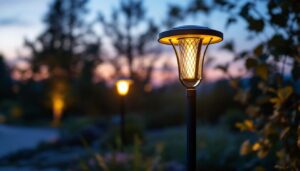
Introduction to Solar Powered Yard Lanterns for Lighting Contractors
As a lighting contractor, staying ahead of industry trends while delivering energy-efficient, cost-effective solutions is paramount. Solar powered yard lanterns have surged in popularity due to their eco-friendly nature, ease of installation, and growing consumer demand for sustainable outdoor lighting. These lanterns harness solar energy to illuminate gardens, pathways, and outdoor spaces without the need for complex wiring or ongoing electricity costs.
Understanding the nuances of solar powered yard lanterns—from product specifications to installation best practices—is essential for contractors aiming to provide top-tier service and maximize client satisfaction. This comprehensive checklist will guide lighting contractors through the critical aspects of selecting, installing, and maintaining solar yard lanterns, ensuring projects are executed flawlessly and efficiently.
Moreover, the technology behind solar powered yard lanterns has evolved significantly in recent years. Many models now feature advanced LED bulbs that offer brighter illumination and longer lifespans compared to traditional bulbs. Additionally, innovations such as motion sensors and smart technology integration allow for enhanced functionality, enabling users to control their lighting remotely or set timers for automatic operation. This not only adds convenience but also contributes to energy savings, making these lanterns an even more attractive option for environmentally conscious homeowners.
Furthermore, the aesthetic appeal of solar powered yard lanterns cannot be overlooked. Available in a wide range of styles, from classic designs to modern, sleek finishes, these lanterns can complement any outdoor décor. Contractors can offer personalized solutions to their clients by suggesting lanterns that match the architectural style of their homes or the overall theme of their gardens. By doing so, contractors not only enhance the visual appeal of outdoor spaces but also create a warm and inviting atmosphere that encourages outdoor living and enjoyment.
Understanding Solar Powered Yard Lanterns: Key Components and Technology
Solar Panels and Energy Conversion Efficiency
The heart of any solar powered yard lantern is its solar panel. These panels convert sunlight into electrical energy, which is stored in rechargeable batteries for nighttime illumination. Lighting contractors should prioritize lanterns equipped with high-efficiency monocrystalline or polycrystalline solar panels, as these offer better energy conversion rates even under partial shade or low-light conditions.
Energy conversion efficiency directly impacts how long and how brightly the lantern can shine after sunset. Panels with efficiencies above 15% are generally preferred, as they ensure optimal charging during daylight hours. Additionally, contractors should verify the panel’s durability, ensuring it is weather-resistant and capable of withstanding outdoor elements such as rain, snow, and dust. Furthermore, advancements in solar technology have led to the development of bifacial solar panels, which can capture sunlight from both sides, thus enhancing energy generation and making them an innovative choice for yard lanterns.
Battery Types and Capacity
Rechargeable batteries store the energy harvested by solar panels. The most common types found in solar yard lanterns include Nickel-Metal Hydride (NiMH) and Lithium-ion batteries. Lithium-ion batteries typically offer longer life spans, higher energy density, and better performance in varying temperatures, making them a superior choice for outdoor lighting applications.
Battery capacity is measured in milliampere-hours (mAh) and determines how long the lantern can operate without sunlight. Lighting contractors should assess the battery capacity relative to the lantern’s power consumption to ensure sufficient illumination throughout the night. A typical solar yard lantern battery capacity ranges between 600mAh and 2000mAh, with higher capacities providing longer lighting durations. Additionally, some modern lanterns feature smart technology that allows for battery management systems, optimizing charging cycles and prolonging battery life by preventing overcharging or deep discharging, which can significantly enhance the longevity of the lantern’s performance.
LED Lighting and Lumens Output
Light Emitting Diodes (LEDs) are the preferred light source in solar yard lanterns due to their low power consumption, long lifespan, and bright illumination. When selecting lanterns, contractors should consider the lumen output, which measures the brightness of the light. For ambient garden lighting, 100 to 300 lumens is usually adequate, while pathway lighting may require 300 to 600 lumens for safety and visibility.
Color temperature is another important factor. Warm white LEDs (around 2700K to 3000K) create a cozy atmosphere, while cool white LEDs (above 4000K) provide a more modern and vibrant look. Understanding client preferences and the intended use of the lanterns will help contractors recommend the appropriate LED specifications. Furthermore, the incorporation of adjustable brightness settings and motion sensors in some solar lanterns can enhance energy efficiency by ensuring that lights are only activated when needed, thus conserving battery life while providing security and convenience in outdoor spaces.
Pre-Installation Checklist: Site Assessment and Product Selection
Evaluating Site Conditions and Solar Exposure
Before installation, conducting a thorough site assessment is critical. The effectiveness of solar powered yard lanterns depends heavily on their exposure to sunlight. Lighting contractors should identify locations that receive at least 6 to 8 hours of direct sunlight daily to ensure optimal charging.
Factors such as shading from trees, buildings, or other structures can significantly reduce solar panel performance. Contractors should also consider seasonal variations in sunlight and potential obstructions that may develop over time. Using tools like solar pathfinders or smartphone apps can assist in accurately determining solar exposure at various points within the yard.
Choosing the Right Lantern Style and Features
Solar yard lanterns come in a variety of styles, including stake lights, hanging lanterns, wall-mounted fixtures, and decorative post lamps. Selecting the right style depends on the client’s aesthetic preferences, functional needs, and the specific outdoor environment.
Additional features to consider include motion sensors, dusk-to-dawn sensors, adjustable brightness settings, and waterproof ratings (IP65 or higher is recommended for outdoor use). Lighting contractors should discuss these options with clients to tailor solutions that enhance both security and ambiance.
Compliance with Local Codes and Regulations
While solar yard lanterns generally have fewer regulatory restrictions than wired lighting, contractors must still ensure compliance with local building codes and homeowner association guidelines. This may include restrictions on fixture height, brightness levels, or placement near property lines.
Adhering to these regulations not only prevents potential legal issues but also maintains good relationships with clients and neighbors. Contractors should stay informed about regional standards and consult with local authorities when necessary.
Installation Best Practices for Solar Powered Yard Lanterns
Proper Placement and Mounting Techniques
Effective placement is crucial for maximizing both the functional and aesthetic benefits of solar yard lanterns. Lighting contractors should position lanterns to optimize solar panel exposure while providing adequate illumination for pathways, seating areas, or garden features.
When mounting, ensure that the fixtures are securely anchored to withstand wind and weather conditions. For stake lights, use appropriate soil anchors or ground spikes. Wall-mounted or post lanterns require sturdy brackets and hardware compatible with the mounting surface. Leveling the fixtures during installation enhances visual appeal and light distribution.
Electrical and Safety Considerations
Although solar yard lanterns operate independently of the electrical grid, safety remains a priority. Contractors should verify that all components are intact and free from damage before installation. It is also important to educate clients on proper maintenance to avoid issues such as water ingress or battery leakage.
In cases where solar lanterns are integrated with other lighting systems, contractors must ensure compatibility and proper isolation to prevent electrical faults. Using manufacturer-recommended components and adhering to installation manuals minimizes risk and prolongs product lifespan.
Testing and Quality Assurance
After installation, thorough testing is essential to confirm that the lanterns function as intended. Contractors should perform tests during daylight to verify solar panel charging and at night to assess illumination levels and sensor responsiveness.
Documenting test results and providing clients with operational instructions and warranty information enhances professionalism and client trust. Offering follow-up visits or maintenance services can further distinguish a contractor’s service quality.
Maintenance and Troubleshooting for Longevity and Performance
Routine Cleaning and Inspection
Solar panels accumulate dust, debris, and bird droppings over time, which can significantly reduce charging efficiency. Lighting contractors should advise clients on routine cleaning schedules, typically every few months, using soft cloths and mild detergents.
Inspecting the lanterns for physical damage, corrosion, or loose connections during maintenance visits helps identify potential problems early. Replacing worn-out batteries or faulty LEDs promptly ensures consistent performance and client satisfaction.
Common Issues and Solutions
Common problems with solar yard lanterns include dim lighting, short operating times, and failure to turn on at dusk. These issues often stem from insufficient sunlight exposure, depleted batteries, or sensor malfunctions.
Contractors should troubleshoot by first checking solar panel cleanliness and positioning, then testing battery voltage and replacing batteries if necessary. Sensor adjustments or replacements may also be required. Maintaining a stock of compatible replacement parts expedites repairs and minimizes downtime.
Upgrading and Retrofitting Existing Installations
As solar technology advances, older installations may benefit from upgrades such as higher-efficiency panels, improved batteries, or smarter control systems. Lighting contractors can offer retrofit services to enhance the performance and lifespan of existing solar yard lanterns.
Proactively proposing upgrades not only adds value for clients but also opens new revenue streams. Staying informed about emerging technologies and product innovations positions contractors as trusted experts in sustainable outdoor lighting.
Conclusion: Delivering Excellence with Solar Powered Yard Lanterns
Solar powered yard lanterns represent a compelling solution for outdoor lighting projects, combining sustainability, ease of installation, and aesthetic versatility. For lighting contractors, mastering the selection, installation, and maintenance of these systems is essential to meet evolving client demands and industry standards.
By following this ultimate checklist, contractors can ensure that every solar yard lantern project is executed with precision, reliability, and professionalism. Embracing solar technology not only benefits the environment but also enhances the contractor’s reputation as a forward-thinking provider of innovative lighting solutions.
Illuminate Your Projects with LumenWholesale
Ready to elevate your lighting projects with the sustainable elegance of solar powered yard lanterns? At LumenWholesale, we provide lighting contractors like you with the highest quality, spec-grade lighting products at unbeatable wholesale prices. Say goodbye to local distributor markups and hello to a vast selection of reliable, high-performance lighting that meets the strictest industry standards. Plus, with free shipping on bulk orders, you can stock up on premium lighting solutions at the best value — transparently and conveniently. Don’t compromise on quality or cost. Visit LumenWholesale today and discover the perfect blend of quality, affordability, and convenience for all your lighting needs.