Understanding Exterior Drop Ceiling Tiles: An Overview for Lighting Contractors
Exterior drop ceiling tiles are an essential component in many commercial and industrial building projects. Unlike interior ceiling tiles, exterior variants must withstand harsher environmental conditions such as moisture, temperature fluctuations, UV exposure, and potential physical impact. For lighting contractors, understanding the specific requirements and compliance standards related to these tiles is crucial. This knowledge ensures that lighting installations are both safe and durable, and that they integrate seamlessly with the ceiling system.
Drop ceilings, also known as suspended ceilings, provide a versatile framework for concealing wiring, HVAC systems, and lighting fixtures. When working on exterior or semi-exterior spaces—such as covered walkways, open-air commercial areas, or building facades—contractors must select ceiling tiles that meet stringent performance criteria. This article explores the compliance considerations, material specifications, and installation best practices that lighting contractors need to know when working with exterior drop ceiling tiles.
One of the key factors to consider when selecting exterior drop ceiling tiles is their material composition. Common materials include metal, fiberglass, and specially treated mineral fiber, each offering distinct advantages and disadvantages. For instance, metal tiles are highly durable and resistant to moisture and UV rays, making them ideal for outdoor applications. Conversely, fiberglass tiles provide excellent thermal insulation and sound absorption, which can be beneficial in environments where acoustics are a concern. Understanding these material properties allows lighting contractors to make informed decisions that align with the specific needs of the project and the environment in which the tiles will be installed.
Moreover, lighting contractors should also be aware of the various installation techniques that can enhance the performance of exterior drop ceiling tiles. Proper installation is vital to ensure that the tiles remain secure and functional over time, especially in areas prone to high winds or heavy rainfall. Techniques such as using appropriate fasteners, ensuring proper alignment, and incorporating drainage solutions can significantly extend the lifespan of the ceiling system. Additionally, contractors should familiarize themselves with local building codes and regulations that may dictate specific installation practices or materials, ensuring compliance and safety throughout the project.
Compliance Standards and Building Codes for Exterior Ceiling Tiles
Fire Safety Regulations and Ratings
One of the most critical compliance factors for exterior drop ceiling tiles is fire safety. Tiles must meet specific fire resistance ratings to prevent the rapid spread of flames and smoke. Commonly referenced standards include ASTM E84, which measures surface burning characteristics, and NFPA 285, which evaluates the fire propagation of exterior wall assemblies.
Lighting contractors should ensure that the ceiling tiles they work with have been tested and certified according to these standards. Installing lighting fixtures that penetrate or modify the ceiling tiles can affect fire safety performance, so coordination with ceiling manufacturers and compliance officers is essential.
Moisture and Weather Resistance Requirements
Exterior environments expose ceiling tiles to moisture, rain, humidity, and temperature extremes. Compliance standards often require tiles to be water-resistant or waterproof, with materials that resist warping, mold growth, and deterioration.
For example, tiles made from fiberglass or mineral fiber with special coatings are commonly used in exterior applications. These materials maintain structural integrity and appearance despite prolonged exposure to moisture. Lighting contractors must verify that any ceiling tile used in an exterior drop ceiling system complies with local building codes regarding moisture resistance.
Structural Load and Impact Resistance
Exterior drop ceilings may be subject to higher physical stresses, including wind loads and potential impacts from debris or maintenance activities. Compliance with structural standards ensures that ceiling tiles and grid systems can withstand these forces without failure.
Lighting contractors should collaborate with structural engineers and ceiling manufacturers to confirm that the ceiling system supports the weight and configuration of lighting fixtures, especially when installing heavier or recessed lighting. Proper anchoring and support mechanisms are vital for safety and longevity.
Material Characteristics and Selection Criteria
Common Materials Used in Exterior Drop Ceiling Tiles
Exterior drop ceiling tiles are typically manufactured from materials that offer durability and resistance to environmental factors. The most common materials include:
- Fiberglass: Known for its moisture resistance and lightweight properties, fiberglass tiles are often coated with vinyl or other protective layers to enhance durability.
- Mineral Fiber: Treated mineral fiber tiles can provide good fire resistance and sound absorption but must be specially coated for exterior use to prevent moisture damage.
- Metal: Aluminum or steel tiles are highly durable and resistant to moisture and impact, making them ideal for exterior applications. They also offer aesthetic versatility.
- PVC and Composite Materials: These synthetic materials provide excellent water resistance and are often used in environments with high humidity or direct exposure to rain.
Lighting contractors should select ceiling tiles based on the specific environmental conditions of the project site, balancing performance, cost, and aesthetics.
Compatibility with Lighting Fixtures
When selecting exterior drop ceiling tiles, compatibility with lighting fixtures is a key consideration. Tiles must be able to accommodate cutouts, mounting brackets, and wiring without compromising structural integrity or compliance.
For example, metal tiles may require specialized tools for cutting and mounting, whereas fiberglass tiles might be easier to modify but more susceptible to damage if handled improperly. Additionally, the thermal properties of the tile material can affect the heat dissipation of lighting fixtures, influencing fixture selection and placement.
Installation Best Practices for Lighting Contractors
Pre-Installation Planning and Coordination
Successful installation of lighting in exterior drop ceiling systems begins with thorough planning. Lighting contractors should coordinate closely with architects, ceiling manufacturers, and general contractors to understand the ceiling tile specifications, grid system layout, and compliance requirements.
Key considerations during planning include:
- Determining the load capacity of the ceiling grid to support lighting fixtures.
- Planning for access panels or removable tiles to facilitate maintenance.
- Ensuring that lighting fixture dimensions and mounting methods are compatible with tile sizes and materials.
Proper Cutting and Handling of Exterior Ceiling Tiles
Cutting exterior ceiling tiles for lighting fixture installation requires precision and care. Improper cutting can damage the tile’s protective coatings or structural integrity, leading to premature failure.
Contractors should use appropriate tools such as fine-toothed saws for metal tiles or utility knives for fiberglass and composite materials. It is also important to seal cut edges with compatible sealants or coatings to maintain moisture resistance and fire performance.
Sealing and Weatherproofing Around Lighting Fixtures
Because exterior drop ceilings are exposed to the elements, sealing around lighting fixtures is essential to prevent water ingress and air leaks. This may involve using weatherproof gaskets, silicone sealants, or specialized trim kits designed for exterior applications.
Lighting contractors should verify that all penetrations through the ceiling tiles are properly sealed in accordance with manufacturer guidelines and local building codes. This not only protects the ceiling system but also prevents electrical hazards.
Electrical and Safety Considerations for Exterior Lighting Installations
Compliance with Electrical Codes and Standards
Exterior lighting installations must comply with the National Electrical Code (NEC) or equivalent local standards, which include specific requirements for wiring methods, grounding, and fixture ratings in outdoor or damp locations.
Lighting contractors should ensure that all fixtures installed in exterior drop ceilings are rated for wet or damp locations as appropriate. Additionally, wiring must be protected from exposure to moisture and physical damage, often requiring conduit or specialized cable types.
Thermal Management and Fixture Selection
Exterior drop ceiling tiles can affect the heat dissipation of lighting fixtures, especially LED and other high-output types. Proper thermal management is necessary to maintain fixture performance and longevity.
Contractors should select fixtures with appropriate thermal ratings and consider ventilation or heat sinks when integrating lighting with exterior ceiling tiles. Overheating can degrade both the lighting and ceiling materials, leading to costly repairs and safety risks.
Maintenance Access and Safety Protocols
Lighting contractors should also plan for safe and easy maintenance access to fixtures installed in exterior drop ceilings. This includes ensuring that tiles can be removed or opened without damage and that lighting fixtures are securely mounted to prevent accidental falls during servicing.
Implementing clear labeling, access pathways, and adherence to fall protection standards helps maintain safety for maintenance personnel and prolongs the life of both lighting and ceiling components.
Case Studies: Successful Exterior Drop Ceiling Lighting Installations
Commercial Plaza Canopy Lighting
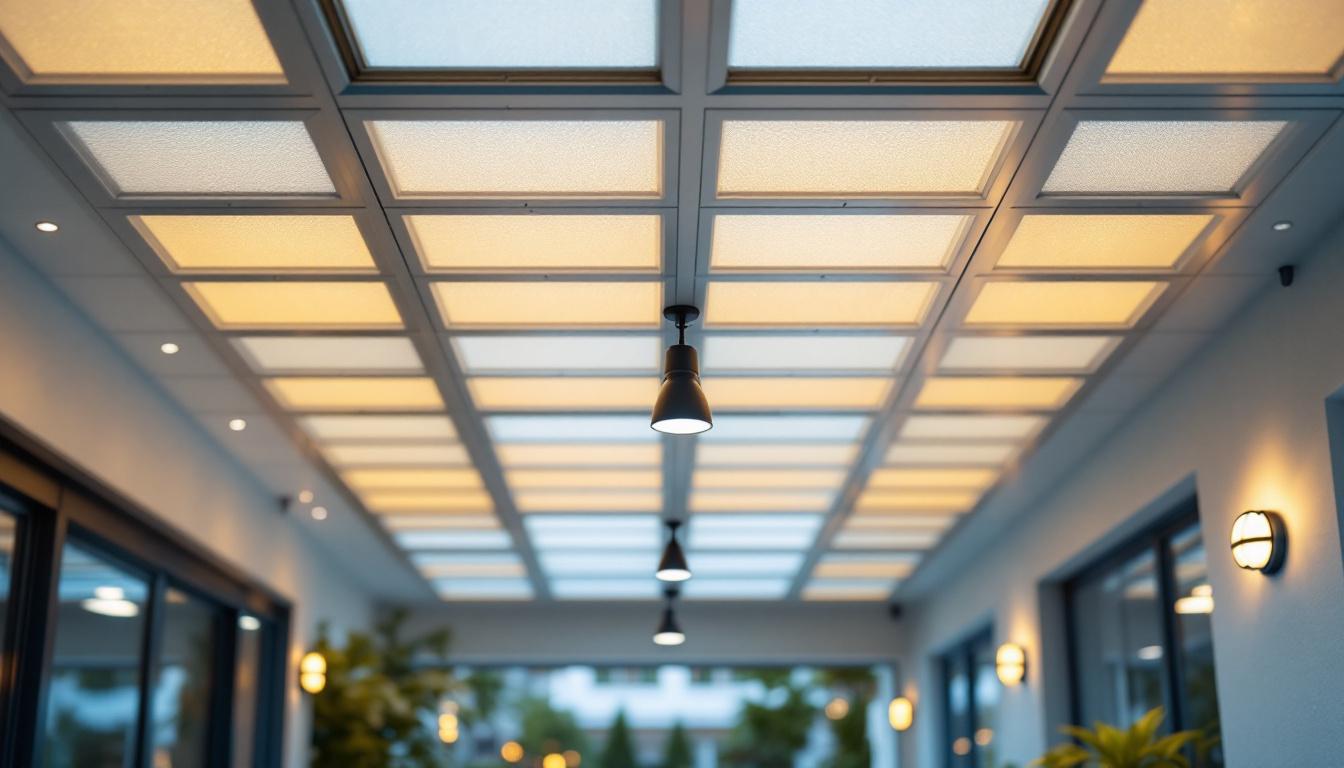
In a recent project involving a large commercial plaza canopy, lighting contractors selected aluminum exterior drop ceiling tiles with a powder-coated finish for enhanced corrosion resistance. The tiles met ASTM E84 fire ratings and were compatible with recessed LED fixtures designed for wet locations.
By coordinating closely with the ceiling manufacturer, the contractors ensured that cutouts were precisely made and sealed with weatherproof gaskets. The installation resulted in a durable, visually appealing lighting system that met all compliance standards and withstood harsh weather conditions.
Outdoor Walkway Suspended Ceiling
Another example involved an outdoor walkway with a suspended ceiling system using fiberglass tiles coated with a waterproof membrane. Lighting contractors installed low-profile LED panels with integrated heat sinks to manage thermal output effectively.
The project emphasized pre-installation planning, including load calculations and moisture sealing around fixtures. The result was a safe, compliant lighting installation that enhanced nighttime visibility while maintaining the ceiling’s structural integrity.
Conclusion: Key Takeaways for Lighting Contractors
Exterior drop ceiling tiles present unique challenges and compliance requirements that lighting contractors must understand to ensure successful installations. Key points to remember include:
- Always verify fire safety, moisture resistance, and structural compliance of ceiling tiles before installation.
- Select tile materials and lighting fixtures that are compatible and suitable for the specific exterior environment.
- Coordinate closely with all stakeholders during planning to address load capacities, cutting, sealing, and access needs.
- Adhere strictly to electrical codes and safety standards to protect both the installation and maintenance personnel.
- Consider thermal management to maintain fixture performance and ceiling tile durability.
By integrating these considerations into their workflow, lighting contractors can deliver exterior drop ceiling lighting solutions that are safe, compliant, and built to last.
Illuminate Your Projects with LumenWholesale
Ready to elevate your exterior lighting projects with the best in spec-grade lighting products? Look no further than LumenWholesale, where we provide contractors with exceptional lighting solutions at wholesale prices. Our extensive selection is designed to meet the highest industry standards, ensuring reliability and high performance for every installation. Enjoy the convenience of bulk buying with free shipping and no hidden fees. Make your next project shine with quality, affordability, and convenience. Discover the value we offer by visiting Wholesale Lighting at the Best Value today.