Understanding the Fundamentals of Lumen Measurement
For lighting contractors, a thorough grasp of the lumen light scale is essential. Lumens measure the total quantity of visible light emitted by a source, providing a standardized way to compare brightness across different lighting products. Unlike watts, which quantify energy consumption, lumens focus solely on light output, making them the most accurate metric for assessing how bright a fixture will be in practice.
In the past, many contractors and clients relied on wattage as a proxy for brightness, but with advances in lighting technology—especially the rise of LED fixtures—this approach has become outdated. For example, a 10-watt LED bulb can produce the same lumens as a 60-watt incandescent bulb, but with significantly less energy consumption. This shift underscores the importance of understanding lumen output to design efficient, effective lighting solutions.
Why Lumens Matter More Than Watts
When specifying lighting for residential, commercial, or industrial projects, lumens provide a clearer picture of expected illumination levels. Watts only indicate how much power a bulb uses, not how much light it emits. This distinction is critical when advising clients on energy-efficient options that still meet their brightness needs.
Moreover, lumens help contractors comply with increasingly stringent energy codes and standards, which often specify minimum lighting levels rather than power consumption. By focusing on lumens, contractors can ensure that spaces are adequately lit while maximizing energy savings.
Additionally, understanding lumens allows contractors to tailor lighting designs to specific environments and activities. For instance, a workspace may require brighter lighting to enhance productivity, while a cozy restaurant may benefit from softer, ambient lighting that creates a welcoming atmosphere. By considering the intended use of a space and the desired mood, contractors can select fixtures that not only meet lumen requirements but also contribute to the overall aesthetic and functionality of the area.
Furthermore, the concept of lumens extends beyond individual fixtures; it plays a crucial role in the overall lighting design of a space. Factors such as the color temperature of the light, the reflectivity of surfaces, and the layout of the fixtures all interact to influence how light is perceived in a room. For instance, a well-planned lighting scheme that balances lumens with these elements can significantly enhance the visual appeal and comfort of a space, making it essential for contractors to consider all aspects of lighting design in their projects.
How to Interpret Lumen Ratings in Different Lighting Products
Lighting contractors encounter a wide range of products, each with unique lumen outputs and applications. Understanding how to interpret lumen ratings across these products helps contractors make informed recommendations tailored to each project’s requirements.
Incandescent, CFL, and LED Bulbs
Incandescent bulbs typically have lower luminous efficacy, meaning they produce fewer lumens per watt compared to newer technologies. Compact fluorescent lamps (CFLs) improved efficiency but have largely been supplanted by LEDs, which offer the highest lumens per watt ratio.
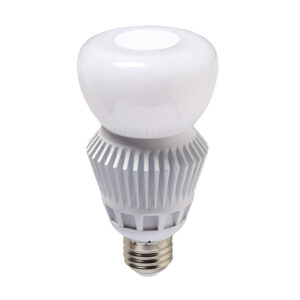
For instance, an LED bulb rated at 800 lumens uses about 9 to 12 watts, whereas an incandescent bulb producing the same lumens might consume 60 watts. This efficiency difference is crucial for contractors aiming to reduce energy costs and environmental impact. Additionally, the longevity of LED bulbs—often lasting up to 25,000 hours or more—compared to the shorter lifespan of incandescent and CFL bulbs, can significantly lower replacement and maintenance costs over time, making them a more sustainable choice for both residential and commercial applications.
Commercial and Industrial Fixtures
In commercial and industrial settings, lumen output requirements can vary dramatically based on the application—warehouse lighting demands high lumen levels for safety and productivity, while office spaces require balanced illumination to reduce eye strain. High-bay LED fixtures, for example, can deliver anywhere from 15,000 to 40,000 lumens, depending on the size and height of the space.
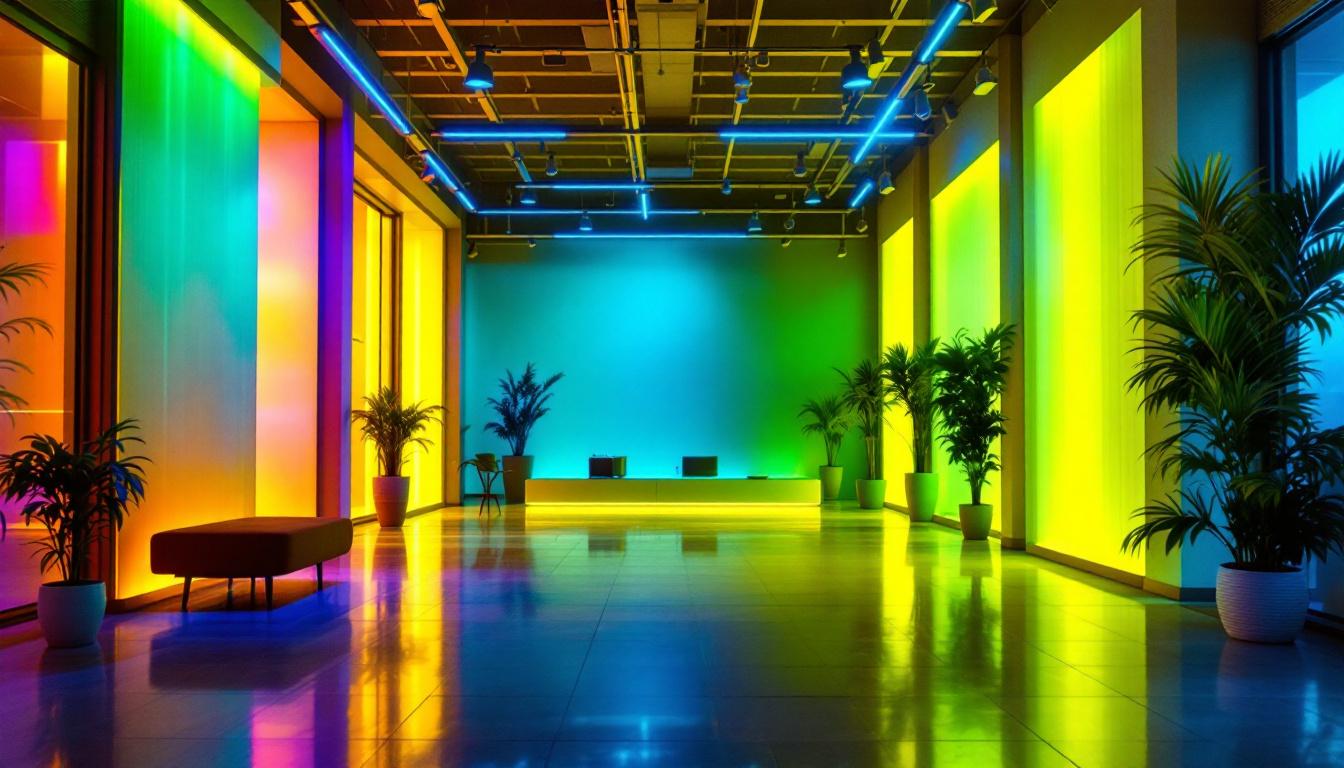
Contractors must also consider lumen maintenance—how well a fixture retains its brightness over time. LEDs typically maintain 70-90% of their initial lumens after thousands of hours of use, whereas other technologies may degrade faster, affecting long-term lighting quality. Furthermore, the color temperature of the light, measured in Kelvin, plays a vital role in the perceived brightness and ambiance of a space. Warmer tones (around 2700K) are often preferred for hospitality settings, while cooler tones (above 4000K) are favored in work environments to enhance alertness and focus. Understanding these nuances allows contractors to tailor lighting solutions that not only meet technical specifications but also create the desired atmosphere for occupants.
Applying Lumen Knowledge to Project Design and Client Consultation
Effective lighting design hinges on matching lumen output to the specific needs of a space. Lighting contractors who master the lumen scale can better tailor solutions that optimize both performance and cost.
Determining Required Lumens for Different Spaces
Lighting standards and guidelines provide recommended lumen levels for various environments. For example, general office workspaces typically require around 3,000 to 5,000 lumens per 100 square feet, while retail areas may need brighter illumination to highlight merchandise effectively. In contrast, areas like conference rooms or lounges might benefit from softer, ambient lighting that creates a more relaxed atmosphere, often requiring fewer lumens, around 1,500 to 3,000 lumens per 100 square feet.
Contractors should conduct detailed lighting calculations that factor in room size, surface reflectance, fixture placement, and task-specific needs. Using lumen output as a baseline ensures that designs meet or exceed these standards without overspending on unnecessary brightness. Additionally, understanding the nuances of different light sources—such as LED, fluorescent, or incandescent—can further refine these calculations, as each type has its own lumen efficacy and color rendering properties that impact the overall ambiance of the space.
Communicating Lumen Benefits to Clients
Many clients remain unfamiliar with lumens and may still focus on wattage or bulb type when selecting lighting. Contractors play a vital role in educating clients about why lumens matter, emphasizing how this metric affects both illumination quality and energy efficiency. For instance, explaining the difference between a high-lumen LED bulb and a traditional incandescent bulb can help clients appreciate the long-term savings and superior lighting quality that modern solutions offer.
By presenting lumen data alongside energy savings estimates and maintenance considerations, contractors can build trust and demonstrate their expertise. This approach often leads to higher client satisfaction and repeat business. Furthermore, providing visual aids, such as lumen output charts or comparative lighting samples, can enhance understanding and engagement during consultations. As clients become more informed, they are likely to appreciate the value of investing in well-designed lighting solutions that not only meet their immediate needs but also contribute to a sustainable and energy-efficient future.
Emerging Trends and Technologies Impacting Lumen Measurement
The lighting industry continues to evolve rapidly, with innovations that influence how lumens are measured, perceived, and utilized in projects.
Advancements in LED Technology
LEDs have revolutionized lighting by delivering higher lumen outputs with lower energy consumption and longer lifespans. Recent developments include tunable white LEDs that allow contractors to adjust color temperature and brightness dynamically, enhancing occupant comfort and productivity.
Understanding how these features affect lumen output and distribution enables contractors to specify lighting systems that adapt to changing needs throughout the day or across different use cases.
Smart Lighting and Lumen Control
Smart lighting systems integrate sensors and controls that adjust lumen output based on occupancy, daylight availability, and user preferences. These systems optimize energy use while maintaining appropriate illumination levels, which is especially valuable in commercial and institutional settings.
Contractors must be familiar with how lumen output interacts with these control systems to ensure seamless integration and maximum performance.
Common Challenges and Best Practices When Working with Lumens
While lumens provide a reliable measure of brightness, several challenges can arise in practical applications. Recognizing these issues and adopting best practices helps contractors deliver superior lighting solutions.
Accounting for Lumen Depreciation
All light sources experience lumen depreciation over time, meaning their brightness diminishes with use. LEDs typically have slower depreciation rates, but factors like heat buildup and electrical stress can accelerate lumen loss.
Contractors should specify fixtures with high lumen maintenance ratings and consider environmental conditions to ensure long-term lighting quality. Including this information in client proposals can prevent misunderstandings about expected performance.
Balancing Brightness with Glare and Uniformity
High lumen output does not automatically equate to good lighting quality. Excessive brightness can cause glare, while uneven distribution leads to dark spots and visual discomfort. Contractors must balance lumen levels with fixture placement, beam angles, and diffusers to create uniform, glare-free illumination.
Using lighting design software and conducting on-site measurements can help achieve this balance effectively.
Ensuring Compliance with Codes and Standards
Building codes and lighting standards often specify minimum lumen levels for safety and functionality. Contractors must stay current with these regulations to avoid costly rework or code violations.
Additionally, sustainable building certifications like LEED and WELL include lighting criteria that emphasize appropriate lumen levels combined with energy efficiency and occupant well-being.
Conclusion: Mastering the Lumen Light Scale for Professional Excellence
For lighting contractors, the lumen light scale is more than just a technical metric—it is a foundational tool that informs every aspect of lighting design, specification, and installation. By understanding how lumens relate to brightness, energy efficiency, and user experience, contractors can deliver solutions that meet client expectations and regulatory requirements.
Staying informed about emerging technologies and best practices related to lumen measurement empowers contractors to lead in an evolving industry, ensuring projects that are both innovative and sustainable. Ultimately, mastering the lumen light scale enhances professional credibility and drives successful outcomes across diverse lighting applications.
Illuminate Your Projects with LumenWholesale
Ready to apply your expertise in the lumen light scale with top-tier lighting solutions? At LumenWholesale, we offer an extensive selection of spec-grade lighting products that meet the highest industry standards, all at unbeatable wholesale prices. Say goodbye to local distributor markups and hello to premium lighting with free shipping on bulk orders. Elevate your lighting projects with the quality, affordability, and convenience that only LumenWholesale can provide. Wholesale Lighting at the Best Value is just a click away. Make the smart choice for your lighting needs today.