Understanding the Role of Backyard Light Posts in Outdoor Lighting
Backyard light posts are more than just decorative elements; they serve critical functions in residential and commercial outdoor lighting projects. For lighting contractors, recognizing the multifaceted role these posts play is essential to delivering effective and safe lighting solutions.
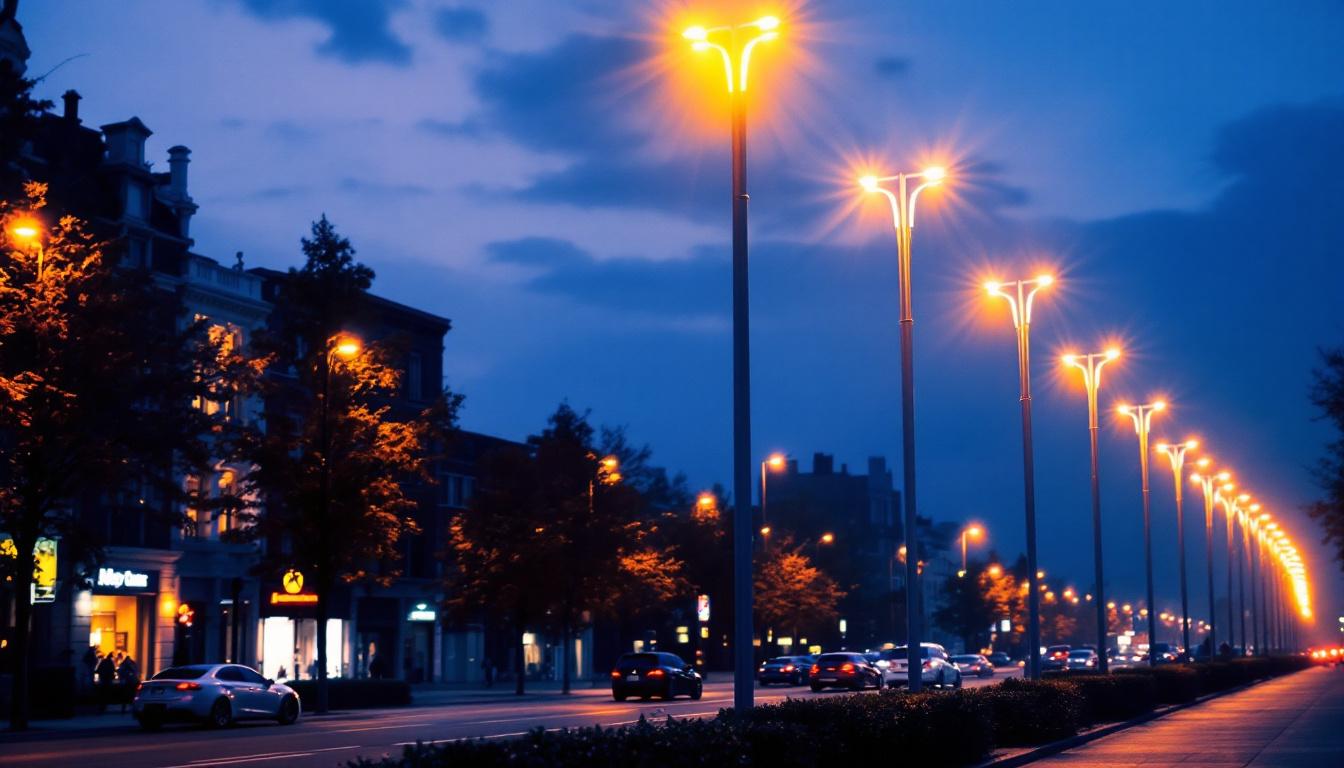
Primarily, light posts provide ambient illumination that enhances safety and security. Properly placed posts can illuminate pathways, driveways, patios, and garden areas, reducing the risk of accidents and deterring potential intruders. But beyond utility, these posts contribute significantly to the aesthetic appeal of the outdoor space, creating inviting atmospheres that homeowners and businesses appreciate. The soft glow of strategically placed light can transform a darkened yard into a welcoming retreat, encouraging outdoor activities and gatherings even after sunset.
From a contractor’s perspective, understanding the balance between functionality and design is key. Selecting the right height, style, and luminaire type impacts not only the visual outcome but also energy efficiency and maintenance requirements. The choice of materials and finishes further influences durability and weather resistance, factors that affect long-term client satisfaction. For instance, opting for LED fixtures can significantly reduce energy consumption while providing a longer lifespan compared to traditional bulbs. Additionally, incorporating smart lighting technology can allow homeowners to control their outdoor lighting remotely, enhancing convenience and adaptability to various occasions.
Moreover, the placement of light posts can also create focal points in landscaping, highlighting specific features such as trees, sculptures, or water features. This strategic lighting not only accentuates the beauty of the property but also adds depth and dimension to the outdoor environment. When planning a lighting layout, contractors can consider the use of different colored lights or adjustable fixtures to further enhance the mood and functionality of the space. Seasonal changes can also be accommodated by utilizing fixtures that allow for easy swapping of bulbs or shades, ensuring that the outdoor area remains vibrant and engaging throughout the year.
Key Considerations When Selecting Backyard Light Posts
Material and Durability
Outdoor light posts must withstand various weather conditions, from intense sun exposure to heavy rain and freezing temperatures. Aluminum and steel are popular choices due to their strength and resistance to corrosion, but each has its trade-offs. Aluminum is lightweight and naturally rust-resistant, making it easier to install and maintain. Steel, especially when galvanized or powder-coated, offers superior strength but requires more attention to prevent rust.
Wooden posts, while aesthetically pleasing and suitable for rustic designs, often demand regular treatment to avoid rot and insect damage. For contractors working in regions with harsh climates, recommending materials with proven durability can save clients from costly repairs down the line. Additionally, composite materials have emerged as a viable option, combining the visual appeal of wood with the resilience of synthetic materials. These posts are engineered to resist fading, cracking, and warping, making them an excellent choice for homeowners seeking low-maintenance solutions that still offer a natural look.
Height and Placement
The height of a backyard light post affects both the spread and intensity of illumination. Posts typically range from 3 to 8 feet tall. Shorter posts are ideal for pathway lighting, creating a subtle glow that guides without overwhelming. Taller posts can light larger areas such as patios or driveways but risk creating glare if not properly shielded.
Placement strategy is equally important. Posts should be spaced to avoid dark spots while preventing light pollution that could disturb neighbors or wildlife. Lighting contractors must consider the layout of the backyard, existing landscape features, and the client’s specific needs to determine optimal positioning. Incorporating elements like trees, shrubs, and garden paths into the lighting plan can enhance the overall aesthetic while ensuring functionality. For instance, placing lights near flower beds can highlight seasonal blooms, creating a dynamic visual experience that changes throughout the year.
Fixture Style and Light Source
The style of the light fixture attached to the post can define the overall ambiance. Traditional lantern-style fixtures offer a classic look, while modern minimalist designs suit contemporary spaces. Some fixtures come with adjustable heads, allowing contractors to direct light precisely where it’s needed.
LED technology dominates current outdoor lighting due to its energy efficiency, longevity, and versatility. LEDs provide a range of color temperatures, from warm white to cool daylight, enabling tailored lighting effects. Additionally, smart lighting options that integrate with home automation systems are becoming increasingly popular, offering features like dimming, scheduling, and remote control. Beyond functionality, the choice of light source can also influence the mood of the outdoor space; for example, warm tones can create a cozy atmosphere for evening gatherings, while cooler tones may enhance visibility for security purposes. Furthermore, incorporating motion sensors or timers can improve energy efficiency and add a layer of convenience, ensuring that lights are only active when needed.
Installation Best Practices for Lighting Contractors
Site Assessment and Planning
Before installation, a thorough site assessment is crucial. Contractors should evaluate the terrain, existing electrical infrastructure, and potential obstructions. Understanding soil conditions helps determine the type of foundation required for the posts, whether it’s concrete footings or ground spikes. Additionally, assessing the natural light patterns and shadows at different times of the day can aid in strategically placing lights to maximize their effectiveness and aesthetic appeal. This consideration is particularly important in residential settings where homeowners may want to highlight specific landscape features or architectural elements.
Planning also involves coordinating with other trades, such as landscapers or electricians, to ensure seamless integration. Mapping out wiring routes to minimize exposure and avoid damage is essential for safety and longevity. Furthermore, it’s beneficial to create a detailed project timeline that outlines each phase of the installation process. This not only helps in managing expectations but also ensures that all team members are aligned on the schedule, which can be particularly important in larger projects where multiple contractors are involved. Regular check-ins during the planning phase can help identify potential issues early, allowing for timely adjustments.
Electrical Safety and Code Compliance
Outdoor lighting installations must comply with local electrical codes and standards. Ground-fault circuit interrupters (GFCIs) are typically required to protect against electrical shock in wet environments. Proper grounding of metal posts and fixtures is non-negotiable. Additionally, contractors should consider the placement of light fixtures to minimize glare and light trespass, which can be disruptive to neighbors and wildlife. This attention to detail not only enhances the installation’s safety but also contributes to a more harmonious environment.
Contractors should stay updated on evolving regulations, including those related to energy efficiency and light pollution. Using UL-listed or equivalent certified products not only ensures safety but also builds client trust. Furthermore, educating clients about the benefits of energy-efficient lighting options, such as LED fixtures, can lead to long-term savings on energy bills and a reduced carbon footprint. Providing clients with information on smart lighting controls, such as timers and motion sensors, can also enhance the functionality of their outdoor lighting systems while promoting energy conservation.
Installation Techniques
Securing the light post firmly is vital to prevent movement or tilting over time. For posts set in concrete, allowing adequate curing time before attaching fixtures is important to maintain stability. When using ground spikes or anchors, verifying soil compaction and moisture levels can prevent future loosening. Additionally, contractors should consider the potential for frost heave in colder climates, which can affect the stability of light posts. Implementing measures such as deeper footings or frost-resistant materials can mitigate these risks and ensure longevity.
Wiring should be routed through the post where possible to protect it from environmental damage and vandalism. Weatherproof connectors and conduit add layers of protection and simplify future maintenance. Moreover, labeling wires and creating a schematic of the installation can be invaluable for troubleshooting and repairs down the line. Contractors should also take the time to educate clients on the importance of regular maintenance checks, including cleaning fixtures and inspecting wiring, to ensure the system remains in optimal working condition for years to come.
Maintenance and Troubleshooting Tips
Routine Inspection
Regular inspections help identify issues before they escalate. Checking for corrosion, loose fixtures, or damaged wiring can prevent outages and safety hazards. Cleaning lenses and fixtures ensures optimal light output and preserves the aesthetic quality.
Contractors can offer maintenance contracts to clients, providing scheduled visits that extend the lifespan of the installation and maintain performance.
Common Issues and Solutions
One frequent problem is flickering or dimming lights, often caused by loose connections, faulty ballasts, or voltage drops. Diagnosing the root cause requires systematic testing of wiring and components. Replacing outdated fixtures with LED alternatives can resolve many performance issues and reduce energy consumption.
Another challenge is physical damage from lawn equipment or weather events. Using protective barriers or positioning posts away from high-traffic areas mitigates this risk.
Enhancing Client Satisfaction Through Design and Functionality
Lighting contractors who combine technical expertise with design sensibility stand out in the competitive market. Taking time to understand client preferences, lifestyle, and budget leads to tailored solutions that exceed expectations.
Offering options such as dimmers, motion sensors, or color-changing LEDs can add value and functionality. Demonstrating the benefits of energy-efficient technologies and smart controls helps clients make informed decisions that align with sustainability goals.
Clear communication about maintenance needs and warranty coverage builds trust and encourages repeat business. Ultimately, successful backyard light post installations contribute to outdoor spaces that are safe, beautiful, and enjoyable year-round.
Illuminate Your Projects with LumenWholesale
Ready to elevate your outdoor lighting projects with the finest selection of backyard light posts and accessories? At LumenWholesale, we provide lighting contractors with exceptional, spec-grade lighting solutions at the most competitive wholesale prices. Say goodbye to local distributor markups and hello to a vast array of high-quality, reliable lighting options that meet the strictest industry standards. Plus, with free shipping on bulk orders, you can stock up on premium lighting essentials without worrying about extra costs. Enhance your outdoor spaces with the perfect combination of design, functionality, and value. Discover the best in wholesale lighting by visiting Wholesale Lighting at the Best Value and start transforming your lighting projects today.