Introduction to Driveway Pillar Solar Lights
Driveway pillar solar lights have become an increasingly popular choice among homeowners and commercial property managers seeking an elegant, energy-efficient way to illuminate entranceways. For lighting contractors, understanding the nuances of these fixtures is essential to delivering high-quality installations that meet client expectations. These lights not only enhance security and visibility but also contribute to curb appeal and property value.
As the demand for sustainable lighting solutions grows, solar-powered driveway pillar lights offer a compelling alternative to traditional wired systems. They eliminate the need for extensive electrical work, reduce energy costs, and provide flexibility in placement. This article explores key considerations, installation best practices, and troubleshooting tips to help lighting contractors excel in this niche market.
One of the standout features of driveway pillar solar lights is their ability to harness solar energy, making them an eco-friendly option that aligns with contemporary sustainability goals. Most models come equipped with high-efficiency solar panels that convert sunlight into electricity, which is then stored in rechargeable batteries. This not only minimizes reliance on grid power but also allows for operation even during cloudy days or in shaded areas, provided the solar panels receive adequate sunlight during the day. Additionally, many of these lights are designed with automatic dusk-to-dawn sensors, ensuring they turn on at sunset and off at sunrise without any manual intervention, which enhances convenience for homeowners.
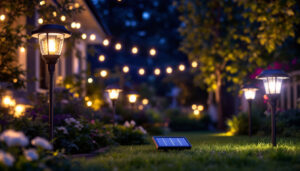
Moreover, the aesthetic appeal of driveway pillar solar lights cannot be overlooked. Available in a variety of styles, materials, and finishes, these fixtures can complement any architectural design, from modern to traditional. Homeowners can select from sleek stainless steel designs to more rustic lantern-style options, allowing for personalization that reflects their taste and enhances the overall landscape. Furthermore, many models feature adjustable brightness settings and color temperatures, providing versatility in creating the desired ambiance. This adaptability not only caters to individual preferences but also allows for seasonal adjustments, making it easy to switch from a warm, inviting glow during cozy gatherings to brighter illumination for security during late-night arrivals.
Understanding the Benefits and Challenges of Solar Pillar Lights
Energy Efficiency and Environmental Impact
Solar driveway pillar lights harness renewable energy from the sun, converting it into electricity stored in rechargeable batteries. This process significantly reduces reliance on grid power and lowers carbon footprints. For environmentally conscious clients, this feature is a major selling point. Additionally, many solar lights use LED bulbs, which consume less power and have longer lifespans than incandescent alternatives. The use of LED technology not only enhances energy efficiency but also contributes to a reduction in waste, as these bulbs can last up to 25 times longer than traditional options, minimizing the frequency of replacements.
Lighting contractors should emphasize these benefits when discussing options with clients. Highlighting the potential for reduced utility bills and minimal maintenance can help justify the initial investment in higher-quality solar fixtures. Furthermore, the integration of solar lights into landscaping can enhance property aesthetics, creating a warm and inviting atmosphere while also promoting sustainability. By choosing solar options, clients can take pride in contributing to a greener planet, aligning their lighting choices with their values and lifestyle.
Installation Flexibility and Cost Savings
One of the primary advantages of solar pillar lights is their independence from electrical wiring. This allows for installation in locations where running power cables would be difficult, costly, or disruptive. Contractors can install these lights on existing pillars or new structures without trenching or conduit installation. This flexibility opens up creative possibilities for outdoor lighting design, enabling homeowners to illuminate pathways, gardens, and driveways in ways that were previously limited by electrical constraints.
Moreover, the absence of wiring reduces labor time and associated costs. For projects with tight budgets or timelines, solar lights can be an efficient solution. However, contractors must carefully assess the site’s solar exposure to ensure optimal performance. Factors such as the orientation of the property, potential obstructions, and local climate conditions should be taken into account. By conducting a thorough site evaluation, contractors can provide tailored recommendations that maximize the effectiveness of solar pillar lights, ensuring clients receive the best possible return on their investment.
Potential Limitations and Considerations
Despite their advantages, solar driveway pillar lights come with certain limitations. Their performance depends heavily on adequate sunlight exposure, which can be compromised by shading from trees, buildings, or seasonal changes. In regions with extended cloudy periods or shorter daylight hours, solar lights may not achieve full brightness or run time. This variability can be particularly challenging in areas with unpredictable weather patterns, making it essential for clients to understand the implications of their geographical location on solar lighting performance.
Additionally, battery capacity and solar panel quality vary widely among products. Low-quality units may suffer from rapid battery degradation or insufficient illumination. Lighting contractors should guide clients toward reputable brands with proven durability and warranty support. It is also beneficial to inform clients about the importance of regular maintenance, such as cleaning the solar panels to remove dust and debris, which can hinder their efficiency. By fostering a proactive approach to maintenance, contractors can help clients extend the lifespan and functionality of their solar lighting systems, ensuring they remain a reliable source of illumination for years to come.
Key Factors for Selecting Driveway Pillar Solar Lights
Solar Panel Quality and Placement
The efficiency of a solar pillar light largely depends on the solar panel’s ability to capture sunlight. Monocrystalline panels typically offer higher efficiency and better performance in low-light conditions compared to polycrystalline panels. Contractors should prioritize fixtures with high-quality panels and recommend installation in locations with direct, unobstructed sunlight for most of the day.
When advising clients, it’s important to conduct a thorough site assessment. Identifying potential shading issues early can prevent performance problems and reduce callbacks.
Battery Type and Capacity
Rechargeable batteries store the solar energy collected during the day to power the lights at night. Lithium-ion batteries are generally preferred due to their higher energy density, longer lifespan, and better temperature tolerance compared to older nickel-cadmium or nickel-metal hydride batteries. A larger battery capacity ensures longer illumination periods, which is critical for security lighting.
Contractors should verify the battery specifications and expected lifecycle when selecting products. Offering clients options with replaceable batteries can also extend the fixture’s overall service life.
Light Output and Design Aesthetics
Driveway pillar lights serve both functional and decorative purposes. The brightness, measured in lumens, should be sufficient to enhance visibility without causing glare or light pollution. For most residential driveways, a range of 100 to 300 lumens per fixture is appropriate, while commercial properties may require higher output.
Design is equally important. Pillar lights come in various styles—from classic lantern shapes to modern minimalist forms. Matching the light’s design to the property’s architectural style can significantly enhance curb appeal. Contractors should present clients with multiple options and samples to ensure satisfaction.
Installation Best Practices for Lighting Contractors
Pre-Installation Site Survey
Before installation, a detailed site survey is essential. Contractors should assess the orientation of the driveway pillars relative to the sun’s path, identify any obstructions, and measure the distance between lights to achieve even illumination. Understanding the client’s security and aesthetic goals will also guide fixture placement and selection.
Documenting these factors helps create a precise installation plan and reduces the likelihood of issues post-installation.
Mounting and Wiring Considerations
Although solar pillar lights do not require electrical wiring, proper mounting is crucial for stability and longevity. Contractors should ensure that the fixtures are securely attached to the pillars using appropriate hardware that withstands weather conditions. Sealing around mounting points can prevent water ingress, which could damage the electronics.
In some cases, contractors may integrate low-voltage wiring for additional lighting features or backup power. When doing so, adherence to local electrical codes and safety standards is mandatory.
Optimizing Solar Panel Orientation
For maximum solar energy capture, the panel should face true south in the northern hemisphere (or true north in the southern hemisphere) and be tilted at an angle matching the site’s latitude. Many solar pillar lights have adjustable panels or mounting brackets to facilitate this alignment.
Contractors should take time to adjust the panels during installation and educate clients about the importance of keeping panels clean and free from debris to maintain efficiency.
Maintenance and Troubleshooting Tips
Routine Maintenance for Longevity
Solar driveway pillar lights require minimal maintenance compared to wired systems. However, regular cleaning of solar panels with a soft cloth and mild detergent is recommended to remove dust, bird droppings, and other residues that can reduce energy absorption.
Inspecting the fixtures for physical damage, corrosion, or loose connections should be part of routine service visits. Replacing batteries every few years, depending on usage and manufacturer guidelines, will keep the lights functioning optimally.
Common Issues and Solutions
Lighting contractors often encounter a few recurring issues with solar pillar lights. Dim or non-functioning lights are usually caused by insufficient sunlight, dead batteries, or faulty solar panels. Troubleshooting steps include verifying panel orientation, checking battery voltage, and testing the light’s sensor and circuitry.
In cases where shading cannot be avoided, recommending supplemental lighting or hybrid solar-electric systems may be necessary. Keeping a stock of replacement parts and batteries can expedite repairs and improve customer satisfaction.
Enhancing Client Relationships and Project Success
Educating Clients on Solar Lighting Benefits
Clients may be unfamiliar with the capabilities and limitations of solar driveway pillar lights. Providing clear, honest information about performance expectations, maintenance requirements, and environmental benefits helps build trust and manage expectations.
Offering demonstrations or case studies from previous installations can also reassure clients of the product’s reliability and aesthetic appeal.
Offering Customized Solutions
Each property is unique, and lighting contractors who tailor solutions to specific site conditions and client preferences stand out in the market. Combining solar pillar lights with other outdoor lighting elements—such as pathway lights, motion sensors, or smart controls—can create comprehensive, integrated systems that enhance security and ambiance.
Consultation services that include lighting design, product selection, and post-installation support add value and foster long-term client relationships.
Conclusion
Driveway pillar solar lights represent a growing segment of the outdoor lighting market, driven by sustainability trends and technological advances. For lighting contractors, mastering the selection, installation, and maintenance of these fixtures is key to delivering superior service and expanding business opportunities.
By focusing on quality products, thorough site assessments, and client education, contractors can ensure that solar driveway pillar lights provide reliable, attractive illumination that enhances safety and property aesthetics. Staying informed about emerging technologies and best practices will position contractors as trusted experts in this evolving field.
Illuminate Your Projects with LumenWholesale
Ready to elevate your lighting installations with the best in driveway pillar solar lights? At LumenWholesale, we provide lighting contractors with exceptional, spec-grade lighting products that promise durability and style. Our commitment to quality and affordability means you can access premium lighting solutions at wholesale prices, ensuring your projects shine without straining your budget. With free shipping on bulk orders, LumenWholesale is your go-to source for lighting that meets the highest industry standards. Don’t compromise on quality or value—explore our selection and start saving today.