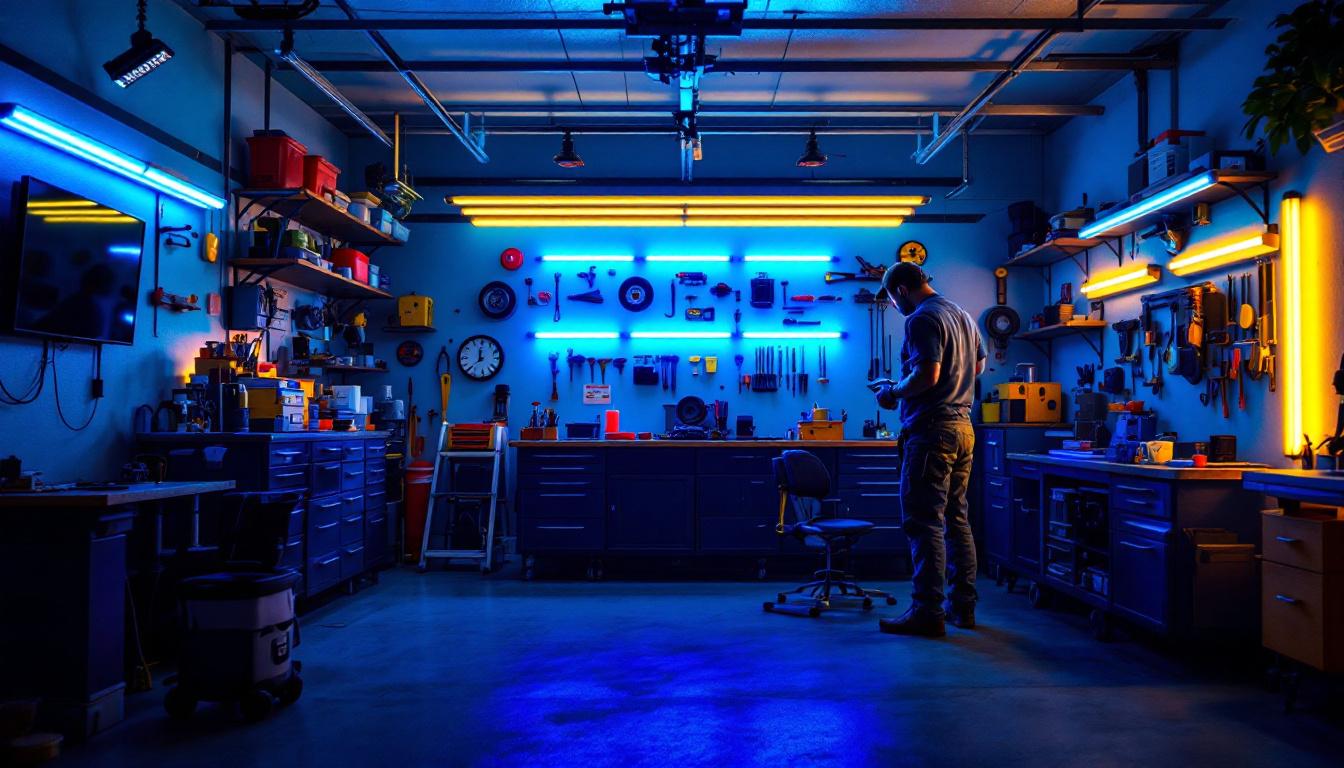
Understanding the Importance of Garage Strip Lighting
Garage strip lighting has become a fundamental aspect of modern lighting design, especially for contractors specializing in commercial and residential lighting projects. Unlike traditional lighting solutions, strip lighting offers a sleek, energy-efficient, and highly customizable option that enhances both the functionality and aesthetics of garage spaces.
For lighting contractors, mastering the installation and maintenance of garage strip lighting is crucial. These lighting systems not only improve visibility and safety but also contribute to energy savings and long-term client satisfaction. As garages evolve from simple storage areas to multifunctional spaces—such as workshops, hobby rooms, or even home gyms—the demand for effective and adaptable lighting solutions continues to grow.
Why Garage Strip Lighting is a Contractor’s Priority
Contractors must recognize that garage strip lighting is more than just an illumination source; it is a key element in creating a well-lit, inviting environment. Proper lighting can reduce accidents, increase productivity for tasks performed in the garage, and elevate the overall value of a property. Moreover, clients increasingly seek lighting solutions that are easy to maintain and energy-efficient, making LED strip lighting a preferred choice.
From a business perspective, offering expertise in garage strip lighting can differentiate contractors in a competitive market. Understanding the nuances of various lighting technologies, installation techniques, and client preferences enables contractors to provide tailored solutions that meet diverse needs. Additionally, the versatility of strip lighting allows for creative applications, such as accent lighting along shelves or under cabinets, which can further enhance the garage’s functionality and aesthetic appeal. By incorporating smart technology, contractors can also offer clients the ability to control their lighting remotely, adding a layer of convenience that is increasingly sought after in today’s tech-savvy world.
Furthermore, the installation of garage strip lighting can significantly impact energy consumption. Many modern strip lights utilize LED technology, which not only consumes less power but also has a longer lifespan compared to traditional bulbs. This energy efficiency translates into lower utility bills for homeowners, making it a financially savvy choice. As sustainability becomes a priority for many clients, contractors who can demonstrate the environmental benefits of strip lighting will likely find themselves in high demand. By educating clients on the advantages of energy-efficient lighting, contractors can foster trust and loyalty, ensuring repeat business and referrals in the future.
Essential Tools for Installing Garage Strip Lighting
Successful installation of garage strip lighting requires a combination of specialized tools, technical knowledge, and safety precautions. Below is a comprehensive overview of the essential tools every lighting contractor should have in their toolkit.
1. Measuring and Layout Tools
Accurate measurement is the foundation of any lighting installation. For strip lighting, precise layout planning ensures even light distribution and optimal placement. A well-planned layout not only enhances the functionality of the garage but also contributes to the overall aesthetic appeal, making it a more inviting space.
- Laser Distance Measurer: Provides quick and accurate measurements of garage dimensions, helping contractors determine the length of strip lighting needed and the best placement for fixtures. This tool can save significant time compared to traditional measuring tapes, especially in larger garages.
- Chalk Line or Marking Tape: Useful for marking straight lines on walls or ceilings to guide the installation of strip lights. Using a chalk line can create a crisp, visible line that ensures precision during the mounting process.
- Level: Ensures that strip lights are mounted evenly, which is critical for both aesthetics and performance. An unlevel installation can lead to uneven light distribution and may detract from the overall look of the garage.
2. Cutting and Mounting Tools
Strip lighting often needs to be cut to size and securely mounted. The right tools make this process efficient and precise. Proper cutting techniques are essential to avoid damaging the LED components, which can lead to costly replacements or repairs.
- Utility Knife or Scissors: High-quality cutting tools are necessary for trimming LED strip lights at designated points without damaging the circuitry. A clean cut ensures that the lighting operates correctly and maintains its longevity.
- Drill and Drill Bits: Used to create mounting holes for brackets or clips, especially when installing strip lights on hard surfaces like concrete or wood. A cordless drill can provide the flexibility needed to maneuver in tight spaces.
- Screwdrivers: Both flathead and Phillips screwdrivers are essential for securing mounting hardware. A magnetic screwdriver can be particularly useful in preventing dropped screws during installation.
- Adhesive Mounting Clips or Channels: These accessories help in neatly securing strip lights, preventing sagging or detachment over time. They also allow for easy removal and reinstallation if adjustments are needed.
3. Electrical Tools and Accessories
Since strip lighting involves electrical components, safety and precision are paramount when handling wiring and connections. Understanding the electrical requirements of the strip lights is crucial to ensure compatibility with the existing garage electrical system.
- Wire Strippers and Cutters: Essential for preparing wires for connections without damaging the conductors. Properly stripped wires ensure a solid connection, which is vital for the performance and safety of the lighting system.
- Multimeter: Used to test voltage, continuity, and current, ensuring that electrical connections are safe and functioning properly. This tool can help troubleshoot any issues that arise during installation.
- Heat Shrink Tubing and Electrical Tape: Provide insulation and protection for wire splices and connectors. Using these materials can help prevent short circuits and extend the lifespan of the electrical connections.
- Connectors and Soldering Kit: Depending on the installation, soldering may be required for secure and reliable connections, while connectors offer a quicker alternative. Knowing when to use each method can enhance the durability of the installation.
4. Safety Equipment
Contractors must prioritize safety during installation to prevent accidents and ensure compliance with electrical codes. A safe working environment not only protects the contractor but also ensures that the installation meets local regulations and standards.
- Insulated Gloves: Protect against electrical shocks when handling live wires. Choosing gloves that are rated for electrical work can provide an additional layer of safety.
- Safety Glasses: Shield eyes from debris during drilling or cutting. A good pair of safety glasses can also prevent eye strain when working in bright lighting conditions.
- Dust Masks: Recommended when working in dusty garage environments to protect respiratory health. This is particularly important in older garages where dust and debris may accumulate over time.
Choosing the Right Garage Strip Lighting Components
Beyond tools, lighting contractors must be adept at selecting the appropriate strip lighting components to meet client needs and project specifications. The choice of LEDs, power supplies, and control systems significantly impacts the performance and longevity of the installation.
LED Strip Types and Specifications
LED strip lights come in various types, each suited for different applications:
- Single-Color LED Strips: Ideal for basic illumination, these strips provide consistent white light and are often the most cost-effective option.
- RGB and RGBW LED Strips: Offer color-changing capabilities, which can be appealing for clients looking to add ambiance or accent lighting in their garages.
- High-Density LED Strips: Contain more LEDs per meter, delivering brighter and more uniform lighting, suitable for task-oriented garage spaces.
Contractors should consider factors such as color temperature (measured in Kelvins), lumen output, and IP rating (for moisture resistance) when selecting LED strips.
Power Supplies and Drivers
Reliable power supplies are critical to ensure consistent performance and prevent premature failure of LED strips. Lighting contractors must match the power supply wattage to the total load of the strip lighting system, accounting for any future expansions.
Choosing power supplies with built-in protections against overvoltage, overheating, and short circuits enhances safety and durability. For larger or more complex installations, dimmable drivers and smart controllers can provide added functionality and client satisfaction.
Control Systems and Automation
Modern garages often benefit from integrated lighting controls that allow for dimming, scheduling, and remote operation. Contractors should be familiar with various control options, including:
- Wall-mounted Dimmers and Switches: Simple and effective for manual control.
- Wireless Remote Controls: Offer convenience without additional wiring.
- Smart Home Integration: Enables control via smartphones or voice assistants, appealing to tech-savvy clients.
Understanding these systems helps contractors deliver customized solutions that enhance user experience.
Best Practices for Installing Garage Strip Lighting
Successful installations depend not only on the right tools and components but also on adherence to best practices that ensure safety, efficiency, and client satisfaction.
Planning and Preparation
Before installation, contractors should conduct a thorough site assessment. This includes evaluating the garage’s dimensions, existing electrical infrastructure, and client requirements. Planning the layout to avoid shadows and glare is essential for functional lighting.
Preparing the surface by cleaning and drying ensures that adhesive-backed strip lights adhere properly. Contractors should also verify that the power supply is compatible with local electrical codes and standards.
Installation Techniques
When mounting strip lights, it is advisable to use mounting channels or clips rather than relying solely on adhesive backing. This approach enhances durability, especially in garages where temperature fluctuations and humidity can affect adhesives.
Wiring should be neatly organized and secured to prevent damage and maintain a professional appearance. Using conduits or cable management systems can protect wires and simplify future maintenance.
Testing and Quality Assurance
After installation, thorough testing is crucial. Contractors should verify that all sections of the strip lighting illuminate correctly and that control systems function as intended. Checking for flickering, dimming issues, or uneven lighting helps identify and resolve problems early.
Providing clients with documentation on operation, maintenance, and warranty information enhances trust and supports long-term satisfaction.
Conclusion: Elevating Garage Lighting Through Expertise and Tools
For lighting contractors, proficiency in garage strip lighting installation is a valuable skill that meets growing market demands. By equipping themselves with the right tools, understanding component selection, and following industry best practices, contractors can deliver high-quality, efficient, and aesthetically pleasing lighting solutions.
As garages continue to transform into versatile spaces, the role of strip lighting becomes increasingly significant. Contractors who invest in their knowledge and toolkit will not only improve project outcomes but also build lasting client relationships and a strong reputation in the lighting industry.
Get Your Premium Garage Strip Lighting at LumenWholesale
Ready to elevate your lighting projects with the best in garage strip lighting? Look no further than LumenWholesale, where we provide contractors with the highest quality, spec-grade lighting products at unbeatable wholesale prices. Say goodbye to local distributor markups and hello to superior lighting products that meet the highest industry standards. With our hassle-free bulk buying and free shipping, you can ensure your projects shine with reliability and performance, all while keeping costs down. Don’t compromise on quality or value—Wholesale Lighting at the Best Value is just a click away.