Understanding Fluorescent Lighting: A Foundation for Success
Fluorescent lamps remain a staple in commercial and industrial lighting due to their energy efficiency and long lifespan. For lighting contractors, mastering the art of connecting these lamps is not just a technical skill but a strategic advantage. Fluorescent lighting systems involve components such as ballasts, starters, and tubes, each playing a critical role in the lamp’s operation.
Before diving into the connection process, it’s essential to understand the types of fluorescent lamps commonly used. T8 and T5 lamps dominate the market, offering different diameters and wattages that influence fixture compatibility and energy consumption. Knowledge of these variations allows contractors to recommend optimal solutions tailored to client needs, enhancing customer satisfaction and project outcomes. Additionally, understanding the color temperature and lumen output of these lamps can help contractors provide clients with the ideal ambiance for their spaces, whether it be a warm light for a cozy atmosphere or a cooler light for a more clinical setting.
The Role of Ballasts in Fluorescent Lighting
Ballasts regulate the current to the lamp and provide sufficient voltage to start it. There are magnetic and electronic ballasts, with electronic ballasts gaining popularity due to their efficiency and reduced flicker. Lighting contractors who can identify and correctly install the appropriate ballast type ensure the longevity and performance of the fluorescent system, which is a key selling point when bidding for projects. Furthermore, electronic ballasts often come with features such as dimming capabilities and compatibility with advanced lighting control systems, which can significantly enhance the functionality of a lighting installation. This adaptability not only meets the evolving needs of clients but also positions contractors as forward-thinking professionals in a competitive market.
Step-by-Step Guide to Connecting a Fluorescent Lamp
Proper connection of fluorescent lamps is critical to safety, functionality, and compliance with electrical codes. The following detailed steps provide a comprehensive approach that lighting contractors can rely on to deliver quality installations.
1. Safety First: Preparing the Worksite
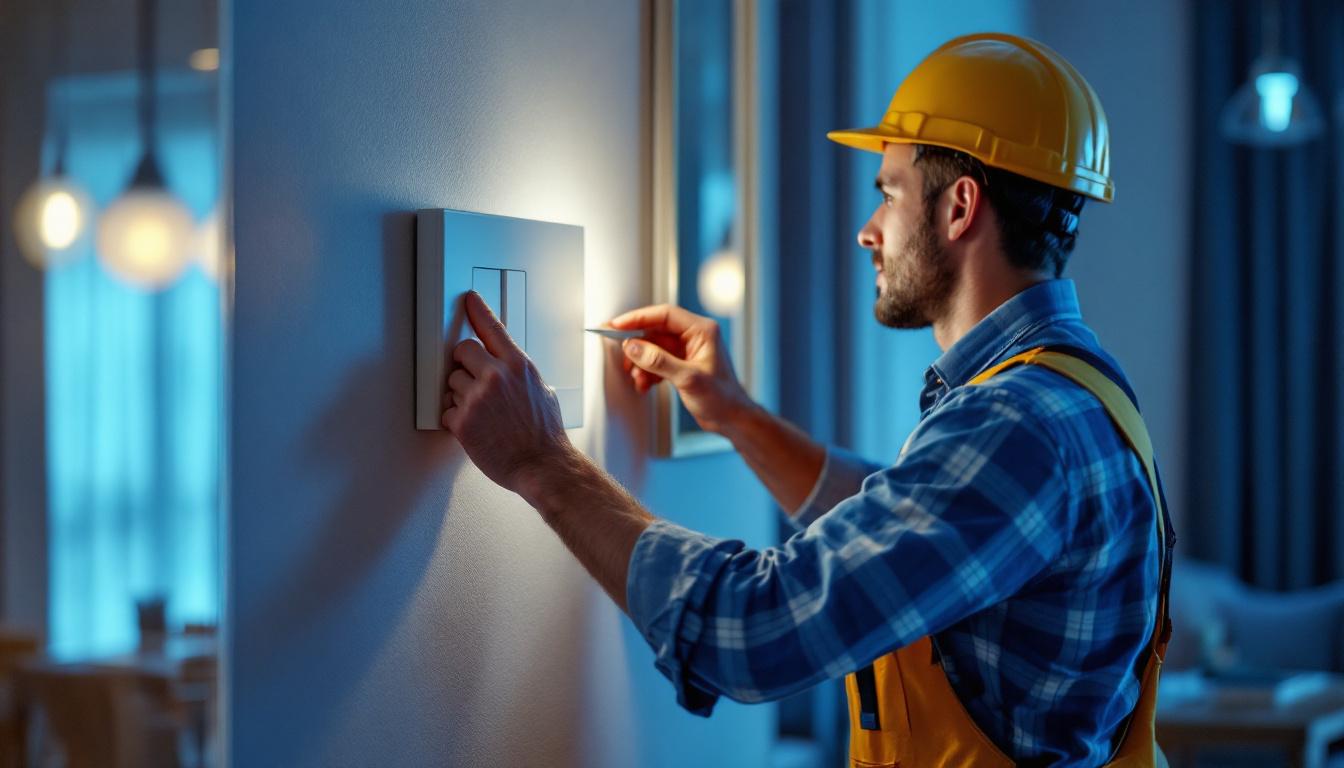
Always begin by turning off the power supply to the fixture to prevent electrical shock. Use a voltage tester to confirm the absence of current. Wearing insulated gloves and using insulated tools further minimizes risk. A well-prepared worksite not only protects the contractor but also builds client trust through demonstrated professionalism. Additionally, it’s advisable to clear the area of any unnecessary tools or materials that could pose a tripping hazard, ensuring a safe and efficient workspace. Consider placing warning signs or cones to alert others of the ongoing electrical work, further enhancing safety measures.
2. Inspecting Components and Fixture
Check the fluorescent tube for any visible damage such as cracks or darkened ends, which indicate the need for replacement. Examine the fixture for corrosion or loose wiring. Ensuring all parts are in good condition prevents premature failures and costly callbacks. It’s also beneficial to clean any dust or debris from the fixture and surrounding area, as this can affect the lamp’s performance. A clean installation site not only enhances the aesthetic appeal but also contributes to the longevity of the lighting system by preventing overheating and ensuring optimal light output.
3. Wiring the Ballast
Identify the ballast’s input and output wires, typically color-coded for easy recognition. Connect the input wires to the power source, ensuring secure and insulated connections. Then, connect the output wires to the lamp holders. For electronic ballasts, follow the manufacturer’s wiring diagram meticulously to avoid operational issues. It’s also wise to double-check the voltage and wattage ratings of the ballast to ensure compatibility with the fluorescent tubes being used. This attention to detail can prevent future electrical issues and enhance the overall efficiency of the lighting system.
4. Installing the Fluorescent Tube
Align the tube pins with the lamp holders and gently rotate the tube until it locks into place. Proper seating ensures reliable electrical contact and prevents flickering. Avoid forcing the tube to reduce the risk of breakage. Furthermore, it’s important to handle the fluorescent tubes with care, as they contain small amounts of mercury. If a tube breaks, follow local regulations for safe disposal to minimize environmental impact. Consider using a tube protector or sleeve during installation to safeguard against accidental damage.
5. Testing the Installation
Restore power and observe the lamp’s operation. A stable, flicker-free light indicates a successful connection. If the lamp fails to start or flickers, recheck wiring and ballast compatibility. Prompt troubleshooting demonstrates expertise and commitment to quality. Additionally, it’s beneficial to conduct a final inspection of the entire installation, ensuring that all components are securely fastened and that there are no exposed wires. This final step not only reinforces safety but also enhances the overall reliability of the lighting system, providing peace of mind for both the contractor and the client.
Leveraging Fluorescent Lamp Expertise for Competitive Advantage
In a competitive market, lighting contractors who excel in fluorescent lamp installation distinguish themselves through reliability, efficiency, and customer service. Fluorescent lighting projects often serve commercial clients with large-scale needs, where downtime and maintenance costs are critical considerations. The ability to deliver timely and effective solutions can significantly impact a business’s bottom line, making it imperative for contractors to not only meet but exceed client expectations. Establishing a reputation for excellence in this area can lead to referrals and a robust client base, further solidifying a contractor’s position in the market.
Energy Efficiency and Cost Savings
Fluorescent lamps consume significantly less energy compared to incandescent bulbs, with energy savings of up to 75%. Contractors who can articulate these benefits and provide accurate cost analyses position themselves as trusted advisors. This expertise can lead to larger contracts and repeat business. Moreover, with the increasing emphasis on sustainability, many businesses are seeking to reduce their carbon footprint. By highlighting the environmental benefits of fluorescent lighting, such as lower greenhouse gas emissions and reduced energy consumption, contractors can appeal to eco-conscious clients and align their services with broader sustainability goals.
Compliance and Safety Standards
Adhering to local electrical codes and safety standards is non-negotiable. Lighting contractors who stay updated on regulations reduce liability risks and enhance their reputation. Offering clients assurance that installations meet or exceed standards is a compelling selling point. Additionally, understanding the nuances of compliance can help contractors navigate complex projects that may involve multiple jurisdictions or specialized requirements. This knowledge not only protects the contractor but also instills confidence in clients, ensuring that they feel secure in their investment. Regular training and certification can further bolster a contractor’s credibility in this area.
Maintenance and Troubleshooting Services
Offering ongoing maintenance and rapid troubleshooting services adds value beyond the initial installation. Fluorescent lamps, while durable, may require ballast replacements or tube changes over time. Contractors who provide these services build long-term client relationships and steady revenue streams. Furthermore, proactive maintenance can prevent costly outages and extend the lifespan of the lighting systems, making it an attractive proposition for clients. By implementing a scheduled maintenance program, contractors can ensure that their clients’ lighting systems operate at peak efficiency, while also providing peace of mind that potential issues will be addressed before they escalate into significant problems. This proactive approach not only enhances customer satisfaction but also positions contractors as essential partners in their clients’ operational success.
Advanced Tips for Optimizing Fluorescent Lamp Installations
Beyond basic connection, lighting contractors can adopt advanced techniques to optimize performance and client satisfaction.
Utilizing Dimmable Ballasts
Dimmable ballasts allow for adjustable lighting levels, enhancing energy savings and ambiance control. Installing these systems requires precise wiring and compatibility checks but offers clients modern, flexible lighting solutions that can differentiate a contractor’s offerings. By providing the ability to fine-tune brightness, contractors can help clients create the perfect atmosphere for various settings, whether it’s a cozy restaurant or a vibrant retail space. Moreover, the long-term energy savings and extended lifespan of the lamps can lead to significant cost reductions, making dimmable ballasts an attractive investment for clients looking to modernize their lighting systems.
Incorporating Occupancy Sensors
Integrating occupancy sensors with fluorescent lighting can further reduce energy consumption by ensuring lights operate only when needed. Contractors skilled in combining these technologies provide comprehensive energy management solutions, appealing to environmentally conscious clients. These sensors can be particularly beneficial in spaces with variable occupancy, such as conference rooms or restrooms, where lights can automatically turn off when the area is unoccupied. This not only enhances energy efficiency but also extends the life of the fluorescent lamps, reducing maintenance costs for clients. Furthermore, educating clients on the benefits of these systems can foster trust and position contractors as knowledgeable partners in sustainability.
Upgrading to LED-Compatible Fixtures
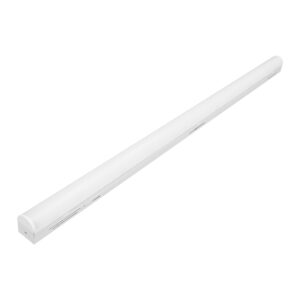
As LED technology advances, many clients seek to transition from fluorescent to LED lighting. Contractors knowledgeable in retrofitting fluorescent fixtures for LED tubes can offer cost-effective upgrades, maintaining relevance in a shifting market. This transition not only provides clients with superior energy efficiency and longer-lasting bulbs but also opens up opportunities for enhanced lighting quality, such as improved color rendering and instant-on capabilities. Additionally, by staying informed about the latest LED innovations, contractors can suggest smart lighting solutions, such as tunable white LEDs, which allow users to adjust the color temperature according to their needs, further enhancing the versatility of their lighting installations.
Conclusion: Mastery of Fluorescent Lamp Connections as a Strategic Asset
For lighting contractors, proficiency in connecting fluorescent lamps is more than a technical requirement—it is a competitive edge. By understanding the components, following meticulous installation procedures, and offering value-added services, contractors can enhance their reputation, win more projects, and foster lasting client relationships.
Staying informed about industry trends and integrating advanced technologies further solidifies a contractor’s position as a trusted lighting expert. Ultimately, the ability to connect fluorescent lamps efficiently and effectively translates into tangible business success in the dynamic lighting industry.
Get Your Competitive Edge with LumenWholesale
Ready to elevate your lighting projects with the expertise outlined in this guide? At LumenWholesale, we support your commitment to excellence by providing the highest quality fluorescent lamps and accessories at unbeatable wholesale prices. Say goodbye to local distributor markups and hello to spec-grade lighting that meets the highest industry standards. With our hassle-free bulk buying and free shipping, you can trust that you’re getting premium lighting at the best value — every time. Enhance your service offerings and give your business the competitive edge it deserves. Visit LumenWholesale today and experience the perfect blend of quality, affordability, and convenience.