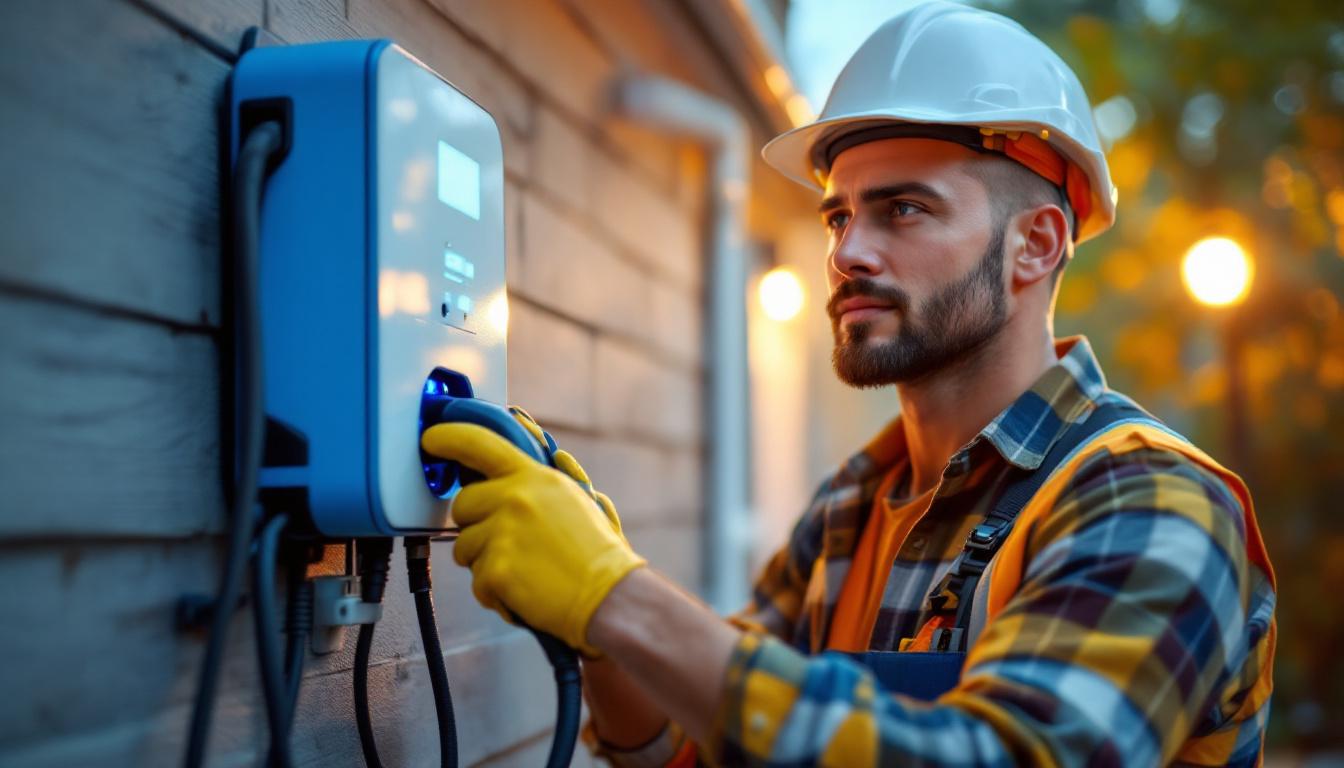
Understanding Level 2 Car Chargers and Their Importance for Lighting Contractors
As electric vehicles (EVs) continue to gain traction globally, the demand for efficient and reliable charging infrastructure is rapidly increasing. Level 2 car chargers, which operate on 240 volts and provide faster charging speeds than Level 1 chargers, have become the standard for residential and commercial EV charging installations. For lighting contractors, understanding the nuances of Level 2 charger amperage is crucial to delivering successful projects that meet customer expectations and comply with electrical codes.
Level 2 chargers typically range from 16 to 80 amps, with most residential units falling between 30 and 40 amps. This amperage directly influences the charging speed, installation requirements, and overall performance of the charging station. Lighting contractors, often called upon to install or upgrade EV charging infrastructure alongside lighting systems, must be well-versed in these technical specifications to ensure seamless integration and optimal functionality.
Moreover, the installation of Level 2 chargers can significantly enhance the value of a property. Homeowners and businesses alike are increasingly prioritizing EV readiness, and having a dedicated charging station can be a major selling point. For lighting contractors, this presents an opportunity to expand their service offerings and cater to a growing market segment. By incorporating EV charging solutions into their portfolio, contractors can not only meet the demands of eco-conscious clients but also position themselves as forward-thinking professionals in a rapidly evolving industry.
In addition to understanding the technical aspects of Level 2 chargers, lighting contractors must also stay informed about the various incentives and rebates available for EV charger installations. Many local governments and utility companies offer financial incentives to encourage the adoption of electric vehicles and the necessary infrastructure. By being knowledgeable about these programs, contractors can provide valuable guidance to their clients, helping them navigate the complexities of funding and ensuring that projects remain within budget. This not only enhances the contractor’s reputation but also fosters long-term relationships with clients who appreciate the added value of expert advice.
Key Electrical Considerations for Level 2 Charger Amperage
Amperage and Circuit Requirements
The amperage rating of a Level 2 charger dictates the size of the electrical circuit needed for safe and efficient operation. For instance, a charger rated at 40 amps typically requires a dedicated 50-amp circuit breaker to accommodate continuous load demands and adhere to the National Electrical Code (NEC) guidelines. Lighting contractors must ensure that the existing electrical panel can support the additional load or plan for necessary upgrades. This may involve evaluating the total capacity of the electrical panel and considering any other appliances or systems that may be drawing power simultaneously.
Understanding the difference between continuous and non-continuous loads is essential. EV chargers are considered continuous loads because they operate for extended periods. NEC recommends sizing conductors and breakers at 125% of the continuous load, meaning a 40-amp charger requires a circuit breaker rated for at least 50 amps. This safety margin helps prevent overheating and potential electrical hazards. Additionally, contractors should consider the environmental factors that could impact the installation, such as temperature fluctuations and moisture levels, which can affect the performance and longevity of the electrical components.
Voltage and Power Delivery
Level 2 chargers operate on 240 volts, which provides a significant improvement in charging speed compared to the 120-volt Level 1 chargers. The power delivered by the charger is a product of voltage and amperage (Power = Voltage × Amperage). For example, a 40-amp Level 2 charger at 240 volts can deliver up to 9.6 kilowatts (kW) of power, enabling faster charging times that appeal to EV owners. This rapid charging capability is particularly beneficial for those who rely on their electric vehicles for daily commuting or long-distance travel, as it minimizes downtime and enhances convenience.
Lighting contractors must verify that the electrical infrastructure, including wiring and breakers, can safely handle the voltage and amperage demands. Using appropriately rated cables (typically 8 AWG for a 40-amp circuit) and ensuring proper grounding are critical steps in the installation process. Furthermore, it’s important to assess the distance between the electrical panel and the charger location, as longer runs may require larger gauge wire to mitigate voltage drop. This consideration not only ensures optimal performance but also contributes to the overall safety and reliability of the charging system. Additionally, contractors should be aware of local codes and regulations that may impose specific requirements on the installation, such as the necessity for a disconnect switch or specific conduit types to protect the wiring from physical damage.
Installation Best Practices for Lighting Contractors
Site Assessment and Load Calculations
Before installing a Level 2 charger, a thorough site assessment is essential. Lighting contractors should evaluate the existing electrical panel capacity, identify potential load conflicts with lighting circuits, and calculate the total electrical load to prevent overloading. This assessment helps determine whether panel upgrades or subpanels are necessary to accommodate the new charger.
Load calculations should account for all connected electrical devices, including lighting, HVAC systems, appliances, and the EV charger itself. Utilizing load calculation tools and adhering to NEC guidelines ensures compliance and system reliability.
Coordination with Other Trades and Stakeholders
Successful EV charger installations often require collaboration with electricians, building owners, and sometimes local utility providers. Lighting contractors should coordinate with these stakeholders to obtain necessary permits, confirm electrical service availability, and align project timelines. This collaborative approach minimizes delays and ensures that installations meet all regulatory and safety standards.
Additionally, lighting contractors can leverage their expertise in conduit and wiring installations to streamline the integration of EV chargers with existing lighting systems, enhancing overall site aesthetics and functionality.
Choosing the Right Equipment
Selecting a Level 2 charger with an appropriate amperage rating is vital. While higher amperage chargers offer faster charging, they also demand more robust electrical infrastructure and higher installation costs. Lighting contractors should work closely with clients to balance charging speed requirements, budget constraints, and electrical system capabilities.
Moreover, opting for chargers with smart features such as load management, network connectivity, and user authentication can add value to the installation, providing clients with enhanced control and energy efficiency.
Addressing Common Challenges and Solutions
Panel Capacity Limitations
One of the most frequent challenges lighting contractors face is limited panel capacity. Older buildings or those with fully loaded panels may not have sufficient space or amperage capacity to support a Level 2 charger. In such cases, upgrading the electrical panel or installing a dedicated subpanel may be necessary.
Lighting contractors should provide clients with detailed assessments and cost estimates for panel upgrades, highlighting the long-term benefits of increased electrical capacity for future EV charging needs and other electrical expansions.
Managing Voltage Drop and Cable Length
Voltage drop can impact charger performance, especially when the charger is located far from the electrical panel. Excessive voltage drop can reduce charging efficiency and potentially damage equipment. Lighting contractors must calculate voltage drop based on cable length, gauge, and load, ensuring it remains within acceptable limits (typically less than 3%).
Using appropriately sized conductors and minimizing cable runs can mitigate voltage drop issues. In some cases, installing a subpanel closer to the charger location may be the most effective solution.
Ensuring Compliance with Electrical Codes and Standards
Adherence to the NEC and local electrical codes is non-negotiable for safe and legal installations. Lighting contractors should stay updated on code changes related to EV charging infrastructure, such as requirements for dedicated circuits, ground-fault protection, and disconnect means.
Engaging with local permitting authorities early in the project can help clarify code interpretations and streamline the approval process. Proper documentation and inspection readiness are also key to project success.
Maximizing Opportunities: The Role of Lighting Contractors in the EV Charging Market
Expanding Service Offerings
As EV adoption accelerates, lighting contractors have a unique opportunity to expand their service portfolios by incorporating EV charger installations. Their existing expertise in electrical systems, conduit installation, and site planning positions them well to meet growing market demand.
Offering bundled services that combine lighting upgrades with EV charger installations can provide clients with comprehensive energy solutions, enhancing customer satisfaction and increasing revenue streams.
Leveraging Energy Efficiency and Smart Technologies
Integrating Level 2 chargers with smart lighting and energy management systems can create synergistic benefits. Lighting contractors can advise clients on energy-efficient solutions that optimize electricity usage, reduce peak demand charges, and support sustainability goals.
For example, implementing demand response strategies or load-sharing capabilities between lighting and EV charging loads can improve overall site energy management. This holistic approach positions lighting contractors as trusted advisors in the evolving energy landscape.
Training and Certification for Competitive Advantage
Investing in specialized training and certifications related to EV charger installation and electrical safety enhances credibility and technical proficiency. Certifications from recognized organizations demonstrate commitment to quality and safety, which can be decisive factors for clients selecting contractors.
Continuous education also ensures that lighting contractors remain current with technological advancements and regulatory changes, enabling them to provide informed recommendations and superior service.
Conclusion: Driving Success Through Expertise in Level 2 Charger Amperage
For lighting contractors, mastering the intricacies of Level 2 car charger amperage is essential to capitalizing on the burgeoning EV charging market. A comprehensive understanding of electrical requirements, installation best practices, and regulatory compliance ensures that projects are executed safely, efficiently, and to the highest standards.
By embracing the opportunities presented by EV infrastructure, lighting contractors can diversify their offerings, enhance client relationships, and contribute to a sustainable energy future. Staying informed, collaborating effectively, and prioritizing quality workmanship will drive success in this dynamic and growing field.
Illuminate Your Projects with LumenWholesale
Ready to enhance your lighting and EV charger installations with the highest quality products? At LumenWholesale, we provide lighting contractors like you with spec-grade lighting solutions at unbeatable wholesale prices. Say goodbye to middleman markups and hello to a vast selection of reliable, high-performance products that meet rigorous industry standards. Plus, with free shipping on bulk orders, you can trust that you’re getting premium lighting at the best value — without any hidden fees. Elevate your next project by choosing LumenWholesale, where quality, affordability, and convenience come together seamlessly. Wholesale Lighting at the Best Value is just a click away.