Understanding Motion Light Outdoor LED Technology
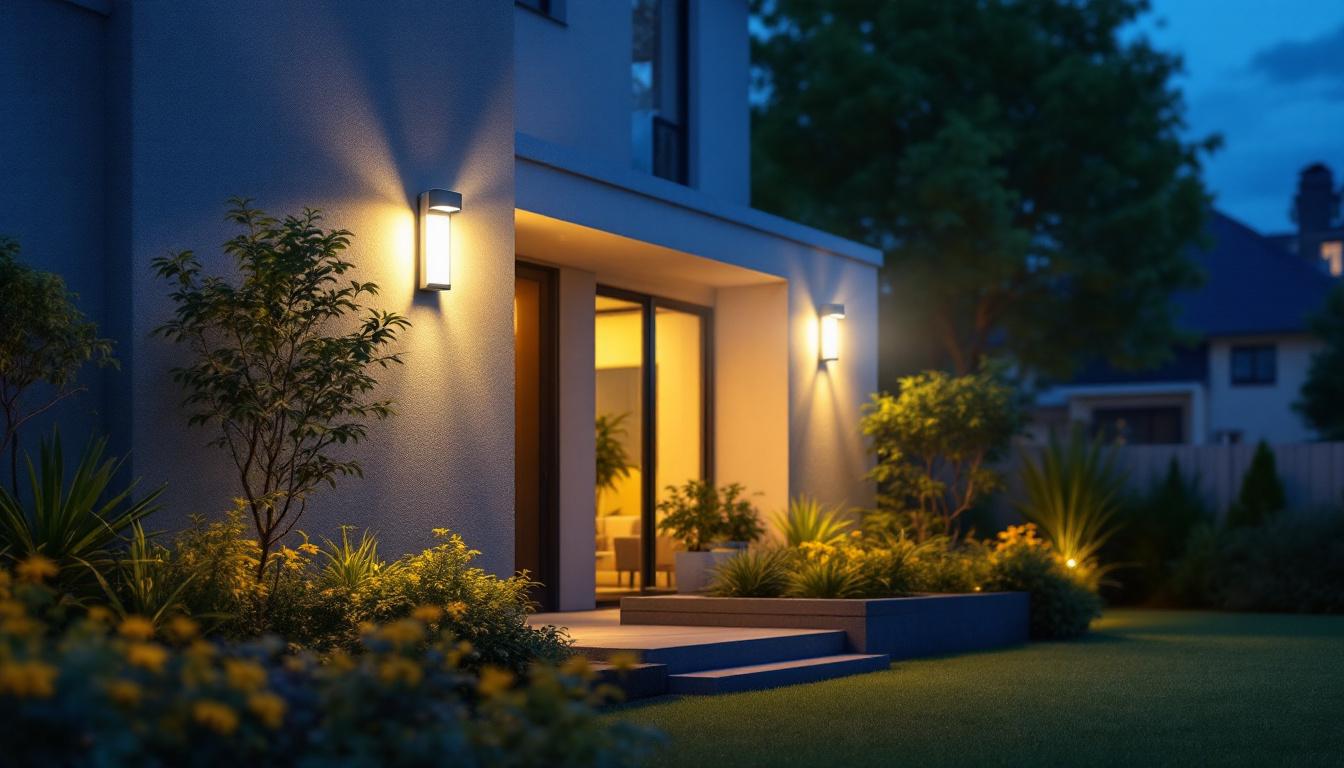
Motion light outdoor LED fixtures have become a staple in modern lighting solutions, especially for security and energy efficiency. For lighting contractors, comprehending the underlying technology is essential to recommend, install, and maintain these systems effectively.
LED (Light Emitting Diode) technology offers significant advantages over traditional incandescent or halogen bulbs, including longer lifespan, lower energy consumption, and reduced heat emission. When combined with motion sensors, these fixtures only activate when movement is detected, enhancing security while minimizing unnecessary power usage.
Motion sensors typically use passive infrared (PIR) technology, detecting changes in heat signatures within their field of view. Some advanced models incorporate microwave or ultrasonic sensors for improved sensitivity and range. Understanding these sensor types helps contractors select the right product for specific site conditions. Additionally, the placement of these sensors is crucial; positioning them at optimal heights and angles can significantly enhance their effectiveness, ensuring that they cover the desired area without false triggers from passing animals or moving foliage.
Why Motion Light Outdoor LEDs Are Preferred
Lighting contractors frequently encounter clients seeking reliable, cost-effective outdoor lighting. Motion light outdoor LEDs address these needs by providing:
- Energy Efficiency: LEDs consume up to 80% less energy than traditional bulbs, significantly reducing electricity costs.
- Longevity: With lifespans often exceeding 25,000 hours, these fixtures reduce maintenance frequency and associated labor costs.
- Enhanced Security: Motion activation deters intruders and alerts property owners to activity without the need for continuous illumination.
- Environmental Benefits: Lower energy use and reduced waste contribute to greener building practices.
These factors make motion light outdoor LEDs a compelling choice for residential, commercial, and industrial applications. Furthermore, many modern fixtures come equipped with customizable settings, allowing users to adjust sensitivity, duration of illumination, and even the brightness level. This versatility not only caters to varying needs and preferences but also enhances the overall user experience. For instance, in a commercial setting, a business owner might prefer a longer illumination time during peak hours, while a homeowner may want a shorter duration for safety without disturbing neighbors. The ability to tailor these settings ensures that motion light outdoor LEDs can effectively meet the unique demands of diverse environments.
Common Installation Challenges and Solutions
Lighting contractors often face specific challenges when installing motion light outdoor LEDs. Addressing these issues proactively ensures optimal performance and client satisfaction.
Sensor Placement and Coverage
One of the most critical aspects of installation is the correct placement of motion sensors. Improper positioning can lead to false triggers or failure to detect movement.
Contractors should consider the following:
- Height and Angle: Sensors should be mounted at recommended heights, typically between 6 to 10 feet, angled to cover the desired detection zone without blind spots.
- Environmental Factors: Avoid pointing sensors toward heat sources like HVAC units, reflective surfaces, or direct sunlight, which can cause false activations.
- Range and Sensitivity Settings: Adjusting these parameters ensures the sensor activates only when necessary, reducing nuisance lighting.
Using site surveys and test activations during installation helps verify proper coverage. Additionally, contractors should consider the potential for seasonal changes in the environment, such as foliage growth in spring and summer, which can obstruct sensor views. Regular follow-ups with clients can help identify any adjustments needed as their landscape evolves.
Wiring and Power Supply Considerations
Ensuring the correct electrical setup is paramount. Many contractors encounter questions about compatibility with existing wiring or power sources.
Key points include:
- Voltage Requirements: Most outdoor LED motion lights operate on standard line voltage (120V or 240V), but low-voltage options are available for specific applications.
- Weatherproofing: All wiring and connections must comply with outdoor electrical codes, using waterproof connectors and conduit where necessary.
- Integration with Existing Systems: Some clients may want motion lights integrated with security systems or smart home controls, requiring additional wiring or wireless modules.
Adhering to local electrical codes and manufacturer guidelines ensures safety and longevity. Furthermore, it is essential for contractors to educate clients about the importance of regular maintenance checks on their lighting systems. This includes inspecting wiring for wear and tear, ensuring connections remain secure, and confirming that the motion sensors are functioning correctly. By fostering a proactive maintenance mindset, contractors can enhance the longevity and reliability of their installations, ultimately leading to higher customer satisfaction and trust in their services.
Energy Efficiency and Cost Considerations
Lighting contractors frequently advise clients on balancing upfront costs with long-term savings. Motion light outdoor LEDs offer a compelling value proposition in this regard.
Initial Investment vs. Operational Savings
While LED fixtures with integrated motion sensors may have a higher initial purchase price than traditional lighting, the operational savings often justify the investment.
Studies indicate that motion-activated LED lighting can reduce outdoor lighting energy consumption by up to 70%, depending on usage patterns. This translates into substantial reductions in utility bills over the fixture’s lifetime.
Additionally, the reduced maintenance requirements lower labor and replacement costs, which is particularly beneficial for commercial or industrial clients with extensive lighting needs. The longevity of LED fixtures, often rated for 25,000 to 50,000 hours, means that businesses can avoid the frequent bulb replacements associated with incandescent or fluorescent lights. This not only saves money but also minimizes disruptions to operations, allowing for a more efficient workflow.
Incentives and Rebates
Many utility companies and government programs offer incentives for installing energy-efficient lighting solutions, including motion-activated LEDs. Contractors should stay informed about available rebates and tax credits in their regions to provide clients with comprehensive cost-benefit analyses.
Leveraging these programs can significantly reduce the effective cost of installation, making advanced lighting solutions more accessible. Furthermore, as more municipalities commit to sustainability goals, the landscape for incentives is continually evolving. Some regions even provide additional funding for retrofitting existing lighting systems, which can further enhance the financial viability of switching to energy-efficient options. Clients may find that not only do they save on energy costs, but they also contribute to broader environmental initiatives, enhancing their corporate social responsibility profile.
Maintenance and Troubleshooting Tips
Proper maintenance ensures that motion light outdoor LEDs continue to perform reliably, protecting property and conserving energy.
Routine Inspection and Cleaning
Dirt, dust, and insect debris can accumulate on sensors and light covers, impairing functionality. Contractors should advise clients to perform regular cleaning using soft cloths and mild detergents, avoiding abrasive materials. A simple bi-monthly cleaning routine can significantly enhance the lifespan and efficiency of these fixtures, allowing them to operate at optimal levels. Additionally, ensuring that the surrounding area is free from overgrown foliage or obstructions can help maintain the sensors’ line of sight, further improving their performance.
Inspection should also include checking for physical damage, loose wiring, or corrosion, particularly in harsh weather environments. Clients should be encouraged to inspect the mounting brackets and hardware for signs of wear, as these components are crucial for secure installation. Regular checks can prevent potential hazards, such as fixtures becoming dislodged during storms or high winds, which could lead to damage or safety risks.
Common Troubleshooting Scenarios
Contractors often encounter a few typical issues with motion light outdoor LEDs:
- False Triggers: Caused by environmental factors such as moving tree branches, passing vehicles, or heat sources. Adjusting sensor sensitivity or repositioning the fixture can mitigate these problems. In some cases, adding shields or baffles can help minimize the impact of nearby disturbances, allowing the lights to function more reliably.
- Failure to Activate: May result from sensor obstruction, wiring faults, or depleted LED modules. Testing with a multimeter and visual inspection helps identify the root cause. It’s also beneficial to remind clients to check the settings on their motion sensors, as some models have adjustable timers and ranges that might need recalibration after installation or maintenance.
- Flickering or Dim Lighting: Often related to power supply inconsistencies or aging components. Ensuring stable voltage and replacing defective parts restores performance. Additionally, clients should be informed about the importance of using high-quality surge protectors, especially in areas prone to electrical storms, as this can prevent damage to the LED circuitry.
Providing clients with clear maintenance guidelines and troubleshooting tips can reduce service calls and enhance satisfaction. Furthermore, offering educational resources, such as instructional videos or pamphlets, can empower clients to take proactive steps in maintaining their motion light systems. This not only fosters a sense of ownership but also builds trust and confidence in the contractor-client relationship.
Emerging Trends and Innovations in Motion Light Outdoor LEDs
The lighting industry continues to evolve, with new technologies improving the functionality and integration of motion light outdoor LEDs.
Smart Lighting Integration
Many modern motion light fixtures now feature compatibility with smart home systems and IoT platforms. This allows for remote control, scheduling, and real-time alerts via smartphones or voice assistants.
Lighting contractors should familiarize themselves with these technologies to meet growing client demand for connected solutions that enhance convenience and security.
Adaptive Lighting and AI Sensors
Advanced motion sensors are incorporating artificial intelligence to differentiate between humans, animals, and environmental movements. This reduces false activations and tailors lighting behavior to specific scenarios.
Adaptive lighting systems can also adjust brightness based on ambient light conditions, further optimizing energy use and user experience.
Solar-Powered Motion Light LEDs
Solar-powered motion light LEDs are gaining popularity for their independence from grid power and ease of installation. These fixtures are particularly suited for remote locations or areas where trenching for wiring is impractical.
Contractors should evaluate site-specific solar exposure and battery capacity to ensure reliable operation.
Conclusion: Best Practices for Lighting Contractors
Motion light outdoor LED systems offer significant benefits in energy efficiency, security, and maintenance for a wide range of applications. For lighting contractors, mastering the technology, installation techniques, and troubleshooting methods is critical to delivering high-quality service.
Key best practices include:
- Conduct thorough site assessments to determine optimal sensor placement and fixture selection.
- Stay updated on local codes, incentives, and emerging technologies to provide informed recommendations.
- Educate clients on maintenance requirements and operational expectations to foster long-term satisfaction.
- Leverage smart lighting and adaptive sensor innovations to differentiate service offerings.
By addressing common questions and challenges proactively, lighting contractors can enhance their reputation, reduce callbacks, and contribute to more sustainable outdoor lighting solutions.
Illuminate Your Projects with LumenWholesale
Ready to elevate your lighting installations with the most efficient, secure, and durable motion light outdoor LED systems? Look no further than LumenWholesale for all your lighting needs. Our commitment to quality and affordability ensures that you have access to the best spec-grade lighting products at wholesale prices. With free shipping on bulk orders, you can stock up on superior lighting solutions and pass the savings onto your clients. Don’t let middleman markups dim your project’s potential. Choose LumenWholesale and experience the ideal combination of performance and value. Visit us today for Wholesale Lighting at the Best Value.