Why Recessed Lighting Matters for Energy Efficiency
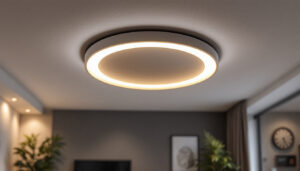
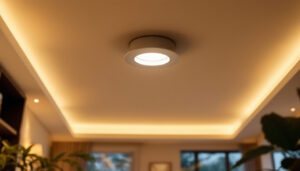
Recessed lightbulbs, often called can lights or downlights, have become a staple in both residential and commercial lighting design. Their sleek, unobtrusive appearance makes them a popular choice for modern interiors. However, beyond aesthetics, the type of recessed lighting installed can have a significant impact on energy consumption and overall efficiency.
For lighting contractors, understanding how recessed lightbulbs influence energy use is crucial. The right choices not only help clients save on electricity bills but also contribute to sustainability goals. This article explores the factors that affect energy efficiency in recessed lighting and offers practical insights for professionals working in the field.
One of the primary considerations when selecting recessed lighting is the type of bulb used. LED recessed lights, for instance, are known for their remarkable energy efficiency compared to traditional incandescent or halogen bulbs. While incandescent bulbs may emit a warm glow, they consume significantly more energy and have a shorter lifespan. In contrast, LED bulbs can last up to 25,000 hours and use about 75% less energy, making them an excellent choice for both cost savings and environmental impact. Additionally, the lower heat output of LED lights reduces the burden on air conditioning systems, further enhancing energy efficiency in homes and businesses alike.
Another important factor is the installation and placement of recessed lighting. Properly positioned fixtures can maximize illumination while minimizing energy waste. For example, strategically placing lights in areas where tasks are performed—such as kitchens, offices, or reading nooks—ensures that light is directed where it is needed most. Moreover, incorporating dimmers and smart controls can enhance energy savings by allowing users to adjust brightness levels according to their needs. This flexibility not only promotes energy efficiency but also creates a more comfortable and adaptable living or working environment. As technology continues to evolve, the integration of smart lighting solutions with recessed fixtures is becoming increasingly popular, offering even greater control over energy consumption and enhancing the overall user experience.
Understanding the Components of Recessed Lighting
The Housing and Its Role
The housing is the metal can or enclosure mounted in the ceiling that holds the lightbulb and trim. It plays a vital role in energy efficiency. For instance, IC-rated housings are designed to be installed in direct contact with insulation, reducing air leakage and heat loss. Non-IC housings, on the other hand, require a gap from insulation, which can lead to energy inefficiencies.
Properly sealed housings prevent conditioned air from escaping into the attic or ceiling cavity, which is especially important in climates with extreme temperatures. Lighting contractors should prioritize airtight housings to minimize energy waste. Additionally, the choice of housing can impact the overall aesthetic of a space. Many modern designs feature low-profile options that blend seamlessly into the ceiling, providing a clean and unobtrusive look while still delivering effective lighting solutions.
The Lightbulb: Type and Technology
The choice of bulb is arguably the most significant factor affecting energy efficiency in recessed lighting. Traditional incandescent bulbs consume far more power and generate excessive heat compared to modern alternatives.
LED recessed bulbs have revolutionized the industry by offering high lumens per watt, meaning they produce more light for less energy. Additionally, LEDs have longer lifespans, which reduces replacement frequency and maintenance costs. For contractors, specifying LED bulbs in recessed fixtures is a straightforward way to enhance energy efficiency. Furthermore, advancements in smart lighting technology have introduced options that allow homeowners to control their recessed lighting remotely, adjusting brightness and color temperature to suit various activities and moods, further enhancing the versatility of these fixtures.
Trim and Reflectors: Enhancing Light Output
The trim and reflector inside a recessed fixture direct and diffuse light. High-quality trims with reflective coatings can improve the fixture’s efficiency by maximizing the usable light output. This means fewer watts are needed to achieve the desired illumination level.
Contractors should advise clients on trim options that complement LED bulbs, ensuring optimal light distribution and minimizing glare. Moreover, the design of the trim can significantly influence the ambiance of a room. For example, baffle trims can soften the light and reduce glare, making them ideal for living spaces, while adjustable trims allow for focused lighting in areas like artwork or architectural features. Understanding the interplay between trim design and light quality can empower homeowners to create a more inviting and functional environment.
Energy Efficiency Advantages of LED Recessed Lightbulbs
Reduced Power Consumption
LED recessed lightbulbs typically use 75% less energy than incandescent bulbs and about 50% less than compact fluorescent lamps (CFLs). This dramatic reduction in power consumption translates directly into lower utility bills for clients. The efficiency of LED technology not only benefits residential users but also has significant implications for commercial and industrial applications, where lighting can account for a substantial portion of energy usage.
For example, a 10-watt LED bulb can produce the same brightness as a 65-watt incandescent, making it an excellent choice for energy-conscious projects. Moreover, many utility companies offer rebates and incentives for switching to LED lighting, further enhancing the financial benefits for consumers. These savings can be reinvested into other energy-efficient technologies, creating a ripple effect that promotes sustainable practices across various sectors.
Lower Heat Emission
Incandescent and halogen bulbs release most of their energy as heat, which can increase cooling costs in conditioned spaces. LEDs, however, emit very little heat, reducing the load on air conditioning systems. This is particularly beneficial in commercial settings where multiple recessed lights are installed. In environments such as offices or retail spaces, maintaining a comfortable temperature is crucial for productivity and customer satisfaction. By choosing LED lighting, businesses can create a more pleasant atmosphere while simultaneously reducing their carbon footprint.
Additionally, the lower heat output of LED lights can contribute to improved safety, as there is a reduced risk of overheating fixtures or causing burns when changing bulbs. This aspect is especially important in settings where safety regulations are stringent, such as in restaurants or healthcare facilities. The ability to operate coolly also means that LED lights can be used in more enclosed spaces without the risk of damaging surrounding materials.
Longevity and Maintenance Savings
LED recessed bulbs have lifespans that can exceed 25,000 hours, significantly longer than traditional bulbs. This longevity reduces the frequency of replacements, which is especially valuable in hard-to-reach recessed fixtures. The durability of LED lights also means they are less prone to breakage, making them a reliable choice for high-traffic areas or installations that require frequent use.
For contractors, recommending LED options can enhance client satisfaction by minimizing maintenance hassles and costs over time. The reduced need for replacement bulbs means fewer service calls and less disruption for clients. Furthermore, many LED products come with warranties that guarantee performance over their lifespan, providing additional peace of mind for both contractors and their customers. This reliability not only strengthens the contractor-client relationship but also positions contractors as knowledgeable professionals in the ever-evolving landscape of energy-efficient solutions.
Installation Best Practices for Maximizing Efficiency
Choosing the Right Housing and Trim
Energy-efficient recessed lighting starts with selecting the appropriate housing and trim combination. Airtight, IC-rated housings paired with reflective trims ensure minimal energy loss and optimal light output.
Contractors should verify that the housing is compatible with the chosen bulb type and that the trim fits securely to prevent air leakage.
Proper Insulation and Air Sealing
One common source of energy inefficiency is poor air sealing around recessed fixtures. Gaps between the housing and ceiling can allow conditioned air to escape, increasing heating and cooling demands.
Using foam gaskets or caulking around the trim can create an effective barrier. Additionally, ensuring that insulation is properly installed around IC-rated housings helps maintain thermal integrity.
Smart Controls and Dimming Options
Integrating dimmers and occupancy sensors with recessed lighting can further reduce energy consumption. Dimming LEDs not only saves power but also extends bulb life.
Occupancy sensors prevent lights from being left on unnecessarily, which is particularly useful in commercial or multi-room residential installations.
Addressing Common Challenges in Energy-Efficient Recessed Lighting
Heat Management in Confined Spaces
Although LEDs generate less heat than incandescent bulbs, they still produce some warmth that must be dissipated. In tightly enclosed recessed fixtures, inadequate heat dissipation can shorten LED lifespan.
Contractors should select fixtures designed with proper ventilation or heat sinks to ensure longevity and consistent performance.
Compatibility Issues with Dimmers and Controls
Not all LED recessed bulbs are compatible with existing dimmers or control systems. Using incompatible components can cause flickering, reduced dimming range, or premature bulb failure.
It’s essential to verify compatibility during specification and installation to avoid costly callbacks and client dissatisfaction.
Balancing Aesthetics and Efficiency
Clients often desire specific lighting effects or fixture styles that may not align perfectly with the most energy-efficient options. For example, certain decorative trims or bulbs might consume more power or produce less efficient light distribution.
Contractors must balance these preferences with energy goals, educating clients on the trade-offs and recommending solutions that meet both aesthetic and efficiency criteria.
Emerging Trends and Technologies in Recessed Lighting
Smart LED Fixtures
Smart recessed lighting systems that integrate with home automation platforms are gaining traction. These systems allow users to control brightness, color temperature, and scheduling remotely, optimizing energy use based on occupancy and time of day.
For contractors, offering smart lighting solutions can differentiate services and provide clients with advanced energy management capabilities.
Human-Centric Lighting
Adjustable color temperature LEDs that mimic natural daylight cycles are becoming popular. These fixtures can improve occupant comfort and productivity while maintaining energy efficiency.
Incorporating human-centric lighting in recessed fixtures is a forward-thinking approach that aligns with wellness trends and energy conservation.
Advanced Materials and Designs
Innovations in reflector coatings, lens materials, and fixture designs continue to enhance the efficiency of recessed lighting. New materials improve light output and reduce glare without increasing power consumption.
Staying updated on these advancements allows contractors to recommend cutting-edge products that deliver superior performance.
Conclusion: The Contractor’s Role in Promoting Energy Efficiency
Recessed lighting is more than just a design element; it’s a critical component in a building’s energy profile. Lighting contractors have a unique opportunity to influence energy consumption through informed product selection, precise installation, and client education.
By prioritizing LED technology, airtight housings, proper insulation, and smart controls, contractors can help clients achieve substantial energy savings without sacrificing lighting quality. Embracing emerging technologies and best practices ensures that recessed lighting installations remain efficient, durable, and aligned with evolving energy standards.
Ultimately, the impact of recessed lightbulbs on energy efficiency depends on the expertise and decisions of those who install and specify them. Contractors who understand these dynamics can deliver exceptional value and contribute to a more sustainable built environment.
Illuminate Your Projects with LumenWholesale
Ready to enhance your lighting installations with energy-efficient solutions that don’t compromise on quality or cost? LumenWholesale is your go-to source for spec-grade lighting products at wholesale prices. Say goodbye to inflated markups and hello to a vast selection of reliable, high-performance lighting that meets the highest industry standards. Plus, with free shipping on bulk orders, you can stock up on premium lighting without the worry of hidden fees. Elevate your projects and maximize energy savings with the best value in lighting. Wholesale Lighting at the Best Value is just a click away.