Understanding the Importance of Exterior Wall Lighting
Exterior wall lighting plays a pivotal role in both the aesthetic appeal and security of residential and commercial properties. For lighting contractors, selecting and installing the right fixtures is not just about illuminating a space—it’s about creating an environment that enhances safety, highlights architectural features, and provides functional lighting for outdoor activities. Mistakes in this phase can lead to costly reworks, dissatisfied clients, and even safety hazards.
When done correctly, exterior wall lighting can increase property value and curb appeal. According to industry research, well-lit exteriors can reduce the risk of crime by up to 30%, making security a top priority for many property owners. Moreover, with growing emphasis on sustainable and energy-efficient solutions, contractors must balance performance with environmental considerations.
In addition to safety and aesthetics, exterior wall lighting can significantly influence how outdoor spaces are utilized. For instance, well-placed fixtures can create inviting atmospheres for gatherings, enhancing the overall experience of outdoor living areas such as patios and gardens. Furthermore, the right lighting can extend the usability of these spaces into the evening hours, allowing homeowners to enjoy their backyards well after sunset. This transformation not only enriches the lifestyle of the occupants but also provides an opportunity for social interaction, which is increasingly valued in today’s fast-paced world.
Moreover, the technological advancements in lighting solutions have opened up new avenues for creativity and efficiency. Smart lighting systems, which can be controlled via mobile devices or automated to respond to environmental changes, are becoming increasingly popular. These systems not only offer convenience but also allow for customizable lighting schemes that can adapt to different occasions or moods. As a result, contractors are encouraged to stay informed about the latest trends and innovations in exterior lighting to provide their clients with cutting-edge solutions that meet both functional and aesthetic needs.
Common Costly Mistakes in Exterior Wall Lighting Projects
1. Inadequate Planning and Site Assessment
One of the most frequent errors contractors make is insufficient site evaluation before selecting fixtures. Every project has unique characteristics—wall materials, architectural style, surrounding landscape, and existing electrical infrastructure—that influence fixture choice and placement.
Failing to assess these factors can lead to improper fixture selection, resulting in poor illumination, fixture damage, or increased maintenance costs. For example, choosing a fixture not rated for wet locations on an exterior wall exposed to rain can cause premature failure and safety issues. Additionally, overlooking the surrounding landscape can lead to light pollution, where excessive light spills into neighboring properties, causing disturbances and potential complaints. A thorough site assessment should also consider the natural light available at different times of the day, which can inform decisions about fixture brightness and placement to enhance the overall aesthetic and functionality of the space.
2. Ignoring Lighting Design Principles
Lighting design is more than just placing lights randomly. It involves understanding light distribution, color temperature, beam angle, and layering to create the desired effect. Over-illumination or under-illumination can both detract from a project’s success.
Contractors sometimes neglect the importance of uniformity and glare control, which can cause discomfort or reduce visibility. Using fixtures with adjustable beam spreads and selecting appropriate color temperatures—typically between 2700K and 3000K for warm, inviting exteriors—can avoid these pitfalls. Furthermore, incorporating different types of lighting—such as ambient, task, and accent lighting—can create depth and interest in the design. For instance, wall-mounted sconces can provide soft ambient light, while focused spotlights can highlight architectural features or landscaping, creating a dynamic interplay of light and shadow that enhances the overall appeal of the property.
3. Overlooking Energy Efficiency and Compliance
With increasing regulations and client demand for sustainable solutions, ignoring energy codes and efficiency standards can be costly. Installing outdated or inefficient fixtures not only increases operational costs but may also violate local building codes.
LED technology has revolutionized exterior lighting by offering long lifespans, low energy consumption, and reduced maintenance. Contractors should prioritize fixtures with high efficacy (lumens per watt) and ensure compliance with regional standards such as DLC or ENERGY STAR certifications. Additionally, integrating smart lighting controls can further enhance energy efficiency by allowing for automated dimming, scheduling, and motion detection. This not only reduces energy consumption but also extends the life of the fixtures, providing long-term savings for clients while promoting environmentally friendly practices in the industry.
4. Poor Fixture Placement and Mounting
Incorrect fixture placement can lead to uneven lighting, shadows, and even damage to the fixture itself. For example, mounting a fixture too close to the ground may expose it to physical damage or dirt accumulation, while placing it too high can reduce its effectiveness.
Understanding mounting height, distance from the wall, and orientation is critical. Additionally, ensuring fixtures are securely mounted to withstand weather conditions and vibrations prevents premature failures and safety hazards. It’s also essential to consider the surrounding elements, such as trees or buildings, which can obstruct light and create unwanted shadows. By strategically placing fixtures to complement the architecture and landscape, contractors can achieve a harmonious lighting scheme that enhances both safety and aesthetics. Moreover, regular maintenance checks after installation can help identify any issues early on, ensuring the lighting remains effective and visually appealing over time.
Best Practices for Selecting Exterior Wall Lighting Fixtures
Assess Environmental Conditions Thoroughly
Exterior environments vary widely—from coastal areas with salty air to regions with heavy snowfall or intense sun exposure. Selecting fixtures with appropriate Ingress Protection (IP) ratings ensures durability. For instance, IP65 or higher is recommended for fixtures exposed directly to rain and dust.
Materials also matter. Corrosion-resistant finishes like powder-coated aluminum or stainless steel extend fixture life and maintain appearance. Contractors should verify manufacturer specifications and warranty terms related to environmental exposure. Additionally, it’s essential to consider the local climate’s impact on lighting performance. For example, in areas prone to high winds, fixtures should be securely mounted to withstand gusts, while in regions with extreme temperature fluctuations, thermal expansion and contraction can affect the integrity of the materials used. Understanding these factors can prevent premature fixture failure and ensure long-lasting performance.
Choose Fixtures That Complement Architectural Styles
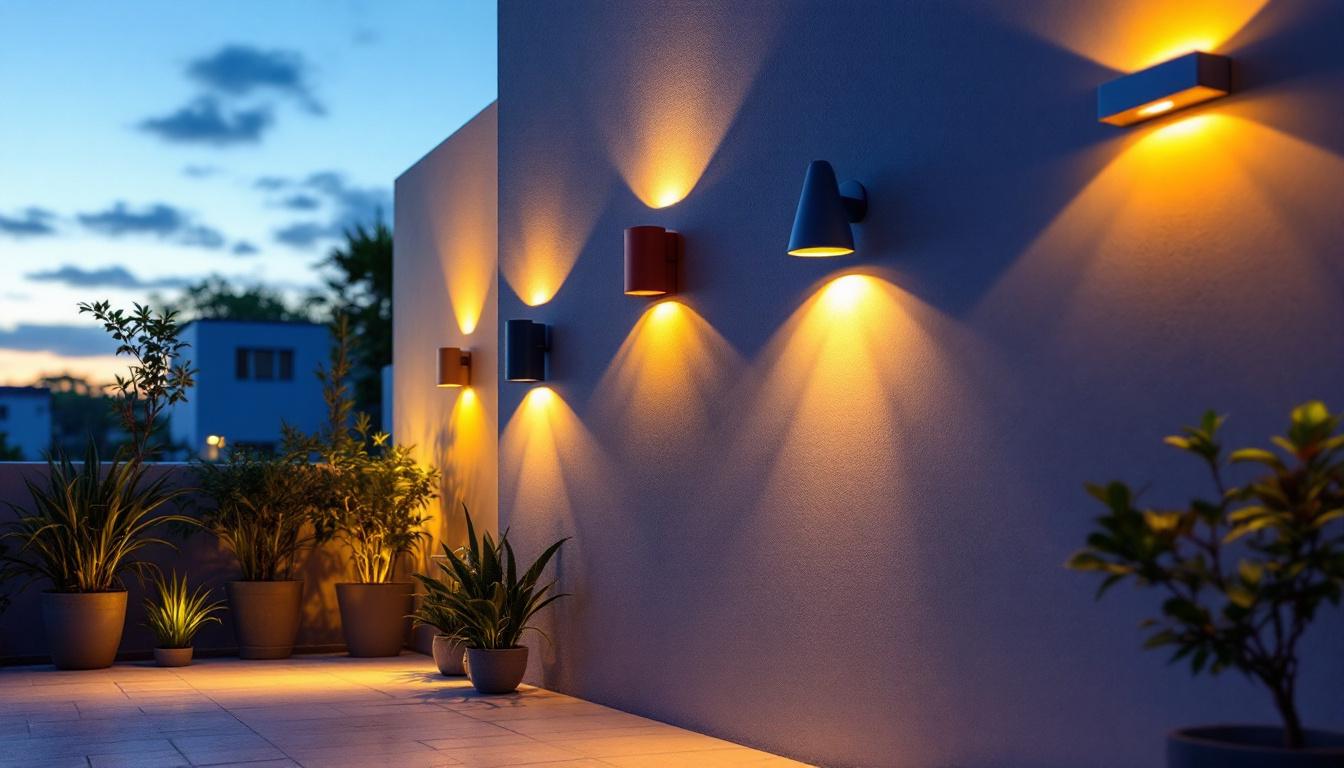
Lighting fixtures should enhance, not clash with, the building’s design. Modern minimalist structures benefit from sleek, unobtrusive fixtures, while traditional homes may call for lantern-style or decorative sconces. Matching fixture style with architectural elements creates a cohesive look that appeals to clients.
Additionally, consider the scale of the fixture relative to the wall and surrounding features. Oversized fixtures can overwhelm small walls, while undersized ones may look out of place on large facades. It’s also worth exploring how the color and finish of the fixtures interact with the building materials. For example, a matte black fixture can provide a striking contrast against a light-colored stucco wall, while a bronze finish may harmonize beautifully with warm brick tones. This attention to detail not only enhances aesthetic appeal but also contributes to the overall character of the property.
Prioritize Energy-Efficient and Smart Lighting Solutions
LED fixtures with integrated controls such as dimmers, motion sensors, and photocells provide energy savings and convenience. Smart lighting systems enable remote control and automation, which can enhance security and reduce energy waste.
Contractors should discuss these options with clients early in the project to align on budget and functionality. Incorporating smart technology can differentiate a contractor’s services and add value to the project. Furthermore, educating clients on the long-term benefits of energy-efficient lighting—such as reduced utility bills and lower carbon footprints—can foster a sense of responsibility and pride in their choices. As more homeowners seek sustainable solutions, offering a range of eco-friendly options can position contractors as leaders in the industry, appealing to environmentally conscious consumers who prioritize both style and sustainability in their home improvements.
Installation Tips to Avoid Common Pitfalls
Ensure Proper Electrical Wiring and Safety Measures
Exterior lighting installations must comply with National Electrical Code (NEC) requirements, including the use of weatherproof junction boxes, GFCI protection, and correct wire types. Cutting corners on wiring can lead to electrical hazards and costly repairs.
Contractors should also verify that the existing electrical system can handle the additional load and plan for future expansions if necessary. Proper grounding and surge protection safeguard fixtures from electrical damage.
Test Lighting Layout Before Final Installation
Whenever possible, mock up the lighting layout using temporary fixtures or adjustable mounts. This allows contractors to evaluate light distribution, shadows, and glare in real conditions and make adjustments before permanent installation.
Using lighting design software or photometric analysis can also assist in predicting performance and optimizing fixture placement, reducing the risk of costly rework.
Seal and Protect Fixtures to Prevent Water Ingress
Water damage is a leading cause of fixture failure in exterior lighting. After installation, ensure all seals, gaskets, and mounting points are properly secured and waterproofed. Applying silicone sealant around fixture bases and conduit entries adds an extra layer of protection.
Regular maintenance checks should be scheduled to inspect seals and clean fixtures, prolonging their operational life.
Maintenance Considerations to Extend Fixture Lifespan
Maintenance is often overlooked but is essential to avoid premature fixture failure and maintain optimal lighting performance. Dirt, insects, and moisture can accumulate on fixtures, reducing light output and causing corrosion.
Contractors should advise clients on routine cleaning schedules and provide guidance on replacing bulbs or components. Selecting fixtures with easy access for maintenance can save time and costs over the life of the installation.
Conclusion: Delivering Value Through Thoughtful Exterior Lighting
Exterior wall lighting projects demand a comprehensive approach that balances design, functionality, durability, and compliance. By avoiding common mistakes such as inadequate planning, poor fixture selection, and improper installation, lighting contractors can deliver high-quality results that satisfy clients and stand the test of time.
Investing time in thorough site assessments, embracing energy-efficient technologies, and adhering to best installation practices not only prevents costly rework but also enhances professional reputation. Ultimately, well-executed exterior lighting transforms properties into safer, more attractive spaces that clients will appreciate for years to come.
Illuminate Your Projects with LumenWholesale
Ready to elevate your exterior wall lighting projects with fixtures that promise design excellence, energy efficiency, and unmatched durability? Look no further than LumenWholesale. Our spec-grade lighting products set the standard for quality and value, ensuring you can deliver exceptional results to your clients every time. Say goodbye to middleman markups and hello to wholesale pricing, free shipping, and the convenience you deserve. Don’t compromise on quality or cost—choose LumenWholesale for lighting that truly shines. Wholesale Lighting at the Best Value is just a click away.