Introduction to Light Motion Sensors in Residential Lighting
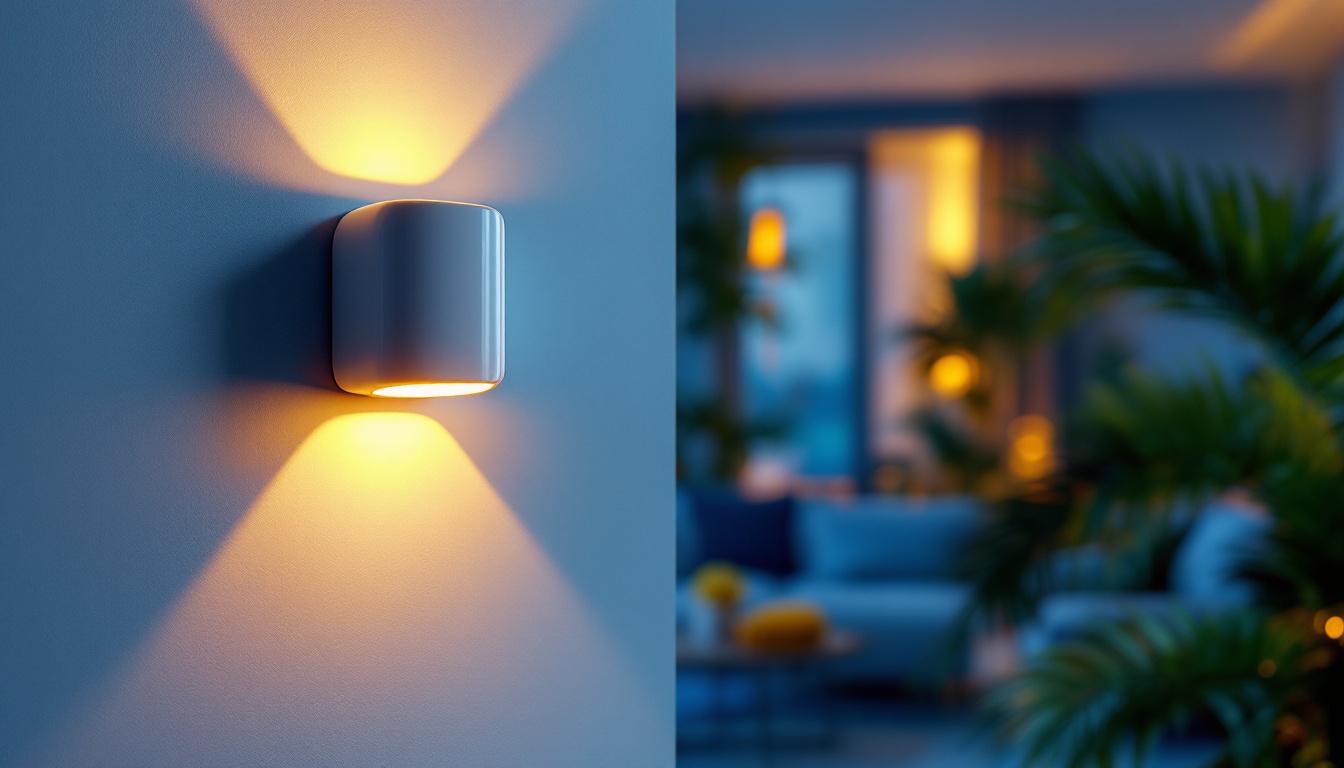
In the evolving landscape of home automation and energy efficiency, light motion sensors have become a pivotal component for lighting contractors aiming to deliver smarter, more sustainable lighting solutions. These sensors detect movement within a designated area and automatically control lighting fixtures, turning them on or off accordingly. This technology not only enhances convenience for homeowners but also significantly boosts the efficiency of lighting projects. By using light motion sensors, homeowners can enjoy well-lit spaces when they need them, while also minimizing energy waste during periods of inactivity.
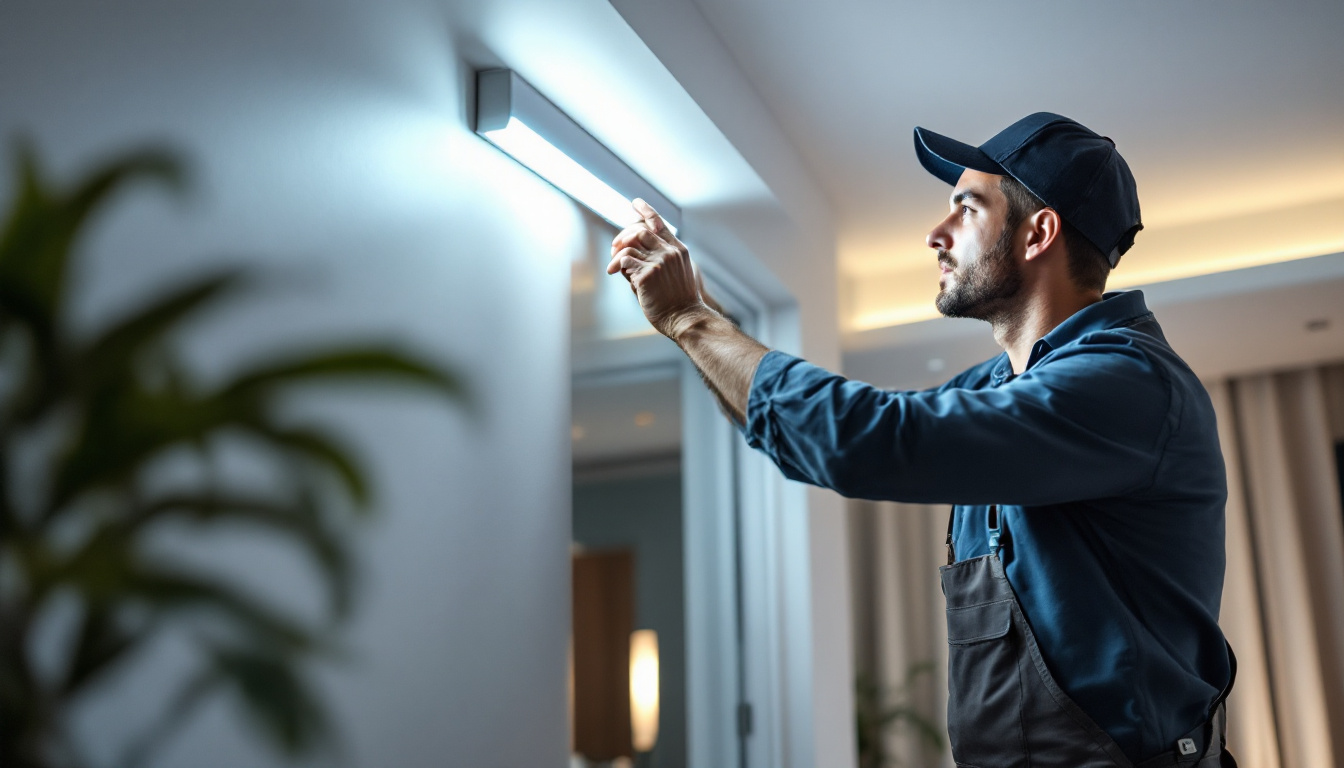
For lighting contractors, understanding the integration and benefits of light motion sensors is essential to meet the growing demand for intelligent home lighting systems. Incorporating these sensors can streamline installation processes, reduce operational costs, and improve client satisfaction by providing adaptive lighting environments. Moreover, the versatility of these sensors allows for various applications, from outdoor security lighting that activates when someone approaches, to indoor systems that illuminate hallways or bathrooms when someone enters. This adaptability not only enhances safety and security but also contributes to a more user-friendly experience in everyday living.
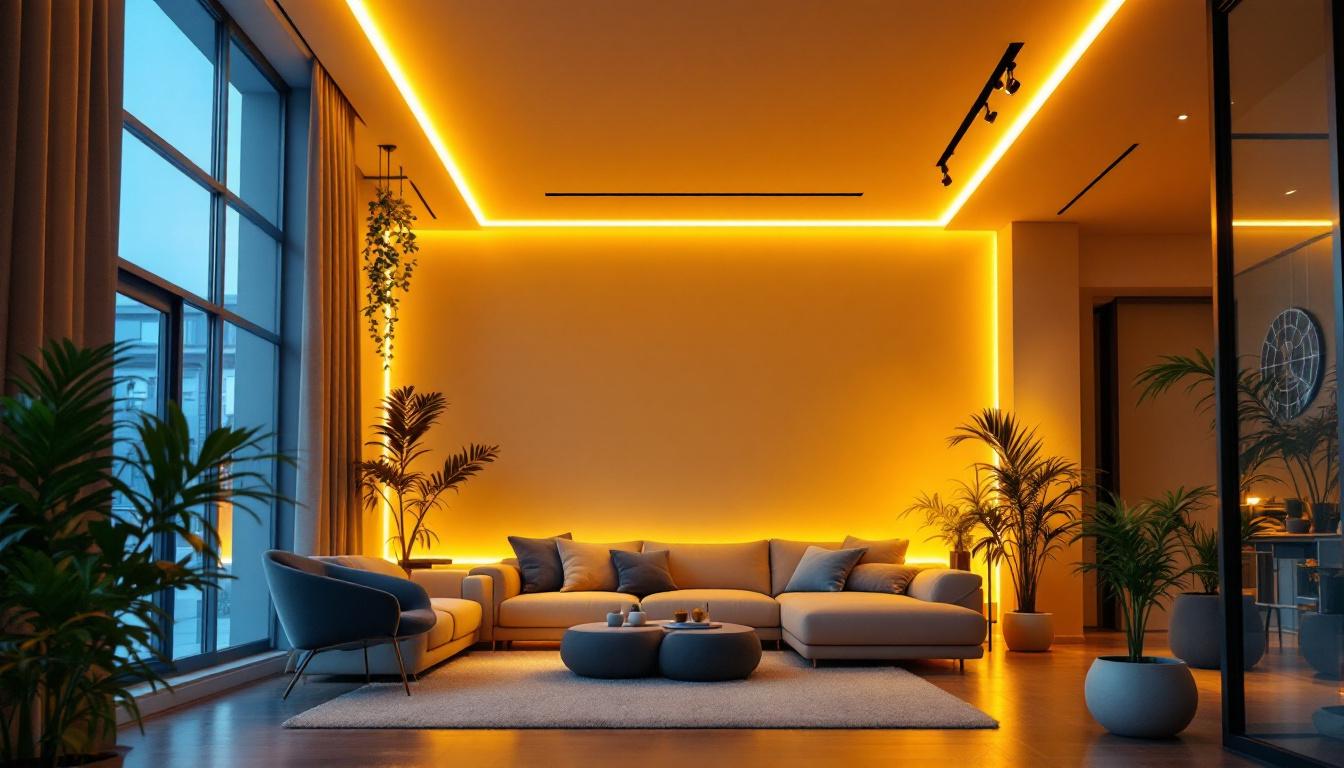
As technology advances, the capabilities of light motion sensors continue to expand. Many modern sensors are equipped with advanced features such as adjustable sensitivity settings and timers, allowing homeowners to customize their lighting experience based on their specific needs and preferences. Some models even integrate with smart home systems, enabling users to control their lighting remotely via smartphones or voice-activated devices. This level of control not only promotes energy savings but also adds a layer of sophistication to residential lighting, making homes more responsive to the lifestyles of their inhabitants.
Furthermore, the environmental impact of implementing light motion sensors cannot be overlooked. By reducing unnecessary energy consumption, these sensors contribute to lower electricity bills and a smaller carbon footprint. As more homeowners become environmentally conscious, the demand for energy-efficient solutions like motion sensors is likely to increase. Lighting contractors who stay ahead of this trend by offering innovative and eco-friendly options will not only attract more clients but also play a crucial role in fostering sustainable living practices within their communities.
How Light Motion Sensors Work and Their Types
Basic Functionality
Light motion sensors operate by detecting infrared radiation emitted by moving objects, typically human bodies, within their field of view. When motion is detected, the sensor sends a signal to the lighting system to activate or deactivate the lights. This automation eliminates the need for manual switching, ensuring lights are only on when necessary. The technology behind these sensors is rooted in the principles of thermodynamics and wave propagation, allowing them to distinguish between living beings and inanimate objects effectively.
Modern sensors often include adjustable sensitivity and timing settings, allowing contractors to customize their performance based on room size, traffic patterns, and client preferences. This flexibility is crucial for optimizing energy savings and user experience. For instance, in a busy office environment, a sensor can be calibrated to have a shorter delay before turning off lights, ensuring that energy is conserved without compromising on illumination when people are present. Additionally, some systems are equipped with daylight harvesting features that adjust the lighting based on the amount of natural light available, further enhancing energy efficiency.
Types of Motion Sensors Commonly Used in Homes
There are primarily two types of motion sensors used in residential lighting projects:
- Passive Infrared (PIR) Sensors: These sensors detect heat emitted by living beings. They are widely used due to their reliability and cost-effectiveness. PIR sensors are ideal for indoor applications such as hallways, bathrooms, and living rooms. Their simple design and low power consumption make them a popular choice for homeowners looking to enhance security and convenience without breaking the bank.
- Ultrasonic Sensors: These emit ultrasonic waves and measure the reflection to detect motion. They can cover a broader area and are more sensitive to minor movements, making them suitable for larger spaces or areas with obstacles. These sensors are particularly beneficial in environments where people may be moving slowly or where pets might trigger a PIR sensor unnecessarily.
Some advanced systems combine both PIR and ultrasonic technologies to minimize false triggers and enhance detection accuracy. This hybrid approach allows for a more nuanced understanding of the environment, ensuring that lights activate only when truly needed. Furthermore, the integration of smart home technology into these sensors has led to the development of systems that can be controlled remotely via smartphones or integrated into home automation systems, providing users with even greater control over their lighting and energy consumption. As technology continues to evolve, the potential applications for motion sensors in residential settings are expanding, paving the way for smarter, more efficient homes.
Benefits of Using Light Motion Sensors in Home Lighting Projects
Energy Efficiency and Cost Savings
One of the most compelling reasons to incorporate motion sensors in lighting projects is the substantial energy savings they offer. According to energy studies, lighting accounts for a significant portion of residential electricity consumption. By ensuring lights operate only when rooms are occupied, motion sensors can reduce unnecessary energy use by up to 30-50%.
For homeowners, this translates into lower utility bills and a reduced environmental footprint. For contractors, promoting these benefits can be a strong selling point that differentiates their services in a competitive market.
Enhanced User Convenience and Safety
Motion-activated lighting improves convenience by eliminating the need to manually switch lights on and off, especially in frequently used areas such as staircases, garages, and entryways. This is particularly beneficial for elderly residents or individuals with mobility challenges.
Additionally, automatic lighting enhances safety by illuminating spaces immediately upon detecting movement, reducing the risk of trips and falls in dark areas. This feature is valuable in both indoor and outdoor settings, such as pathways and porches.
Extended Lifespan of Lighting Fixtures
By limiting the operational time of lighting fixtures, motion sensors help extend their lifespan. Reduced usage means less wear and tear on bulbs and electronic components, which can decrease maintenance frequency and replacement costs over time.
Implementing Light Motion Sensors: Best Practices for Lighting Contractors
Assessing the Project Requirements
Before installation, contractors should conduct a thorough assessment of the home’s layout, occupancy patterns, and lighting needs. Understanding the specific use cases for each room or area ensures the selection of appropriate sensor types and settings.
For example, high-traffic areas may require sensors with quick response times and adjustable sensitivity, while bedrooms might benefit from sensors with delayed turn-off timers to avoid abrupt darkness.
Sensor Placement and Coverage Optimization
Proper placement is critical to maximize sensor effectiveness. Sensors should be positioned to cover all entry points and activity zones without being obstructed by furniture or architectural elements. Overlapping sensor coverage can help eliminate blind spots.
Lighting contractors must also consider environmental factors such as sunlight exposure and temperature variations, which can affect sensor performance. Using sensors with ambient light detection can prevent lights from turning on unnecessarily during daylight hours.
Integration with Smart Home Systems
Integrating motion sensors with smart home platforms enhances functionality and user control. Contractors should be familiar with popular systems that allow homeowners to customize sensor behavior remotely, set schedules, and monitor energy usage.
Compatibility with voice assistants and mobile apps can further improve the user experience, making the lighting system more intuitive and adaptable to changing needs.
Case Studies: Real-World Applications and Outcomes
Residential Retrofit Project
A lighting contractor undertook a retrofit project in a multi-room home, replacing traditional switches with motion sensors in hallways, bathrooms, and the kitchen. The project resulted in a 40% reduction in lighting energy consumption, with homeowners reporting increased convenience and satisfaction.
The contractor leveraged the energy savings data to market similar upgrades to other clients, demonstrating the tangible benefits of sensor integration.
New Construction Smart Home
In a newly constructed smart home, motion sensors were integrated with LED lighting and a centralized control system. The sensors were programmed with customized timing and sensitivity settings for each room, optimizing both comfort and efficiency.
This approach not only enhanced the home’s appeal but also contributed to achieving energy certification standards, adding value to the property.
Challenges and Considerations in Using Light Motion Sensors
False Triggers and Sensor Limitations
One common challenge is false triggering caused by pets, HVAC airflow, or reflective surfaces. Selecting sensors with adjustable sensitivity and combining different sensor types can mitigate these issues.
Contractors should also educate homeowners on sensor capabilities and limitations to set realistic expectations and reduce potential frustration.
Cost Implications and ROI
While motion sensors add upfront costs to lighting projects, the long-term savings in energy and maintenance often justify the investment. Contractors can provide clients with detailed cost-benefit analyses to illustrate the return on investment.
Bulk purchasing and streamlined installation processes can further reduce expenses, making sensor-equipped lighting more accessible.
Future Trends in Motion Sensor Lighting for Homes
Advancements in sensor technology continue to enhance the efficiency and intelligence of home lighting systems. Emerging trends include integration with artificial intelligence to learn occupant behavior, improved wireless connectivity for easier installation, and enhanced compatibility with renewable energy sources.
Lighting contractors who stay abreast of these developments will be well-positioned to offer cutting-edge solutions that meet evolving homeowner expectations.
Conclusion
Light motion sensors represent a transformative opportunity for lighting contractors to increase the efficiency and appeal of residential lighting projects. By leveraging their energy-saving capabilities, enhancing user convenience, and integrating with smart home technologies, contractors can deliver superior value to clients while advancing sustainable building practices.
Careful planning, expert installation, and ongoing education are key to maximizing the benefits of motion sensor lighting. As the demand for intelligent home solutions grows, embracing this technology will be essential for contractors seeking to remain competitive and responsive to market trends.
Illuminate Your Projects with LumenWholesale
Ready to elevate your lighting projects with the efficiency and sophistication of light motion sensors? At LumenWholesale, we provide lighting contractors with the finest selection of spec-grade lighting products, including advanced motion sensors, at unbeatable wholesale prices. Say goodbye to local distributor markups and hello to our direct-to-you savings, comprehensive selection, and the convenience of free shipping on bulk orders. Enhance your lighting projects while maximizing value and client satisfaction. Discover the perfect fusion of quality, affordability, and convenience. Visit LumenWholesale now for Wholesale Lighting at the Best Value.