Understanding the Importance of Proper LED Light Strip Selection
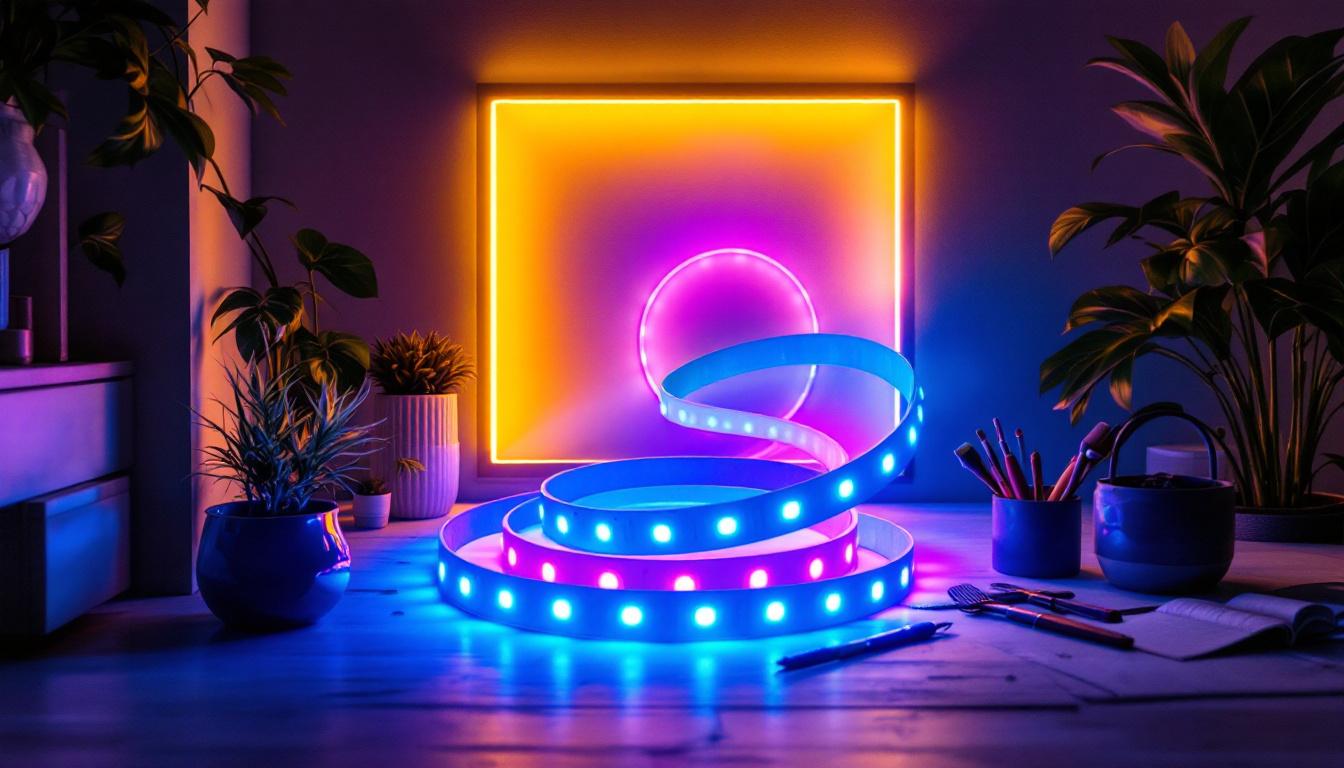
LED light strips have revolutionized the lighting industry, offering versatile, energy-efficient, and aesthetically pleasing solutions for a wide range of applications. For lighting contractors, selecting the right LED light strip is crucial—not only for the success of the project but also to avoid costly mistakes that can arise from improper choices.
One of the most common errors is underestimating the significance of quality and specifications. Not all LED strips are created equal; variations in brightness, color rendering, waterproofing, and power consumption can dramatically affect the outcome. For example, a strip with a low Color Rendering Index (CRI) may fail to showcase colors accurately, which is especially problematic in retail or hospitality environments where ambiance is key.
Moreover, understanding the environment where the LED strips will be installed is essential. Indoor installations differ vastly from outdoor or damp locations, requiring different IP ratings (Ingress Protection) to ensure durability and safety. Overlooking these factors can lead to premature failure, warranty claims, and ultimately, dissatisfied clients.
Key Specifications to Consider
When selecting LED light strips, contractors should pay attention to:
- Brightness (Lumens): Ensures adequate illumination for the intended space.
- Color Temperature: Ranges from warm white to cool white, affecting mood and functionality.
- CRI (Color Rendering Index): Higher CRI values (above 80) provide better color accuracy.
- IP Rating: Determines resistance to dust and water; critical for outdoor or wet areas.
- Voltage and Power Requirements: Compatibility with existing electrical systems avoids overloads or insufficient power.
In addition to these specifications, it is also important to consider the length and flexibility of the LED light strips. Many projects may require custom lengths to fit specific spaces, and choosing strips that can be cut or extended without compromising performance can save time and resources. Furthermore, the flexibility of the strips allows for creative installations, such as wrapping around corners or fitting into tight spaces, which can enhance the overall design and functionality of the lighting scheme.
Another aspect to consider is the type of adhesive backing on the LED strips. Some strips come with strong adhesive that can withstand various environmental conditions, while others may require additional mounting hardware for secure installation. This is particularly important in areas with high humidity or temperature fluctuations, where poor adhesion can lead to strips peeling away over time. By thoroughly assessing these factors, contractors can ensure that their lighting solutions not only meet aesthetic demands but also stand the test of time in their intended environments.
Planning and Design: The Blueprint for Success
Before purchasing LED strips, thorough planning and design are indispensable. Lighting contractors must collaborate closely with clients to understand their vision, functional requirements, and budget constraints. This stage is where many costly mistakes can be prevented. Engaging in open dialogue with clients about their preferences for color temperature, brightness levels, and control options can lead to a more tailored lighting solution that meets their specific needs. Furthermore, discussing the intended use of the space—whether it’s for ambiance, task lighting, or accent features—can significantly influence the choice of LED products and installation techniques.
Accurate measurements and layout planning ensure that the LED strips fit perfectly and provide uniform lighting without dark spots or excessive overlaps. Using lighting design software or CAD tools can help visualize the final installation and calculate power needs precisely. Additionally, creating a mock-up or prototype of the lighting design can be beneficial, allowing clients to see how the lighting will interact with the space before the final installation. This step can also facilitate adjustments based on client feedback, ensuring satisfaction with the end result.
Calculating Power and Voltage Requirements
One of the technical pitfalls in LED strip installations is miscalculating power consumption and voltage drop. LED strips typically come in 12V or 24V versions, and longer runs can experience voltage drop, leading to dimmer lights at the far end of the strip. To mitigate this, contractors should:
- Limit the length of continuous runs according to manufacturer recommendations.
- Use power injection points or multiple power supplies for longer installations.
- Choose higher voltage strips (24V) when longer runs are necessary, as they are less prone to voltage drop.
Failing to address these issues can result in uneven lighting and increased maintenance costs. Moreover, understanding the total wattage requirements is crucial for selecting appropriate circuit breakers and ensuring that the electrical system can handle the load without tripping. It is also wise to consider future expansion possibilities, as clients may want to add more lighting elements later on. Planning for these contingencies can save time and resources down the line.
Considering Heat Dissipation and Mounting Surfaces
LED strips generate heat during operation, which if not managed properly, can reduce lifespan and performance. Installing strips on heat-conductive surfaces like aluminum channels can help dissipate heat effectively. Avoid mounting on surfaces that trap heat or are not rated for electrical installations. Additionally, incorporating thermal management strategies, such as spacing strips adequately or using heat sinks, can further enhance the longevity and efficiency of the lighting system. Understanding the ambient temperature of the installation environment is also vital; for instance, areas with high humidity or extreme temperatures may require special considerations to ensure optimal performance.
Installation Best Practices to Avoid Common Pitfalls
Even with the best products and planning, improper installation can sabotage a lighting project. Lighting contractors must adhere to industry standards and manufacturer instructions to ensure safety, functionality, and longevity.
Surface Preparation and Adhesion
Many LED strips come with adhesive backing, but this alone may not guarantee a secure installation. Surfaces should be clean, dry, and free of dust or grease to maximize adhesion. For challenging surfaces, additional mounting options such as clips or channels are recommended. It’s also important to consider the temperature of the installation environment; extreme cold or heat can affect the adhesive’s performance. For instance, if the installation is taking place in a garage or an outdoor setting during winter, warming the surface slightly before application can enhance adhesion significantly.
Wiring and Electrical Connections
Electrical wiring is another area prone to errors. Incorrect polarity, loose connections, or insufficient wire gauge can cause flickering, shorts, or even fire hazards. Contractors should:
- Use appropriate wire gauges based on current load and distance.
- Ensure all connections are secure and insulated.
- Follow local electrical codes and standards.
- Test the system thoroughly before finalizing the installation.
Moreover, it’s advisable to document the wiring layout and connections for future reference. This can be invaluable for troubleshooting any issues that may arise later. Additionally, using color-coded wires can help simplify the identification of connections and enhance overall safety during maintenance.
Environmental and Safety Considerations
When installing LED strips outdoors or in wet environments, waterproofing and protection against physical damage are critical. Using strips with adequate IP ratings and protective housings can prevent water ingress and extend the lifespan of the installation.
Additionally, contractors should consider the impact of ambient temperature and exposure to UV light, which can degrade some LED strip materials over time. It’s wise to choose LED products that are specifically designed for outdoor use, as these typically feature enhanced UV resistance and rugged construction. Furthermore, integrating features like motion sensors or timers can optimize energy efficiency and enhance safety by ensuring that lights are only on when needed, reducing the risk of overheating and prolonging the life of the installation.
Maintenance and Troubleshooting: Protecting Your Investment
Proper maintenance is vital to ensure the longevity and performance of LED light strip installations. Lighting contractors should educate clients on basic care and provide guidance on troubleshooting common issues.
Routine Inspection and Cleaning
Dust and dirt accumulation can reduce light output and cause overheating. Regular cleaning with a soft, dry cloth helps maintain optimal brightness. Avoid using harsh chemicals or abrasive materials that could damage the strip or its protective coating.
Identifying and Addressing Common Problems
Some typical issues include flickering, dimming, or sections of the strip not lighting up. These can often be traced to:
- Loose or damaged connections.
- Voltage drop or power supply issues.
- Physical damage to the strip.
- Overheating due to poor heat dissipation.
Promptly addressing these problems can prevent further damage and costly repairs.
Choosing the Right Supplier: Quality and Support Matter
Partnering with a reputable LED light strip supplier is essential for ensuring product quality, availability, and after-sales support. Lighting contractors should seek suppliers who provide comprehensive technical documentation, warranty coverage, and responsive customer service.
Buying from trusted sources reduces the risk of counterfeit or substandard products, which can lead to project delays and increased costs. Additionally, suppliers who offer customization options and bulk purchasing can help contractors tailor solutions to specific project needs and optimize budgets.
Evaluating Supplier Credentials
Before committing to a supplier, consider:
- Product certifications and compliance with safety standards.
- Customer reviews and industry reputation.
- Availability of technical support and training resources.
- Lead times and logistics capabilities.
Conclusion: Strategic Planning and Execution for Successful LED Lighting Projects
LED light strips offer unparalleled flexibility and efficiency for modern lighting projects, but avoiding costly mistakes requires a strategic approach. From selecting the right product and meticulous planning to professional installation and ongoing maintenance, every step plays a crucial role in delivering high-quality, durable lighting solutions.
Lighting contractors who invest time in understanding technical specifications, adhere to best practices, and collaborate with reliable suppliers position themselves for success and client satisfaction. By doing so, they not only protect their reputation but also contribute to the growing demand for sustainable and innovative lighting designs.
Illuminate Your Projects with LumenWholesale
Ready to elevate your lighting projects with the highest quality LED light strips? At LumenWholesale, we provide lighting contractors with spec-grade lighting solutions that combine quality, affordability, and convenience. Say goodbye to inflated markups and hello to our unbeatable wholesale prices, backed by free shipping on bulk orders. Don’t compromise on your lighting needs—choose LumenWholesale for reliable, high-performance lighting that meets the most rigorous industry standards. Visit us now for Wholesale Lighting at the Best Value and make your next project shine without the stress.