Introduction to LED Replacement Recessed Lights
In the evolving landscape of lighting technology, LED replacement recessed lights have emerged as a cornerstone for energy-efficient solutions. For lighting contractors, understanding the nuances and benefits of these fixtures is essential not only for meeting client expectations but also for contributing to sustainable building practices.
Recessed lighting, often favored for its sleek, unobtrusive design, has traditionally relied on incandescent or halogen bulbs. However, these older technologies consume significantly more energy and have shorter lifespans compared to modern LED alternatives. The transition to LED replacement recessed lights represents a pivotal shift towards reducing energy consumption while maintaining or enhancing lighting quality.
One of the most compelling advantages of LED recessed lights is their longevity. While traditional bulbs may last around 1,000 hours, LED options can shine brightly for up to 25,000 hours or more, drastically reducing the frequency of replacements and the associated maintenance costs. This durability not only benefits the end-user but also lessens the environmental impact by minimizing waste. Furthermore, LEDs generate significantly less heat than their incandescent counterparts, which means they are not only safer to use but also contribute to lower cooling costs in warmer climates.
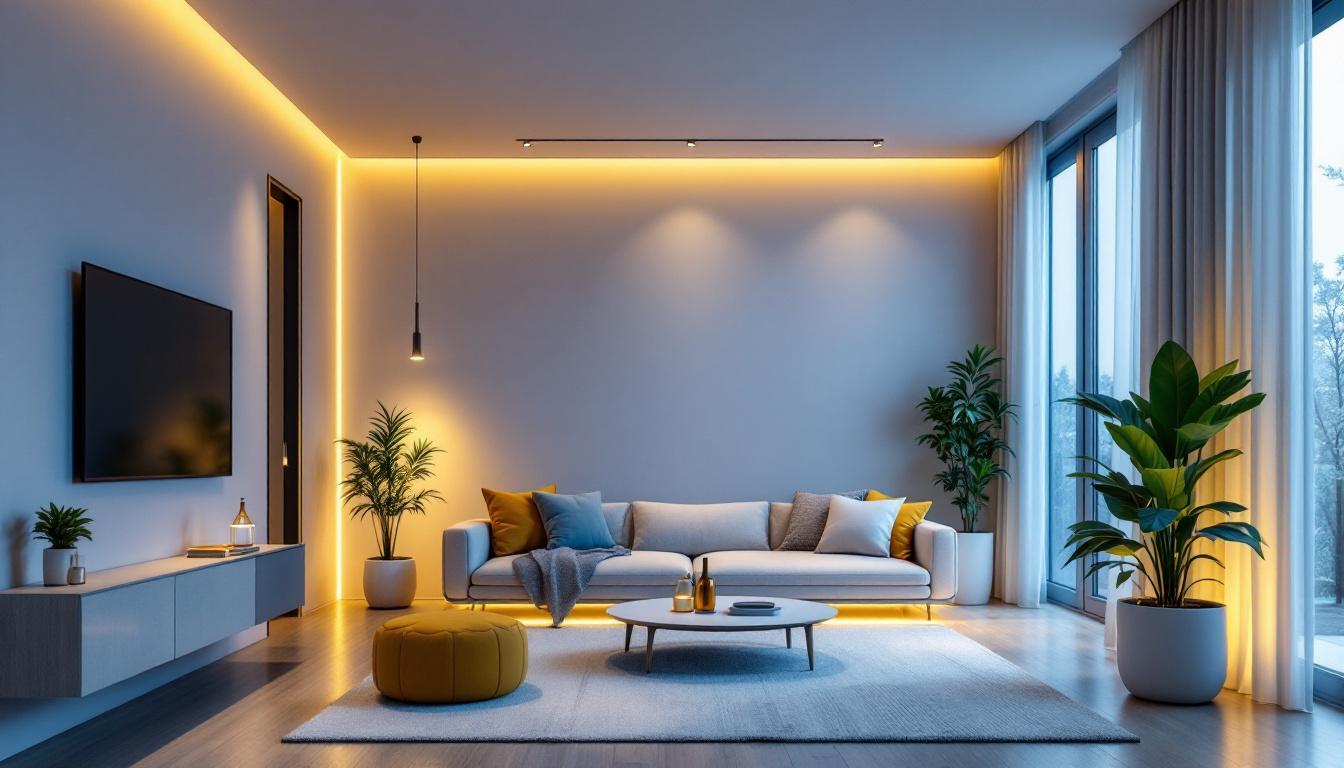
Additionally, the versatility of LED recessed lights allows for a wide range of applications, from residential to commercial settings. They come in various color temperatures, enabling users to create the desired ambiance in any space—whether it’s a warm, inviting glow for a living room or a bright, energizing light for a workspace. Many LED recessed lights are also compatible with smart home systems, allowing for seamless integration and control through mobile devices. This adaptability makes them an appealing choice for modern consumers who prioritize both aesthetics and functionality in their lighting solutions.
Energy Efficiency Advantages of LED Replacement Recessed Lights
Reduced Power Consumption
One of the most compelling reasons for adopting LED replacement recessed lights is their dramatically lower power consumption. LEDs use up to 75% less energy than incandescent bulbs and approximately 50% less than halogen lamps. For lighting contractors, this translates into the ability to offer clients lighting solutions that significantly reduce electricity bills without compromising brightness or ambiance.
Moreover, LEDs convert a higher percentage of electrical energy into visible light rather than heat, which means less wasted energy. This efficiency is especially important in recessed lighting applications where heat dissipation can be a challenge due to confined spaces. In addition to the immediate financial benefits, lower energy consumption also contributes to a reduced carbon footprint, making LED lighting a more environmentally friendly choice. As more consumers prioritize sustainability, the adoption of LED technology aligns perfectly with the growing demand for eco-conscious solutions.
Longevity and Maintenance Benefits
LED replacement recessed lights typically boast lifespans of 25,000 to 50,000 hours, far surpassing traditional bulbs that often require frequent replacement. This longevity reduces maintenance costs and labor for both contractors and building owners, making LEDs an attractive investment over the long term.
For commercial and residential projects alike, the reduced frequency of bulb changes minimizes disruption and enhances the overall value proposition of LED lighting systems. Contractors can leverage this advantage to position LED solutions as both cost-effective and user-friendly. Furthermore, the durability of LEDs means they are less prone to breakage and damage, which is particularly beneficial in high-traffic areas or installations where access may be difficult. This resilience not only enhances safety but also ensures that the lighting remains consistent and reliable over time, further solidifying the case for switching to LED technology.
Impact on Building Energy Codes and Sustainability Goals
Compliance with Energy Standards
Energy codes and standards are becoming increasingly stringent worldwide, with many jurisdictions mandating the use of energy-efficient lighting in new constructions and renovations. LED replacement recessed lights help contractors ensure compliance with these regulations, which often focus on reducing overall building energy consumption and carbon footprint.
By integrating LED recessed fixtures, contractors can assist clients in meeting or exceeding requirements set by programs such as ENERGY STAR, LEED certification, and other green building initiatives. This compliance not only avoids potential penalties but also enhances the marketability of the property. Furthermore, as energy codes evolve, staying ahead of these changes can provide a competitive edge in the marketplace, allowing contractors to showcase their commitment to innovation and sustainability.
Contribution to Sustainable Building Practices
Beyond regulatory compliance, LED recessed lights contribute meaningfully to broader sustainability goals. Their energy efficiency reduces greenhouse gas emissions associated with electricity generation, aligning with global efforts to combat climate change.
Contractors who advocate for LED lighting solutions position themselves as partners in sustainability, appealing to environmentally conscious clients and stakeholders. This alignment can open doors to projects with a focus on green building and corporate social responsibility. Additionally, the long lifespan of LED fixtures means less frequent replacements, leading to reduced waste and lower demand for raw materials, which further supports sustainable practices. As the construction industry increasingly embraces circular economy principles, the use of durable and recyclable materials in lighting solutions becomes a key consideration, enhancing the overall sustainability profile of a project.
Technical Considerations for Lighting Contractors
Compatibility and Retrofit Challenges
When replacing traditional recessed lights with LED alternatives, contractors must assess the compatibility of new fixtures with existing housings and electrical systems. LED retrofit kits are designed to fit into standard recessed housings, but variations in size, trim style, and electrical requirements can pose challenges.
Proper evaluation ensures optimal performance and safety. For example, ensuring the LED fixture is rated for the existing housing’s insulation contact (IC) and damp location suitability is critical to avoid overheating and code violations. Additionally, contractors should be aware of the potential need for modifications to the existing wiring or junction boxes, especially in older homes where electrical systems may not meet current standards. This proactive approach not only enhances safety but also improves the longevity and reliability of the lighting installation.
Color Temperature and Light Quality
LED technology offers a wide range of color temperatures, from warm white to daylight, allowing contractors to tailor lighting schemes to the desired ambiance and function. Achieving the right color rendering index (CRI) is also vital, as it affects how colors appear under the light.
High-quality LED recessed lights typically provide CRI values above 80, which is suitable for most residential and commercial applications. Contractors should educate clients on these aspects to ensure satisfaction with the final lighting environment. Furthermore, understanding the psychological effects of different color temperatures can help contractors make informed recommendations; for instance, warmer tones can create a cozy atmosphere in living spaces, while cooler tones are often preferred in work environments for their ability to enhance focus and productivity.
Dimming Capabilities and Controls
Modern LED recessed lights often support dimming, which can further enhance energy savings and user comfort. However, not all LED fixtures are compatible with existing dimmer switches, necessitating careful selection and sometimes upgrading of control systems.
Incorporating smart lighting controls, such as occupancy sensors and programmable dimmers, can optimize energy efficiency even further. Lighting contractors can differentiate their services by offering integrated solutions that maximize the benefits of LED technology. Additionally, educating clients about the advantages of smart lighting systems—such as remote access via smartphone apps and the ability to set lighting schedules—can significantly enhance user experience and convenience. As the demand for energy-efficient and customizable lighting solutions continues to grow, staying informed about the latest technologies will empower contractors to provide cutting-edge services that meet evolving client needs.
Economic Impact and Return on Investment
Initial Costs Versus Long-Term Savings
While LED replacement recessed lights typically have a higher upfront cost compared to traditional bulbs, the total cost of ownership is significantly lower over time. Energy savings, reduced maintenance, and longer lifespan contribute to a compelling return on investment (ROI).
Contractors should communicate these financial benefits clearly to clients, using case studies and energy savings calculators to illustrate potential reductions in utility bills and maintenance expenses. This approach helps overcome initial cost concerns and supports informed decision-making.
Incentives and Rebates
Many utility companies and government programs offer incentives and rebates for installing energy-efficient lighting, including LED recessed fixtures. These financial incentives can offset initial costs and accelerate ROI.
Contractors who stay informed about available programs can assist clients in navigating application processes, making LED upgrades more accessible and attractive. This service adds value and strengthens client relationships.
Case Studies Demonstrating Impact
Commercial Office Retrofit
A commercial office building replaced all incandescent recessed lights with LED retrofit kits, resulting in a 60% reduction in lighting energy consumption. The project also decreased maintenance visits by 80%, thanks to the extended lifespan of LED fixtures. The building achieved LEED certification points for energy efficiency, enhancing its market appeal.
Residential Renovation Project
In a residential renovation, LED replacement recessed lights were installed to improve lighting quality and reduce energy costs. The homeowner reported a noticeable improvement in ambiance and a 50% reduction in monthly lighting expenses. The contractor leveraged this success to build a portfolio of energy-efficient home upgrades.
Conclusion: The Strategic Role of LED Replacement Recessed Lights
For lighting contractors, embracing LED replacement recessed lights is more than a technological upgrade—it is a strategic imperative. These fixtures deliver substantial energy efficiency gains, compliance with evolving codes, and alignment with sustainability goals, all while enhancing client satisfaction and project value.
By mastering the technical, economic, and regulatory aspects of LED recessed lighting, contractors can position themselves as leaders in the industry. The transition to LED technology represents a win-win scenario: reduced environmental impact and improved economic outcomes for clients and contractors alike.
Illuminate Your Projects with LumenWholesale
Ready to elevate your lighting projects with the energy efficiency and sustainability of LED replacement recessed lights? Look no further than LumenWholesale for a seamless transition. Our commitment to providing contractors with superior, spec-grade lighting products at unbeatable wholesale prices ensures your projects shine without breaking the bank. With our vast selection adhering to the highest industry standards, you can trust in the reliability and performance of our lighting solutions. Plus, with the convenience of free shipping on bulk orders, you can enjoy the best value without any hidden costs. Make the strategic choice for your lighting needs and experience the best in wholesale lighting at LumenWholesale.