Understanding Hazardous Location Lighting: The Foundation for Cost Efficiency
Hazardous location lighting fixtures are specialized products designed to operate safely in environments where flammable gases, vapors, dust, or fibers are present. For lighting contractors, these fixtures present unique challenges and opportunities. Understanding the technical and regulatory landscape is essential to implementing cost-saving strategies without compromising safety or compliance.
Lighting contractors must navigate complex classifications such as Class I, II, and III locations, each with divisions or zones that dictate the type of lighting equipment permitted. These classifications are governed by standards like the National Electrical Code (NEC) and Underwriters Laboratories (UL), which ensure that lighting fixtures can withstand potentially explosive atmospheres.
Investing time upfront to thoroughly understand these classifications and requirements can prevent costly mistakes such as product returns, rework, or even fines. Moreover, selecting the right fixture for the right environment reduces maintenance costs and extends fixture lifespan, contributing to overall project savings.
In addition to understanding classifications, lighting contractors should also be aware of the various technologies available in hazardous location lighting. For instance, LED fixtures are becoming increasingly popular due to their energy efficiency, long lifespan, and lower heat output, which can be crucial in preventing ignition in volatile environments. Furthermore, advancements in smart lighting technology are paving the way for enhanced monitoring and control, allowing contractors to optimize energy usage and improve safety protocols. By leveraging these modern technologies, contractors can not only meet regulatory requirements but also provide clients with sustainable solutions that yield long-term savings.
Moreover, the importance of proper installation and regular maintenance cannot be overstated in hazardous locations. Even the most advanced lighting fixtures can fail if not installed correctly or if they are not regularly inspected for wear and tear. Implementing a comprehensive maintenance schedule that includes routine checks and timely replacements can significantly enhance the reliability of the lighting system. This proactive approach not only ensures compliance with safety regulations but also minimizes downtime, which can be particularly costly in industrial settings. By fostering a culture of safety and diligence, lighting contractors can build lasting relationships with clients, ultimately leading to repeat business and referrals in a competitive market.
Choosing the Right Fixtures: Balancing Quality, Compliance, and Cost
Prioritize Energy Efficiency and Durability
Energy consumption is a significant operational cost in hazardous locations, especially in industrial or commercial settings where lighting runs continuously. Opting for LED hazardous location fixtures can drastically reduce energy bills compared to traditional incandescent or fluorescent options. LEDs also offer longer lifespans—often exceeding 50,000 hours—which means fewer replacements and less labor involved in maintenance. Moreover, many LED fixtures come equipped with smart technology that allows for dimming and motion sensing, further enhancing energy savings by ensuring lights are only on when needed.
Durability is equally important. Fixtures made from corrosion-resistant materials such as stainless steel or heavy-duty aluminum reduce the risk of damage in harsh environments, minimizing downtime and replacement expenses. Although these fixtures may have a higher initial cost, their longevity and reliability often translate into lower total cost of ownership. Additionally, many manufacturers offer warranties that cover defects and performance issues, providing peace of mind and further safeguarding your investment over time. This is particularly crucial in hazardous locations where safety and compliance are paramount, as any failure in lighting can lead to serious safety risks and regulatory penalties.
Leverage Modular and Multi-Purpose Designs
Modular lighting systems that allow for easy upgrades or component replacements can be a cost-effective choice. For example, fixtures with interchangeable LED modules or lenses enable contractors to adapt lighting levels or beam angles without replacing the entire fixture. This flexibility reduces inventory costs and allows for customization based on client needs. Additionally, modular designs can facilitate the integration of advanced features such as emergency lighting or smart controls, which can be particularly beneficial in dynamic work environments where conditions frequently change.
Multi-purpose fixtures that meet multiple hazardous location classifications or can be used in various environments also help reduce the number of SKUs a contractor needs to stock. This streamlines procurement and storage, ultimately lowering overhead. Furthermore, the versatility of these fixtures can enhance project efficiency, as they can be deployed across different areas of a facility without the need for extensive retraining or adjustments. This adaptability not only simplifies installation but also ensures that lighting solutions can evolve alongside operational needs, making them a wise investment for future-proofing your facilities.
Procurement Strategies: Maximizing Value Through Smart Purchasing
Establish Strong Supplier Relationships
Building partnerships with reputable manufacturers and distributors can unlock volume discounts, priority shipping, and technical support. Contractors who consistently source hazardous location lighting from trusted suppliers often benefit from better pricing and access to the latest product innovations.
Additionally, suppliers familiar with hazardous location requirements can assist in selecting compliant fixtures, reducing the risk of costly specification errors. Investing in supplier relationships is a strategic move that pays dividends through improved project timelines and cost control. Strong partnerships can also lead to collaborative opportunities, such as joint marketing initiatives or co-hosted training sessions, which can enhance the contractor’s visibility in the market and showcase their commitment to quality and safety.
Moreover, regular communication with suppliers can lead to insights on upcoming trends and technologies, allowing contractors to stay ahead of the competition. By engaging in open dialogues, contractors can also negotiate better terms and conditions, ensuring that they receive the most favorable deals possible. This proactive approach not only strengthens the relationship but also positions the contractor as a key player in the supply chain, fostering loyalty and reliability.
Bulk Purchasing and Standardization
Standardizing fixture types across multiple projects enables bulk purchasing, which typically results in significant cost savings. Contractors should analyze upcoming projects to identify opportunities for standardization without sacrificing client-specific requirements.
Bulk orders not only reduce per-unit costs but also minimize shipping expenses and administrative overhead. Furthermore, standardization simplifies training for installation crews, reducing labor time and errors. By implementing a standardized inventory system, contractors can streamline their procurement processes, making it easier to track stock levels and reorder supplies as needed.
In addition to cost benefits, standardization can enhance the overall quality of installations. When crews are familiar with specific fixtures and their installation processes, they can work more efficiently and effectively, leading to higher-quality outcomes. This consistency can also improve safety, as crews become adept at handling familiar equipment, reducing the likelihood of accidents or mishaps on the job site. Furthermore, a standardized approach can simplify warranty management and maintenance, as contractors can more easily address issues that arise with commonly used products.
Installation Best Practices: Reducing Labor Costs and Enhancing Safety
Pre-Planning and Site Assessment
Thorough site assessments before installation help identify potential hazards and logistical challenges. This proactive approach allows contractors to plan for appropriate equipment, tools, and personnel, minimizing delays and unexpected costs.
Pre-planning also includes verifying power availability, mounting surfaces, and environmental conditions, ensuring that the selected fixtures are suitable and that installation proceeds smoothly.
Utilize Efficient Mounting and Wiring Techniques
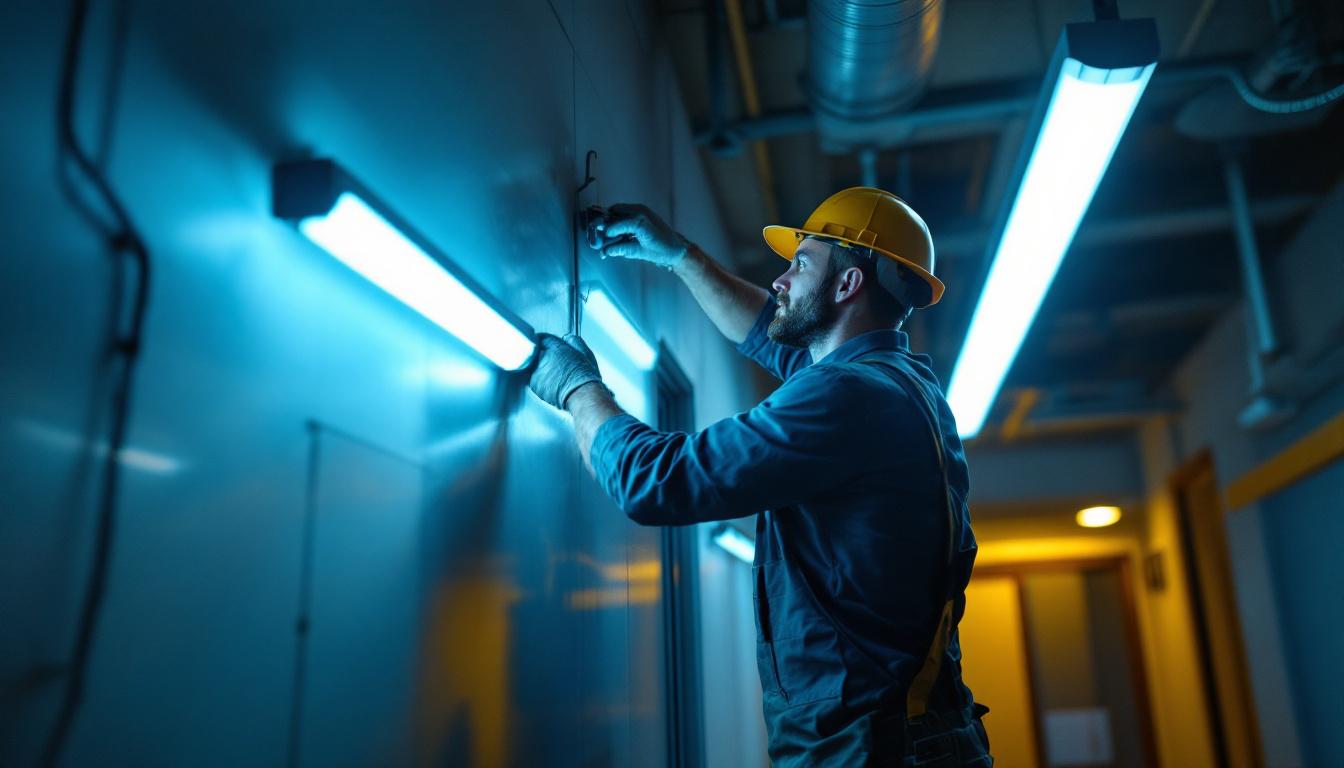
Using standardized mounting hardware and pre-assembled wiring harnesses can significantly reduce installation time. For hazardous locations, where safety protocols are stringent, minimizing the time workers spend in potentially dangerous areas reduces risk and labor costs.
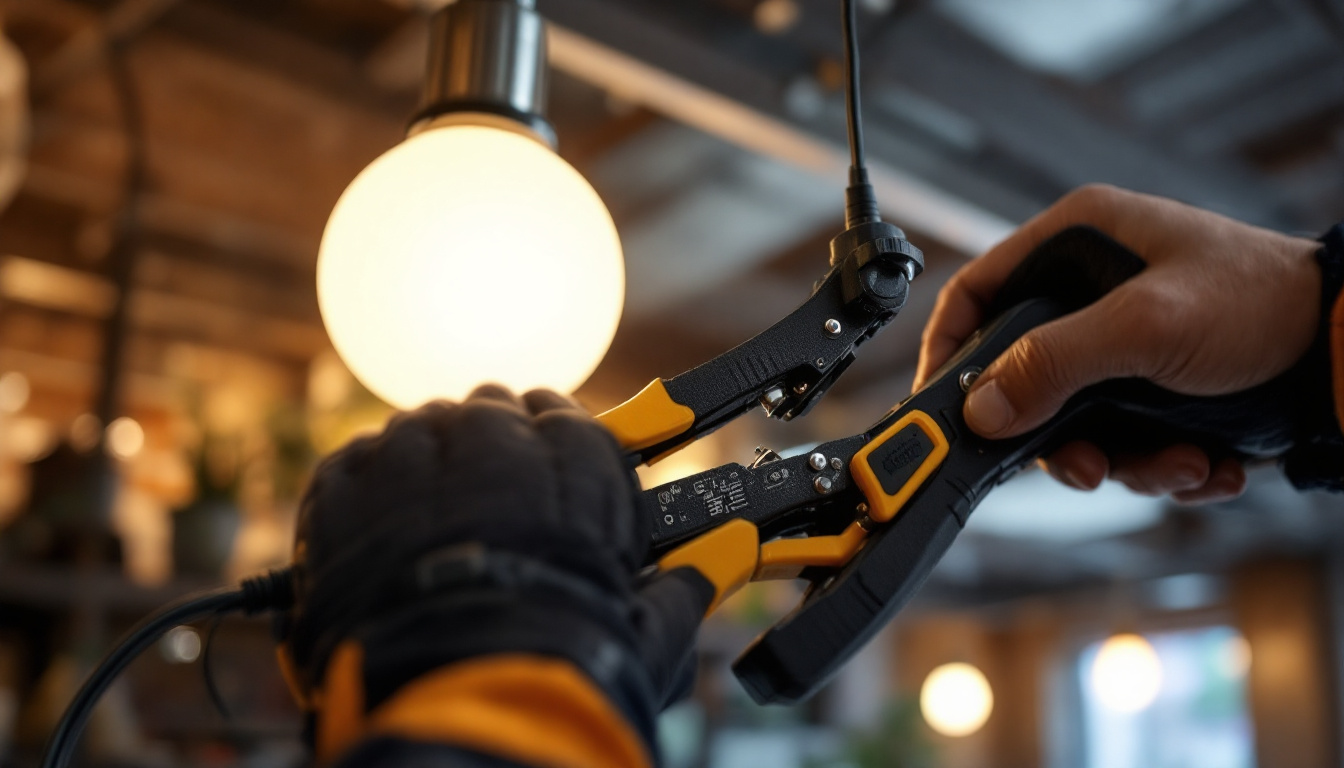
Additionally, contractors should train their teams on the latest installation techniques and safety standards to avoid costly rework or compliance issues. Investing in quality tools designed for hazardous environments also improves efficiency.
Maintenance and Lifecycle Management: Long-Term Cost Reduction
Implement Predictive Maintenance Programs
Routine inspections and predictive maintenance help identify fixture issues before they escalate into failures. Using technologies such as remote monitoring and smart sensors can alert contractors and facility managers to performance degradation, enabling timely interventions.
Predictive maintenance reduces unplanned downtime and extends fixture life, both of which contribute to substantial cost savings over time.
Plan for End-of-Life Disposal and Upgrades
Hazardous location fixtures often contain components that require special disposal procedures. Contractors should factor disposal costs into project budgets and explore recycling programs offered by manufacturers.
Planning upgrades in alignment with technological advancements—such as transitioning to more efficient LED systems or integrating smart lighting controls—can improve energy savings and reduce maintenance expenses in the long term.
Leveraging Technology and Innovation to Drive Savings
Smart Lighting Controls and Automation
Integrating smart controls such as occupancy sensors, daylight harvesting, and remote dimming can optimize energy use in hazardous locations. These systems adjust lighting levels based on real-time conditions, ensuring that energy is not wasted while maintaining safety standards.
Though initial investment may be higher, the reduction in energy consumption and extended fixture life typically yield a favorable return on investment.
Advanced Materials and Coatings
Innovations in materials science have led to coatings that enhance corrosion resistance and reduce dust accumulation on fixtures. Such advancements decrease maintenance frequency and improve lighting performance, indirectly lowering operational costs.
Conclusion: Strategic Approaches for Sustainable Savings
For lighting contractors working with hazardous location lighting fixtures, cost-saving strategies must balance safety, compliance, and performance. Understanding the regulatory environment, selecting the right products, optimizing procurement, and implementing efficient installation and maintenance practices are all critical components.
By embracing energy-efficient technologies, fostering strong supplier relationships, and leveraging innovations in smart controls and materials, contractors can deliver high-quality lighting solutions that minimize costs over the fixture lifecycle. Ultimately, a strategic and informed approach not only enhances profitability but also builds trust and reputation in this specialized market segment.
Illuminate Your Projects with LumenWholesale
Ready to enhance your hazardous location lighting projects while maximizing cost savings? Look no further than LumenWholesale, where we specialize in providing contractors with the highest quality, spec-grade lighting products at unbeatable wholesale prices. Say goodbye to inflated markups and hello to superior lighting solutions that meet the most rigorous industry standards. With our commitment to reliability and performance, along with the convenience of free shipping on bulk orders, you can trust LumenWholesale to light up your projects with excellence. Don’t settle for less—Wholesale Lighting at the Best Value is just a click away.