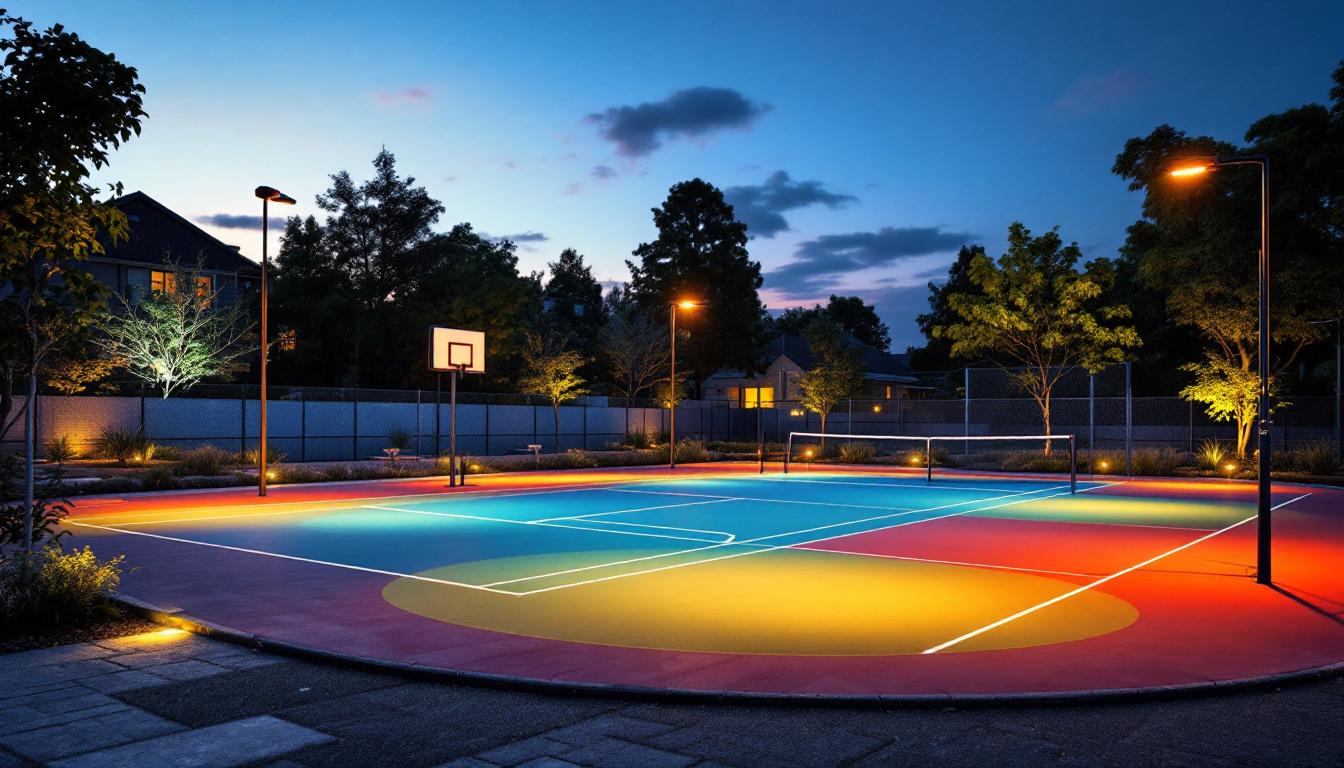
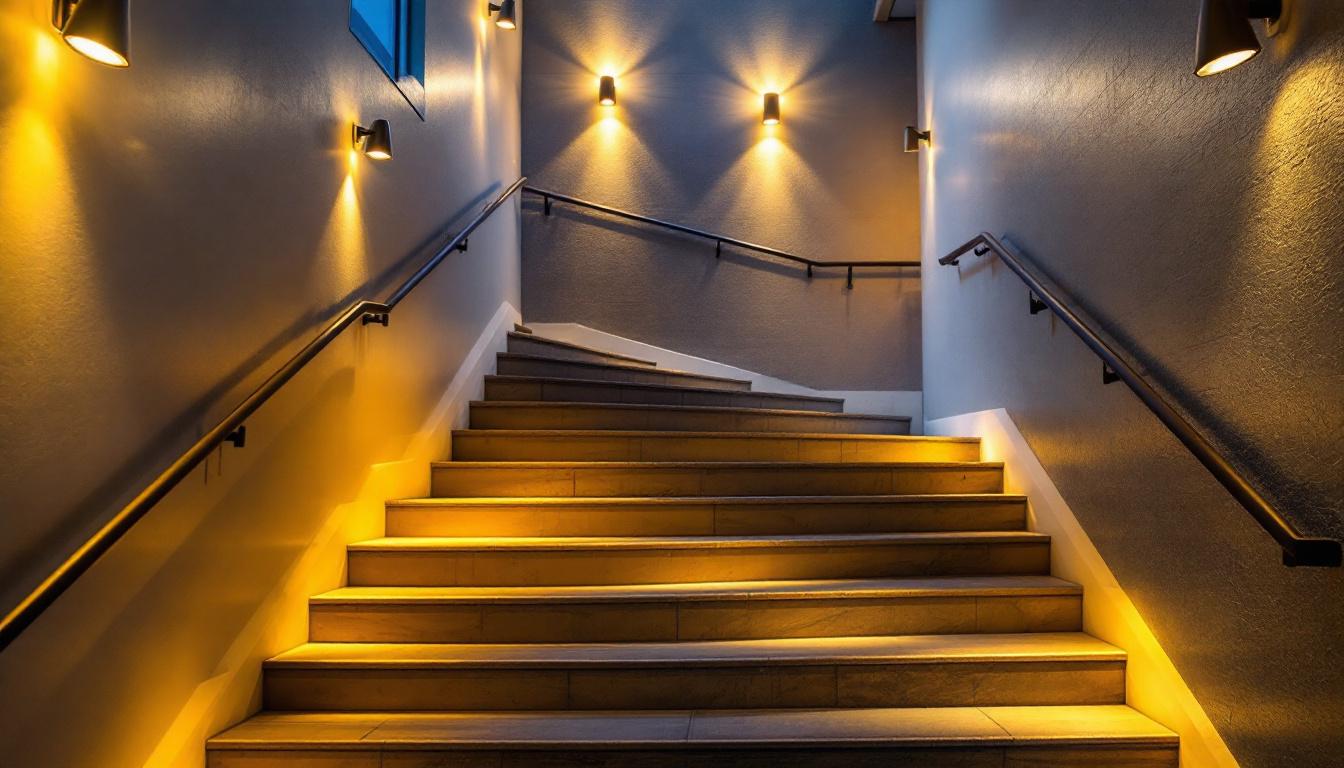
Introduction to Outdoor Commercial Lighting
Outdoor commercial lighting plays a pivotal role in enhancing safety, security, and aesthetics for various commercial properties. From parking lots and building facades to walkways and signage, the right lighting fixtures can transform a space, making it more inviting and functional. For lighting contractors, understanding the nuances of outdoor commercial lighting fixtures is essential to delivering quality installations that meet client expectations while adhering to industry standards.
Choosing the right fixtures involves balancing factors such as energy efficiency, durability, installation complexity, and maintenance requirements. This article explores the key advantages and disadvantages of outdoor commercial lighting fixtures, providing lighting contractors with a comprehensive overview to support informed decision-making.
One of the most significant advantages of modern outdoor commercial lighting is the advancement in LED technology. LED fixtures not only consume less energy compared to traditional incandescent or fluorescent lights, but they also have a longer lifespan, reducing the frequency of replacements and maintenance costs. Moreover, the versatility of LED lights allows for a range of color temperatures and brightness levels, enabling businesses to create the desired ambiance while enhancing visibility. This is particularly important in retail environments, where well-lit displays can attract customers and improve sales.
However, lighting contractors must also be aware of the potential drawbacks associated with outdoor commercial lighting. For instance, the initial investment for high-quality fixtures can be substantial, which may deter some clients. Additionally, improper installation can lead to issues such as light pollution, which not only affects the surrounding environment but can also lead to complaints from neighboring properties. Therefore, it is crucial for contractors to stay informed about local regulations and best practices to ensure that their installations are both effective and compliant. By doing so, they can help clients achieve a balance between functionality and environmental responsibility.
Advantages of Outdoor Commercial Lighting Fixtures
Enhanced Safety and Security
One of the primary reasons commercial properties invest in outdoor lighting is to improve safety and security. Well-lit areas deter criminal activity by eliminating dark spots where intruders might hide. According to studies on crime prevention, well-illuminated commercial spaces can reduce crime rates by up to 30%, making lighting a critical component of security strategies.
For lighting contractors, installing fixtures that provide uniform illumination without harsh shadows is essential. Fixtures such as LED floodlights and wall packs are popular choices because they offer broad coverage and high lumen output, ensuring that parking lots, entrances, and perimeters are well-lit. Additionally, integrating motion sensors and smart lighting systems can further enhance security by providing illumination only when needed, thereby conserving energy while ensuring safety during peak hours.
Moreover, the psychological impact of lighting on safety cannot be overlooked. Brightly lit environments not only make individuals feel safer but also encourage foot traffic, which can be beneficial for businesses. When customers perceive a space as secure, they are more likely to visit, thus increasing potential revenue for commercial establishments. This dual benefit of safety and enhanced customer experience underscores the importance of investing in quality outdoor lighting solutions.
Energy Efficiency and Cost Savings
Modern outdoor commercial lighting fixtures, especially those using LED technology, offer significant energy savings compared to traditional lighting options like metal halide or high-pressure sodium lamps. LEDs consume up to 75% less energy and have a longer lifespan, which translates into lower electricity bills and reduced maintenance costs for clients.
Lighting contractors should emphasize the benefits of energy-efficient fixtures during consultations, as many commercial clients are increasingly focused on sustainability and operational cost reduction. Additionally, some regions offer rebates and incentives for installing energy-efficient outdoor lighting, which can be a compelling selling point. As businesses strive to reduce their carbon footprint, the adoption of energy-efficient lighting solutions aligns with broader environmental goals, making it an attractive option for eco-conscious clients.
Furthermore, the integration of smart lighting controls can optimize energy usage even further. Features such as timers, dimmers, and remote management systems allow businesses to adjust lighting based on occupancy and time of day, resulting in additional savings. By showcasing these advanced technologies, lighting contractors can position themselves as forward-thinking partners in their clients’ sustainability journeys.
Durability and Weather Resistance
Outdoor commercial lighting fixtures are designed to withstand harsh environmental conditions, including rain, snow, wind, and temperature extremes. Many fixtures come with high ingress protection (IP) ratings, ensuring resistance to dust and water ingress. For example, fixtures rated IP65 or higher are ideal for exposed outdoor environments.
Durability reduces the frequency of replacements and repairs, providing long-term value for clients. Lighting contractors must select fixtures that meet or exceed the environmental demands of the installation site to ensure reliability and client satisfaction. The choice of materials, such as corrosion-resistant finishes and impact-resistant glass, plays a crucial role in the longevity of outdoor lighting installations.
Additionally, incorporating features like thermal management systems can enhance the performance of outdoor fixtures, ensuring they operate efficiently even in extreme temperatures. By educating clients on the importance of selecting robust, weather-resistant fixtures, contractors can help them make informed decisions that will save time and money in the long run.
Versatility and Design Flexibility
Outdoor commercial lighting fixtures come in a variety of styles, sizes, and mounting options, allowing contractors to tailor lighting solutions to the specific needs of each project. From pole-mounted streetlights to recessed ground lights and architectural wall sconces, the options are extensive.
This versatility enables lighting contractors to address both functional and aesthetic requirements, enhancing the visual appeal of commercial properties while meeting practical illumination needs. Customizable features such as adjustable beam angles and dimming capabilities further enhance design flexibility. This adaptability is particularly beneficial for businesses looking to create unique outdoor environments that reflect their brand identity.
Moreover, the integration of landscape lighting with commercial fixtures can create inviting atmospheres that attract customers. By combining decorative elements with functional lighting, contractors can help businesses establish a cohesive and welcoming outdoor space. The ability to blend aesthetics with functionality not only enhances the property’s appeal but also contributes to a memorable customer experience, encouraging repeat visits and fostering brand loyalty.
Disadvantages of Outdoor Commercial Lighting Fixtures
Initial Cost and Budget Constraints
Despite the long-term savings associated with energy-efficient fixtures, the upfront cost of high-quality outdoor commercial lighting can be substantial. LEDs and smart lighting systems often have higher initial prices compared to traditional fixtures, which can be a barrier for budget-conscious clients.
Lighting contractors must navigate these budget constraints by providing clear cost-benefit analyses, highlighting lifecycle savings, and offering phased installation plans when necessary. Transparent communication about costs and benefits helps manage client expectations and facilitates smoother project approval.
Complex Installation Requirements
Outdoor commercial lighting installations can be complex, particularly when integrating advanced technologies such as smart controls, motion sensors, or adaptive lighting systems. These features require specialized knowledge and coordination with electrical contractors and other trades.
Contractors must possess or develop expertise in the latest lighting technologies and installation best practices to avoid costly errors and ensure system reliability. Additionally, site-specific challenges such as uneven terrain, existing infrastructure limitations, or local code compliance can complicate installations.
Maintenance Challenges
While modern fixtures are designed for durability, outdoor lighting systems still require periodic maintenance to maintain optimal performance. Issues such as dirt accumulation, fixture damage, and electrical component wear can degrade lighting quality over time.
For lighting contractors, offering maintenance services or contracts can be an additional revenue stream but also requires resources and planning. Educating clients on the importance of regular maintenance helps extend fixture lifespan and sustain energy efficiency.
Light Pollution and Regulatory Compliance
Outdoor commercial lighting can contribute to light pollution, which affects neighboring properties and the environment. Excessive or poorly directed lighting may violate local ordinances or dark-sky regulations, leading to fines or the need for costly adjustments.
Lighting contractors must stay informed about local lighting codes and environmental guidelines to design compliant systems. Using fixtures with cutoff optics and implementing smart controls can minimize light trespass and reduce environmental impact, aligning with growing community and regulatory expectations.
Key Considerations for Lighting Contractors
Assessing Client Needs and Site Conditions
Successful outdoor lighting projects begin with a thorough assessment of client goals and site-specific conditions. Lighting contractors should evaluate factors such as the purpose of the lighting (security, aesthetics, wayfinding), existing infrastructure, environmental conditions, and budget constraints.
Conducting detailed site surveys and collaborating with stakeholders ensures that the selected fixtures and lighting design align with both functional requirements and client expectations.
Choosing the Right Technology
Advancements in lighting technology continue to expand the options available to contractors. LED fixtures remain the industry standard for outdoor commercial lighting due to their efficiency and longevity, but integrating controls such as timers, dimmers, and occupancy sensors can further optimize performance.
Contractors should consider the compatibility of fixtures with control systems and the potential for future upgrades. Smart lighting solutions not only enhance energy savings but also provide data analytics that can inform maintenance and operational decisions.
Ensuring Compliance and Safety
Compliance with electrical codes, safety standards, and environmental regulations is non-negotiable in commercial lighting projects. Lighting contractors must stay current with standards such as the National Electrical Code (NEC) and local ordinances to avoid legal and safety issues.
Proper grounding, surge protection, and weatherproofing are critical installation considerations. Additionally, contractors should document compliance and provide clients with necessary certifications and warranties.
Providing Value-Added Services
Beyond installation, lighting contractors can differentiate themselves by offering design consultation, energy audits, and maintenance services. These value-added offerings build client trust and create ongoing business opportunities.
Educating clients on the benefits of regular maintenance, energy management, and lighting upgrades positions contractors as trusted advisors rather than one-time service providers.
Conclusion
Outdoor commercial lighting fixtures are indispensable tools for enhancing safety, security, and aesthetics in commercial environments. For lighting contractors, understanding the pros and cons of these fixtures is critical to delivering effective, efficient, and compliant lighting solutions.
While energy efficiency, durability, and design flexibility are significant advantages, challenges such as upfront costs, installation complexity, and maintenance demands require careful management. By staying informed about technological advancements, regulatory requirements, and client needs, lighting contractors can navigate these challenges and capitalize on opportunities to provide exceptional service and value.
Ultimately, a strategic approach to outdoor commercial lighting not only benefits clients but also strengthens the reputation and success of lighting contractors in a competitive market.
Illuminate Your Projects with LumenWholesale
Ready to elevate your outdoor commercial lighting projects with fixtures that offer the perfect balance of efficiency, durability, and design? Look no further than LumenWholesale. We provide lighting contractors with spec-grade lighting products that meet the highest industry standards, all at unbeatable wholesale prices. Say goodbye to inflated markups and hello to a vast selection of premium lighting solutions that will make your installations shine. Plus, with free shipping on bulk orders, you can get the best value without any hidden fees. Don’t compromise on quality or cost. Wholesale Lighting at the Best Value is just a click away. Make the smart choice for your business and your clients with LumenWholesale.