The Importance of Proper Office Lighting
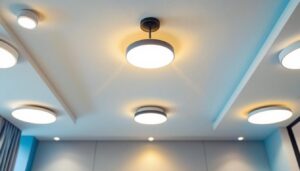
Lighting in office environments plays a crucial role in employee productivity, comfort, and overall well-being. For lighting contractors, understanding the science behind office ceiling lamps is essential to design and install systems that meet both aesthetic and functional requirements. Poor lighting can lead to eye strain, headaches, and reduced concentration, while well-designed lighting enhances alertness and reduces fatigue.
Studies have shown that workplace lighting directly impacts worker performance. For example, offices with optimized lighting conditions report up to a 23% increase in productivity. This underscores the importance of selecting and installing the right ceiling lamps that provide adequate illumination without causing glare or discomfort.
Moreover, the color temperature of office lighting can significantly influence mood and energy levels. Warmer tones, typically around 2700K to 3000K, create a cozy atmosphere, ideal for collaborative spaces where creativity flourishes. In contrast, cooler tones, ranging from 4000K to 5000K, are often more suitable for task-oriented areas, as they mimic natural daylight and can help maintain alertness throughout the day. Incorporating adjustable lighting solutions allows employees to customize their environment according to their needs, further enhancing their comfort and productivity.
In addition to the type and color of lighting, the layout and distribution of light sources are equally important. An effective lighting design should minimize shadows and evenly distribute light across workspaces to prevent dark spots that can strain the eyes. Utilizing a combination of ambient, task, and accent lighting can create a balanced environment that caters to various activities within the office. Furthermore, integrating natural light into the design not only reduces energy costs but also contributes to the overall well-being of employees, as exposure to daylight has been linked to improved mood and reduced stress levels.
Fundamentals of Light and Human Perception
Understanding Light Measurement
Lighting contractors must be familiar with key metrics such as lumens, lux, and color temperature to effectively specify office ceiling lamps. Lumens measure the total amount of visible light emitted by a source, while lux quantifies the intensity of light on a surface, which is critical for ensuring workspaces are adequately illuminated.
For office environments, recommended lighting levels typically range between 300 to 500 lux, depending on the task. For instance, general office work requires around 300-400 lux, whereas detailed tasks like drafting may require up to 500 lux. These standards help contractors select lamps that provide sufficient brightness without wasting energy. Additionally, understanding the concept of efficacy, which is the ratio of lumens produced per watt consumed, can guide contractors in choosing energy-efficient lighting solutions that not only reduce operational costs but also contribute to sustainability goals.
Color Temperature and Its Effects
Color temperature, measured in Kelvins (K), describes the hue of the light source, ranging from warm (yellowish) to cool (bluish) tones. In offices, cooler light temperatures between 4000K and 5000K are preferred because they mimic natural daylight, promoting alertness and reducing eye strain.
Research indicates that exposure to cooler light during the workday can improve mood and cognitive function, making it a vital consideration when choosing ceiling lamps. Conversely, warmer light temperatures are better suited for relaxation areas or break rooms. Furthermore, the psychological impact of light color cannot be underestimated; studies show that environments bathed in cooler light can enhance productivity and creativity, while warmer tones can foster a sense of comfort and relaxation, making them ideal for spaces intended for social interaction or downtime. This nuanced understanding of color temperature allows contractors to create tailored lighting schemes that cater to the diverse needs of office occupants, ultimately enhancing both functionality and well-being in the workplace.
Types of Office Ceiling Lamps and Their Applications
Fluorescent Lamps
Fluorescent lighting has long been a staple in office environments due to its energy efficiency and relatively low cost. These lamps produce a broad spectrum of light and are available in various color temperatures. However, they can sometimes cause flicker and emit a harsh light that may contribute to discomfort.
Modern fluorescent fixtures often incorporate electronic ballasts to reduce flicker and improve energy efficiency. Lighting contractors should consider the quality of these components when specifying fluorescent ceiling lamps to ensure optimal performance. Additionally, the placement of fluorescent lamps can significantly impact their effectiveness; strategic positioning can help minimize shadows and enhance overall workspace illumination. For example, placing fixtures in a grid pattern can ensure even light distribution across desks and workstations, fostering a more productive environment.
LED Ceiling Lamps
LED technology has revolutionized office lighting by offering superior energy efficiency, longer lifespan, and improved light quality compared to traditional fluorescent lamps. LEDs provide instant-on capabilities, dimming options, and a wide range of color temperatures, making them highly versatile for office applications.
Additionally, LEDs generate less heat, reducing cooling costs and enhancing occupant comfort. Their directional light output allows for more precise illumination, minimizing glare and shadows. These benefits make LED ceiling lamps the preferred choice for modern office lighting installations. Furthermore, many LED systems now come with smart technology integration, allowing for automated controls and energy monitoring. This can lead to further savings and a more tailored lighting experience, adapting to the specific needs of different tasks or times of day, thereby enhancing both productivity and well-being in the workplace.
Indirect and Diffused Lighting Solutions
Indirect lighting involves directing light towards ceilings or walls, which then reflects into the workspace, creating a softer and more evenly distributed illumination. This approach reduces harsh shadows and glare, contributing to a more comfortable visual environment.
Diffused lighting, achieved through frosted lenses or diffusers, scatters light to eliminate hotspots and provide uniform brightness. Lighting contractors should consider incorporating indirect or diffused ceiling lamps in office designs to enhance visual comfort and reduce eye strain. Moreover, the aesthetic appeal of indirect lighting can transform the overall ambiance of an office, creating a more inviting and less sterile atmosphere. By incorporating elements such as wall sconces or ceiling-mounted fixtures that utilize diffused lighting, companies can foster a more collaborative and engaging workspace, which can positively influence employee morale and productivity. The thoughtful integration of these lighting solutions can also support various activities, from focused work to collaborative meetings, ensuring that every area of the office is well-suited to its intended purpose.
Ergonomics and Visual Comfort in Office Lighting
Reducing Glare and Flicker
Glare is a significant issue in office lighting, often caused by overly bright fixtures or poor placement. It can lead to discomfort and decreased productivity. Contractors must carefully select ceiling lamps with appropriate shielding and positioning to minimize direct glare on work surfaces and computer screens.
Flicker, often associated with older fluorescent lamps, can cause headaches and visual fatigue. Using high-quality ballasts or switching to LED lamps with stable drivers can effectively eliminate flicker and improve occupant comfort.
Balancing Natural and Artificial Light
Integrating natural daylight with artificial ceiling lamps creates a dynamic lighting environment that supports circadian rhythms and enhances well-being. Lighting contractors should design systems that complement daylight availability, using dimmable lamps and sensors to adjust artificial lighting levels accordingly.
This approach not only improves comfort but also reduces energy consumption by leveraging natural light during daytime hours. Properly calibrated lighting controls are essential to achieve this balance effectively.
Energy Efficiency and Sustainability Considerations
Energy Codes and Standards
Lighting contractors must stay informed about current energy codes and standards that govern office lighting installations. Regulations often mandate minimum efficiency levels, maximum power densities, and the use of controls such as occupancy sensors and daylight harvesting systems.
Compliance ensures that office lighting systems are both environmentally responsible and cost-effective over their lifecycle. Incorporating energy-efficient ceiling lamps and controls can significantly reduce operational expenses for building owners.
Lifecycle Cost Analysis
When selecting office ceiling lamps, contractors should consider not only the initial purchase price but also maintenance costs, energy consumption, and expected lifespan. LEDs, for example, typically have higher upfront costs but offer substantial savings over time due to their durability and low energy use.
Performing a lifecycle cost analysis helps identify the most economical lighting solutions that meet performance requirements, ensuring client satisfaction and sustainable outcomes.
Installation Best Practices for Office Ceiling Lamps
Planning and Layout
Effective office lighting starts with a well-thought-out plan that considers room dimensions, ceiling height, workstation placement, and the nature of tasks performed. Lighting contractors should use lighting design software to model illumination levels and identify optimal fixture locations.
Uniformity is key; uneven lighting can cause visual discomfort and reduce productivity. Spacing and mounting height of ceiling lamps must be calculated to achieve consistent light distribution across the workspace.
Wiring and Safety Considerations
Proper electrical wiring and adherence to safety codes are paramount during installation. Contractors must ensure that ceiling lamps are compatible with existing electrical systems and that all connections are secure and compliant with local regulations.
Additionally, fixtures should be installed to facilitate easy maintenance and replacement, minimizing disruption to office operations. Attention to detail during installation contributes to the longevity and reliability of the lighting system.
Emerging Trends and Technologies in Office Ceiling Lighting
Smart Lighting Systems
Advancements in smart lighting technology enable dynamic control of office ceiling lamps through sensors, timers, and mobile apps. These systems can adjust brightness and color temperature based on occupancy, daylight availability, and user preferences, enhancing comfort and energy efficiency.
Lighting contractors should familiarize themselves with these technologies to offer clients cutting-edge solutions that improve workplace environments and reduce energy costs.
Human-Centric Lighting
Human-centric lighting (HCL) focuses on aligning artificial light with natural circadian rhythms to support health and well-being. By varying intensity and color temperature throughout the day, HCL systems can improve sleep quality, mood, and cognitive performance.
Incorporating HCL principles into office ceiling lamp design requires a deep understanding of lighting science and user needs, presenting an opportunity for contractors to differentiate their services.
Conclusion
For lighting contractors, mastering the science behind office ceiling lamps is essential to deliver lighting solutions that enhance productivity, comfort, and sustainability. By understanding light measurement, lamp types, ergonomics, energy efficiency, and emerging technologies, contractors can design and install office lighting systems that meet the evolving demands of modern workplaces.
Staying updated with industry standards and innovations ensures that lighting professionals provide value-driven services that benefit clients and occupants alike, establishing their reputation as experts in office lighting solutions.
Illuminate Your Projects with LumenWholesale
Ready to elevate your lighting installations with the science-backed solutions discussed in this article? Choose LumenWholesale for your next project and experience the difference that quality lighting can make. Our extensive range of spec-grade office ceiling lamps is designed to boost productivity, comfort, and energy efficiency, all at unbeatable wholesale prices. Say goodbye to middleman markups and hello to hassle-free bulk buying with free shipping. Don’t compromise on quality or value—click here to discover our selection of premium lighting solutions and make LumenWholesale your go-to source for Wholesale Lighting at the Best Value.