Introduction to LED Light Strips in Kitchen Cabinetry
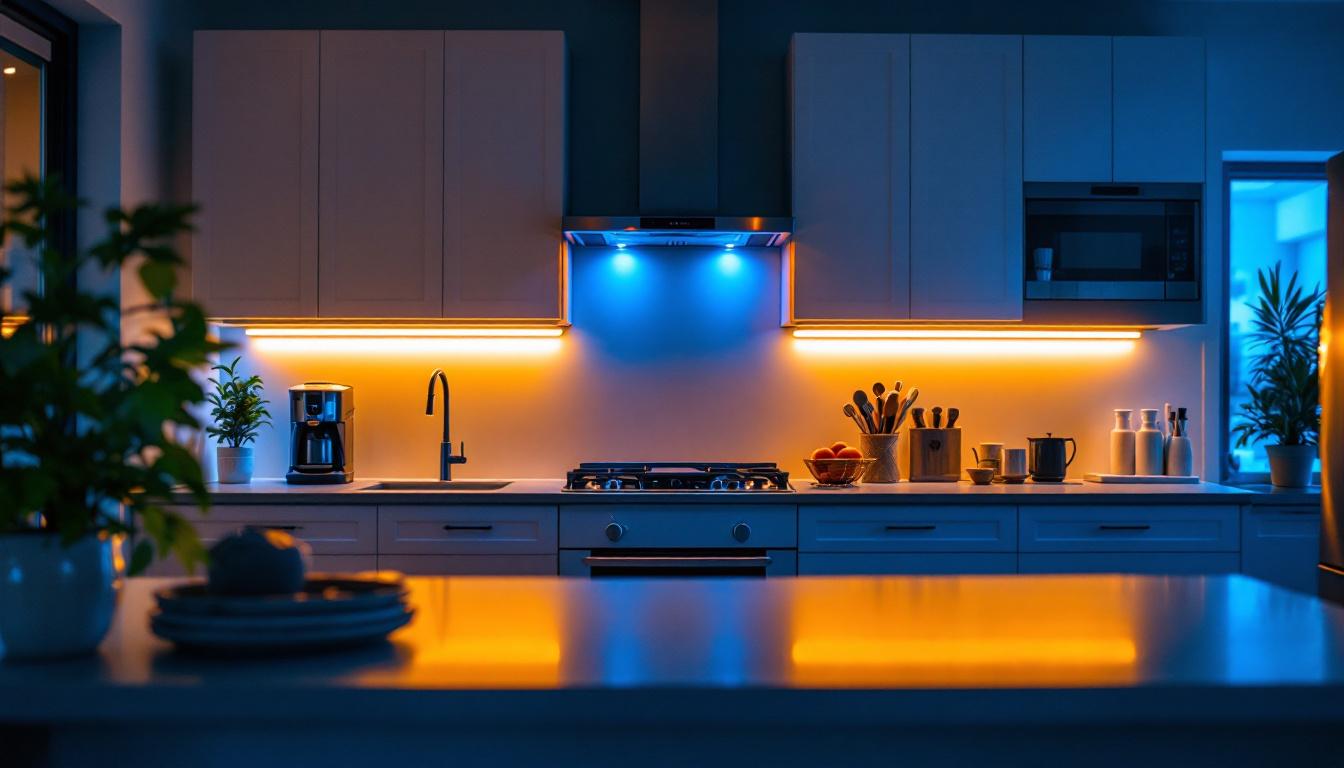
LED light strips installed under kitchen cabinets have revolutionized residential and commercial lighting design. For lighting contractors, these versatile fixtures offer a unique blend of aesthetic appeal, energy efficiency, and functional illumination that can significantly enhance project outcomes. Understanding the nuances of integrating LED strips into kitchen cabinetry is essential for contractors aiming to deliver superior lighting solutions that meet client expectations and industry standards.
Under-cabinet LED lighting is no longer a mere decorative element; it has become a critical component of modern kitchen lighting schemes. This shift reflects broader trends in lighting technology and consumer preferences, emphasizing sustainability, customization, and seamless integration. For contractors, mastering the installation and specification of these systems can differentiate their services and expand their project portfolios.
One of the most compelling advantages of LED light strips is their ability to provide task lighting that enhances visibility while cooking or preparing food. The focused illumination helps reduce shadows and highlights work surfaces, making it easier to chop vegetables or read recipes. Moreover, the color temperature of LED strips can be customized to suit various tasks; warmer tones can create a cozy atmosphere for dining, while cooler tones can energize the space during meal prep. This adaptability allows contractors to tailor lighting solutions to the specific needs and preferences of their clients, ensuring a more personalized experience.
In addition to their functional benefits, LED light strips also offer significant energy savings compared to traditional incandescent or fluorescent lighting. With a lifespan that can exceed 25,000 hours, these fixtures reduce the frequency of replacements and maintenance, appealing to environmentally conscious consumers. Furthermore, the low heat output of LED technology minimizes the risk of heat damage to cabinetry and surrounding materials, making them an ideal choice for long-term installations. As energy efficiency becomes a priority in modern building practices, integrating LED strips into kitchen designs not only enhances aesthetics but also aligns with sustainable construction goals, making them a smart choice for contractors looking to stay ahead in the competitive market.
Benefits of LED Light Strips for Kitchen Cabinet Lighting
Energy Efficiency and Cost Savings
One of the most compelling advantages of LED light strips is their energy efficiency. Compared to traditional incandescent or fluorescent under-cabinet lighting, LEDs consume significantly less power while delivering equivalent or superior illumination levels. This efficiency translates into lower operating costs for homeowners and businesses, a factor that contractors can highlight during client consultations.
Moreover, the long lifespan of LED strips reduces maintenance frequency and replacement costs, enhancing the overall value proposition. Lighting contractors who emphasize these benefits can position themselves as providers of sustainable, cost-effective lighting solutions.
Enhanced Aesthetic and Functional Lighting
LED strips provide a continuous, uniform light source that eliminates shadows and dark spots commonly associated with other types of under-cabinet lighting. This quality is particularly important in kitchens, where task lighting must be both bright and evenly distributed to facilitate food preparation and cooking.
Additionally, LED strips come in various color temperatures and can be dimmable, allowing contractors to tailor lighting schemes to the client’s preferences and kitchen design. The ability to customize lighting intensity and hue enhances both the ambiance and functionality of the space.
Flexibility and Ease of Installation
LED light strips are typically slim, lightweight, and flexible, making them ideal for installation in tight or irregular spaces under cabinets. This flexibility allows contractors to create bespoke lighting layouts that conform to unique cabinetry designs or architectural features.
Furthermore, many LED strip systems come with adhesive backing or mounting clips, simplifying the installation process and reducing labor time. This ease of installation can improve project efficiency and profitability.
Technical Considerations for Lighting Contractors
Power Supply and Wiring Requirements
Proper power supply selection is crucial when installing LED light strips under kitchen cabinets. Contractors must ensure that the power supply matches the voltage and wattage requirements of the LED strips to prevent premature failure or safety hazards.
Low-voltage LED strips (typically 12V or 24V) require transformers or drivers, which must be strategically placed to maintain aesthetic integrity and comply with electrical codes. Additionally, wiring should be concealed and secured to avoid damage and maintain a clean installation.
Heat Management and Longevity
Although LED strips generate less heat than traditional lighting, heat dissipation remains an important factor affecting their lifespan. Contractors should consider installing LED strips on aluminum channels or heat sinks to enhance thermal management.
Proper heat management not only extends the life of the LEDs but also maintains consistent light output and color quality over time, contributing to client satisfaction and reducing callbacks.
Compatibility with Smart Controls and Automation
The integration of LED light strips with smart home systems is increasingly popular. Lighting contractors should be familiar with compatible dimmers, controllers, and automation platforms that allow clients to adjust lighting remotely or program lighting scenes.
Offering smart lighting solutions can add value to projects and appeal to tech-savvy clients seeking convenience and energy management capabilities.
Design and Client Consultation Strategies
Assessing Client Needs and Kitchen Layout
Effective lighting design begins with a thorough assessment of the kitchen’s layout, cabinetry style, and the client’s usage patterns. Contractors should evaluate the dimensions and materials of cabinets, countertop surfaces, and adjacent lighting to determine optimal LED strip placement.
Understanding the client’s preferences for brightness, color temperature, and control options enables contractors to propose tailored solutions that enhance both aesthetics and functionality.
Demonstrating Lighting Effects and Options
Visual aids such as mock-ups, samples, or digital renderings can help clients visualize the impact of LED light strips under their cabinets. Demonstrating various color temperatures and dimming capabilities can clarify expectations and facilitate informed decision-making.
Lighting contractors who invest time in client education often experience higher satisfaction rates and fewer design revisions.
Budgeting and Value Communication
Transparent discussions about costs, including materials, installation, and potential energy savings, build trust and set realistic expectations. Contractors should highlight the long-term value of LED lighting, emphasizing durability, reduced energy consumption, and enhanced kitchen usability.
Presenting LED light strips as an investment rather than a mere expense can help clients justify the upfront cost and appreciate the benefits over time.
Challenges and Solutions in Installation
Addressing Cabinet Material and Surface Issues
Different cabinet materials—such as wood, laminate, or metal—require specific installation techniques to ensure secure attachment of LED strips. Adhesive backing may not adhere well to textured or oily surfaces, necessitating alternative mounting methods like clips or channels.
Contractors should conduct surface preparation and select appropriate mounting accessories to prevent detachment and maintain a professional finish.
Managing Electrical Code Compliance and Safety
Compliance with local electrical codes and safety standards is paramount. Contractors must ensure that all wiring, connectors, and power supplies meet regulatory requirements and are installed by qualified personnel.
Proper grounding, circuit protection, and the use of UL-listed components reduce liability and enhance system reliability.
Mitigating Light Leakage and Glare
Improper placement or orientation of LED strips can cause unwanted light leakage or glare, detracting from the kitchen’s visual comfort. Using diffusers, aluminum channels, or indirect lighting techniques can soften light output and create a more pleasing effect.
Attention to these details reflects craftsmanship and attention to client comfort.
Impact on Lighting Contractors’ Project Outcomes
Enhanced Project Portfolio and Market Competitiveness
Incorporating LED light strips under kitchen cabinets enables contractors to offer cutting-edge lighting solutions that align with current market demands. This capability can attract a broader client base and lead to referrals based on innovative design and quality installation.
Contractors who stay abreast of LED technology trends position themselves as industry leaders and trusted advisors.
Improved Client Satisfaction and Reduced Callbacks
Delivering well-designed, energy-efficient, and aesthetically pleasing under-cabinet lighting contributes to higher client satisfaction. Proper installation and attention to detail minimize issues such as flickering, uneven lighting, or premature component failure.
Satisfied clients are more likely to provide positive reviews and repeat business, enhancing the contractor’s reputation and profitability.
Streamlined Installation Processes and Cost Efficiency
The modular nature of LED light strips and their compatibility with modern mounting systems can reduce installation time and labor costs. Contractors who develop expertise in these systems can complete projects more efficiently, improving margins without compromising quality.
Efficient project execution also allows contractors to take on more work, scaling their operations effectively.
Future Trends and Considerations for Lighting Contractors
Advancements in LED Technology
Ongoing improvements in LED efficiency, color rendering, and integration capabilities will continue to expand the possibilities for under-cabinet lighting. Contractors should monitor developments such as tunable white LEDs, improved dimming protocols, and wireless control systems to stay competitive.
Adopting new technologies early can provide a competitive edge and meet evolving client expectations.
Growing Demand for Sustainable and Smart Lighting
Environmental concerns and smart home adoption are driving demand for lighting solutions that combine sustainability with intelligent control. Contractors who incorporate energy monitoring, occupancy sensors, and adaptive lighting controls into their projects can offer comprehensive solutions that appeal to environmentally conscious and tech-oriented clients.
These features not only enhance user experience but also align with building certification programs and regulatory incentives.
Integration with Broader Kitchen and Home Automation Systems
Future kitchen lighting projects will increasingly intersect with broader automation platforms, including voice control, security systems, and energy management. Lighting contractors should develop skills in system integration and collaborate with other trades to deliver seamless, interoperable solutions.
This multidisciplinary approach can elevate project complexity and value, positioning contractors as essential contributors to smart home ecosystems.
Conclusion
LED light strips under kitchen cabinets represent a transformative opportunity for lighting contractors to enhance project quality, client satisfaction, and business growth. By understanding the technical requirements, design considerations, and emerging trends associated with these lighting systems, contractors can deliver innovative, efficient, and aesthetically compelling solutions.
Mastery of LED under-cabinet lighting not only addresses current market demands but also prepares contractors for the future of residential and commercial lighting projects. Investing in knowledge, tools, and client education around LED light strips will yield significant returns in reputation, profitability, and professional development.
Illuminate Your Projects with LumenWholesale
Ready to elevate your lighting projects with the innovative LED light strips under kitchen cabinets? At LumenWholesale, we provide lighting contractors like you with the highest quality, spec-grade lighting products at the most competitive wholesale prices. Say goodbye to local distributor markups and hello to a vast selection of reliable, high-performance lighting that meets the strictest industry standards. With the added convenience of free shipping on bulk orders, LumenWholesale is your go-to source for premium lighting solutions that blend quality, affordability, and convenience seamlessly. Enhance your project outcomes and client satisfaction today by visiting Wholesale Lighting at the Best Value and discover the difference that LumenWholesale can make.